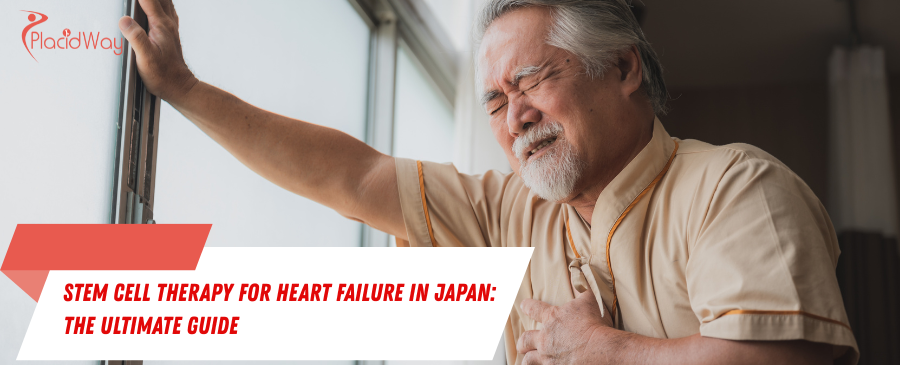
Stem Cell Therapy for Heart Failure in Japan offers patients access to advanced treatments years before they are available in many Western nations. This is due to Japan’s unique regulatory framework, which fast-tracks safe innovations. The country is globally recognized for its leadership in regenerative medicine, specifically for cardiac conditions, ensuring high standards for cell processing and patient safety. Clinical data suggests an average improvement of 5% to 12% in ejection fraction for responders.
Heart failure represents a significant global health challenge, impacting millions and severely diminishing quality of life. Traditional treatments manage symptoms but often fall short of regenerating damaged heart tissue. In this landscape, Japan has emerged as a pioneer, offering groundbreaking regenerative medicine approaches. These therapies leverage the body’s innate ability to heal, aiming to repair and restore cardiac function.
This comprehensive guide delves into the world of Stem Cell Therapy for Heart Failure in Japan: The Ultimate Guide. We explore the innovative procedures, unique regulatory environment, and cost considerations for international patients. By understanding Japan’s advanced medical infrastructure, you can make informed decisions about pursuing cutting-edge heart failure treatments in Tokyo and Osaka.
What are the Key Advantages of Stem Cell Therapy for Heart Failure in Japan?
- Global Leadership: Japan is the only country with a specific ‘Act on the Safety of Regenerative Medicine,’ setting the highest global standards for cell processing and patient safety.
- Advanced Procedures: Access cutting-edge treatments like Autologous Skeletal Myoblast Sheets (HeartSheet) and direct intracoronary injections, often unavailable elsewhere.
- Comprehensive Care Packages: Packages typically include specialized cardiac MRI/CT scans, cell cultivation, administration, and dedicated medical translation services for international patients.
- Faster Access to Innovation: Japan’s “Conditional Approval” system allows safe and effective therapies to reach patients years before they undergo lengthy Phase III trials in other Western nations.
- High Safety Standards: Clinics are strictly monitored by the Ministry of Health, Labour and Welfare (MHLW), with rigorous inspections of cell processing facilities ensuring patient safety.
How Does Stem Cell Therapy Work to Repair Heart Damage?
Stem cell therapy for heart failure harnesses the body’s natural healing processes to repair damaged myocardium, the heart muscle, and improve overall cardiac function. Heart failure occurs when the heart becomes too weak or stiff to effectively pump blood, leading to debilitating symptoms. Japan utilizes advanced Mesenchymal Stem Cells (MSCs), induced pluripotent stem cells (iPSCs), or specialized Skeletal Myoblast Sheets to target and regenerate compromised heart tissue.
The primary mechanism involves the injected or implanted stem cells releasing a variety of growth factors, a process known as the paracrine effect. These factors stimulate the formation of new blood vessels (angiogenesis), which is crucial for delivering oxygen and nutrients to damaged areas. Additionally, stem cells help reduce inflammation within the heart and actively work to prevent the formation of further scar tissue. This multi-faceted regenerative approach aims to restore the heart’s pumping efficiency and improve patient quality of life. Ideal candidates for these therapies often include individuals with ischemic cardiomyopathy, dilated cardiomyopathy, or those recovering from a myocardial infarction (heart attack) who have not fully responded to conventional medications.
What are the Proven Outcomes and Potential Risks of Cardiac Stem Cell Therapy?
Evidence & Outcomes: Clinical data from Japan indicates significant improvements for responsive patients undergoing stem cell therapy for heart failure. Specifically, studies suggest an average improvement of 5% to 12% in the Left Ventricular Ejection Fraction (LVEF), a critical measure of heart pumping efficiency. Beyond objective metrics, many patients report a substantial enhancement in their quality of life. This includes a notable reduction in their NYHA (New York Heart Association) class, for instance, moving from severe shortness of breath (Class III) to only mild symptoms with ordinary activity (Class II). These improvements contribute to increased energy levels and overall well-being. The stringent regulatory environment in Japan plays a crucial role in validating these positive outcomes and ensuring consistent quality of care.
Risks & Contraindications: While stem cell therapy in Japan is generally considered safe due to strict regulatory oversight, it is essential to understand that no medical procedure is without risks. Serious adverse events are extremely rare in Japan, a testament to the rigorous safety protocols mandated by the ‘Act on the Safety of Regenerative Medicine’. However, potential general risks associated with any medical procedure include infection at the injection or surgical site, allergic reactions, or complications related to anesthesia. It is crucial for patients to understand that individual results can vary significantly based on the severity of their heart condition, their overall health, and their unique biological response to the therapy. There are no guaranteed cures, and patients should maintain realistic expectations. Always consult with a qualified cardiologist to discuss your specific condition, potential benefits, risks, and suitable alternatives. Warning signs requiring immediate medical attention post-procedure include severe chest pain, fever, sudden shortness of breath, or prolonged swelling.
Did you know that Japan, with its Nobel Prize-winning iPSC science and government-backed ‘fast-track’ approval system, is home to the highest concentration of ‘Type 1’ and ‘Type 2’ licensed regenerative medicine facilities globally, ensuring stringent quality control and patient safety?
How Does the Cost of Stem Cell Therapy in Japan Compare Globally?
Stem Cell Treatment for Heart Failure in Japan represents a premium investment in safety and advanced care, with typical costs ranging between $15,000 and $45,000. This pricing reflects Japan’s stringent regulatory requirements for Cell Processing Centers (CPCs), which must adhere to clean-room standards equivalent to pharmaceutical manufacturing. While potentially higher than some developing nations, this cost includes rigorous pre-treatment screening, high-viability cell culture, and comprehensive post-treatment monitoring, aspects not always standard in cheaper destinations. Japan’s commitment to quality ensures patients receive care that meets the highest global benchmarks.
Essential Facts & Pro-Tips
What is the Typical Patient Journey for Heart Failure Treatment in Japan?
Efficiency is a hallmark of the medical experience in Japan, minimizing downtime while ensuring every safety protocol is strictly followed. The journey is meticulously planned, catering to international patients with dedicated support from arrival to departure.