PlacidWay Medical Tourism stands as a global leader, connecting patients with premier healthcare providers worldwide. Japan has cemented its reputation as a top destination for stem cell therapy for Cerebral Palsy, underscored by its stringent Act on the Safety of Regenerative Medicine (ASRM). The country offers advanced cell processing technologies and competitive pricing, with treatment costs ranging from $20,000 to $40,000, which is significantly lower than in the USA.
Japan has emerged as a global hub for regenerative medicine, offering highly advanced stem cell therapy for cerebral palsy (CP). This innovation is rigorously backed by the 2014 PMD Act, ensuring unparalleled safety standards. Unlike many countries with nascent or unregulated stem cell treatments, Japan’s Ministry of Health, Labour and Welfare (MHLW) provides strict oversight of clinic licensing and cell processing. This robust regulatory environment provides international patients with confidence and access to cutting-edge medical care.
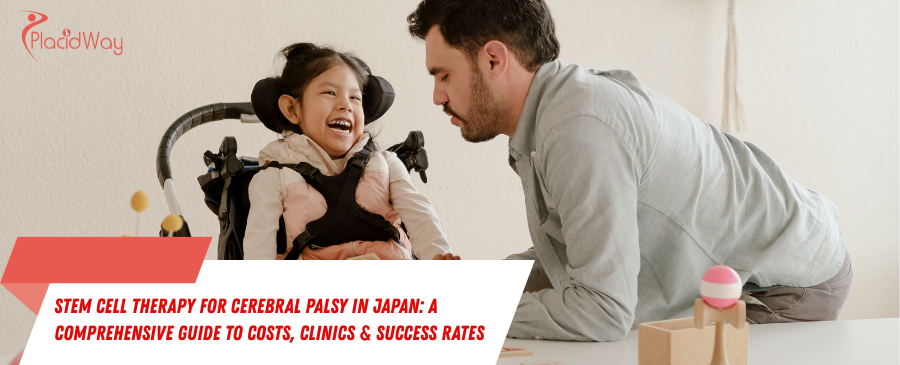
For families worldwide exploring options for Cerebral Palsy, Japan offers a unique blend of scientific advancement and comprehensive governmental regulation. Traditional CP therapies primarily manage symptoms, but stem cell therapy in Japan aims to address the underlying cause by repairing damaged neural tissue. This approach seeks to improve neurological function and enhance the patient’s quality of life. The country’s strong commitment to research and safety makes it a compelling choice for medical travelers. This guide provides an in-depth look into Stem Cell Therapy for Cerebral Palsy in Japan: A Comprehensive Guide to Costs, Clinics & Success Rates, helping you navigate this specialized medical journey.
Why Consider Japan for Stem Cell Therapy for Cerebral Palsy?
- —Global Safety Leader: Japan’s regenerative medicine laws (PMD Act) are globally recognized as among the strictest, ensuring high safety standards for all stem cell therapies. Every treatment package is meticulously regulated for patient well-being.
- —Cutting-Edge Technology: Japanese clinics leverage advanced cell expansion technologies. These innovations significantly increase cell viability and efficacy, leading to potentially better patient outcomes in complex neurological conditions.
- —Clear Legal Framework: Japan is one of the few developed nations to establish a transparent and rigorous legal framework for regenerative medicine. This provides both patients and practitioners with clarity and confidence in the treatment process.
- —Significant Cost Efficiency: While Japan offers premium care, it remains 30-50% more affordable than comparable stem cell treatments in the USA, where availability is often limited to clinical trials. This makes advanced therapy more accessible.
- —Comprehensive Packages: Medical tourism packages often include essential services beyond the procedure. These typically cover medical fees, cell processing, pre-operative testing, professional translation services, and crucial post-operative follow-up.
How Does Stem Cell Therapy for Cerebral Palsy Work in Japan?
Cerebral Palsy (CP) is a group of permanent movement disorders that appear in early childhood, caused by damage to the developing brain. Stem cell therapy aims to mitigate this damage, improving motor functions and overall quality of life, rather than offering a complete cure.
Stem cells function as a sophisticated repair system for the brain. Upon administration, they migrate to damaged regions, where they actively work to reduce inflammation and promote the growth of new neural connections. This multifaceted mechanism helps restore damaged brain tissue and improve neurological pathways, which are critical for motor control and cognitive function in CP patients. The primary goal is to enhance the patient’s functional abilities and independence.
Key mechanisms include neuroprotection, where stem cells secrete factors to shield existing brain cells from further deterioration. They also offer immunomodulation, significantly reducing chronic neuroinflammation common in CP. Angiogenesis is stimulated, leading to the formation of new blood vessels that improve oxygen supply to brain tissue. In some cases, stem cells may even facilitate neurogenesis, differentiating into new nerve cells or supporting the repair of the myelin sheath. Clinics in Japan primarily use Mesenchymal Stem Cells (MSCs), derived from umbilical cord tissue, adipose (fat) tissue, or bone marrow. These are favored for their high safety profile and potent anti-inflammatory properties. Japan is also at the forefront of Induced Pluripotent Stem Cell (iPSC) research, with breakthroughs increasingly influencing regenerative medicine in major cities like Osaka and Tokyo.
What Clinical Evidence and Potential Risks Are Associated with Stem Cell Therapy for CP?
Evidence & Outcomes: Clinical data from Japanese institutions indicates encouraging outcomes for eligible patients receiving stem cell therapy for Cerebral Palsy. While “success” is broadly defined by individual patient needs and severity, studies suggest that approximately 60-70% of patients experience noticeable improvements. These enhancements can manifest across various domains, including reduced muscle tone (spasticity), improved fine motor skills, and enhanced cognitive awareness. The meticulous cell processing techniques and stringent quality control protocols employed in Japanese clinics are often correlated with these better outcomes, especially when compared to results from less regulated regions. Continuous follow-up via telemedicine helps monitor these Gross Motor Function Classification System (GMFCS) improvements over time, providing valuable long-term data on patient progress.
Risks & Contraindications: While stem cell therapy is generally considered safe, it is crucial to understand that no medical procedure is entirely without risks. Common side effects, typically mild and transient, include low-grade fever, headaches (particularly after intrathecal administration via lumbar puncture), or temporary nausea. More serious complications are rare due to Japan’s rigorous regulatory framework. Patients with certain pre-existing conditions may be contraindicated. These include active infections, a history of cancer, or severe uncontrolled epilepsy. It is imperative for all potential candidates to undergo a thorough review of their medical records by Japanese specialists to determine eligibility. It is vital to emphasize that no medical procedure guarantees results; individual responses can vary significantly. Always seek professional consultation to discuss specific risks and benefits tailored to your or your child’s condition.
Did you know that Japan is home to some of the world’s most advanced medical facilities, where patients often save significant amounts on Stem Cell Therapy while receiving care that meets or exceeds international hospital standards? Japan also utilizes a “Conditional Approval” system, allowing promising regenerative therapies to reach patients faster than many Western regulatory processes.
How Do Stem Cell Therapy Costs for Cerebral Palsy in Japan Compare Globally?
Understanding the financial commitment is a crucial part of planning medical treatment abroad. While Japan offers a premium, highly regulated environment for stem cell therapy for Cerebral Palsy, its costs are often considerably lower than those in Western countries like the USA. This cost-efficiency, combined with cutting-edge technology and stringent safety standards, positions Japan as an attractive destination for medical tourism. The overall expense is influenced by factors such as the clinic’s reputation, the specific stem cell protocol, and the duration of stay, making transparent quotes vital for informed decision-making.
Essential Facts & Pro-Tips
What Does the Treatment Journey for Stem Cell Therapy in Japan Involve?
The treatment process for stem cell therapy in Japan is meticulously structured to ensure optimal patient care, safety, and efficiency. Each step is carefully managed, from initial evaluation to post-procedure observation. This comprehensive approach is designed to provide patients and their families with clarity and support throughout their medical journey, minimizing stress and maximizing positive outcomes. The efficient protocol ensures that patients receive world-class care without unnecessary delays, allowing for focused recovery.