Is Stroke Stem Cell Treatment in Japan the Right Path to Regenerative Recovery?

Stroke Stem Cell Treatment in Japan: A Comprehensive Guide to Regenerative Recovery

Stroke Stem Cell Treatment in Japan: A Comprehensive Guide to Regenerative Recovery

Stroke stem cell therapy in Japan leverages advanced regenerative protocols to repair neural tissue and restore function. It operates under the world’s strictest yet most progressive regulatory framework, the Act on the Safety of Regenerative Medicine (ASRM), ensuring unparalleled safety for international patients. Japan’s average stem cell therapy packages typically range from $15,000 to $45,000.

For stroke survivors worldwide, the journey to recovery often extends beyond conventional rehabilitation. Many seek innovative treatments that promise to restore lost function and enhance their quality of life. Japan has emerged as a beacon of hope in regenerative medicine, pioneering advanced stem cell therapies for neurological conditions. This nation combines cutting-edge research with a deeply ingrained culture of precision and patient care.

This comprehensive guide offers an in-depth look into Stroke Stem Cell Treatment in Japan: A Comprehensive Guide to Regenerative Recovery. It navigates the stringent regulatory landscape, elucidates the biological mechanisms of recovery, and outlines the step-by-step procedure involved. We will also delve into cost comparisons, potential outcomes, and the holistic support offered through medical tourism packages. Our goal is to provide clear, reliable information to help you make an informed decision about seeking regenerative care in Japan.

What Are the Core Benefits of Seeking Stroke Stem Cell Treatment in Japan?

  • Unmatched Regulatory Standards: Japan’s Act on the Safety of Regenerative Medicine (ASRM) provides a stringent yet progressive framework. This ensures therapies offered to international patients meet the highest safety benchmarks.
  • Comprehensive Patient-Centric Care: Medical tourism packages in Japan include essential services. These often cover medical translation, airport transfers, and ‘Omotenashi’ concierge support. Patients also gain access to advanced Cell Processing Centers (CPCs).
  • Significant Cost-Effectiveness Compared to Western Options: While Japan offers premium care, treatment costs are considerably lower than experimental options in the US. This comes with superior regulatory oversight, providing excellent value.
  • Access to Leading-Edge Regenerative Science: Japan is a global leader in regenerative medicine, driven by Nobel Prize-winning discoveries. Patients benefit from innovative protocols and highly specialized stem cell types, including autologous adipose-derived and bone marrow-derived cells.
  • Integrated Rehabilitation Opportunities: Many Japanese clinics partner with neuro-rehabilitation centers. This allows for intensive physical therapy, often incorporating advanced technologies like HAL robotic suits, to maximize post-treatment functional gains.

How Does Stem Cell Therapy for Stroke Work in Japan?

Stem cell therapy for stroke in Japan utilizes advanced regenerative protocols to repair neural tissue that has been damaged. It aims to restore lost functions by reducing inflammation in the brain and promoting neurogenesis. This is achieved through the administration of highly regulated mesenchymal stem cells (MSCs) to the patient.

Japan’s prominence in regenerative medicine stems from Dr. Shinya Yamanaka’s Nobel Prize-winning discovery of induced pluripotent stem cells (iPSCs). This scientific breakthrough underpins the nation’s commitment to cell therapies. Japan’s Ministry of Health, Labour and Welfare (MHLW) rigorously oversees all cell therapies. This is managed through a three-tiered classification system, ensuring patient safety and treatment efficacy. For stroke survivors, this means access to therapies using adipose-derived mesenchymal stem cells (ADSCs) and bone marrow-derived stem cells. These are processed in licensed facilities adhering to strict purity and viability standards.

The therapy operates primarily through a ‘paracrine effect.’ When stem cells are administered, they migrate to areas of inflammation in the brain caused by the stroke. There, they release a cascade of growth factors and cytokines. These biological signals work to reduce neuroinflammation, calming the “cytokine storm” that contributes to brain cell death after a stroke. They also promote angiogenesis, which stimulates the growth of new blood vessels, improving oxygen and nutrient supply to affected areas. Furthermore, these cells encourage neuroplasticity, helping surviving neurons form new connections and reroute signals around damaged brain regions, facilitating functional recovery.

Several types of stem cells are employed in Japanese stroke therapy. Autologous adipose-derived (fat) stem cells are a common and safe option. Cells are harvested from the patient’s own fat, cultured to high numbers, and then re-infused. Bone marrow-derived stem cells are also frequently used due to their strong neurotrophic properties. For patients whose own cells may be less active, umbilical cord-derived (allogeneic) cells are available in specific clinics. These “off-the-shelf” cells offer potent regenerative potential without the need for harvesting surgery. Additionally, SB623 cells, which are modified bone marrow cells, are utilized in clinical trials and show promise for chronic motor deficits post-stroke.

What Are the Proven Outcomes and Potential Risks of Stroke Stem Cell Treatment?

Evidence & Outcomes: Success in stroke stem cell therapy is typically measured by functional improvements rather than a complete “cure.” Studies indicate that 50-70% of patients experience measurable gains in motor function, speech capabilities, or cognitive abilities. These improvements, such as reduced spasticity, enhanced memory, or better balance, usually become evident between three to six months post-treatment. It is vital to maintain realistic expectations; stem cell therapy is a powerful tool to enhance the brain’s natural capacity for repair and adaptation, especially when combined with consistent rehabilitation efforts. Japanese research often highlights the importance of the “therapeutic window,” suggesting that while earlier intervention may yield faster results, even chronic stroke patients (one year or more post-stroke) can achieve functional gains, particularly with high-dose stem cell treatments and integrated rehabilitation.

Risks & Contraindications: Patient safety forms the foundation of Japan’s regenerative medicine sector. It is meticulously governed by the Act on the Safety of Regenerative Medicine (ASRM) law, which mandates rigorous oversight and reporting. While generally safe, the treatment carries some potential risks. Most side effects are transient and mild, including low-grade fever, headache, nausea, or minor pain at the cell harvesting or injection site. Serious complications are exceedingly rare, especially within Japan’s strictly regulated and GMP-certified facilities. However, all medical procedures carry inherent risks. Individual results can vary significantly, and no outcomes are guaranteed. It is paramount to have a thorough medical consultation with a qualified healthcare professional. They will assess your specific condition, discuss all potential benefits and risks, and determine if you are an eligible candidate. Patients with active malignancies, severe infectious diseases, uncontrolled seizures, or severe bleeding disorders are typically excluded from therapy to ensure safety and maximize efficacy. Always discuss any specific warning signs or concerns with your doctor.

Did You Know?

Did you know that Japan is one of the few countries where clinics must legally have their specific treatment plans reviewed by a Certified Special Committee before offering them to patients, ensuring a robust layer of peer review rarely found elsewhere?

How Does Stroke Stem Cell Treatment in Japan Compare in Cost Globally?

The cost of stroke stem cell treatment in Japan typically ranges from $15,000 to $45,000. This pricing reflects stringent regulatory compliance, exceptionally high laboratory standards, and the general cost of living within a developed nation. While this positions Japan as a premium destination compared to some other medical tourism hubs, it still offers significant value. It provides a different tier of regulatory assurance and technological advancement than many lower-cost alternatives, often making it more affordable than experimental “right-to-try” options or conventional treatments in the United States.

Cost Breakdown

Major Savings

Country Estimated Cost Average Savings
Japan $15,000 – $45,000 Starting Point Best Value
United States $50,000+ 0% Savings (Benchmark)
United Kingdom $40,000 – $60,000 Variable Savings
Canada / Australia $38,000 – $58,000 Variable Savings

Essential Facts & Pro-Tips

1
Fast Fact: Japan’s Ministry of Health, Labour and Welfare (MHLW) strictly oversees all cell therapies. This is managed under a three-tiered classification system. Clinics must have specific treatment plans reviewed by a Certified Special Committee before patient offering, ensuring robust peer review.
2
Travel Tip: Japanese medical tourism packages typically include comprehensive support. This covers medical visa assistance, professional medical interpretation, and airport transfers. They also offer concierge services to help with local arrangements and navigation.
3
Recovery Tip: Post-infusion, combining stem cell therapy with advanced rehabilitation is crucial for optimal results. Japanese clinics often partner with specialized neuro-rehab centers. These offer therapies like HAL robotic suits and Transcranial Magnetic Stimulation (TMS), which can significantly enhance functional recovery.

What to Expect: A Step-by-Step Guide to Your Stroke Stem Cell Treatment in Japan

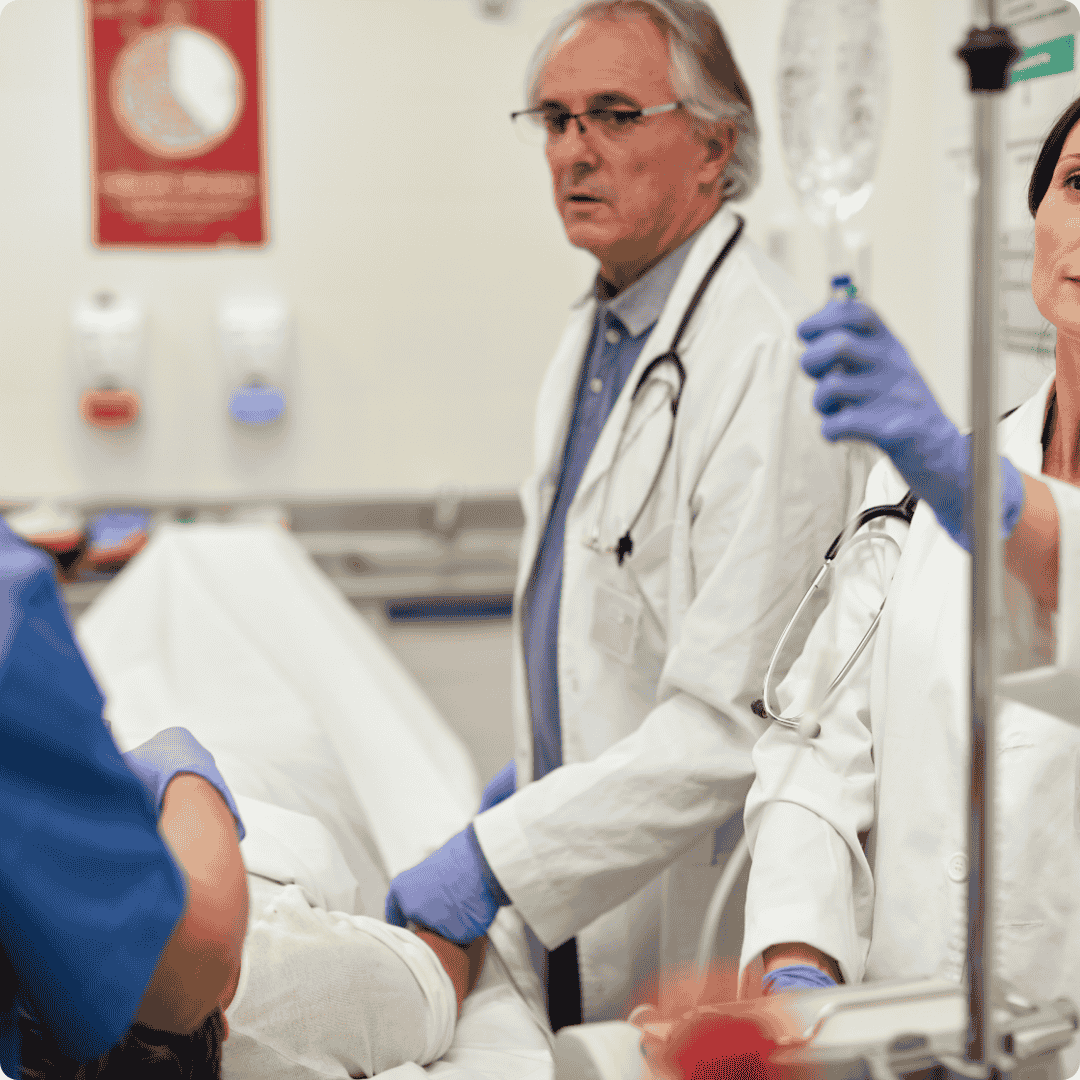
The treatment journey in Japan is meticulously structured to ensure patient comfort and medical precision. The process minimizes downtime while ensuring every safety protocol is strictly followed. It typically involves an initial remote screening, followed by two separate visits to Japan.

Step 1: Remote Consultation & Screening
Initial Assessment and Eligibility Confirmation
Before traveling, patients submit their comprehensive medical records, current medication lists, and recent MRI/CT brain scans. A Japanese specialist thoroughly reviews these documents to confirm candidacy. This crucial initial step ensures that only suitable patients proceed with the therapy.
Step 2: Cell Harvesting (Visit 1)
Harvesting and Initial Processing
For autologous protocols, patients visit Japan for a minimally invasive mini-liposuction procedure. This is performed under local anesthesia and typically takes only 30-60 minutes. The harvested fat tissue, rich in stem cells, is then sent to a specialized Cell Processing Center (CPC).
Step 3: Cultivation & Processing (The Wait)
Expansion and Quality Assurance
During a 3-5 week period, the collected stem cells are expertly expanded in the CPC. They multiply from a few thousand to hundreds of millions (100M-300M cells). Rigorous purity tests are conducted for bacteria, viruses, and endotoxins under strict Good Manufacturing Practice (GMP) standards. This ensures the highest safety and viability of the cells.
Step 4: Administration (Visit 2)
Re-infusion of Cultured Cells
The patient returns for the stem cell therapy administration. The most common method is intravenous (IV) drip, a systemic approach where high doses of cells safely cross the blood-brain barrier. Intrathecal injection into the spinal canal can also deliver cells directly into the cerebrospinal fluid, offering a more direct route.

Frequently Asked Questions About Stroke Stem Cell Therapy in Japan

1. Is stem cell therapy for stroke legal in Japan?+

Yes, absolutely. Stem cell therapy for stroke is fully legal and rigorously regulated in Japan under the Act on the Safety of Regenerative Medicine, enacted in 2014. This legislation mandates that all clinics offering such treatments must hold a valid license. Additionally, their specific treatment protocols must receive explicit approval from the Ministry of Health, Labour and Welfare (MHLW). This strict oversight ensures a high standard of patient safety and ethical practice within the country’s regenerative medicine sector.

2. Can foreign patients access stroke stem cell treatment in Japan?+

Yes, foreign patients are welcomed and regularly treated in Japan’s leading clinics. Many top medical facilities, particularly in major cities like Tokyo and Osaka, specialize in catering to international patients. They often provide comprehensive support, including medical interpretation and concierge services. Depending on your country of origin and the anticipated duration of your stay for treatment and recovery, you may require a Medical Visa. The clinic can usually assist you with the necessary documentation and arrangements for this visa.

3. How many stem cells are typically injected for stroke patients?+

Japanese protocols for stroke stem cell therapy generally involve high doses of Mesenchymal Stem Cells (MSCs). The typical range for injection is between 100 million and 300 million cells. The precise dosage administered is carefully determined by the medical team based on several individual factors. These factors include the patient’s body weight, the specific severity of their stroke condition, and the unique characteristics of their case. Higher cell counts are often associated with more intensive regenerative efforts.

4. Does health insurance typically cover stem cell therapy in Japan?+

For international patients, stem cell therapy in Japan is generally considered an out-of-pocket expense. Most standard health insurance plans, whether domestic or international, do not typically cover these advanced regenerative treatments. Some specialized international health insurance plans may include “medical tourism” riders that could cover a portion of the costs, but this is quite rare. Patients should thoroughly check their specific policy details and be prepared to cover the treatment expenses independently.

5. How long is the typical stay required in Japan for this treatment?+

The required stay in Japan depends on the type of stem cell treatment. For autologous protocols, which use your own cells, two visits are usually necessary. The first visit, lasting approximately 3-5 days, is for cell harvesting via mini-liposuction. The cells are then cultured over about four weeks. You would return for a second visit, also typically 3-5 days, for the cell infusion. If allogeneic (donor) cells are used, the entire process can often be completed in a single visit of 3-5 days, as no harvesting procedure is required from the patient.

6. Is the stroke stem cell treatment procedure painful?+

The stem cell infusion itself is generally painless, comparable to receiving a standard intravenous (IV) drip. If you undergo liposuction for autologous cell harvesting, you might experience some mild soreness or discomfort in the abdominal area for a few days afterward. This sensation is often described as similar to a bruise or post-exercise muscle tenderness. Local anesthesia is used during the harvesting procedure to minimize any discomfort during the process.

7. Why is treatment in Japan generally more expensive than in Mexico or Turkey?+

The higher cost of stem cell therapy in Japan primarily reflects its adherence to First World regulatory standards and exceptional quality control. Japan mandates rigorous safety testing, including comprehensive virus panels and genetic stability checks, which are more extensive than in many other countries. These stringent requirements, along with the higher operational costs of GMP-certified laboratories and the general cost of living in Japan, contribute to the premium pricing. This ensures a level of safety, purity, and scientific backing that differentiates it from more budget-friendly options.

8. What kind of support is included in Japanese medical tourism packages?+

Japanese medical tourism packages are renowned for their “Omotenashi,” or wholehearted hospitality, designed to make the patient experience stress-free. Standard inclusions often feature medical visa assistance, professional medical interpretation by certified experts, and private airport transfers. Patients also benefit from dedicated concierge services that assist with booking local hotels, arranging ground transportation, and navigating the city. Premium add-ons can include integrated rehabilitation programs with neuro-rehab centers, tailored sightseeing tours, and luxury accommodation at partner 5-star hotels.

Ready to Take the Next Step Towards Recovery?

Choosing the right destination for your medical care is significant. By opting for treatment abroad, you are not just saving on costs—you are gaining access to specialized clinicians and world-class care.

Get Your Free Quote Now

Related Resources

Medical Disclaimer: This article is for informational and educational purposes only and does not constitute medical advice, diagnosis, or treatment recommendations. The information provided is thoroughly researched but should not replace a consultation with a qualified healthcare professional. No guaranteed outcomes are promised. Always seek the advice of your physician or other qualified health provider with any questions you may have regarding a medical condition.

Picture of About Author: Hina Munawar

About Author: Hina Munawar

As the Editor of Global Stem Cell Therapy, I provide trusted, research-based information on stem cell treatments worldwide. With over a decade of experience in medical tourism, I guide patients toward safe, effective, and affordable therapies.

Related Articles

Comprehensive guide for French patients seeking total knee arthroplasty with stem cell treatment in Greece. Learn about benefits, EU standards, costs, recovery, and travel logistics.
Discover the ultimate guide to Stem Cell Therapy for Heart Failure in Japan. Explore costs ($15k–$45k), unique regulatory safety, top clinics in Tokyo & Osaka, and advanced procedures like HeartSheet, compared to global options.
Explore comprehensive details on Stem Cell Therapy for Cerebral Palsy in Japan. Discover 2025 costs ($20k-$40k), safety regulations (PMD Act), success rates (60-70% improvement), and how Japan compares to Turkey and Mexico for medical tourism.
GSC Logo X
send