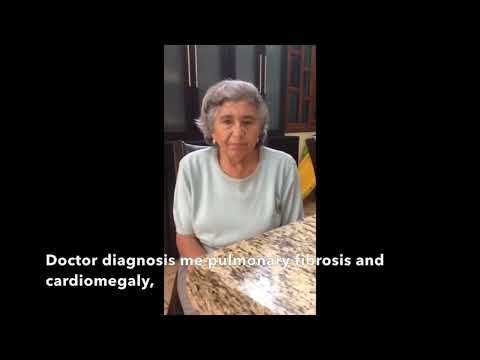
A 72-year-old woman explains why she first went to Immunotherapy Regenerative Medicine (IRM) in Puerto Vallarta: she wanted younger-looking skin. In this short testimonial she describes the facial injections she received about two years earlier, and the changes she says followed in her eyesight, her leg pain and her energy, along with the story of the friend who travelled with her.
Why She Went in the First Place
Her reason was simple and cosmetic. She had seen on television that stem cells were being used to refresh the skin and face, and about two years before the video she had facial injections with Dr. Romero at IRM. Friends and family, she says, began telling her that her skin looked better.
What makes her account unusual is everything else she describes. She says she had never seen a doctor about her eyes or her leg pain, because she assumed both were a normal part of getting older. She was only thinking about her skin and a tooth.
“Somehow just know what to do and fix them.”
Her description of the stem cells · 1:37
The Changes She Describes
Reading vision
About three months after starting treatment, she noticed she no longer reached for her reading glasses. She had kept pairs in every room and pinned to her clothes, and describes them as strong, level-three glasses. She now leaves them in her purse and reads menus and her phone without them.
Leg pain
She had what she calls sciatic problems. Getting up from the floor after playing with her grandchildren meant rolling to a couch or chair first. She says she can now stand up without that effort and without the pain.
Her friend
The friend who came with her had heart and lung problems, was recovering from a stroke and had ruptured discs. She says her friend arrived barely able to shuffle a few steps, that a recent scan showed improvement, and that she now plays pickleball.
Putting Her Experience in Context
Her account is warm and sincere, and she credits the treatment with “probably” saving her life. It is still one person’s description, and a few points are worth keeping in mind before reading it as a guide to what stem cells can do.
What the video shows
- Facial injections were the treatment she set out to have.
- She noticed better near vision and less leg pain over the following months.
- She felt cared for by the staff and would recommend the provider.
What it does not show
- Eye examinations or a diagnosis for her vision change.
- Which cells were used, the dose or the number of sessions.
- Medical records for her friend’s heart, lung or spine conditions.
Needing reading glasses after the mid-forties is usually caused by presbyopia, a gradual stiffening of the eye’s lens. Standard care is glasses, contact lenses or surgery, and there is no published evidence that facial stem cell injections reverse it. If your near vision changes, an eye examination is the right first step. Our guide to stem cell therapy for eye disease explains where research on the eye currently stands, and our anti-aging treatment with stem cells page covers how cell-based skin treatments are offered.
IRM has shared several other patient accounts, including Elizabeth, who was treated for lupus, and María Teresa, who describes her care for pulmonary fibrosis and an enlarged heart.
Questions worth asking before facial cell treatment
- ✓Which cells or cell products will be used, and where do they come from?
- ✓Will the injections be local to the face only, or is an IV infusion included?
- ✓What results should I realistically expect for my skin, and over what time?
- ✓How will any other health problem I mention be assessed before treatment?
Frequently Asked Questions
What treatment did she receive?
She describes facial stem cell injections given by Dr. Romero at IRM in Puerto Vallarta. She does not say which cells were used or how many sessions she had.
Can facial stem cell injections improve eyesight?
This has not been shown in research. Her improvement in near vision is her personal observation, and it was not measured by an eye specialist in the video.
Why do people need reading glasses as they age?
The lens inside the eye slowly loses flexibility, a condition called presbyopia. It usually begins in the forties and is corrected with glasses, contact lenses or surgery.
Did she have any tests before or after treatment?
The video does not mention any tests for her eyes or her leg pain. She says she had never seen a doctor about either problem.
How soon did she notice changes?
She says she noticed she no longer needed her reading glasses about three months after starting treatment.
Is stem cell treatment for skin aging approved?
Cell treatments for skin aging are not approved in the United States, and the FDA warns consumers about unapproved regenerative products. Ask the provider how their treatment is regulated where they practise.
Can a companion be treated on the same trip?
Her friend was treated during the same period. Each person needs their own assessment, so ask a patient coordinator to arrange separate evaluations.
Thinking About Treatment in Puerto Vallarta?
A PlacidWay patient coordinator can request IRM’s treatment plan in writing, including the cells used, the number of sessions and what is and is not included, so you can decide with clear information.
Video Transcript Summary
A timestamped summary of what she says in the video. Select a time to watch that moment on YouTube.
References
- PlacidWay. Facial rejuvenation and eyesight patient video and transcript, Immunotherapy Regenerative Medicine, Puerto Vallarta.
- National Eye Institute. Presbyopia.
- MedlinePlus, U.S. National Library of Medicine. Sciatica.
- U.S. Food and Drug Administration. Consumer Alert on Regenerative Medicine Products Including Stem Cells and Exosomes.
Disclaimer. This page describes one patient’s experience and is not medical advice. Changes in vision or ongoing leg pain should be examined by a doctor. Results differ from person to person.