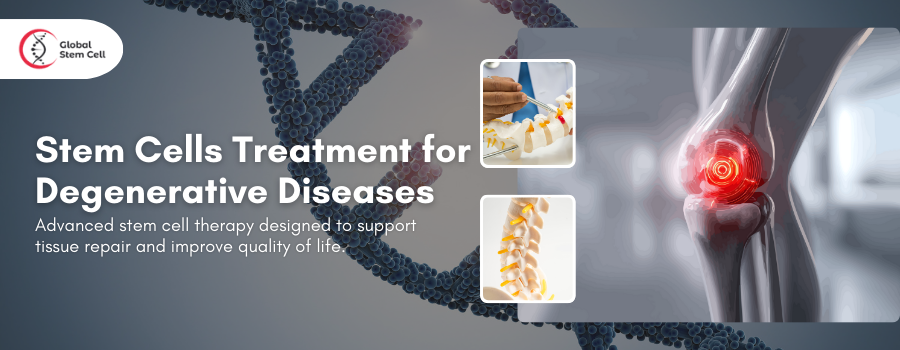
Degenerative diseases represent one of the most significant challenges in modern medicine. Conditions such as Parkinson’s, Alzheimer’s, Osteoarthritis, and Multiple Sclerosis progressively degrade tissues and organ function, often leaving patients with limited options through conventional medicine. However, the landscape of healthcare is shifting dramatically with the advent of regenerative medicine. Stem Cells Treatment for Degenerative Diseases has emerged as a revolutionary therapeutic approach, offering hope not just for symptom management, but for the repair and regeneration of damaged biological systems.
For patients feeling limited by standard pharmaceutical interventions, medical tourism offers a gateway to advanced regenerative protocols available globally. This guide explores the science, procedure, costs, and global destinations for Stem Cells Treatment for Degenerative Diseases, providing a roadmap for those seeking to reclaim their quality of life.
What Is Stem Cells Treatment for Degenerative Diseases?
Stem Cells Treatment for Degenerative Diseases is a cutting-edge field of regenerative medicine designed to repair, replace, and regenerate damaged cells within the body. Unlike traditional treatments that often focus solely on managing symptoms—such as pain killers for arthritis or dopamine replacement for Parkinson’s—stem cell therapy targets the root cause of the degeneration: cellular loss and inflammation.
The Mechanism of Action
To understand Stem Cells Treatment for Degenerative Diseases, one must understand the unique properties of stem cells. These are the body’s raw materials, cells from which all other specialized functions are generated. In the context of therapy, they function through several powerful mechanisms:
- Differentiation: Stem cells have the potential to transform into specific cell types needed by the body, such as neurons, cartilage, or muscle cells.
- Paracrine Effect: Perhaps the most critical function, stem cells release growth factors, cytokines, and exosomes that signal existing cells to repair themselves and stop dying.
- Immunomodulation: They regulate the immune system, reducing the chronic inflammation that drives many degenerative conditions.
- Angiogenesis: The therapy promotes the formation of new blood vessels, improving oxygen and nutrient delivery to damaged tissues.
When a patient undergoes Stem Cells Treatment for Degenerative Diseases, millions of these potent cells are introduced into the body to halt progression and reverse damage in conditions affecting the nervous system, joints, and vital organs.
Who Should Consider Stem Cells Treatment for Degenerative Diseases?
Determining candidacy is a crucial step in the journey toward recovery. The ideal candidates for Stem Cells Treatment for Degenerative Diseases are typically individuals whose conditions are progressive and who have found limited relief from standard medical protocols. While individual suitability is determined by a doctor, this therapy is commonly sought by patients suffering from:
Neurodegenerative Conditions
Patients dealing with disorders of the central nervous system often seek Stem Cells Treatment for Degenerative Diseases. This includes:
- Parkinson’s Disease: Individuals looking to regenerate dopamine-producing neurons.
- Multiple Sclerosis (MS): Patients seeking to repair the myelin sheath and modulate immune attacks.
- Alzheimer’s and Dementia: Those aiming to improve cognitive function and slow neural decay.
- ALS (Amyotrophic Lateral Sclerosis): Patients hoping to slow motor neuron degeneration.
Orthopedic and Musculoskeletal Conditions
Chronic pain sufferers are prime candidates for Stem Cells Treatment for Degenerative Diseases, particularly those with:
- Osteoarthritis: Patients with worn-down cartilage in knees, hips, or shoulders.
- Degenerative Disc Disease: Individuals suffering from chronic back pain due to spinal disc wear.
- Rheumatoid Arthritis: Those needing immune system regulation to stop joint destruction.
Systemic and Organ Degeneration
The therapy is also utilized for:
- COPD and Lung Fibrosis: To regenerate lung tissue and improve breathing capacity.
- Diabetes (Type 1 and 2): To improve pancreatic function and insulin sensitivity.
- Heart Failure: To repair scar tissue following cardiac events.
The ideal candidate is someone who is medically stable enough to travel and undergo the procedure, and who possesses realistic expectations regarding the outcomes of regenerative medicine.
Stem Cells Treatment for Degenerative Diseases Procedure: Step-by-Step
Understanding the clinical workflow helps alleviate anxiety and prepares patients for their medical journey. While protocols may vary slightly depending on the clinic and the specific condition, the general process for Stem Cells Treatment for Degenerative Diseases follows this comprehensive breakdown:
1. Comprehensive Evaluation and Telemedicine Consultation
Before you ever board a plane, the process begins with a detailed medical review. You will submit your medical history, recent MRI or CT scans, and blood work. Specialists will review these documents to ensure Stem Cells Treatment for Degenerative Diseases is safe and potentially effective for your specific case.
2. Preparation and Pre-Treatment Protocols
Upon arrival at the medical facility, you will undergo a physical examination. Some clinics may prescribe a “priming” protocol, which involves specific supplements or dietary changes to prepare your body to accept the cells and maximize their efficacy.
3. Stem Cell Harvesting (Extraction)
Depending on the source of the stem cells, this step varies:
- Adipose (Fat) Tissue: A mini-liposuction is performed under local anesthesia to extract a small amount of fat, which is rich in Mesenchymal Stem Cells (MSCs).
- Bone Marrow: Aspiration is performed from the hip bone (iliac crest) to harvest marrow.
- Umbilical Cord Tissue: For patients preferring allogenic cells (donor cells), this step is skipped as the cells are pre-harvested from ethically screened, healthy donors from live births.
4. Laboratory Processing and Culturing
This is the scientific core of Stem Cells Treatment for Degenerative Diseases. The harvested tissue is processed in a clean-room laboratory. The stem cells are isolated, purified, and often expanded (cultured) to reach therapeutic numbers—often ranging from 50 million to 300 million cells, depending on the treatment plan.
5. Administration and Deployment
The extracted stem cells are reintroduced into your body. The method depends on the disease:
- Intravenous (IV): For systemic conditions like Diabetes, MS, or anti-aging.
- Intrathecal (Lumbar Puncture): Injection into the spinal canal for direct access to the brain (common for Parkinson’s and ALS).
- Intra-articular: Direct injection into joints for arthritis.
- Nebulization: Inhaled stem cells for COPD and lung conditions.
6. Recovery and Post-Treatment Care
Recovery time is minimal. Most patients are discharged the same day. However, the “healing” phase continues for months as the cells work within the body. The clinic will provide a post-treatment protocol including nutrition and rehabilitation advice.
Benefits of Stem Cells Treatment for Degenerative Diseases
The shift toward regenerative medicine is driven by the profound benefits observed in clinical settings. Patients choosing Stem Cells Treatment for Degenerative Diseases often report transformative improvements in their quality of life.
- Regenerative Healing: Unlike drugs that mask pain, stem cells actively work to repair damaged tissues, neurons, and cartilage.
- Significant Pain Relief: By reducing inflammation at the source, patients with arthritis and autoimmune conditions often experience long-term pain reduction.
- Halted Disease Progression: For conditions like MS or Parkinson’s, the primary goal is often to stop the disease from getting worse, preserving current function.
- Non-Invasive Nature: Compared to joint replacement surgeries or organ transplants, Stem Cells Treatment for Degenerative Diseases is minimally invasive with a low risk of complications.
- Improved Functionality: Patients frequently report better mobility, sharper cognition, improved breathing, and increased energy levels.
Risks of Stem Cells Treatment for Degenerative Diseases
Transparency is key in medical tourism. While Stem Cells Treatment for Degenerative Diseases is generally considered safe, especially when using Mesenchymal Stem Cells (MSCs), there are risks involved.
- Infection at Injection Site: As with any injection, there is a minor risk of bacterial infection, which is minimized by sterile clinical environments.
- Immune Reaction: While rare with MSCs (which are immune-privileged), some patients may experience temporary flu-like symptoms as the immune system adjusts.
- Variable Effectiveness: Biology is unique to each individual. Some patients respond miraculously, while others may see only modest improvements.
- Cost and Insurance: In many Western countries, this therapy is not covered by insurance, making the financial aspect a consideration for patients.
Why Travel for Stem Cells Treatment for Degenerative Diseases?
Medical tourism has become the primary avenue for accessing high-dose, cultured Stem Cells Treatment for Degenerative Diseases. In countries like the USA, Canada, and the UK, regulations often restrict the expansion (culturing) of stem cells, limiting treatments to low cell counts. By traveling abroad, patients access clinics that are legally permitted to culture cells to therapeutic dosages (millions vs. thousands).
Top Destinations for Regenerative Medicine
Mexico (Tijuana, Guadalajara, Los Algodones): Mexico is the leading destination for North Americans. Stem cell clinics in Mexico offer state-of-the-art facilities, US-board-certified doctors, and costs that are 50-70% lower than US equivalents.
Thailand (Bangkok, Phuket): Thailand is a global hub for medical tourism. Stem cells treatment in Bangkok combines luxury hospitality with advanced biotechnology labs, making it a top choice for Australian and European patients.
Colombia (Bogota, Medellin): Colombia has rapidly advanced in biotechnology. Medical tourism in Colombia for stem cells offers high-quality umbilical cord treatments at very competitive prices.
Turkey (Istanbul): A bridge between East and West, stem cell therapy clinics in Turkey are renowned for their modern infrastructure and highly skilled medical professionals.
Cost Comparison: Stem Cells Treatment for Degenerative Diseases
The cost of stem cells treatment for degenerative diseases varies significantly based on the country, the number of cells required, and the complexity of the administration.
| Country | Estimated Cost Range (USD) | Notes on Availability |
|---|---|---|
| USA / Canada | $15,000 – $50,000+ | Often limited to non-expanded bone marrow (low cell count). |
| Mexico | $3,500 – $12,000 | Allows expanded cells; high volume treatments available. |
| Thailand | $5,000 – $15,000 | Comprehensive packages including hospital stay. |
| Colombia | $3,000 – $10,000 | Affordable high-quality donor cells available. |
| Turkey | $4,000 – $11,000 | Excellent medical infrastructure and tourism opportunities. |
| Germany | $12,000 – $20,000 | High regulatory standards; often autologous treatments. |
How to Plan for a Stem Cells Treatment for Degenerative Diseases Medical Tourism Trip
Embarking on a medical journey abroad requires careful planning. Here is a checklist to ensure a smooth experience for your Stem Cells Treatment for Degenerative Diseases.
- Research and Verification: Look for clinics with international accreditation. Read patient testimonials regarding Stem Cells Treatment for Degenerative Diseases outcomes.
- Consultation: Schedule a video call with the doctor. Ask specifically about the source of cells (cord tissue vs. bone marrow) and the cell count guarantee.
- Medical Records: Ensure your local medical records, MRIs, and blood tests are translated (if necessary) and sent to the international clinic.
- Travel Logistics: Check visa requirements for the destination country. Book flights that allow flexibility in case recovery takes a day longer than expected.
- Accommodation: Choose a hotel near the clinic or ask if the clinic provides recovery suites.
- Companion: It is highly recommended to travel with a companion, especially for neurological or orthopedic conditions where mobility might be limited.
- Post-Treatment Plan: Ask the clinic for a written discharge plan to share with your local physician upon returning home.
Frequently Asked Questions
How long does it take to see results from Stem Cells Treatment for Degenerative Diseases?
Response times vary. Some patients feel an immediate reduction in inflammation within days, while tissue regeneration and neurological improvements typically manifest between 3 to 6 months post-treatment.
Is Stem Cells Treatment for Degenerative Diseases painful?
The procedure is generally minimally invasive. Joint injections and IVs cause minimal discomfort. Bone marrow harvesting involves more discomfort but is performed under anesthesia to manage pain.
Can I combine Stem Cells Treatment for Degenerative Diseases with other therapies?
Yes, many clinics combine stem cells with exosomes, hyperbaric oxygen therapy, and physical therapy to enhance the regenerative effects.
Are the results of Stem Cells Treatment for Degenerative Diseases permanent?
While stem cells can effect long-term repair, degenerative diseases are often chronic. Many patients choose to return for “booster” treatments every 1 to 3 years to maintain optimal results.
Why is Stem Cells Treatment for Degenerative Diseases cheaper abroad?
Lower costs abroad are due to lower overhead expenses, favorable currency exchange rates, and different insurance/legal landscapes, not a lack of quality. In fact, the technology abroad is often superior due to more permissive research regulations.
Get Started with Stem Cells Treatment for Degenerative Diseases Today
Don’t let degenerative conditions limit your life. Explore the world’s best options for regenerative medicine. Contact us for a personalized consultation, access to top-rated specialists, and affordable pricing options for your Stem Cells Treatment for Degenerative Diseases.