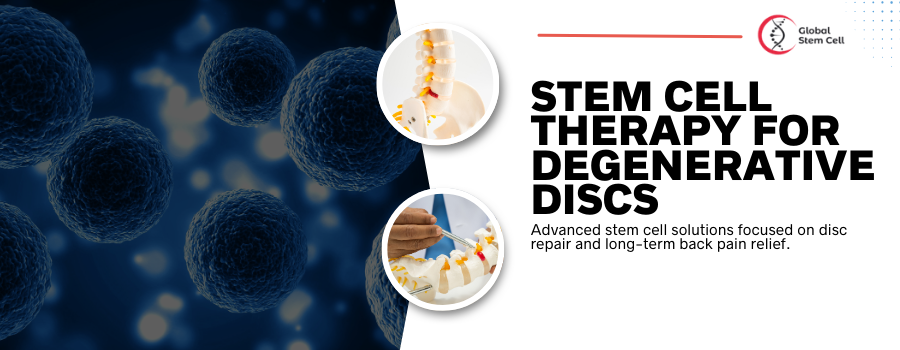
Chronic back pain is a silent epidemic affecting millions of people worldwide, often stemming from the breakdown of the intervertebral discs that act as cushions between the vertebrae. Traditionally, patients suffering from this condition were faced with a grim choice: manage the pain with long-term medication or undergo invasive surgical procedures like spinal fusion or disc replacement. However, the landscape of orthopedic medicine is shifting rapidly. Stem Cell Therapy for Degenerative Discs has emerged as a revolutionary regenerative solution, offering a beacon of hope for those seeking to repair the root cause of their pain rather than merely masking the symptoms.
This comprehensive guide explores the intricate details of Stem Cell Therapy for Degenerative Discs, a procedure that harnesses the body’s natural healing mechanisms to restore spinal health. As medical tourism gains popularity, patients are increasingly looking beyond their borders to find affordable, high-quality regenerative care. From understanding the biological mechanisms to analyzing costs in top medical destinations like Mexico, Colombia, and Thailand, this article covers everything you need to know about embarking on a journey toward a pain-free life.
Revolutionizing Spinal Care What Is Stem Cell Therapy for Degenerative Discs?
Stem Cell Therapy for Degenerative Discs is a cutting-edge regenerative medicine treatment designed to repair damaged spinal discs, reduce inflammation, and alleviate chronic back pain without the need for major surgery. To understand this therapy, one must first understand the condition it treats. Degenerative Disc Disease (DDD) occurs when the soft, compressible discs between the vertebrae begin to dry out, shrink, or crack. This leads to a loss of cushioning, nerve compression, and debilitating pain.
Conventional treatments often focus on structural stabilization (surgery) or symptom management (painkillers). In contrast, Stem Cell Therapy for Degenerative Discs focuses on biological restoration. The procedure involves the administration of Mesenchymal Stem Cells (MSCs) directly into the affected disc or the surrounding spinal structures. These stem cells are unique because they have the potential to differentiate into various types of tissues, including cartilage and fibrous tissue found in spinal discs.
The Science Behind the Healing
When Stem Cell Therapy for Degenerative Discs is performed, the introduced cells initiate a “paracrine effect.” This means they release growth factors and anti-inflammatory proteins that signal existing cells to begin the repair process. The therapy aims to:
- Rehydrate the Disc: By regenerating the nucleus pulposus (the inner gel-like center of the disc), the therapy helps restore disc height and hydration.
- Repair Tears: Stem cells can help mend fissures in the annulus fibrosus (the tough outer layer of the disc).
- Modulate Inflammation: Chronic inflammation is a major source of pain in DDD. Stem cells possess potent anti-inflammatory properties that calm the irritated nerve roots.
Who Is the Ideal Candidate for Stem Cell Therapy for Degenerative Discs?
Not every patient with back pain is automatically eligible for regenerative medicine. Identifying the right candidate is crucial for the success of Stem Cell Therapy for Degenerative Discs. Generally, this treatment is most effective for individuals in the early to moderate stages of disc degeneration who wish to avoid the extensive recovery time and risks associated with spinal fusion surgery.
You may be an ideal candidate for Stem Cell Therapy for Degenerative Discs if you meet the following criteria:
- Confirmed Diagnosis: You have a confirmed diagnosis of Degenerative Disc Disease via MRI or X-ray imaging, showing loss of disc height or hydration.
- Chronic Pain: You have experienced persistent back or neck pain for more than three to six months that interferes with daily activities.
- Failed Conservative Treatment: You have tried physical therapy, chiropractic care, NSAIDs, or epidural steroid injections with little to no lasting relief.
- Desire to Avoid Surgery: You are looking for a minimally invasive alternative to surgery and want to preserve natural spinal mechanics.
- Disc Integrity: While the disc is degenerated, it is not completely collapsed (bone-on-bone), which usually requires surgical intervention.
Conversely, patients with active infections, cancer, or severe spinal instability may not be suitable for this procedure. A thorough evaluation by a regenerative medicine specialist is required to determine eligibility.
Stem Cell Therapy for Degenerative Discs Procedure Step-by-Step Breakdown
Understanding the patient journey can help alleviate anxiety regarding the treatment. The protocol for Stem Cell Therapy for Degenerative Discs is typically performed on an outpatient basis, meaning no overnight hospital stay is required. Below is a detailed breakdown of the procedure.
1. Comprehensive Consultation and Imaging
The journey begins with a detailed medical assessment. The physician will review your medical history, physical limitations, and most importantly, your imaging studies (MRI). This step ensures that Stem Cell Therapy for Degenerative Discs is the correct approach for your specific spinal anatomy.
2. Stem Cell Harvesting
Depending on the specific protocol and the regulations of the country where you receive treatment, stem cells are harvested from one of two primary sources:
- Bone Marrow Aspiration: The doctor numbs the back of the hip and extracts bone marrow, which is rich in stem cells and growth factors.
- Adipose (Fat) Tissue Extraction: A mini-liposuction is performed to harvest fat tissue, which contains a high concentration of Mesenchymal Stem Cells.
- Allogeneic Cells: In some international destinations, clinics utilize umbilical cord tissue-derived stem cells from healthy, screened donors. These do not require harvesting from the patient.
3. Cell Processing and Concentration
Once harvested, the biological material is processed in a laboratory. Using a centrifuge, the sample is spun at high speeds to separate the stem cells and platelets from other blood or fat components. This creates a concentrated injectable solution often referred to as Bone Marrow Concentrate (BMC) or Stromal Vascular Fraction (SVF).
4. Precision Injection/Administration
This is the most critical step of Stem Cell Therapy for Degenerative Discs. The patient is sedated or given local anesthesia. Using Fluoroscopy (live X-ray guidance) or Ultrasound, the physician guides a needle with extreme precision into the center of the damaged disc. The concentrated stem cells are injected directly into the nucleus pulposus and potentially the surrounding facet joints and ligaments to stabilize the entire spinal segment.
5. Recovery and Post-Procedure Care
The actual injection process typically takes less than an hour. After a brief observation period to ensure there are no immediate adverse reactions, the patient is discharged. Recovery is significantly faster than surgery, with most patients returning to light daily activities within a few days.
Benefits of Stem Cell Therapy for Degenerative Discs
The shift toward regenerative medicine is driven by the substantial benefits it offers over traditional orthopedic surgery. Stem Cell Therapy for Degenerative Discs provides a holistic approach to healing.
- Natural Tissue Regeneration: Unlike metal implants or fusion, stem cells encourage the body to repair its own tissue, potentially restoring disc height and hydration.
- Minimally Invasive: The procedure involves only needle injections, resulting in minimal scarring, lower risk of surgical complications, and less trauma to surrounding muscles.
- Pain Relief and Function: Many patients report significant reductions in pain scores and improvements in mobility, allowing them to return to hobbies and work.
- Short Recovery Time: While a spinal fusion may require months of rehabilitation, stem cell patients often resume normal activities within weeks.
- Avoidance of General Anesthesia: The procedure can often be done with local anesthesia and mild sedation, reducing risks associated with deep sedation.
Risks of Stem Cell Therapy for Degenerative Discs
While considered safe, Stem Cell Therapy for Degenerative Discs is a medical procedure and carries inherent risks that patients must be aware of.
- Infection: Although rare, there is a risk of infection at the injection site or within the disc (discitis). Strict sterile techniques mitigate this risk.
- Temporary Increased Pain: Some patients experience a “flare-up” or increased soreness at the injection site for a few days post-procedure as the healing process initiates.
- Variable Results: Regenerative medicine is not a “magic bullet.” Results vary based on the patient’s age, severity of degeneration, and overall health. Not everyone responds equally to the therapy.
- Nerve Injury: Though highly unlikely with image guidance, there is a remote risk of nerve irritation during needle placement.
Why Travel for Stem Cell Therapy for Degenerative Discs?
Medical tourism for regenerative medicine has exploded in popularity. Patients from North America and Europe often travel abroad for Stem Cell Therapy for Degenerative Discs for two primary reasons: Cost and Access to Advanced Protocols.
In countries like the United States, regulations on stem cell manipulation are strict. Clinics are often limited to using “minimally manipulated” autologous cells, which may yield lower cell counts. However, in top medical tourism destinations like Mexico, Colombia, Panama, and Thailand, laboratories are permitted to culture and expand stem cells. This allows for the administration of significantly higher cell counts (in the millions), potentially increasing the efficacy of the treatment for severe degenerative conditions.
Furthermore, the cost of healthcare in these destinations is significantly lower due to lower overheads and cost of living, without compromising on the quality of medical technology or physician expertise. Many international clinics are accredited and run by US-board-certified doctors.
Global Cost Comparison for Stem Cell Therapy for Degenerative Discs
The following table provides an estimated cost range for this procedure in various popular medical tourism destinations compared to Western prices.
| Country | Average Cost Range (USD) | Procedure Notes |
|---|---|---|
| United States | $6,000 – $15,000+ | Strict regulations; mostly unexpanded bone marrow treatments. |
| Mexico | $3,500 – $8,000 | Popular for cell expansion protocols; close proximity to US. |
| Colombia | $3,000 – $7,000 | High-quality biotech labs; renowned for service quality. |
| Thailand | $4,000 – $9,000 | World-class hospitals combining therapy with luxury recovery. |
| Turkey | $3,500 – $7,500 | Hub for European patients; advanced orthopedic clinics. |
| Germany | $9,000 – $14,000 | Premium healthcare standards; advanced autologous therapies. |
How to Plan for a Stem Cell Therapy for Degenerative Discs Medical Tourism Trip
Traveling abroad for medical care requires careful planning to ensure a smooth and safe experience. Here is a checklist to guide you through the process of arranging Stem Cell Therapy for Degenerative Discs internationally.
- Research and Verify Clinics: Look for clinics with international accreditations (JCI, ISO). Read patient testimonials specifically regarding Stem Cell Therapy for Degenerative Discs to gauge satisfaction levels.
- Consultation with Local & Foreign Doctors: Speak with your local physician about your intent to travel. Then, schedule a video consultation with the international specialist to discuss your MRI results and treatment plan.
- Understand the Cell Type: Ask the clinic specifically what type of cells will be used (Bone Marrow, Adipose, or Umbilical Cord) and if they are expanded. Understanding the protocol is vital.
- Travel Logistics: Book flights that allow for comfortable seating, as you may be stiff after the procedure. Arrange for ground transportation that accommodates reduced mobility.
- Accommodation Planning: Choose a hotel near the clinic. Many clinics offer packages that include recovery accommodation. Ensure the hotel has elevator access and ergonomic furniture.
- Post-Treatment Care Plan: obtain a detailed discharge summary and rehabilitation protocol from the treating doctor to share with your physical therapist back home.
Frequently Asked Questions About Stem Cell Therapy for Degenerative Discs
How long does it take to see results from Stem Cell Therapy for Degenerative Discs?
Regeneration is a biological process that takes time. While some patients report pain relief within a few weeks due to anti-inflammatory effects, structural repair and significant pain reduction typically occur between 3 to 6 months after the procedure.
Is Stem Cell Therapy for Degenerative Discs painful?
The procedure is generally well-tolerated. Patients are given local anesthesia and often mild sedation. You may feel some pressure during the injection and soreness at the site for a few days afterward, but it is far less painful than surgical recovery.
Can I fly home immediately after the procedure?
Most doctors recommend staying in the destination country for 2 to 3 days after Stem Cell Therapy for Degenerative Discs for observation. Long-haul flights immediately after spinal injections can be uncomfortable, so a short rest period is advised.
How many treatments are needed?
For many patients, a single treatment session involving injections into the affected discs is sufficient. However, depending on the severity of the degeneration, some protocols may recommend a booster treatment or supportive therapies like PRP (Platelet-Rich Plasma) injections.
Is Stem Cell Therapy for Degenerative Discs covered by insurance?
In most Western countries, stem cell therapy for orthopedic conditions is considered elective or experimental and is not covered by standard insurance. This is a primary driver for patients seeking more affordable options through medical tourism.
Get Started with Stem Cell Therapy for Degenerative Discs Today
Don’t let chronic back pain control your life any longer. Explore the possibilities of regenerative medicine. Contact us for a personalized consultation, clinic comparisons, and affordable pricing options for your Stem Cell Therapy for Degenerative Discs treatment. Start your journey toward a pain-free future with PlacidWay.