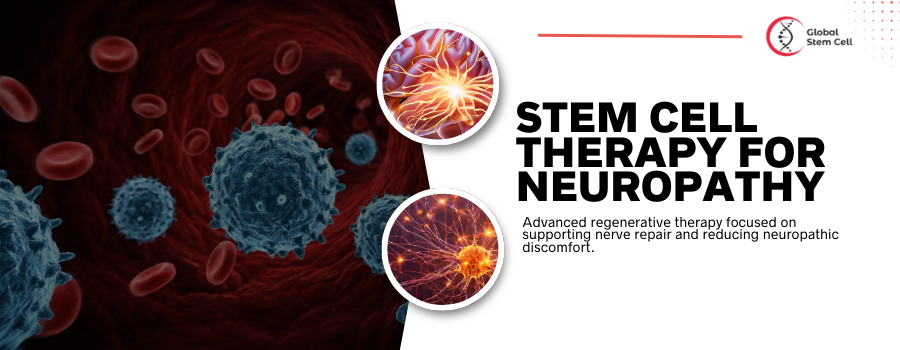
Neuropathy is a debilitating condition that affects millions of people worldwide, characterizing itself through pain, tingling, numbness, and muscle weakness resulting from damaged nerves. For decades, traditional medicine has focused primarily on symptom management—masking the pain with medications rather than addressing the root cause. However, a paradigm shift is occurring in modern healthcare. Stem Cell Therapy for Neuropathy represents a breakthrough approach, shifting the focus from merely managing symptoms to actively repairing the underlying damage.
This comprehensive guide explores the transformative potential of stem cell therapy and regenerative techniques. We will delve into the science behind the procedure, the recovery process, and why thousands of patients are engaging in medical tourism to access affordable and advanced Stem Cell Therapy for Neuropathy abroad.
What Is Stem Cell Therapy for Neuropathy?
Stem Cell Therapy for Neuropathy is an advanced therapeutic protocol designed to harness the body’s natural healing mechanisms to repair damaged nerve tissues. Unlike conventional treatments that rely on opioids, anticonvulsants, or antidepressants to dull pain receptors, this therapy utilizes the potent regenerative capabilities of stem cells and growth factors.
The core of this treatment involves the administration of mesenchymal stem cells (MSCs). These cells are “undifferentiated,” meaning they have the unique ability to transform into various types of cells needed by the body. When applied to neuropathy, these cells work through three primary mechanisms:
- Angiogenesis: The formation of new blood vessels, which improves blood flow to damaged nerves, providing them with the oxygen and nutrients required for repair.
- Immunomodulation: Regulating the immune system to reduce the chronic inflammation that often causes or exacerbates nerve damage.
- Neuroprotection and Regeneration: Rebuilding the myelin sheath (the protective covering of nerves) and stimulating the growth of new nerve fibers.
Stem Cell Therapy for Neuropathy is versatile and can be used to treat various forms of the condition, including diabetic neuropathy, chemotherapy-induced peripheral neuropathy, and idiopathic neuropathy.
Who Should Consider Stem Cell Therapy for Neuropathy?
Determining candidacy is a crucial step in the treatment process. While Stem Cell Therapy for Neuropathy offers hope to many, it is most effective for individuals fitting specific medical profiles. The ideal candidates are those who seek to address the root cause of their nerve damage rather than relying on lifelong medication.
Primary Candidates Include:
- Patients with Diabetic Neuropathy: Individuals suffering from nerve damage due to prolonged high blood sugar levels are among the most common recipients. This therapy helps repair the microvascular damage associated with diabetes.
- Chemotherapy Patients: Cancer survivors often experience peripheral neuropathy as a side effect of aggressive chemotherapy. Stem Cell Therapy for Neuropathy can help reverse this toxicity-induced damage.
- Non-Responders to Medication: Patients who have tried Gabapentin, Lyrica, or pain management injections with little to no success.
- Individuals with Autoimmune Conditions: Conditions like Lupus or Rheumatoid Arthritis can attack nerve fibers. The immunomodulatory effects of stem cells make them ideal candidates.
- Trauma Victims: Individuals who have suffered physical injuries leading to nerve compression or severing may benefit from the regenerative boost.
However, it is important to note that patients with active cancer or severe, uncontrolled infections may need to wait before undergoing Stem Cell Therapy for Neuropathy.
Stem Cell Therapy for Neuropathy Procedure: Step-by-Step
Understanding the procedure breakdown helps alleviate anxiety and prepares patients for their medical tourism journey. The protocol for Stem Cell Therapy for Neuropathy is generally minimally invasive and performed on an outpatient basis.
Step 1: Comprehensive Medical Evaluation
Before traveling, or upon arrival at the clinic, a thorough review of medical history is conducted. This includes blood work, nerve conduction studies, and imaging to map the extent of the neuropathy. This ensures that Stem Cell Therapy for Neuropathy is the right path for the patient.
Step 2: Stem Cell Harvesting (If Autologous)
If the patient is using their own stem cells (autologous therapy), the physician will extract them. There are two common methods:
- Adipose Tissue Extraction: A mini-liposuction is performed, usually on the abdomen, to harvest fat tissue, which is rich in mesenchymal stem cells.
- Bone Marrow Aspiration: Bone marrow is drawn from the hip bone (iliac crest) under local anesthesia.
Note: Many international clinics also offer Allogeneic stem cells (from umbilical cord tissue), which skips the harvesting step entirely.
Step 3: Laboratory Processing
The harvested tissue is processed in a sterile laboratory. Centrifugation is used to separate the stem cells and growth factors from other fluids. This concentrates the regenerative cells to ensure a high potency dose for the Stem Cell Therapy for Neuropathy procedure.
Step 4: Administration and Deployment
Once the cells are prepared, they are introduced into the patient’s body. The method of administration depends on the location and severity of the neuropathy:
- Intravenous (IV) Infusion: Delivers stem cells systemically to address widespread inflammation and nerve damage.
- Local Injections: Targeted injections near the affected nerves (e.g., feet or hands) to deliver a high concentration of cells directly to the injury site.
- Intrathecal Injection: In rare cases, injection into the spinal canal may be used for central nervous system involvement.
Step 5: Recovery and Observation
The patient is monitored for a few hours to ensure there are no immediate adverse reactions. Because Stem Cell Therapy for Neuropathy is non-surgical, most patients walk out of the clinic the same day.
Benefits of Stem Cell Therapy for Neuropathy
The potential advantages of this therapy extend far beyond simple pain relief. By targeting the cellular level of the injury, Stem Cell Therapy for Neuropathy offers holistic improvements to quality of life.
- Nerve Regeneration: The primary benefit is the potential regrowth of nerve fibers and the repair of the myelin sheath, restoring proper signal transmission.
- Angiogenesis (New Blood Vessels): Improved circulation to the extremities helps combat the “cold feet” and numbness associated with neuropathy.
- Reduction in Medication Dependency: Many patients are able to significantly lower or eliminate their use of opioids and nerve blockers, reducing the risk of addiction and side effects.
- Improved Sensation and Balance: As nerves heal, patients often regain sensation in their feet, leading to better balance and a reduced risk of falls.
- Anti-Inflammatory Action: The therapy reduces systemic inflammation, which can improve overall health beyond just the neuropathy symptoms.
- Minimally Invasive: Unlike nerve decompression surgery, Stem Cell Therapy for Neuropathy requires no large incisions and carries a much lower risk of complications.
Risks of Stem Cell Therapy for Neuropathy
While considered safe, especially when compared to invasive surgeries, Stem Cell Therapy for Neuropathy is a medical procedure and carries inherent risks that must be considered.
- Injection Site Reactions: Mild pain, swelling, or bruising at the site where stem cells were harvested or injected.
- Transient Fever or Flu-like Symptoms: Some patients experience a temporary immune response, feeling run-down for 24 hours after the infusion.
- Infection: Although rare, any procedure involving injections carries a slight risk of introducing bacteria. Reputable clinics follow strict sterile protocols to mitigate this.
- Variable Results: The biological response varies from person to person. While many see significant improvement, Stem Cell Therapy for Neuropathy may not completely eliminate symptoms for every patient.
- Cost Considerations: Insurance rarely covers these procedures, making the financial risk a factor for patients.
Why Travel for Stem Cell Therapy for Neuropathy?
Medical tourism has become a primary avenue for accessing stem cell therapies. In countries like the US, Canada, and the UK, regulations often restrict the use of expanded stem cells or specific regenerative protocols. Conversely, international destinations often have advanced regulatory frameworks that allow for more potent, expanded stem cell treatments while maintaining high safety standards.
Patients travel for Stem Cell Therapy for Neuropathy to access:
- Advanced Technology: Clinics in Mexico, Thailand, and Turkey often utilize the latest expansion technologies to provide higher cell counts (millions vs. thousands).
- Experienced Specialists: Doctors in these hubs often perform hundreds of stem cell procedures annually, leading to high expertise.
- Affordability: The cost of Stem Cell Therapy for Neuropathy cost in Mexico or Thailand can be 50-70% lower than comparable experimental treatments in Western nations.
Top Destinations for Neuropathy Treatment
Mexico: Cities like Tijuana, Cancun, and Los Algodones are top choices for North American patients. They offer state-of-the-art facilities and proximity to the US border. Stem Cell Therapy for Neuropathy clinics in Mexico are renowned for their personalized care.
Thailand: Bangkok and Phuket are world leaders in medical tourism. Thailand combines luxury hospitality with JCI-accredited hospitals offering cutting-edge Stem Cell Therapy for Neuropathy in Thailand.
Turkey: Istanbul has emerged as a hub for regenerative medicine, attracting patients from Europe and the Middle East due to its high medical standards and competitive pricing.
Cost Comparison: Stem Cell Therapy for Neuropathy
Understanding the financial landscape is vital. Below is an estimated cost range for the procedure in various regions. Note that prices depend on the number of cells, the source of cells, and the clinic’s amenities.
| Country | Estimated Cost Range (USD) | Notes |
|---|---|---|
| USA / Canada | $15,000 – $35,000+ | Often limited to bone marrow concentrate (lower cell count). Rarely covered by insurance. |
| Mexico | $4,500 – $9,000 | High cell counts (expanded cells). Includes VIP transport and sometimes accommodation. |
| Thailand | $5,000 – $10,000 | Comprehensive packages often available in top-tier international hospitals. |
| Turkey | $4,000 – $8,000 | Competitive pricing for Stem Cell Therapy for Neuropathy clinics in Turkey. |
| Colombia | $3,500 – $7,500 | Emerging destination with high-quality biotechnology centers. |
How to Plan for a Stem Cell Therapy for Neuropathy Medical Tourism Trip
Embarking on a medical journey abroad requires careful planning. Here is a checklist to ensure a smooth experience when seeking Stem Cell Therapy for Neuropathy.
- Research and Validation: Look for clinics that are certified by local health authorities (e.g., COFEPRIS in Mexico). Read patient testimonials specifically regarding Stem Cell Therapy for Neuropathy.
- Virtual Consultation: Request a video call with the doctor. Ask about the source of stem cells (adipose, bone marrow, umbilical) and the cell count guarantee.
- Medical Records: Prepare your recent EMGs, nerve conduction studies, and blood work to send to the international medical team for evaluation.
- Travel Logistics: Ensure your passport is valid. If traveling to Mexico or Thailand, check visa requirements. Book flexible flights in case recovery takes a day longer than expected.
- Pre-Treatment Protocol: Many clinics will ask you to stop anti-inflammatory medications (NSAIDs) or blood thinners a week before the Stem Cell Therapy for Neuropathy procedure.
- Companion Planning: It is highly recommended to travel with a companion who can assist you during the immediate post-treatment period.
Frequently Asked Questions
How long does it take to see results from Stem Cell Therapy for Neuropathy?
Tissue regeneration is a biological process that takes time. While some patients report reduced inflammation within days, significant nerve repair and sensation improvement typically occur between 3 to 6 months after the Stem Cell Therapy for Neuropathy procedure.
Is Stem Cell Therapy for Neuropathy painful?
The procedure is generally well-tolerated. If undergoing liposuction or bone marrow aspiration, local anesthesia is used to minimize discomfort. The IV infusion or local injections are comparable to a standard shot or blood draw.
How many sessions are required?
This depends on the severity of the neuropathy. Some patients achieve their goals with a single high-dose session, while others with progressive conditions may require a follow-up treatment of Stem Cell Therapy for Neuropathy 6 to 12 months later.
Are the results permanent?
Stem cell therapy aims to repair tissue. If the underlying cause of the neuropathy (e.g., uncontrolled diabetes) persists, damage can reoccur. However, with lifestyle management, the benefits of Stem Cell Therapy for Neuropathy can last for years.
Is this safer than surgery?
Yes, Stem Cell Therapy for Neuropathy is significantly less invasive than surgical interventions. It avoids the risks of general anesthesia, surgical scars, and long hospital stays.
Get Started with Stem Cell Therapy for Neuropathy Today
Don’t let neuropathy dictate your life. Explore the possibilities of advanced healing and reclaim your comfort. Contact us for a personalized consultation and affordable pricing options for your stem cell therapy treatment.
Start your journey toward recovery with PlacidWay.