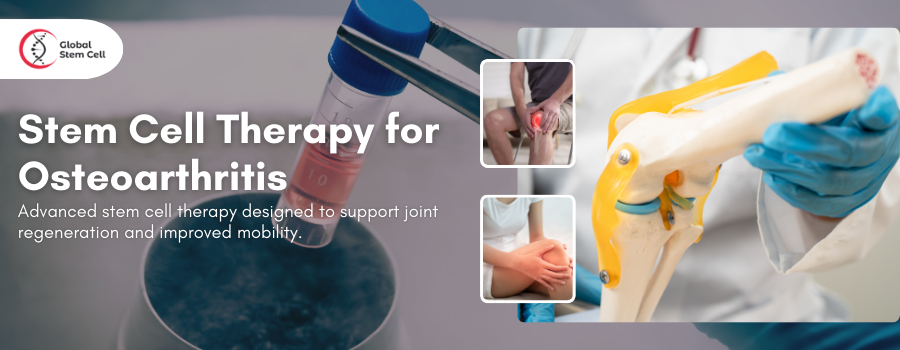
Osteoarthritis (OA) is a degenerative joint disease that affects millions of people worldwide, stripping away cartilage, causing inflammation, and significantly reducing quality of life. For decades, the standard of care has been limited to pain management, physical therapy, and eventually, invasive total joint replacement surgery. However, the landscape of orthopedic medicine is shifting rapidly. Stem Cell Therapy for Osteoarthritis has emerged as a revolutionary alternative, offering the potential not just to manage symptoms, but to regenerate damaged tissues and halt the progression of the disease.
As patients seek alternatives to major surgery and long recovery times, medical tourism for regenerative medicine has skyrocketed. Accessing Stem Cell Therapy for Osteoarthritis in countries like Mexico, Turkey, and Thailand often allows patients to receive higher concentrations of mesenchymal stem cells (MSCs) and advanced protocols that may not yet be widely available or affordable in their home countries. This comprehensive guide explores everything you need to know about this procedure, from the biological mechanisms to the cost benefits of traveling abroad.
What Is Stem Cell Therapy for Osteoarthritis?
Stem Cell Therapy for Osteoarthritis is a form of regenerative medicine that utilizes the body’s natural healing mechanisms to repair damaged cartilage, reduce inflammation, and modulate the immune system within the affected joints. Unlike steroid injections that essentially “mask” the pain, stem cell therapy aims to address the root cause of the degeneration.
At the core of this treatment are Mesenchymal Stem Cells (MSCs). These cells are “undifferentiated,” meaning they have the unique ability to transform into various types of tissue cells, including chondrocytes (cartilage cells). When applied to an osteoarthritic joint, such as the knee, hip, or shoulder, these cells perform several critical functions:
- Differentiation: They can develop into new cartilage cells to replace worn-down tissue.
- Paracrine Signaling: They release growth factors and cytokines that signal existing cells to repair themselves and increase blood flow to the injured area.
- Anti-Inflammatory Action: They significantly reduce the chronic inflammation that causes pain and further degradation of the joint.
The procedure typically involves harvesting stem cells from the patient’s own body (autologous) or using donor cells (allogeneic) derived from sources like umbilical cord tissue, which are known for their high potency and youthful vitality.
Who Should Consider Stem Cell Therapy for Osteoarthritis?
Not every patient with joint pain is an automatic candidate for regenerative medicine. Determining if you are the right fit for Stem Cell Therapy for Osteoarthritis is a crucial step in the process. Generally, the procedure is most effective for individuals who are looking to bridge the gap between conservative management (medication) and radical intervention (surgery).
The Ideal Candidate Profile
You may be an ideal candidate for this therapy if:
- Mild to Moderate Osteoarthritis: You have been diagnosed with Kellgren-Lawrence stage 2 or 3 osteoarthritis. While stage 4 (bone-on-bone) patients can find pain relief, the regenerative potential is higher in earlier stages.
- Failed Conservative Treatments: You have tried physical therapy, NSAIDs (painkillers), and cortisone injections with little to no lasting relief.
- Desire to Avoid Surgery: You want to delay or completely avoid total joint replacement surgery due to the risks, long recovery time, or personal preference.
- Active Lifestyle: You are physically active or wish to return to an active lifestyle (golf, hiking, tennis) that might be limited by a prosthetic joint.
- Good General Health: You do not have active infections, untreated blood-borne diseases, or a history of active cancer (as growth factors can theoretically affect cancer cells).
Patients considering Stem Cell Therapy for Osteoarthritis abroad should also be willing to travel and follow a strict post-procedure rehabilitation protocol to ensure the cells have the best environment to engraft and heal.
Stem Cell Therapy for Osteoarthritis Procedure: Step-by-Step
Understanding the technical aspects of the treatment can help alleviate anxiety. While protocols can vary slightly depending on the clinic and the source of the stem cells (Adipose, Bone Marrow, or Umbilical Cord), the general workflow for Stem Cell Therapy for Osteoarthritis follows a systematic approach designed for safety and efficacy.
1. Comprehensive Consultation and Diagnostics
Before you travel, and again upon arrival, you will undergo a thorough medical evaluation. This includes a review of MRI or X-ray imaging to assess the extent of cartilage loss. Blood work is conducted to ensure you are healthy enough for the procedure.
2. Stem Cell Harvesting (If Autologous)
If you are using your own cells, the physician will harvest them from one of two rich sources:
- Adipose (Fat) Tissue: A mini-liposuction is performed, usually on the abdomen or flank, under local anesthesia. Fat tissue is rich in dormant stem cells.
- Bone Marrow Aspiration: Bone marrow is drawn from the iliac crest (hip bone). This contains a mix of stem cells and growth factors.
Note: If you are opting for allogeneic therapy (Umbilical Cord tissue), this step is skipped as the cells are pre-screened, processed, and ready for use.
3. Processing and Concentration
The harvested tissue is processed in a laboratory onsite. Using centrifugation and filtration, the stem cells are separated from fat, blood, and plasma. This results in a concentrated solution of regenerative cells, often referred to as Stromal Vascular Fraction (SVF) or Bone Marrow Concentrate (BMC).
4. Injection and Administration
This is the critical phase of Stem Cell Therapy for Osteoarthritis. The physician cleans the joint area and applies a local anesthetic. Using fluoroscopy (real-time X-ray) or ultrasound guidance to ensure precise placement, the stem cell concentrate is injected directly into the joint capsule (intra-articular) and sometimes into the surrounding ligaments and tendons to strengthen the joint’s support structure.
5. Recovery and Post-Care
The procedure is outpatient and minimally invasive. You will likely rest for a short period at the clinic before returning to your hotel. Most patients can walk immediately, though strenuous activity is restricted for several weeks to allow the cells to settle and begin the repair process.
Benefits of Stem Cell Therapy for Osteoarthritis
Patients choose Stem Cell Therapy for Osteoarthritis because it offers a natural approach to healing that synthetic drugs cannot replicate. The benefits extend beyond simple pain relief.
- Regenerative Healing: Unlike painkillers that mask symptoms, stem cells work to repair the damaged cartilage matrix and improve synovial fluid quality.
- Significant Pain Reduction: The strong anti-inflammatory properties of MSCs can drastically reduce swelling and pain, improving mobility.
- Minimally Invasive: There are no large incisions, no hardware implantation, and no risk of rejecting a metal prosthesis.
- Short Recovery Time: Unlike joint replacement which requires months of rehab, stem cell patients often return to light daily activities within 24 to 48 hours.
- Delayed Surgery: For younger patients, this therapy can delay the need for joint replacement by years or even decades.
Risks of Stem Cell Therapy for Osteoarthritis
While considered safe, especially when compared to major orthopedic surgery, Stem Cell Therapy for Osteoarthritis is a medical procedure and carries inherent risks that must be understood.
- Infection at Injection Site: As with any injection, there is a very small risk of introducing bacteria into the joint. Reputable clinics use sterile, surgical-grade environments to mitigate this.
- Temporary Swelling and Pain: It is common to experience an “inflammatory flare” in the joint for 24-72 hours post-injection as the healing cascade begins.
- Variable Results: Biological treatments rely on the body’s response. Some patients may experience dramatic relief, while others may see only modest improvements.
- Cost Considerations: Insurance rarely covers stem cell therapy, meaning it is an out-of-pocket investment.
Why Travel for Stem Cell Therapy for Osteoarthritis?
Medical tourism has become the primary avenue for accessing high-quality regenerative medicine. But why are patients leaving the US, Canada, and the UK to seek Stem Cell Therapy for Osteoarthritis abroad? The answer lies in regulation, quality, and cost.
Advanced Protocols and Cell Expansion
In countries like the United States, FDA regulations often restrict the manipulation of stem cells. This means cells cannot be “expanded” (grown in a lab to increase their numbers) before injection. However, in destinations like Mexico, Colombia, and the Cayman Islands, regulations allow for the culture-expansion of cells. This allows clinics to administer doses containing hundreds of millions of stem cells, compared to the thousands typically available in restricted markets. Higher cell counts often correlate with better outcomes for large joints like knees and hips.
Top Destinations for Osteoarthritis Treatment
Mexico (Tijuana, Cancun, Guadalajara): Mexico is the leading destination for Americans. Clinics here often partner with US board-certified doctors and offer expanded mesenchymal stem cell treatments at a fraction of US prices. The proximity allows for easy travel.
Turkey (Istanbul): Turkey combines world-class healthcare infrastructure with luxury hospitality. It is a hub for European and Middle Eastern patients seeking affordable Stem Cell Therapy for Osteoarthritis.
Thailand (Bangkok): Known for its exceptional service and internationally accredited hospitals (JCI), Thailand is a pioneer in combining regenerative medicine with holistic wellness and vacation.
Cost Comparison: Stem Cell Therapy for Osteoarthritis
The cost of treatment can vary based on the cell source (adipose vs. umbilical), the number of joints treated, and the cell count. Below is a comparative look at the price range for Stem Cell Therapy for Osteoarthritis.
| Country | Procedure Cost Range (USD) | Notes |
|---|---|---|
| United States | $5,000 – $15,000 | Often non-expanded cells; lower cell count due to regulations. |
| Mexico | $3,500 – $8,500 | Includes expanded cells (high count) and often VIP transport. |
| Turkey | $3,000 – $7,000 | Comprehensive packages often include accommodation. |
| Thailand | $4,500 – $9,000 | High-quality wellness hospitals with full check-ups included. |
| Colombia | $3,000 – $6,500 | Growing hub for biotech and regenerative medicine. |
| Germany | $8,000 – $14,000 | High regulatory standards; cutting-edge orthopedic technology. |
How to Plan for a Stem Cell Therapy for Osteoarthritis Medical Tourism Trip
Traveling for medical care requires logistical precision. Use this checklist to ensure a smooth journey toward joint relief.
- Gather Medical Records: Obtain your most recent X-rays and MRI scans (digital format) of the affected joints. Clinics need these to approve you as a candidate.
- Research Clinics Deeply: Look for accreditation, physician credentials, and specifically verify their laboratory protocols for cell viability and sterility.
- Consultation: Schedule a video consultation with the treating doctor. Ask specifically about “cell counts” and “viability rates.”
- Plan Your Stay: While the procedure is quick, plan to stay in the destination for 3-5 days. This allows for pre-op testing and post-op monitoring before flying.
- Travel Companion: It is highly recommended to travel with a companion, as your mobility may be slightly limited immediately following the injection.
- Post-Op Plan: Ensure you have a plan for physical therapy back home. The success of Stem Cell Therapy for Osteoarthritis relies heavily on proper rehabilitation.
Frequently Asked Questions
How long does it take to see results from Stem Cell Therapy for Osteoarthritis?Most patients begin to notice a reduction in pain and improved function between 4 to 8 weeks after the procedure. However, the regenerative process continues for up to 6 to 12 months as the cells work to repair the tissue.
Is one treatment enough?Many patients achieve long-lasting relief from a single treatment, especially with high-dose expanded cells. However, depending on the severity of the osteoarthritis (e.g., bone-on-bone), a booster treatment may be recommended 12 to 24 months later.
Can I walk after the procedure?Yes, you can walk immediately after the procedure. However, you will be advised to avoid high-impact activities, running, or heavy lifting for several weeks to allow the stem cells to adhere to the cartilage defect.
What is the success rate of Stem Cell Therapy for Osteoarthritis?Clinical data and patient reports suggest a success rate ranging from 75% to 85% in terms of significant pain reduction and functional improvement. Success depends heavily on the patient’s overall health and the quality of the stem cells used.
Is the procedure painful?The procedure is generally well-tolerated. Local anesthesia is used to numb the harvesting and injection sites. Most patients report only mild pressure during the injection and minor soreness afterward.
Get Started with Stem Cell Therapy for Osteoarthritis Today
Are you ready to live without joint pain? Explore the world’s best clinics for regenerative medicine. Contact us for a personalized consultation, access to top-rated specialists, and affordable pricing options for your Stem Cell Therapy for Osteoarthritis treatment.
“`