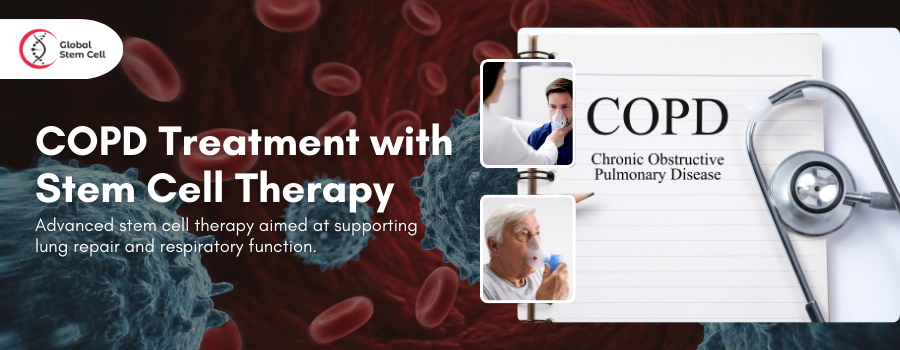
Chronic Obstructive Pulmonary Disease (COPD) is a progressive lung condition that affects millions of lives globally, turning the simple act of breathing into a daily struggle. For decades, traditional medicine has focused on symptom management through inhalers, steroids, and oxygen therapy. However, these treatments often fail to address the underlying tissue damage. This is where COPD Treatment with Stem Cell Therapy is changing the narrative.
As one of the most promising advancements in regenerative medicine, COPD Treatment with Stem Cell Therapy offers patients a chance to repair damaged lung tissue, reduce inflammation, and improve overall lung function. With the rise of medical tourism, patients are increasingly traveling abroad to access affordable, high-quality regenerative care. This guide explores everything you need to know about this revolutionary procedure, from how it works to the top global destinations for treatment.
What Is COPD Treatment with Stem Cell Therapy?
COPD Treatment with Stem Cell Therapy is a cutting-edge regenerative medicine protocol designed to target the root cause of lung degradation. Unlike conventional medications that merely dilate airways or suppress symptoms, stem cell therapy utilizes the body’s own biological mechanisms—or potent donor cells—to promote healing within the pulmonary system.
Understanding the Mechanism of Action
The core of this therapy lies in the unique properties of Mesenchymal Stem Cells (MSCs). These cells are known for their ability to differentiate into various cell types and, more importantly, their potent anti-inflammatory and immunomodulatory effects. When utilized in COPD Treatment with Stem Cell Therapy, the cells work through several pathways:
- Regeneration of Alveoli: COPD destroys the tiny air sacs (alveoli) responsible for gas exchange. Stem cells may help stimulate the repair of these structures, improving oxygen absorption.
- Anti-Inflammatory Response: Chronic inflammation is a hallmark of COPD. Stem cells release cytokines and growth factors that significantly reduce inflammation in the bronchial tubes.
- Angiogenesis: The therapy promotes the formation of new blood vessels, improving circulation within the lung tissue.
- Paracrine Signaling: The introduced stem cells signal the body’s existing dormant cells to wake up and begin the repair process.
The Evolution of Lung Regeneration
Historically, a diagnosis of COPD or emphysema meant a strictly downward trajectory. Today, COPD Treatment with Stem Cell Therapy represents a paradigm shift. By harvesting cells from bone marrow, adipose (fat) tissue, or using umbilical cord tissue, doctors can deliver a concentrated dose of healing potential directly to the lungs, often resulting in improved FEV1 (Forced Expiratory Volume) scores and a better quality of life.
Who Should Consider COPD Treatment with Stem Cell Therapy?
While regenerative medicine is powerful, it is not a “one-size-fits-all” solution. Determining candidacy is a crucial first step. The ideal candidates for COPD Treatment with Stem Cell Therapy generally fall into specific categories based on the severity of their condition and their overall health status.
Criteria for Ideal Candidates
Patients who are most likely to benefit from this procedure typically exhibit the following characteristics:
- Diagnosed Lung Conditions: Individuals with confirmed Chronic Obstructive Pulmonary Disease (COPD), Emphysema, Chronic Bronchitis, or Pulmonary Fibrosis.
- Failure of Standard Care: Patients who have exhausted conventional treatments (inhalers, corticosteroids, rehabilitation) without significant improvement or those who wish to reduce their dependency on supplemental oxygen.
- Non-Smokers: To maximize the efficacy of the stem cells, candidates must be non-smokers or willing to cease smoking immediately. Smoking constricts blood vessels and can kill the newly introduced stem cells.
- Moderate to Severe Stages: While early-stage patients can benefit, those in moderate to severe stages (GOLD Stage II, III, or early IV) often report the most noticeable improvements in daily function.
- Medical Stability: Candidates should be free from active infections, cancer, or uncontrolled cardiovascular diseases that could complicate the procedure.
Exclusion Criteria
It is equally important to know who may not be suitable. Patients with active cancer, severe anemia, or active pulmonary infections may need to address these issues before undergoing COPD Treatment with Stem Cell Therapy.
COPD Treatment with Stem Cell Therapy Procedure: Step-by-Step
Understanding the logistical flow of the treatment can alleviate anxiety and help you prepare. While protocols may vary slightly depending on the clinic and the source of stem cells (Autologous vs. Allogeneic), the general workflow for COPD Treatment with Stem Cell Therapy follows these structured steps:
1. Comprehensive Consultation and Evaluation
Before any treatment begins, a rigorous medical evaluation takes place.
- Medical History Review: Doctors review your pulmonologist’s reports, recent X-rays, and CT scans.
- Spirometry Testing: A baseline lung function test (PFT) is conducted to measure lung capacity and airflow.
- Blood Work: Standard panels to check for infections and organ function ensuring the patient is fit for COPD Treatment with Stem Cell Therapy.
2. Stem Cell Harvesting (If Autologous)
If the patient’s own cells are being used, they must be extracted.
- Adipose Tissue Extraction: A mini-liposuction procedure is performed, usually on the abdomen, under local anesthesia to harvest fat tissue rich in mesenchymal stem cells.
- Bone Marrow Aspiration: Alternatively, bone marrow may be drawn from the hip bone (iliac crest).
- Note: If using Allogeneic (donor) cells from umbilical cord tissue, this step is skipped, and the pre-screened cells are thawed for use.
3. Processing and Activation
The harvested tissue undergoes processing in a laboratory.
- Separation: Stem cells are separated from fat or blood using centrifugation.
- Activation: In some protocols, the cells are “activated” with growth factors to enhance their regenerative capabilities before administration.
- Quality Control: Ensuring the count and viability of cells is high before reintroduction.
4. Administration of Stem Cells
This is the critical phase where the COPD Treatment with Stem Cell Therapy takes place. For lung patients, a dual-delivery method is often preferred:
- Intravenous (IV) Infusion: The primary method. Interestingly, due to the “Pulmonary Trap” effect, the lungs are the first major organ filters the blood encounters. This means a high concentration of stem cells naturally accumulates in the lungs when delivered via IV, which is highly beneficial for COPD patients.
- Nebulization: Stem cells are converted into a fine mist which the patient inhales. This allows the cells to coat the bronchial tubes and reach the alveoli directly.
5. Recovery and Observation
The procedure is minimally invasive and performed on an outpatient basis.
- Immediate Monitoring: Patients are monitored for a few hours to ensure no allergic reactions occur.
- Discharge: Most patients return to their hotel the same day.
- Post-Treatment Protocol: Patients may be given supplements or dietary advice to support cell retention.
Benefits of COPD Treatment with Stem Cell Therapy
The potential improvements from COPD Treatment with Stem Cell Therapy can be life-changing. While individual results vary, the cumulative data from global clinics highlights several key advantages:
- Tissue Regeneration: The primary benefit is the potential repair of damaged lung tissue and alveoli, something traditional medication cannot achieve.
- Anti-Inflammatory Effect: Significant reduction in chronic airway inflammation, leading to easier breathing and less coughing.
- Improved Lung Function: Many patients experience an increase in forced expiratory volume (FEV1) and forced vital capacity (FVC).
- Reduced Oxygen Dependency: A major goal for many is reducing the flow rate or hours required for supplemental oxygen.
- Enhanced Quality of Life: increased energy levels, ability to walk longer distances, and improved sleep quality.
- Immune System Modulation: Strengthening the immune system to fight off respiratory infections that frequently hospitalize COPD patients.
- Non-Invasive Nature: Compared to lung volume reduction surgery or lung transplants, COPD Treatment with Stem Cell Therapy is minimally invasive with little to no downtime.
Risks of COPD Treatment with Stem Cell Therapy
Translucency is vital in medical tourism. While generally considered safe, COPD Treatment with Stem Cell Therapy carries potential risks that must be weighed:
- Injection Site Reactions: Minor pain, bruising, or swelling at the site of liposuction, bone marrow harvest, or IV insertion.
- Immune Reaction: Mild flu-like symptoms (fever, chills) for 24 hours post-treatment as the immune system responds to the new cells.
- Infection: A rare but possible risk whenever the skin barrier is broken. Reputable clinics use sterile, ISO-certified labs to minimize this.
- Variable Efficacy: Not all patients respond equally. Some may see dramatic improvements, while others may experience only stabilization of the disease.
- Embolism: Although extremely rare, improper administration could lead to clotting. This highlights the importance of choosing experienced specialists for COPD Treatment with Stem Cell Therapy.
Why Travel for COPD Treatment with Stem Cell Therapy?
For many patients in the US, Canada, and the UK, accessing advanced regenerative treatments can be difficult due to strict regulatory hurdles or prohibitive costs. Medical tourism opens the door to world-class care.
Access to Advanced Protocols
Countries like Mexico, Colombia, and Thailand have regulations that allow for more expanded stem cell culturing and expansion techniques compared to the US. This allows clinics to administer significantly higher cell counts (often into the hundreds of millions), which is crucial for treating systemic conditions like COPD.
Cost-Effectiveness
The cost of healthcare in popular medical tourism destinations is significantly lower due to lower overheads and cost of living, not a lack of quality. Patients can save up to 70% on COPD Treatment with Stem Cell Therapy while enjoying a recovery in a relaxing environment.
Top Destinations for COPD Stem Cell Treatment
Mexico (Tijuana, Guadalajara, Cancun): The proximity to the US makes Mexico the top choice for North Americans. Clinics here often partner with US biotech firms and offer cutting-edge mesenchymal stem cell protocols.
Colombia (Medellin, Bogota): rapidly becoming a hub for regenerative medicine, offering high-quality care and allogeneic stem cell treatments at competitive prices.
Thailand (Bangkok): Known for combining luxury hospitality with JCI-accredited hospitals, Thailand is a leader in medical tourism in Asia.
Turkey (Istanbul): A gateway between Europe and Asia, Turkey offers advanced medical infrastructure and highly experienced doctors specializing in COPD Treatment with Stem Cell Therapy.
Global Cost Comparison Table
Below is an estimated cost comparison for COPD Treatment with Stem Cell Therapy. Prices vary based on cell count, source (adipose/cord tissue), and hospital amenities.
| Country | Average Cost Range (USD) | Notes on Procedure Availability |
|---|---|---|
| United States | $15,000 – $35,000+ | Often restricted cell counts; FDA regulations limit expansion. |
| Mexico | $4,500 – $12,000 | High cell counts available; excellent proximity for US/Canada patients. |
| Colombia | $4,000 – $10,000 | Growing hub for biotech; high-quality allogeneic options. |
| Thailand | $8,000 – $15,000 | Includes luxury hospital stays; highly regulated and safe. |
| Turkey | $5,000 – $10,000 | Popular for Europeans; state-of-the-art clinics in Istanbul. |
| Cayman Islands | $15,000 – $25,000 | Allows for expanded cells; often US-board certified doctors. |
How to Plan for a COPD Treatment with Stem Cell Therapy Medical Tourism Trip
Embarking on a journey for health requires meticulous planning. Use this checklist to ensure a smooth experience for your COPD Treatment with Stem Cell Therapy.
- Research and Verify: extensive research on clinics. Look for patient testimonials, doctor credentials, and laboratory certifications.
- Medical Records Transfer: Gather your latest pulmonology reports, CT scans (dicom format), and list of current medications to send to the international clinic for review.
- Virtual Consultation: Schedule a video call with the treating doctor to discuss the specific protocol for COPD Treatment with Stem Cell Therapy and expected outcomes.
- Travel Arrangements: Ensure your passport is valid for at least 6 months. Book flights that allow for wheelchair assistance if your COPD limits your mobility.
- Accommodation: Choose a hotel close to the clinic. Many clinics offer packages that include transportation and lodging.
- Pre-Treatment Guidelines: Follow instructions regarding stopping blood thinners or smoking cessation weeks before the trip.
- Travel Companion: It is highly recommended to travel with a companion who can assist you during the recovery period.
Frequently Asked Questions
How long does it take to see results after COPD Treatment with Stem Cell Therapy?
Regeneration is a biological process that takes time. While some patients report feeling “lighter” breathing within days due to the anti-inflammatory effect, substantial tissue repair and functional improvements typically manifest between 3 to 6 months post-treatment.
Is COPD Treatment with Stem Cell Therapy a cure?
Currently, there is no known cure for COPD. COPD Treatment with Stem Cell Therapy is a management and regenerative tool intended to halt progression, repair damage, and improve quality of life, but it does not reverse the disease entirely.
Are the results permanent?
Results are not strictly permanent as aging continues. However, the improvements can last for several years. Many patients opt for “booster” treatments of COPD Treatment with Stem Cell Therapy every 1-2 years to maintain lung function.
Can I fly after the procedure?
Yes, most patients can fly home 1-2 days after the procedure. However, the clinic may recommend a short observation period to ensure stability before air travel.
Is the procedure painful?
The procedure is generally well-tolerated. If liposuction is used, there is mild soreness. The IV and nebulizer portions of COPD Treatment with Stem Cell Therapy are painless.
Why is the cell count important in COPD Treatment with Stem Cell Therapy?
COPD is a systemic and extensive issue affecting large surface areas of the lungs. Higher cell counts (often 100 million+) are generally believed to provide better coverage and more potent anti-inflammatory signals compared to lower doses.
Get Started with COPD Treatment with Stem Cell Therapy Today
Do not let COPD define your limits. Explore the regenerative potential of stem cells and take the first step toward breathing easier and living fuller. Contact us for a personalized consultation, access to top-rated global clinics, and affordable pricing options for your treatment.