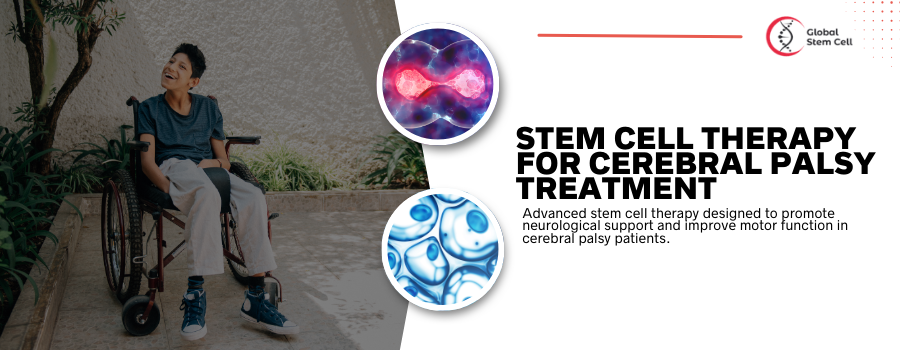
Cerebral Palsy (CP) creates a complex set of challenges for patients and their families, affecting movement, muscle tone, and motor skills. For decades, traditional treatments have focused on symptom management through physical therapy, medication, and surgery. However, the landscape of neurological care is shifting. Stem Cell Therapy for Cerebral Palsy Treatment has emerged as a beacon of hope, offering the potential to repair damaged neural tissues rather than just managing symptoms.
This comprehensive guide explores the science, procedure, benefits, and global opportunities surrounding Stem Cell Therapy for Cerebral Palsy Treatment. Whether you are investigating options for a child or an adult, understanding the mechanisms of regenerative medicine is the first step toward making an informed decision about your health journey.
What Is Stem Cell Therapy for Cerebral Palsy Treatment?
Stem Cell Therapy for Cerebral Palsy Treatment is a cutting-edge regenerative medical procedure designed to repair or replace damaged brain tissue responsible for motor function impairments. Unlike conventional therapies that aim to help the patient adapt to their limitations, this therapy targets the root cause of the disability: the neurological damage sustained by the brain during development, birth, or shortly after.
The Science Behind the Treatment
Cerebral Palsy is caused by injury to the developing brain. This injury results in the loss of neurons and the disruption of neural connections. Stem Cell Therapy for Cerebral Palsy Treatment utilizes the unique ability of stem cells—the body’s “master cells”—to differentiate into various cell types, including nerve cells.
When administered, these cells work through several mechanisms:
- Neuroregeneration: The stem cells can differentiate into neurons and glial cells, potentially replacing damaged tissues.
- Neuroprotection: They release neurotrophic factors (growth factors) that protect existing healthy neurons from further degeneration.
- Anti-Inflammatory Effects: Stem cells modulate the immune system, reducing chronic inflammation in the brain which often hinders natural repair processes.
- Angiogenesis: They promote the formation of new blood vessels, improving oxygen and nutrient supply to the brain tissue.
Types of Stem Cells Used
There are different sources of cells used in Stem Cell Therapy for Cerebral Palsy Treatment, each with specific advantages:
- Mesenchymal Stem Cells (MSCs): Often derived from umbilical cord tissue (Wharton’s Jelly), bone marrow, or adipose (fat) tissue. These are highly valued for their safety profile and potent anti-inflammatory properties.
- Umbilical Cord Blood Stem Cells: Rich in hematopoietic stem cells and MSCs, these are youthful cells with high regenerative potential and a lower risk of rejection.
- Autologous vs. Allogeneic: Autologous treatments use the patient’s own cells (no rejection risk), while allogeneic treatments use donor cells (typically from healthy umbilical cords), which are readily available and often more potent.
Who Should Consider Stem Cell Therapy for Cerebral Palsy Treatment?
While regenerative medicine offers promising possibilities, it is not suitable for every individual. Determining candidacy is a critical step in the process. The ideal candidates for Stem Cell Therapy for Cerebral Palsy Treatment are those who seek improvements in quality of life beyond what standard therapies have achieved.
Primary Criteria for Candidacy
Medical professionals typically evaluate the following factors:
- Diagnosis Confirmation: The patient must have a confirmed diagnosis of Cerebral Palsy. This covers various types, including Spastic, Athetoid (Dyskinetic), Ataxic, and Mixed CP.
- Age Factors: While Stem Cell Therapy for Cerebral Palsy Treatment can be performed on adults, children often show more significant improvements due to the higher plasticity of their developing brains. However, many clinics accept patients from toddlers to adults.
- General Health: The candidate must be in good general health, free from uncontrolled seizures, active infections, or cancer.
- Expectation Management: Families looking for improvement in motor skills, speech, cognitive function, and muscle tone—rather than a “miracle cure”—are the best candidates.
Specific Conditions Addressed
Patients dealing with the following specific symptoms often seek Stem Cell Therapy for Cerebral Palsy Treatment:
- Severe muscle spasticity or stiffness.
- Involuntary movements (dyskinesia).
- Delays in speech and communication development.
- Cognitive delays and difficulty with focus.
- Issues with balance and coordination.
Stem Cell Therapy for Cerebral Palsy Treatment Procedure: Step-by-Step
Understanding the workflow of the treatment helps reduce anxiety and prepares the patient for the journey. The procedure for Stem Cell Therapy for Cerebral Palsy Treatment is generally minimally invasive, but it follows a strict medical protocol to ensure safety and efficacy.
Step 1: Evaluation and Pre-Assessment
Before traveling, patients typically undergo a remote consultation. Medical records, MRI scans, and videos of the patient’s movement are reviewed by specialists. Once approved, the patient travels to the clinic for a physical examination and blood work to ensure they are ready for the procedure.
Step 2: Harvesting or Preparation
Depending on the source of the cells, this step varies:
- Autologous (Patient’s Own): If using bone marrow or fat, a minor surgical procedure is performed under local anesthesia or sedation to extract the tissue. The stem cells are then processed and concentrated in a lab.
- Allogeneic (Donor): If using umbilical cord stem cells, the cells are pre-screened, tested, and prepared in a sterile laboratory environment prior to the patient’s arrival. This eliminates the need for extraction surgery on the patient.
Step 3: Administration of Stem Cells
The core of Stem Cell Therapy for Cerebral Palsy Treatment involves introducing the cells into the body. There are two common methods:
- Intravenous (IV) Infusion: The most common method. Stem cells are administered through a drip into the vein. They travel through the bloodstream and cross the blood-brain barrier to reach damaged areas. This is painless and takes about 45 to 90 minutes.
- Intrathecal Injection (Lumbar Puncture): Stem cells are injected directly into the spinal fluid. This allows the cells to bypass the blood-brain barrier and reach the central nervous system more directly. This is often done under sedation for children.
Step 4: Observation and Adjunct Therapies
After the injection, the patient is monitored for any immediate reactions. Many advanced clinics combine Stem Cell Therapy for Cerebral Palsy Treatment with intensive therapies to maximize results. These may include:
- Hyperbaric Oxygen Therapy (HBOT) to improve oxygenation.
- Occupational and Physical Therapy to retrain the muscles.
- Transcranial Magnetic Stimulation (TMS).
- Peptide therapy or nutritional support.
Step 5: Recovery and Follow-Up
Recovery time is minimal. Most patients are discharged the same day or the next day. The true “work” begins after treatment, as the brain begins to repair itself. Parents and patients are usually advised to continue rigorous physical therapy at home to reinforce new neural pathways.
Benefits of Stem Cell Therapy for Cerebral Palsy Treatment
The goal of this therapy is to improve the quality of daily life. While results vary based on the severity of the condition and the patient’s age, reported benefits of Stem Cell Therapy for Cerebral Palsy Treatment include:
- Improved Motor Function: Reductions in spasticity and improvements in gross and fine motor skills (e.g., sitting, walking, grasping objects).
- Cognitive Enhancements: Many families report better attention spans, memory, and learning abilities.
- Speech and Communication: Improvements in articulation, vocabulary, and the physical ability to produce sound.
- Reduced Spasticity: A softening of muscle tone allows for easier movement and less pain.
- Better Sleep and Digestion: Systemic improvements often lead to better sleep cycles and reduced gastrointestinal issues, which are common in CP patients.
- Vision and Hearing: Some patients experience improvements in sensory processing.
Risks of Stem Cell Therapy for Cerebral Palsy Treatment
Like any medical procedure, Stem Cell Therapy for Cerebral Palsy Treatment carries potential risks, though serious complications are rare in reputable clinics. Being aware of these risks is essential for informed consent.
- Minor Side Effects: Temporary fever, flu-like symptoms, or headache (especially after lumbar puncture) usually resolving within 24-48 hours.
- Infection: There is a slight risk of infection at the injection or extraction site.
- Immune Reaction: rare cases of Graft vs. Host Disease (GVHD) with donor cells, though this is extremely uncommon with umbilical cord MSCs as they are “immune-privileged.”
- No Improvement: It is possible that the patient may not respond to the therapy. Effectiveness is not guaranteed.
- Procedure Anxiety: For children, the process of IVs or sedation can be stressful.
Why Travel for Stem Cell Therapy for Cerebral Palsy Treatment?
Regenerative medicine regulations vary significantly across the globe. In many Western countries, stem cell therapy is heavily restricted or limited to clinical trials. As a result, medical tourism for Stem Cell Therapy for Cerebral Palsy Treatment has exploded in popularity. Patients travel to access treatments that are legal, regulated, high-quality, and significantly more affordable abroad.
Top Destinations for Stem Cell Therapy
Mexico:
Mexico is a premier destination, particularly cities like Tijuana, Guadalajara, and Cancun. Clinics here often partner with US-based researchers. Stem Cell Therapy for Cerebral Palsy Treatment in Mexico is known for using high-potency umbilical cord cells and offering comprehensive rehabilitation packages.
Thailand:
Bangkok is a hub for medical excellence in Asia. Stem Cell Therapy for Cerebral Palsy Treatment in Thailand combines world-class hospital infrastructure with luxury hospitality. The costs are competitive, and the medical staff is internationally trained.
Turkey:
Bridging Europe and Asia, Istanbul offers cutting-edge regenerative centers. Stem Cell Therapy for Cerebral Palsy Treatment in Turkey is popular among European and Middle Eastern patients due to high safety standards and affordable pricing models.
Germany & Austria:
For those seeking treatment within the EU, Germany offers rigorous standards. While Stem Cell Therapy for Cerebral Palsy Treatment cost in Germany may be higher than in Mexico or Asia, the regulatory oversight provides peace of mind for many European families.
Cost Comparison
The cost of treatment can vary wildly based on the number of cells injected, the source of cells, and the inclusion of rehabilitation therapies. Below is an estimated cost range for medical tourists.
| Country | Estimated Cost Range (USD) | Notes |
|---|---|---|
| United States | $15,000 – $50,000+ | Often restricted to clinical trials; high cost due to regulation and overhead. |
| Mexico | $5,000 – $15,000 | Includes high doses of stem cells and often includes transportation. |
| Thailand | $12,000 – $25,000 | Often includes extensive supportive therapies and hospital stays. |
| Turkey | $6,000 – $12,000 | Highly competitive pricing with EU-standard facilities. |
| Germany | $15,000 – $25,000 | Premium pricing for high regulatory compliance. |
| India | $5,000 – $10,000 | Very affordable options with experienced doctors. |
How to Plan for a Stem Cell Therapy for Cerebral Palsy Treatment Medical Tourism Trip
Traveling abroad for medical care requires meticulous planning. Use this checklist to ensure a smooth journey for Stem Cell Therapy for Cerebral Palsy Treatment.
- Consultation & Records: Gather all relevant MRI scans, diagnosis reports, and recent blood work. Send these to the international clinic for a preliminary review.
- Verify the Clinic: Research the clinic’s certifications, the doctor’s experience with Cerebral Palsy, and read patient testimonials. Look for accreditation from international bodies.
- Understand the Protocol: Ask specifically about the type of cells used (umbilical vs. bone marrow), the count (how many million cells), and the route of administration.
- Travel Arrangements: Ensure you have valid passports and visas for the destination country. If traveling with a child with special needs, notify the airline for wheelchair assistance or priority boarding.
- Accommodation: Book specialized accommodation that is wheelchair accessible and close to the clinic. Many clinics offer packages that include hotel stays.
- Post-Treatment Plan: Plan for physical therapy immediately upon returning home to maximize the benefits of the stem cells.
Frequently Asked Questions
How long does it take to see results after Stem Cell Therapy for Cerebral Palsy Treatment?
Results vary by individual. Some patients report improvements in sleep and mood within weeks, while motor function and cognitive gains typically appear gradually over 3 to 6 months as the neurons regenerate and pathways are reinforced.
Is Stem Cell Therapy for Cerebral Palsy Treatment painful?
The procedure is generally not painful. IV infusions feel like a standard blood draw or IV drip. Intrathecal injections (spinal) are done under local anesthesia or sedation, so the patient does not feel pain during the procedure, though there may be mild soreness afterward.
Can adults benefit from Stem Cell Therapy for Cerebral Palsy Treatment?
Yes. While children often respond faster due to brain plasticity, adults can still experience improvements in energy levels, spasticity reduction, and fine motor skills. The goal for adults is often maintenance and quality of life improvement.
How many sessions of Stem Cell Therapy for Cerebral Palsy Treatment are needed?
This depends on the severity of the Cerebral Palsy. Some patients see significant results after one round, while others may benefit from a series of treatments spaced 6 to 12 months apart.
Are the results permanent?
The tissue regeneration caused by stem cells is generally considered permanent; however, Cerebral Palsy is a chronic condition. To maintain and build upon the gains, consistent physical and occupational therapy is required. The stem cells open the door, but therapy walks through it.
Get Started with Stem Cell Therapy for Cerebral Palsy Treatment Today
Don’t let boundaries limit your access to advanced medical care. Explore your options for regenerative medicine with world-class clinics abroad.
Contact us for a personalized consultation, detailed doctor profiles, and affordable pricing options for your Stem Cell Therapy for Cerebral Palsy Treatment.