For millions of individuals suffering from joint pain, osteoarthritis, and sports injuries, the degradation of cartilage represents a significant barrier to an active lifestyle. Traditionally, treatment options were limited to pain management, corticosteroids, or invasive joint replacement surgeries. However, a revolutionary shift in orthopedics has emerged in the form of .
This advanced regenerative medicine approach offers a biological solution to structural problems, utilizing the body’s own healing mechanisms to repair and regrow damaged tissue. As medical tourism grows, patients are increasingly traveling abroad to access affordable, high-quality, and regulation-compliant regenerative treatments. This comprehensive guide explores everything you need to know about Cartilage Regeneration Stem Cell Therapy, including how it works, the benefits, the costs abroad, and how to plan your medical journey.
What Is Cartilage Regeneration Stem Cell Therapy?
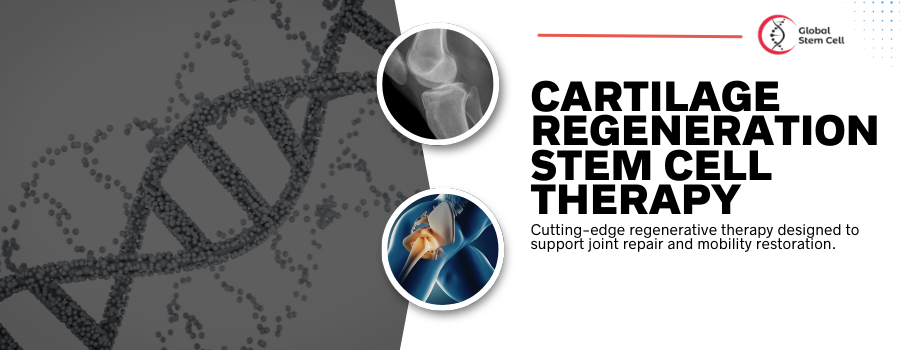
Cartilage Regeneration Stem Cell Therapy is a cutting-edge, non-surgical procedure designed to repair and regenerate articular cartilage—the smooth, white tissue that covers the ends of bones where they come together to form joints. Unlike traditional treatments that merely mask symptoms, this therapy addresses the root cause of joint pain by attempting to restore the structural integrity of the joint.
The Science Behind the Procedure
The core of this therapy lies in the unique ability of Mesenchymal Stem Cells (MSCs). These “blank slate” cells have the potential to differentiate into various cell types, including chondrocytes (cartilage cells). When introduced into a damaged joint, these cells perform several critical functions:
- Differentiation: They can transform into new cartilage cells to replace lost tissue.
- Paracrine Signaling: They release growth factors and cytokines that reduce inflammation and signal the body’s existing cells to begin the repair process.
- Immune Modulation: They help modulate the immune system to stop it from attacking the joint tissue, which is particularly helpful in autoimmune conditions or chronic inflammation.
Types of Stem Cells Used
Depending on the clinic and the patient’s specific needs, Cartilage Regeneration Stem Cell Therapy typically utilizes one of two sources:
- Autologous Stem Cells: These are harvested from the patient’s own body, usually from bone marrow (Bone Marrow Aspirate Concentrate) or adipose (fat) tissue. This minimizes the risk of rejection.
- Allogeneic Stem Cells: These are derived from donor sources, most commonly ethically sourced umbilical cord tissue (Wharton’s Jelly) from healthy, full-term live births. These cells are often preferred in medical tourism destinations because they are “younger,” more potent, and do not require an extraction procedure from the patient.
Who Should Consider Cartilage Regeneration Stem Cell Therapy?
Not every patient with joint pain is a candidate for regenerative medicine. The ideal candidates for Cartilage Regeneration Stem Cell Therapy are typically individuals seeking to avoid or delay major surgery like total knee or hip replacement. Candidates usually fall into the following categories:
Osteoarthritis Patients
The most common application is for patients with mild to moderate osteoarthritis. When the cushioning cartilage wears down, bones rub against each other, causing stiffness and pain. Cartilage Regeneration Stem Cell Therapy is highly effective for Grade 2 and Grade 3 osteoarthritis, where there is still some cartilage remaining to act as a scaffold for new growth.
Athletes and Sports Injuries
Active individuals with localized cartilage defects, meniscus tears, or labral tears often choose this therapy. Whether it is a soccer player with a knee injury or a tennis player with shoulder issues, stem cell therapy offers a way to heal without the long rehabilitation times associated with surgery.
Patients Seeking Alternatives to Surgery
Many patients are told they are “too young” for joint replacement or have medical conditions that make invasive surgery risky. Cartilage Regeneration Stem Cell Therapy serves as a viable middle ground, bridging the gap between conservative management (physical therapy, meds) and radical surgical intervention.
Conditions Commonly Treated
- Knee Osteoarthritis and Meniscus Tears
- Hip Arthritis and Labral Tears
- Shoulder Rotator Cuff Injuries and Glenohumeral Arthritis
- Ankle Joint Degeneration
- Elbow and Wrist Tendonitis
Cartilage Regeneration Stem Cell Therapy Procedure: Step-by-Step
Understanding the procedure flow is essential for patients traveling abroad. While protocols vary slightly by clinic and country, the general process for Cartilage Regeneration Stem Cell Therapy follows these steps:
1. Pre-Procedure Consultation and Evaluation
Before you even board a plane, the process begins with a remote consultation. You will submit your MRI scans, X-rays, and medical history to the medical team. The specialists review this data to ensure the joint damage is amenable to stem cell intervention.
2. Preparation and Harvesting (If Autologous)
If you are receiving autologous therapy, the doctor will harvest cells from your body.
- Bone Marrow: A needle is inserted into the hip bone to extract marrow.
- Adipose Tissue: A mini-liposuction is performed, usually on the abdomen, to extract fat tissue.
If you are receiving allogeneic (donor) cells, this step is skipped, making the appointment shorter and less invasive.
3. Processing and Activation
The collected sample is processed in an onsite laboratory. Using a centrifuge, the stem cells are separated from red blood cells and plasma. In many advanced medical tourism clinics, the cells are then “expanded” or cultured to increase the cell count significantly—a process often restricted in countries like the US but available in locations like Panama or Mexico.
4. Injection and Implantation
The concentrated stem cells are injected directly into the target joint. To ensure precision, physicians utilize guidance technologies such as:
- Fluoroscopy (Live X-ray): Ensures the needle is exactly in the joint space.
- Ultrasound Guidance: Visualizes soft tissues and nerves to place cells accurately.
5. Post-Procedure Recovery Protocol
The procedure is outpatient, meaning you leave the clinic the same day. However, rigorous post-care is vital. This may include bracing the joint, limited weight-bearing for a few days, and specific physical therapy exercises designed to stimulate the cells to settle and begin the cartilage regeneration process.
Benefits of Cartilage Regeneration Stem Cell Therapy
The shift toward regenerative medicine is driven by the substantial benefits this therapy offers over conventional approaches.
Regenerative Healing Capabilities
Unlike cortisone shots that only reduce inflammation temporarily, Cartilage Regeneration Stem Cell Therapy promotes actual tissue repair. It targets the underlying structural damage, potentially reversing the disease process in early stages.
Minimally Invasive with Minimal Downtime
There are no large incisions, no stitches, and no general anesthesia required. While a knee replacement requires months of rehabilitation, stem cell patients often walk out of the clinic and return to light daily activities within 24 to 48 hours.
Pain Relief and Improved Functionality
Clinical studies and patient testimonials frequently report significant reductions in pain scores and improvements in range of motion. This allows patients to return to hobbies like hiking, golfing, and swimming that were previously too painful to endure.
Natural Biological Safety
Because the treatment uses biological elements (either your own or highly screened bio-compatible donor cells), the risk of adverse allergic reactions is extremely low compared to synthetic implants or pharmaceutical interventions.
Risks of Cartilage Regeneration Stem Cell Therapy
While considered safe, no medical procedure is entirely without risk. It is crucial to have realistic expectations regarding Cartilage Regeneration Stem Cell Therapy.
- Infection: As with any injection, there is a very slight risk of introducing bacteria into the joint. Reputable clinics use sterile, hospital-grade environments to mitigate this.
- Injection Site Pain: Mild swelling and discomfort at the injection site or harvest site are common for 2 to 3 days post-procedure.
- Variable Effectiveness: Results are not guaranteed. Factors such as age, severity of cartilage loss, and lifestyle (smoking, diet) influence the outcome. In cases of “bone-on-bone” arthritis, stem cells may reduce pain but cannot fully regenerate a completely lost cartilage layer.
- Immune Response (Rare): While rare with mesenchymal stem cells due to their immune-privileged status, a mild immune reaction is theoretically possible.
Why Travel for Cartilage Regeneration Stem Cell Therapy?
Medical tourism for Cartilage Regeneration Stem Cell Therapy has exploded in popularity. But why leave home for treatment? The primary drivers are cost, regulation, and quality.
Access to Advanced Protocols
In countries like the United States, FDA regulations restrict the manipulation of stem cells. This means US clinics generally cannot expand (multiply) cells in a lab, limiting the dosage a patient receives. In contrast, clinics in Mexico, Colombia, and Thailand are permitted to culture cells, allowing them to administer dosages in the hundreds of millions rather than thousands. This higher cell count is often correlated with better regenerative outcomes.
Cost-Effectiveness
The cost of healthcare in Western nations is prohibitive. By traveling, patients can save 50% to 70% while receiving care in JCI-accredited hospitals that rival or exceed the standards of their home country.
Top Destinations for Cartilage Regeneration
Mexico (Tijuana, Cancun, Guadalajara)
Mexico is the leading destination for North Americans seeking Cartilage Regeneration Stem Cell Therapy. Cities like Tijuana are home to world-renowned regenerative centers that specialize in orthopedic conditions.
Keywords: Stem cell clinics in Tijuana, Cartilage regeneration cost Mexico, Knee stem cell therapy Cancun.
Thailand (Bangkok, Phuket)
Thailand combines luxury medical care with tourism. Bangkok boasts some of the most advanced hospitals in Asia, offering comprehensive wellness packages that include stem cell therapy and rehabilitation.
Keywords: Medical tourism in Bangkok, Stem cell therapy for joints Thailand.
Turkey (Istanbul)
Turkey has become a hub for medical tourism due to its strategic location bridging Europe and Asia. Clinics in Istanbul offer high-quality Cartilage Regeneration Stem Cell Therapy at very competitive prices.
Keywords: Orthopedic stem cell therapy Turkey, Istanbul regenerative medicine clinics.
Colombia (Bogota, Medellin)
Renowned for its highly trained physicians, many of whom are US-board certified, Colombia is a rising star for affordable regenerative orthopedics.
Keywords: Stem cell therapy cost Colombia, Best knee repair clinics Medellin.
Cost Comparison: Cartilage Regeneration Stem Cell Therapy
Below is an estimated cost comparison for Cartilage Regeneration Stem Cell Therapy. Prices vary based on the number of joints treated and the type of cells used.
| Country | Average Cost Range (USD) | Notes |
|---|---|---|
| United States | $5,000 – $15,000+ | Often non-expanded cells; usually one joint. |
| Mexico | $3,500 – $8,000 | High cell counts; often includes logistics. |
| Thailand | $4,500 – $9,000 | Includes luxury hospital stay. |
| Turkey | $3,000 – $6,500 | Very competitive pricing for Europe. |
| Colombia | $3,000 – $7,000 | Growing popularity for orthopedics. |
How to Plan for a Cartilage Regeneration Stem Cell Therapy Medical Tourism Trip
Traveling for medical care requires meticulous planning. Use this checklist to ensure a smooth journey for your Cartilage Regeneration Stem Cell Therapy.
- Verify Clinic Accreditation: Look for international accreditations and ensure the doctors are specialists in regenerative orthopedics, not general practitioners.
- The Virtual Consultation: Prepare digital copies of your MRI (Magnetic Resonance Imaging) scans no older than 6 months. Ask specifically about the cell source (adipose vs. umbilical) and the cell count guarantee.
- Understand the Inclusion/Exclusion Criteria: Ensure you don’t have contraindications, such as active cancer or active infections.
- Plan Your Travel Logistics: Check visa requirements for the destination country. Arrange for ground transportation, as you may not want to walk long distances immediately after the procedure.
- Accommodation Selection: Choose a hotel near the clinic with elevators and accessibility features. You will want to minimize stair climbing during the first 48 hours of recovery.
- Post-Treatment Plan: Ask the clinic for a physiotherapy protocol that you can take back to your local physical therapist to ensure proper rehabilitation.
Frequently Asked Questions
How long does it take to see results from Cartilage Regeneration Stem Cell Therapy?
Regeneration is a biological process that takes time. While the anti-inflammatory effects (pain reduction) may be felt within 2 to 4 weeks, the structural regeneration of cartilage typically takes 3 to 6 months. Continued improvement can be seen up to one year after the procedure.
Is Cartilage Regeneration Stem Cell Therapy painful?
The procedure is minimally invasive and performed under local anesthesia. Patients report feeling pressure during the injection but rarely describe it as painful. If bone marrow harvesting is involved, there may be some soreness at the hip for a few days.
Can this therapy regrow cartilage completely in bone-on-bone cases?
In severe “bone-on-bone” arthritis where all cartilage is lost, stem cell therapy is unlikely to fully regrow a thick cartilage layer. However, it is still used in these cases to reduce inflammation, alleviate pain, and improve the quality of life, effectively acting as a bridge to delay joint replacement surgery.
How many treatments will I need?
Most patients undergo a single, high-dose treatment of Cartilage Regeneration Stem Cell Therapy. However, depending on the severity of the degeneration, some doctors may recommend a “booster” injection or Platelet Rich Plasma (PRP) follow-up 6 months later.
Is the procedure covered by insurance?
In most Western countries, stem cell therapy for orthopedic conditions is considered experimental and is not covered by insurance. This is a primary reason why patients seek affordable self-pay options through medical tourism.
Get Started with Cartilage Regeneration Stem Cell Therapy Today
Don’t let joint pain dictate your life. Explore high-quality, affordable options for Cartilage Regeneration Stem Cell Therapy at top-rated international clinics. Contact us for a personalized consultation and pricing options for your treatment.