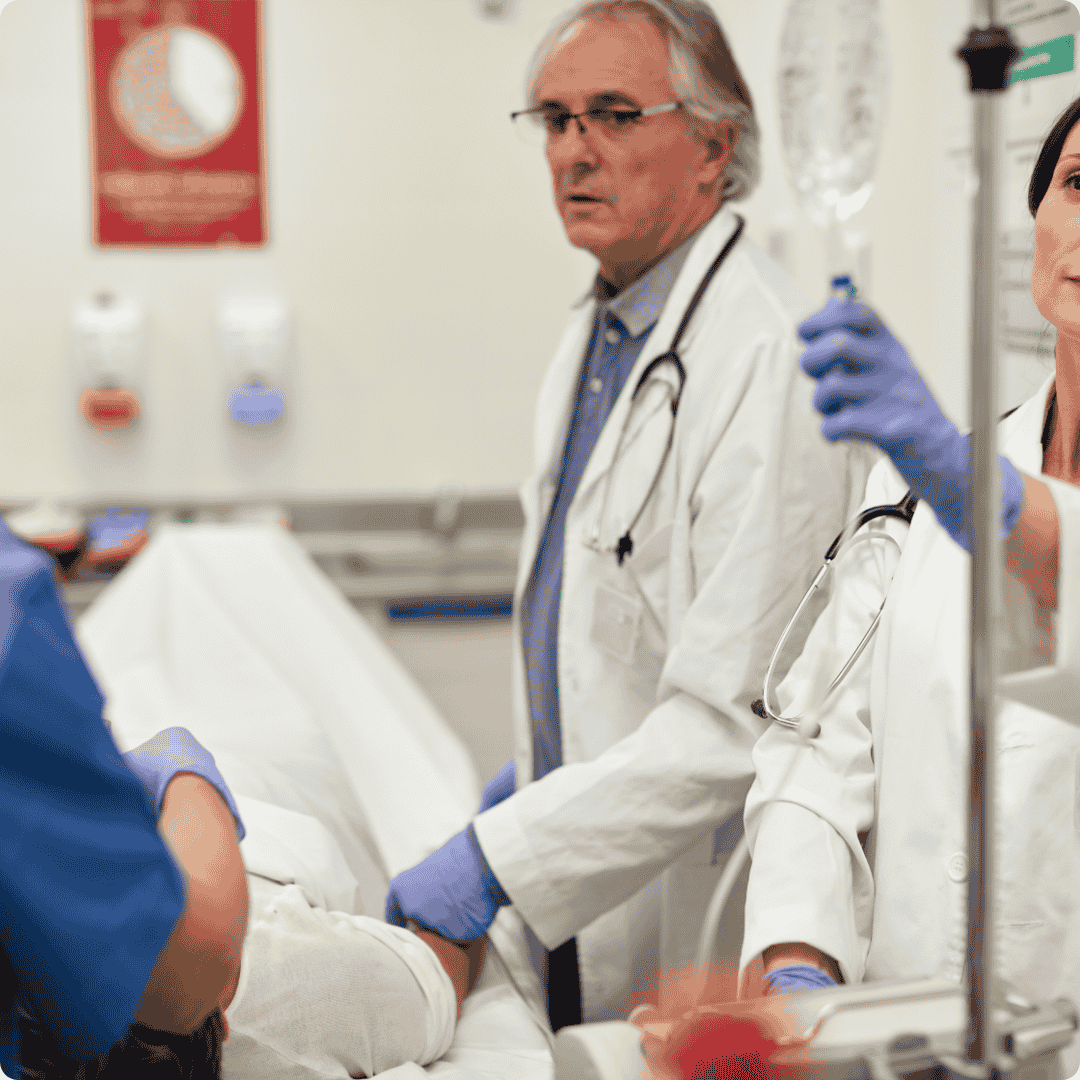
Stem cell treatments for knees in Malaysia offer a regenerative alternative for chronic joint pain costing between $3000 and $8000. The procedure utilizes specialized cells to encourage tissue repair in damaged knees under the strict safety regulations of the Malaysian Ministry of Health. Patients typically experience gradual pain relief and improved mobility over several months.
Dealing with chronic joint pain can severely limit your mobility but exploring regenerative medicine offers a potential pathway to relief. Many international patients are researching stem cell treatments for knees in Malaysia due to the combination of advanced medical technology and competitive costs that often range between $3000 and $8000. When reviewing your options for Stem Cell Therapy it is crucial to verify that clinics hold proper licensing from the Malaysian Ministry of Health and international accreditations. Taking the time to evaluate reputable Stem Cell Therapy Centers in Malaysia ensures you receive safe and medically supervised care tailored to your specific joint condition.
Quick Summary
- Estimated Cost Typically ranges from $3000 to $8000 depending on the specific stem cell protocol and clinic location.
- Safety Overview Highly regulated by the Malaysian Ministry of Health ensuring strict laboratory clinical and ethical standards.
- Ideal Candidate Patients with mild to moderate knee osteoarthritis seeking alternatives to invasive joint replacement surgery.
- Recovery Time Most patients resume light daily activities within a few days but complete cellular repair and structural improvement may take several months.
- Why Malaysia Renowned for world class orthopedic centers English speaking medical staff and highly affordable healthcare services.
- Important Caution Stem cell therapy is not a guaranteed cure and outcomes vary so a thorough orthopedic evaluation is always mandatory.
Introduction to Regenerative Knee Care in Malaysia
Chronic knee pain caused by osteoarthritis or sports injuries can deeply affect your quality of life and physical independence. For many patients traditional treatments such as corticosteroid injections or invasive joint replacement surgeries present significant drawbacks or extended downtimes. Stem cell treatments for knees in Malaysia have emerged as a highly sought after alternative leveraging the body’s natural healing mechanisms to repair damaged cartilage and reduce severe joint inflammation.
Malaysia has positioned itself as a premier destination for medical tourism specifically in the fields of orthopedics and regenerative medicine. The country combines state of the art medical infrastructure with highly trained specialists who frequently hold international board certifications. Patients traveling to Malaysia benefit from a seamless healthcare experience that prioritizes patient safety clinical efficacy and transparent pricing.
Primary reasons international patients travel to Malaysia for regenerative knee procedures
- Access to cutting edge cell cultivation laboratories approved by national health boards
- Significant cost savings compared to healthcare systems in North America and Europe
- Care delivered by internationally trained orthopedic surgeons and regenerative medicine specialists
- Strict regulatory oversight by the Malaysian Healthcare Travel Council and Ministry of Health
- English is widely spoken across all major medical facilities ensuring clear communication
Understanding Patient Demographics and Medical Travel Trends
Analyzing recent medical data helps prospective patients understand the broader landscape of orthopedic medical tourism. In recent years Malaysia has recorded a substantial influx of international patients seeking specialized regenerative treatments for joint degeneration. The demographic profile of these patients provides valuable insight into who typically benefits from stem cell therapy and when they choose to intervene medically.
Data from 2024 healthcare reports indicate that a significant portion of medical travelers seeking joint regeneration are adults in their middle to later years. These patients are often aiming to maintain an active lifestyle and delay the need for total knee replacement surgery. The visualizations below illustrate the verified age distribution of patients undergoing osteoarthritis treatments and the documented volume of orthopedic medical travelers arriving in Malaysia.
Source: Global Osteoarthritis Patient Registry and Medical Travel Demographics 2024
Source: Malaysian Healthcare Travel Council Interim Orthopedic Care Report 2025
How Stem Cell Treatments for Knees Function Clinically
Stem cell therapy for knee joints is a branch of regenerative medicine that utilizes the unique properties of mesenchymal stem cells. These specialized cells have the distinct ability to differentiate into various types of connective tissue including cartilage bone and muscle. When injected directly into a damaged knee joint these cells release growth factors that actively reduce inflammation and signal the body to begin repairing damaged tissue.
The biological process begins with the extraction of stem cells typically from the patient’s own adipose tissue or bone marrow though ethically sourced umbilical cord tissue is also utilized in specific clinical protocols. Once harvested and concentrated in a highly controlled laboratory environment the potent cell mixture is injected into the knee capsule using precise ultrasound guidance. This ensures the regenerative agents are delivered exactly where the cartilage depletion or injury is most severe.
Clinical Steps for Regenerative Knee Injections
- Comprehensive diagnostic imaging using MRI or advanced ultrasound to map joint damage
- Extraction of cellular material under local anesthesia if autologous cells are used
- Laboratory processing and concentration of the harvested mesenchymal cells
- Targeted injection into the intra articular space of the knee guided by real time imaging
- Post procedure observation and implementation of a customized physical rehabilitation plan
Estimated Cost of Stem Cell Treatments for Knees in Malaysia
One of the primary drivers for international patients seeking medical care in Kuala Lumpur or Penang is the highly competitive pricing structure. The cost of stem cell treatments for knees in Malaysia is significantly lower than comparable procedures in Western nations without any compromise on clinical quality or safety standards. Prices generally range from $3000 to $8000 depending on the complexity of your joint condition.
Several factors influence the final cost of your treatment package. The specific type of stem cells utilized autologous versus allogeneic plays a major role in pricing. Additionally the severity of the osteoarthritis the need for multiple injection sessions and the inclusion of supplementary therapies like Platelet Rich Plasma can adjust the total expense. Patients should always request an itemized transparent quote before finalizing their medical travel plans.
| Treatment Component | Estimated Cost in USD |
|---|---|
| Initial Orthopedic Consultation and MRI Diagnosis | $200 to $500 |
| Autologous Stem Cell Harvesting and Processing | $2500 to $4500 |
| Allogeneic Umbilical Cord Stem Cell Vials | $4000 to $7000 |
| Image Guided Joint Injection Procedure | $500 to $1000 |
| Post Treatment Physiotherapy Sessions | $50 to $100 per session |
Cost Comparison for Regenerative Knee Therapy Globally
Understanding the global economic landscape of regenerative medicine helps patients make informed financial decisions. While medical costs in the United States and the United Kingdom continue to rise sharply Southeast Asian medical hubs offer highly regulated treatments at a fraction of the price. This cost efficiency in Malaysia is driven by lower operational overheads favorable exchange rates and government subsidized medical infrastructure rather than a reduction in care quality.
When comparing prices it is crucial to account for the entire patient journey. Even after factoring in international flights premium hotel accommodations and local transportation the total expenditure for undergoing stem cell therapy in Malaysia frequently remains less than the cost of the medical procedure alone in a patient’s home country. This financial accessibility opens doors for patients who might otherwise be unable to afford advanced regenerative care.
| Country Location | Estimated Minimum Cost USD | Estimated Maximum Cost USD |
|---|---|---|
| Malaysia | $3000 | $8000 |
| United States | $8000 | $25000 |
| United Kingdom | $7000 | $18000 |
| Australia | $6500 | $15000 |
Who Is an Ideal Candidate for Knee Stem Cell Therapy
Not every patient suffering from knee pain is a suitable candidate for regenerative cellular therapy. A thorough medical evaluation by a certified orthopedic specialist is required to determine if stem cell injections will yield beneficial outcomes. The treatment is most effective for individuals who are in the early to moderate stages of osteoarthritis where there is still a viable matrix of cartilage remaining in the joint space.
Patients with severe bone on bone osteoarthritis where the cartilage has completely worn away are typically advised against stem cell therapy as the structural damage is too advanced for cellular regeneration alone. In such advanced cases a total or partial knee replacement remains the gold standard of care. Furthermore ideal candidates should be in good general health free from active infections and non smokers as tobacco use severely inhibits cellular healing.
Favorable Candidate Indicators
- Mild to moderate knee osteoarthritis
- Chronic joint pain unresponsive to physical therapy
- Adequate remaining cartilage space on MRI
- Healthy immune system functionality
- Realistic expectations regarding the gradual healing process
Contraindications for Treatment
- Complete bone on bone joint degeneration
- Active systemic infections or blood disorders
- Recent history of severe oncological conditions
- Autoimmune diseases affecting cellular regeneration
- Inability to participate in post procedure rehabilitation
Step by Step Recovery After Knee Stem Cell Injections
The recovery process following stem cell treatments for knees is generally well tolerated but requires patience and adherence to medical guidelines. Because this is a biological healing process rather than a mechanical fix like traditional surgery the results are not instantaneous. The injected cells require time to engraft proliferate and stimulate the production of new extracellular matrix within the joint.
Immediately following the procedure patients may experience localized swelling mild pain or a sensation of fullness in the knee. These are normal biological responses indicating that the cellular activation process has begun. Doctors typically prescribe mild analgesics and advise strict rest for the first few days. A structured physical therapy program is then gradually introduced to strengthen the surrounding muscles without overloading the healing joint.
| Recovery Timeframe | Biological Process | Patient Sensation | Activity Level |
|---|---|---|---|
| Days 1 to 3 | Initial cellular engraftment and localized acute inflammation response | Mild swelling stiffness and localized discomfort | Strict rest minimal walking with supportive devices |
| Weeks 1 to 4 | Reduction of joint inflammation and early cellular proliferation | Gradual decrease in pain and improvement in joint fluidity | Light daily activities gentle range of motion exercises |
| Months 2 to 4 | Active tissue regeneration and cartilage matrix synthesis | Noticeable reduction in chronic pain during movement | Low impact exercises stationary biking swimming |
| Months 4 to 6 | Maturation of newly formed tissue and structural stabilization | Significant improvement in mobility and pain free walking | Return to moderate recreational activities and normal life |
Choosing the Best Hospitals for Stem Cell Therapy in Malaysia
Selecting the right medical facility is a critical step in ensuring a safe and successful regenerative treatment experience. Malaysia boasts numerous internationally recognized hospitals and specialized orthopedic clinics particularly in major urban centers like Kuala Lumpur Penang and Johor Bahru. However because regenerative medicine is a highly specialized field it is essential to look beyond general hospital aesthetics and focus on specific clinical accreditations.
When evaluating clinics patients should prioritize facilities that hold active licensing from the Malaysian Ministry of Health. Additionally look for accreditation from the Malaysian Society for Quality in Health which ensures the hospital adheres to stringent national safety protocols. Top tier regenerative clinics will also feature on site certified laboratories equipped with specialized clean rooms for the safe processing and cultivation of cellular materials.
Hospital Vetting Checklist for International Patients
- Verify the facility is registered with the Malaysian Healthcare Travel Council
- Confirm the presence of an in house or officially partnered certified cellular laboratory
- Ask about the specific protocols used for stem cell viability testing and sterile processing
- Ensure the clinic offers comprehensive pre treatment diagnostic imaging services
- Check if the hospital provides dedicated international patient coordinators and language support
How to Verify Doctor Credentials for Regenerative Medicine
The expertise of the administering physician is just as vital as the quality of the medical facility. Stem cell treatments for knees should strictly be performed by board certified orthopedic surgeons sports medicine physicians or specialized regenerative medicine doctors. Avoid wellness spas or cosmetic clinics that offer joint injections without the presence of a qualified musculoskeletal specialist.
To ensure patient safety international travelers can verify a doctor’s credentials through official Malaysian regulatory bodies. All practicing specialists in Malaysia must be registered with the Malaysian Medical Council and their specialized training must be recorded in the National Specialist Register. Patients should ask prospective doctors about their specific experience with ultrasound guided joint injections and their annual case volume for regenerative orthopedic procedures.
Important Doctor Certifications to Request
- Active registration with the Malaysian Medical Council
- Listing in the Malaysian National Specialist Register for Orthopedics or Sports Medicine
- Fellowship training in regenerative medicine or specialized joint preservation
- Documented experience with real time ultrasound or fluoroscopic injection guidance
- Clear history of managing post injection clinical outcomes and patient follow up
Safety Regulations and Ministry of Health Guidelines in Malaysia
Patient safety is heavily prioritized within the Malaysian healthcare system. The government maintains rigorous oversight of medical tourism and experimental treatments. The Ministry of Health has established explicit National Standards for Stem Cell Transplantation which dictate exactly how biological materials must be harvested processed stored and administered to human patients.
These comprehensive guidelines prevent unethical clinics from offering unproven or dangerous cellular therapies. Facilities operating in Malaysia must undergo regular audits to maintain their licenses to practice regenerative medicine. This strong regulatory framework provides international patients with a high degree of confidence that they are receiving scientifically backed ethically sourced and safely administered medical care rather than unregulated experimental procedures.
Potential Risks and Complications to Consider
While stem cell treatments for knees are generally considered safe and minimally invasive they are medical procedures that carry inherent risks. It is imperative that patients have realistic expectations and a clear understanding of potential complications. The most common side effects are temporary and include localized pain swelling and joint stiffness immediately following the injection.
More severe complications are rare but can include joint infection nerve damage if the injection is poorly placed or an adverse immune reaction depending on the cellular source. To mitigate these risks the procedure must be performed in a sterile clinical environment using precise image guidance. Patients must also strictly adhere to all post procedure care instructions and report any signs of excessive heat redness or fever to their healthcare provider immediately.
| Potential Risk Factor | Clinical Prevention Strategy |
|---|---|
| Joint Infection Septic Arthritis | Strict adherence to sterile laboratory processing and aseptic injection techniques |
| Injection Site Bleeding or Bruising | Pre procedure screening for blood thinners and proper compression post injection |
| Failure to Relieve Joint Pain | Accurate MRI diagnostics to ensure the patient is a viable candidate before treatment |
| Improper Cell Placement | Mandatory use of high resolution ultrasound or fluoroscopy to guide the needle exactly into the joint space |
Preparing for Your Medical Trip to Malaysia
Organizing a medical journey abroad requires careful logistical and medical preparation. Patients should begin by compiling their complete medical history including recent MRI scans X rays and notes from their local primary care physician. These documents should be shared with the chosen clinic in Malaysia during the initial virtual consultation to confirm treatment eligibility before booking flights.
Once medically cleared patients should plan their travel itinerary to accommodate the necessary recovery period. While the procedure itself is typically performed on an outpatient basis it is highly recommended to stay in Malaysia for at least one to two weeks post treatment. This allows the medical team to conduct vital follow up evaluations remove any initial bandages and ensure no immediate complications arise before you endure a long international flight home.
Travel Planning Timeline
- Four weeks before Check passport validity secure necessary medical visas and send MRI discs to the clinic
- Two weeks before Finalize hotel bookings near the hospital and arrange airport transfers with the international patient desk
- One week before Pause certain medications like NSAIDs or blood thinners as explicitly directed by your treating physician
- Post procedure Plan for wheelchair assistance at the airport for your return journey to prevent stressing the treated joint
Frequently Asked Questions About Stem Cell Treatments for Knees in Malaysia
Are stem cell treatments for knees painful
The procedure involves localized discomfort rather than severe pain. Doctors utilize local anesthesia to numb the injection site and the harvesting area if autologous cells are used. Post procedure soreness is common but easily managed with prescribed mild pain relievers.
How long does the stem cell knee injection procedure take
The entire clinical process typically takes between three to four hours. This timeframe includes the initial medical preparation the cellular harvesting the specialized laboratory processing of the cells and the final image guided intra articular injection into your knee.
Is stem cell therapy permanent for knee osteoarthritis
Stem cell therapy is not considered a permanent cure for osteoarthritis but it can significantly delay the progression of joint degeneration. Many patients experience sustained pain relief and improved joint function for several years depending on their lifestyle and the severity of their initial joint condition.
Can I walk immediately after receiving knee stem cells
While you will be able to walk it is highly recommended to minimize weight bearing on the treated joint for the first few days. Your doctor may suggest using crutches or a supportive knee brace temporarily to allow the injected cells to settle and begin the repair process without mechanical stress.
Are the clinics in Malaysia safe for regenerative medicine
Yes reputable clinics in Malaysia are highly safe and strictly regulated by the Ministry of Health. By choosing hospitals accredited by the Malaysian Society for Quality in Health patients ensure they receive care that meets rigorous international medical and ethical standards.
What is the difference between autologous and allogeneic stem cells
Autologous stem cells are harvested directly from your own body typically from fat or bone marrow. Allogeneic stem cells are ethically sourced from thoroughly screened donor tissues such as umbilical cords which often possess higher concentrations of youthful potent growth factors.
Will my insurance cover stem cell knee treatments in Malaysia
Most standard international health insurance plans consider regenerative cellular therapies to be elective or experimental and do not cover the costs. Patients should contact their specific insurance provider for clarification but should plan to pay out of pocket for the procedure.
How soon will I notice results after the knee injection
Biological healing requires time. Most patients do not experience significant clinical improvements for the first four to six weeks. The most noticeable reductions in chronic joint pain and increases in knee mobility generally occur between the third and sixth month post treatment.
Can stem cell therapy rebuild bone on bone knee joints
No regenerative cellular therapy cannot reconstruct a knee joint that has completely lost its cartilage matrix. Patients with severe stage four bone on bone osteoarthritis are typically not viable candidates and are better suited for partial or total joint replacement surgeries.
Why is stem cell therapy for knees cheaper in Malaysia
The lower cost is due to reduced clinical overhead expenses government subsidies for medical infrastructure and highly favorable currency exchange rates. The reduced price does not indicate a drop in medical quality or safety standards compared to Western healthcare systems.
PlacidWay can help you compare top rated orthopedic clinics in Malaysia understand exact treatment costs review specialized physician credentials and confidently request detailed medical information from certified healthcare providers.
Related Stem Cell Therapy Resources
Disclaimer: This information is for educational purposes only and does not replace professional medical advice. Always consult a qualified healthcare provider before making medical decisions.
References
- Osteoarthritis Fact Sheet – World Health Organization
- Malaysia Healthcare Travel Council Blueprint – MHTC
- National Standards for Stem Cell Medical Therapy – Ministry of Health Malaysia
- National Specialist Register – Malaysian Medical Council
- Hospital Accreditation Standards – Malaysian Society for Quality in Health
- Clinical Outcomes of Intra-articular Mesenchymal Stem Cell Therapy – National Institutes of Health