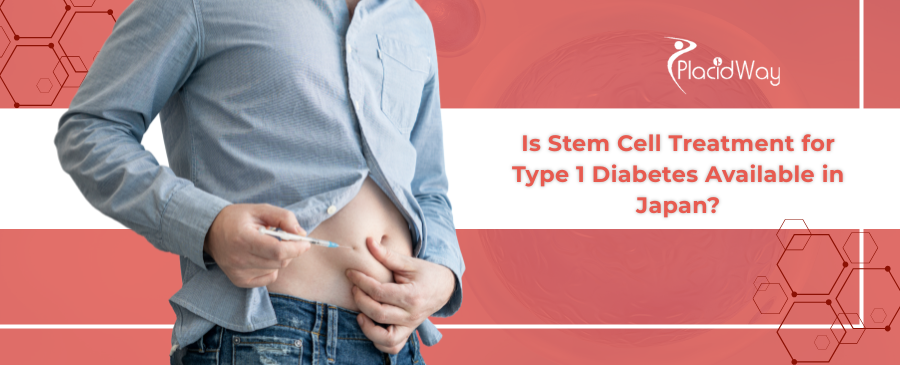
Is Stem Cell Treatment for Type 1 Diabetes Available in Japan? Costs & Clinics
Stem Cell Treatment for Type 1 Diabetes in Tokyo, Japan has quickly become a leading option for patients seeking high-quality care at a fraction of the cost compared to high-cost countries. With state-of-the-art medical facilities and expert healthcare providers, Tokyo, Japan offers a reliable and affordable alternative for patients seeking solutions to Type 1 Diabetes. This destination has gained significant popularity, thanks to its affordability without sacrificing quality. Patients can also benefit from PlacidWay’s medical tourism support, which assists with travel, accommodation, and treatment coordination. Learn more about how PlacidWay can help with your treatment journey here.
What Is Stem Cell Treatment for Type 1 Diabetes and How It Works: A Simple Explanation
Stem cell treatment for Type 1 Diabetes focuses on addressing the root cause of the condition: the autoimmune destruction of the pancreas’s insulin-producing beta cells. By introducing multipotent mesenchymal stem cells (MSCs) into the body, the therapy works in two primary ways. First, MSCs possess unique immunomodulatory properties that help calm the overactive immune system, potentially halting further attacks on the pancreas. Second, these specialized cells promote tissue repair, reduce inflammation, and create a microenvironment that encourages the regeneration of damaged pancreatic cells, aiming to stabilize blood sugar levels and reduce the dependency on external insulin.
Tokyo is globally recognized as a pioneer in regenerative medicine, largely due to its Nobel Prize-winning research on induced pluripotent stem (iPS) cells. The specific cellular technology used in Tokyo is highly sought after because it operates under Japan’s rigorous Act on the Safety of Regenerative Medicine (ASRM). This strict regulatory framework ensures that cell culturing and expansion processes meet the absolute highest standards of purity, viability, and safety. Patients traveling to Tokyo benefit from elite laboratory protocols that yield extremely robust stem cells, providing therapeutic potential that is often unmatched in less regulated markets.
- Initial Assessment: Comprehensive diagnostic imaging and physical evaluation.
- Precision Procedure: Application of advanced medical protocols tailored to your needs.
- Supervised Recovery: Immediate post-treatment monitoring by specialized staff.
Did You Know?
Did you know that Tokyo, Japan is home to some of the world’s most advanced medical facilities, where patients often save up to 50% on Stem Cell Treatment for Type 1 Diabetes while receiving care that meets or exceeds international hospital standards?
Cost Comparison: Stem Cell Treatment for Type 1 Diabetes vs. High-Cost Countries
The economic advantage of seeking care in Tokyo is one of the most compelling reasons for medical travel. By leveraging lower operational costs and specialized medical zones, clinics here provide top-tier interventions that would otherwise be financially out of reach for many patients in North America or Europe.
Beyond the procedure itself, the savings extend to comprehensive care packages that include medications, follow-up consultations, and physical therapy—all of which are often billed separately and at a premium in high-cost nations.
Essential Facts & Pro-Tips
- ✓ Fast Fact: Japan’s regenerative clinics operate under the strict supervision of the PMDA (Pharmaceuticals and Medical Devices Agency), making it one of the safest destinations for stem cell therapy globally.
- ✓ Travel Tip: The ideal times to visit Tokyo for medical treatments are during Spring (March to May) or Autumn (September to November) for mild weather, and Haneda Airport (HND) offers the most convenient city access.
- ✓ Recovery Tip: Following stem cell therapy, maintaining a low-glycemic, anti-inflammatory diet while engaging in light, stress-reducing activities like walking in Tokyo’s peaceful parks can optimize cellular healing.
Treatment Journey: Step-by-Step
Efficiency is a hallmark of the medical experience in Tokyo. The process is designed to minimize downtime while ensuring that every safety protocol is strictly followed. From the moment you arrive, the medical team focuses on a streamlined approach to diagnostics and delivery.
Most clinics provide a dedicated coordinator to guide you through the logistics, ensuring that your appointments are synchronized and that your recovery environment is optimized for the best possible clinical outcome.
Frequently Asked Questions
1. Is Stem Cell Treatment for Type 1 Diabetes in Tokyo safe?
Absolutely. Leading clinics in this region adhere to stringent international safety standards and are frequently audited by global health bodies.
2. How long should I plan to stay for recovery?
Most patients require a 5–7 day stay to account for the procedure and necessary post-operative evaluations before being cleared for travel.
3. Are the doctors English-speaking?
Yes, the majority of specialists catering to international patients are fluent in English and often have completed training in Western medical institutions.
4. What is included in the treatment package?
Standard packages often include the medical procedure, local transportation, airport pickups, and follow-up consultations.
5. Do I need a special visa for medical treatment?
This depends on your nationality, but many patients can travel on a standard tourist visa; however, your coordinator can provide specific guidance for your case.
Ready to Take the Next Step Towards Recovery?
Choosing the right destination for your medical care is a significant decision. By opting for treatment in Tokyo, Japan, you aren’t just saving on costs—you are gaining access to specialized clinicians and world-class care designed for long-term health.
Our team is dedicated to bridging the gap between you and premium healthcare. We assist with documentation, clinical coordination, and travel logistics for a completely seamless experience.