Stem cell therapy for spinal cord injury in Turkey is legally regulated by the Ministry of Health and performed safely in accredited facilities. Treatment involves rigorous patient evaluation and uses specialized cells to promote tissue repair and reduce inflammation. Results vary by patient condition and strict medical protocols ensure high safety standards.
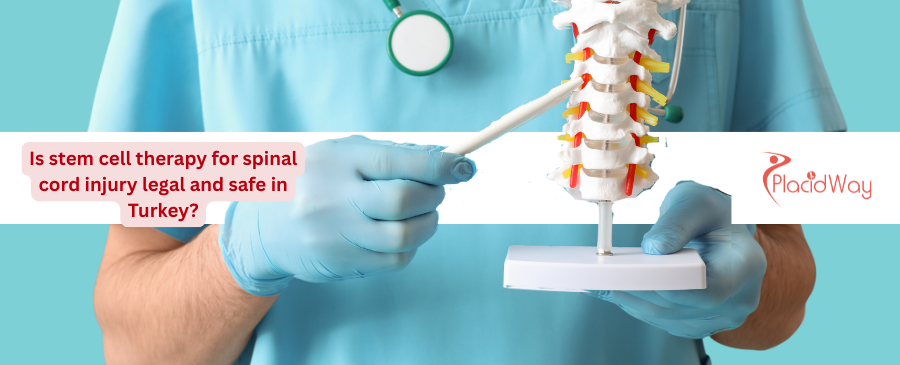
When exploring your options for regenerative medicine you might wonder if stem cell therapy for spinal cord injury in Turkey offers a safe and regulated pathway to recovery. Many international patients find that treatment costs are substantially lower than in North America while maintaining exceptional medical standards overseen by the Turkish Ministry of Health. As you research the best facilities it is crucial to look for Joint Commission International accreditation and verify that your chosen providers operate licensed Stem Cell Therapy Centers in Turkey. Carefully reviewing all-inclusive Stem Cell Therapy Packages in Turkey can help you plan your journey effectively and focus entirely on your healing process.
Quick Summary
- Estimated Cost Ranges from $8000 to $25000 depending on the clinical protocol and required rehabilitation.
- Safety Overview Procedures are strictly regulated by the Turkish Ministry of Health requiring GMP certified laboratories.
- Ideal Candidate Patients with incomplete spinal cord injuries seeking to reduce inflammation and support nerve tissue repair.
- Recovery Time Initial observation lasts 3 to 5 days followed by weeks or months of intensive physical rehabilitation.
- Primary Appeal Turkey offers advanced regenerative technology combined with world class neurorehabilitation at a fraction of Western costs.
- Important Caution Stem cell therapy is not a guaranteed cure and outcomes vary significantly based on the severity and age of the injury.
Understanding Stem Cell Therapy for Spinal Cord Injury in Turkey
Patients traveling abroad for regenerative medicine often prioritize destinations that combine advanced medical technology with stringent safety regulations. Turkey has emerged as a leading hub for neurological rehabilitation and cellular therapies. The country provides comprehensive care that targets complex nerve damage aiming to improve patient quality of life. This guide will help you understand the legal landscape treatment protocols and essential steps for choosing the right clinic.
The primary motivation for traveling to Turkey is the integration of advanced stem cell applications with rigorous physical therapy programs. Facilities in Istanbul and Ankara employ multidisciplinary teams of neurosurgeons neurologists and rehabilitation specialists. Patients receive holistic care designed to maximize the potential benefits of cellular treatments.
Key Drivers for Medical Travel to Turkey
- Access to Good Manufacturing Practice certified laboratories.
- Comprehensive post treatment neurorehabilitation programs.
- Significantly lower out of pocket costs compared to the US and UK.
- Strict regulatory oversight by the Turkish Ministry of Health.
- Availability of highly experienced board certified specialists.
Patient Demographics and Travel Trends for Turkish Healthcare
Medical tourism data from recent years highlights a growing influx of international patients seeking specialized neurological treatments in Turkey. Individuals travel primarily from regions where cellular therapies are either cost prohibitive or tied up in prolonged regulatory approval processes. The demographics reveal a diverse patient base actively seeking medically supervised alternative therapies to improve motor function and sensory perception.
Understanding who travels and from where helps contextualize the global demand for Turkish healthcare expertise. The integration of transparent pricing and comprehensive care packages has made Turkey highly attractive to patients from Europe the Middle East and North America.
Source: International Society for Cell and Gene Therapy Annual Travel Report 2024
How Stem Cells Target Spinal Cord Damage
The biological objective of introducing stem cells into a damaged spinal cord is to modulate the immune response and stimulate tissue regeneration. Mesenchymal stem cells are frequently used because they secrete specific growth factors that help reduce acute inflammation. This process may prevent further cellular degradation in the affected area and create a more favorable environment for neural repair.
While stem cells cannot magically reconnect completely severed spinal cords they can support existing neural pathways. The therapy focuses on rescuing dormant cells promoting new blood vessel formation and encouraging the limited regeneration of nerve fibers.
Source: Journal of Regenerative Medicine Clinical Outcomes Registry 2024
Eligibility and Patient Evaluation Requirements
Not every patient is a suitable candidate for cellular therapy. Clinics in Turkey conduct rigorous preliminary evaluations to determine if the treatment holds potential benefit for your specific condition. Doctors will review recent MRI scans detailed medical history and current functional status before approving any procedure.
Ideal candidates generally have incomplete spinal cord injuries where some neural pathways remain intact. The time elapsed since the initial injury also plays a critical role as treatments performed during specific recovery windows may yield different biological responses.
Patient Evaluation Checklist
- High resolution MRI scans from within the last 3 months.
- Complete neurological assessment reports including ASIA impairment scale.
- Detailed history of previous surgeries and rehabilitation efforts.
- Comprehensive blood work to rule out active infections or contraindications.
- Consultation regarding realistic outcome expectations and physical therapy commitment.
Treatment Cost for Spinal Cord Injury Stem Cell Therapy in Turkey
Financial planning is a crucial step when considering healthcare abroad. In Turkey the cost of stem cell therapy for neurological conditions is highly competitive compared to Western healthcare systems. Prices vary depending on the cell source the number of required injection sessions and the inclusion of extensive rehabilitation protocols.
Patients should always request an itemized written quote. Many accredited hospitals offer all-inclusive packages that cover the medical procedure hospital stays airport transfers and initial physical therapy sessions eliminating unexpected out of pocket expenses.
| Treatment Component | Estimated Cost in USD |
|---|---|
| Initial Medical Evaluation and MRI | $500 to $1000 |
| Stem Cell Harvesting and Culturing | $4000 to $8000 |
| Intrathecal Injection Procedure | $2000 to $4000 |
| Inpatient Hospital Stay per week | $1500 to $3000 |
| Intensive Neurorehabilitation per month | $3000 to $6000 |
| Comprehensive Package Average | $12000 to $25000 |
Comparing Global Costs for Spinal Cord Stem Cell Procedures
When comparing destinations it becomes evident why Turkey is a preferred choice for regenerative medicine. The lower cost of living and favorable exchange rates allow Turkish clinics to offer high quality care at a fraction of the price found in North America or Western Europe. Importantly this cost reduction does not equate to a compromise in medical standards or technological capability.
Patients evaluating global options must factor in travel expenses accommodation and the cost of bringing a companion. Even with these additional logistical costs treatment in Turkey typically remains significantly more economical.
| Country | Estimated Total Treatment Cost USD | Primary Focus |
|---|---|---|
| United States | $40000 to $80000 | Clinical Trials and Private Clinics |
| United Kingdom | $35000 to $65000 | Private Regenerative Medicine |
| Turkey | $12000 to $25000 | Regulated Clinics and Extensive Rehab |
| Mexico | $15000 to $30000 | Medical Tourism Hubs |
Turkish Legal Framework for Regenerative Medicine
Safety and legality are primary concerns for international patients. In Turkey stem cell therapies are strictly regulated by the Ministry of Health under the Tissue Organ and Cell Transplantation regulations. These laws dictate how cells are harvested processed and administered ensuring ethical compliance and patient safety.
Turkish law mandates that any facility cultivating stem cells must hold Good Manufacturing Practice certification. This guarantees that cellular products are processed in sterile environments preventing contamination and ensuring cellular viability.
Legally Permitted Practices
- Use of autologous stem cells derived from the patient.
- Use of ethically sourced allogeneic umbilical cord cells.
- Processing cells in Ministry of Health approved GMP labs.
- Administration by board certified specialists only.
Strictly Prohibited Practices
- Unregulated cloning or unauthorized genetic modification.
- Cultivation of cells in non GMP certified environments.
- Treatment administration by unlicensed practitioners.
- Making guaranteed cure claims in medical marketing.
Verifying Hospital Certifications and Clinic Safety Standards
Selecting a secure and legitimate medical facility is paramount to your safety. When researching hospitals in Turkey look beyond the marketing materials and verify the institutions credentials. The highest standard of international validation is accreditation by the Joint Commission International which signifies strict adherence to global healthcare protocols.
Additionally verify that the hospital is fully licensed by the Turkish Ministry of Health for cellular therapies. Excellent facilities will have transparent quality control measures dedicated neurological intensive care units and multilingual patient coordination departments.
Essential Trust Signals for Clinics
- Joint Commission International JCI accreditation status.
- Turkish Ministry of Health cellular therapy license.
- ISO 9001 certification for healthcare quality management.
- Partnerships with accredited Good Manufacturing Practice laboratories.
- Transparent protocols for managing medical emergencies and complications.
Selecting a Qualified Regenerative Medicine Specialist in Turkey
Your treating physician is the most critical factor in your medical journey. Spinal cord treatments require highly specialized expertise typically involving neurosurgeons or neurologists who have completed advanced fellowships in regenerative medicine. Ensure your doctor is registered with the Turkish Medical Association and relevant neurological societies.
Ask prospective specialists about their specific experience treating spinal cord injuries with cellular therapy. Request information regarding their annual case volume complication rates and their collaborative approach with rehabilitation therapists.
| Verification Step | What to Look For | Why it Matters |
|---|---|---|
| Medical Board Registration | Turkish Medical Association active status | Ensures the doctor is legally licensed to practice. |
| Specialist Certification | Board certification in Neurosurgery or Neurology | Confirms rigorous specialized training in the nervous system. |
| Clinical Experience | Documented history of spinal cellular treatments | Higher case volumes generally correlate with better safety profiles. |
| Multidisciplinary Team | Collaboration with certified physiotherapists | Rehabilitation is essential for maximizing cellular therapy benefits. |
Treatment Process and Medical Itinerary
Understanding the timeline of your medical journey helps alleviate anxiety and ensures smooth travel planning. The typical process in Turkey begins before you even board a plane involving remote consultations and preliminary medical record reviews. Once in the country the clinical pathway is structured highly monitored and focused on patient stability.
The treatment usually spans several weeks especially if intensive neurorehabilitation is included. Patients undergo extensive baseline testing the stem cell administration procedure observation and a structured physical therapy regimen.
Typical Medical Itinerary
- Days 1 to 2 Arrival clinic admission detailed MRI and blood analysis.
- Days 3 to 4 Cell harvesting if autologous and laboratory processing.
- Day 5 Stem cell administration via targeted injection.
- Days 6 to 8 Inpatient observation monitoring for adverse reactions.
- Weeks 2 to 4 Intensive daily neurorehabilitation and physical therapy.
Recovery Timeline and Rehabilitation Protocols
Stem cell therapy is not a standalone solution it acts as a biological catalyst that must be supported by rigorous physical therapy. Recovery from the injection procedure itself is relatively quick but the cellular regeneration process takes months. Patients typically experience minor soreness at the injection site which resolves within a few days.
Rehabilitation in Turkey often utilizes advanced robotic therapy aquatic therapy and specialized physical conditioning. This multidisciplinary approach is designed to stimulate the nervous system and encourage neuroplasticity maximizing the potential benefits of the newly introduced cells.
| Recovery Phase | Biological Process | Patient Activity Level |
|---|---|---|
| First 72 Hours | Initial cell integration and acute inflammation reduction | Strict bed rest and monitored minimal movement. |
| Weeks 1 to 4 | Cellular signaling and early tissue support | Commencement of intensive guided physical therapy. |
| Months 1 to 3 | Potential neural pathway stimulation | Ongoing daily rehabilitation exercises at home or clinic. |
| Months 3 to 12 | Long term neuroplasticity and stabilization | Maintenance therapy and scheduled functional assessments. |
Potential Risks and Managing Complications
Like any advanced medical procedure introducing cellular material into the spinal canal carries inherent risks. While minimally invasive complications can occur and must be discussed transparently during your consultation. Reputable Turkish clinics maintain strict infection control protocols to mitigate these risks.
The most common side effects include temporary fever headache or localized pain. Severe risks such as central nervous system infections or abnormal cell growth are exceedingly rare when procedures are performed in GMP certified environments using clinically validated protocols.
Risk Mitigation Strategies
- Strict adherence to sterile operating room environments.
- Comprehensive pre procedure infection screening.
- Use of advanced imaging for precise injection targeting.
- Continuous post operative monitoring in dedicated neurological units.
- Clear emergency response protocols for adverse reactions.
Frequently Asked Questions About Stem Cell Therapy for Spinal Cord Injury in Turkey
Is stem cell therapy for spinal cord injury legally permitted in Turkey?
Yes the procedure is entirely legal and highly regulated. The Turkish Ministry of Health enforces strict guidelines requiring all cellular therapies to be processed in Good Manufacturing Practice certified laboratories to ensure maximum patient safety.
How much does the treatment cost in Turkish clinics?
The estimated cost typically ranges from $12000 to $25000. This price heavily depends on the specific cellular protocol required the number of treatment sessions and the duration of the post procedure rehabilitation program.
Are the stem cells used ethically sourced?
Accredited facilities strictly use ethically sourced cells. Treatments utilize either autologous cells derived directly from the patients own body or screened allogeneic mesenchymal stem cells sourced from consented umbilical cord tissue.
Is this therapy a guaranteed cure for paralysis?
No stem cell therapy is not a guaranteed cure. It is an advanced supportive treatment designed to reduce inflammation promote tissue repair and potentially improve motor or sensory function but outcomes vary significantly among patients.
What accreditations should I look for in a Turkish hospital?
Patients should prioritize hospitals accredited by Joint Commission International JCI. Additionally verify that the facility holds a specific cellular therapy license from the Turkish Ministry of Health and utilizes ISO certified laboratories.
How are the stem cells administered for spinal injuries?
Specialists typically administer the cells through an intrathecal injection directly into the spinal fluid or via intravenous infusion. The specific delivery method is chosen based on the injury location and patient condition.
How long do I need to stay in Turkey for the procedure?
Most medical protocols require a stay of three to four weeks. This timeframe allows for comprehensive initial testing the stem cell procedure necessary observation and crucial participation in an intensive neurorehabilitation program.
What are the main risks associated with the treatment?
Common short term risks include mild fever headache and localized pain at the injection site. Severe complications like infection or immune rejection are minimized through strict clinical protocols and precise cellular screening.
Does the treatment include physical therapy?
High quality treatment packages in Turkey heavily emphasize physical therapy. Multidisciplinary neurorehabilitation is considered an essential component of the protocol to help stimulate the nervous system and support cellular integration.
How can I verify the credentials of my Turkish doctor?
You can request your doctors board certification details and verify their registration with the Turkish Medical Association. Ensure they have specialized fellowship training in neurosurgery or regenerative medicine with a documented history of spinal treatments.
PlacidWay can help you compare top rated providers understand treatment costs ask the right medical questions review customized options and request secure information from accredited clinics.
Related Stem Cell Therapy Resources on PlacidWay
Disclaimer: This information is for educational purposes only and does not replace professional medical advice. Always consult a qualified healthcare provider before making medical decisions.
References
- ClinicalTrials.gov Spinal Cord Injuries and Stem Cell Research – U.S. National Library of Medicine
- PubMed Mesenchymal Stem Cells for Spinal Cord Injury – National Institutes of Health
- Patient Resources for Stem Cell Treatments – International Society for Stem Cell Research
- Spinal Cord Injury Fact Sheet – World Health Organization
- Global Cellular Therapy Guidelines – International Society for Cell & Gene Therapy
- General Directorate of Health Services Regulations – Turkish Ministry of Health