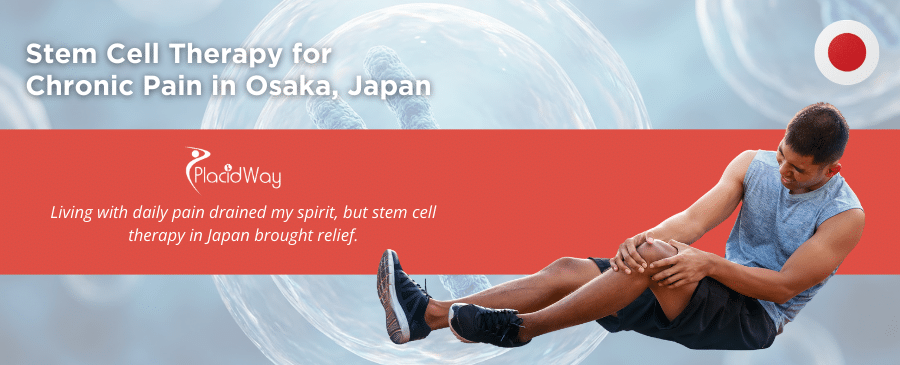
Living with chronic pain can be incredibly challenging, impacting every aspect of life, from daily activities to overall well-being. For many, traditional treatments provide only temporary relief or come with undesirable side effects, leading them to seek more advanced and regenerative solutions. If you’re struggling with persistent joint discomfort, debilitating back pain, or relentless nerve issues, you might be wondering if there’s a more effective way to manage your condition and regain a better quality of life.
Japan has emerged as a leader in regenerative medicine, and clinics like Cell Grand Clinic are at the forefront, offering specialized stem cell therapy for chronic pain. This innovative approach harnesses the body’s natural healing capabilities to target the root causes of pain, rather than just masking symptoms. We’ll delve into how this cutting-edge treatment works, what conditions it addresses, and what makes Japan, particularly Cell Grand Clinic, a notable destination for those seeking relief from chronic joint, back, and nerve pain.
What is Stem Cell Therapy for Chronic Pain?
Stem cell therapy is a regenerative medical treatment that utilizes specialized cells, known as stem cells, which have the unique ability to develop into many different cell types in the body. These powerful cells can self-renew and differentiate into various specialized cells, such as bone cells, cartilage cells, muscle cells, and nerve cells. When introduced into an area of injury or degeneration, stem cells can help repair and regenerate damaged tissues, reduce inflammation, and modulate the immune system.
For individuals experiencing chronic pain, particularly from conditions affecting joints, the back, or nerves, stem cell therapy offers a potential pathway to long-term relief and improved function. Instead of simply managing symptoms with medication or invasive surgeries, stem cell therapy aims to address the underlying cause of the pain by promoting natural healing and tissue repair. This can lead to a reduction in pain, increased mobility, and a better quality of life without the extensive recovery times often associated with traditional surgical interventions.
How Does Cell Grand Clinic in Japan Use Stem Cells for Joint Pain?
At Cell Grand Clinic, the approach to treating joint pain with stem cells is precise and patient-specific. The clinic primarily utilizes autologous stem cells, meaning the cells are harvested directly from the patient’s own body. This significantly reduces the risk of rejection or adverse immune reactions. Common sources for these cells include adipose (fat) tissue or bone marrow, both of which are rich in mesenchymal stem cells (MSCs).
Once harvested, these stem cells are processed in a state-of-the-art laboratory to concentrate and purify them. The concentrated stem cell solution is then carefully injected into the affected joint, such as the knee, hip, shoulder, or ankle. The aim is for these powerful cells to migrate to the damaged areas, differentiate into new cartilage cells, stimulate the production of growth factors, and exert potent anti-inflammatory effects. This process helps to reduce pain, improve joint function, and potentially slow down or even reverse degenerative changes often seen in conditions like osteoarthritis.
Is Stem Cell Therapy Effective for Chronic Back Pain?
Chronic back pain is a pervasive issue, often stemming from conditions like degenerative disc disease, herniated discs, or facet joint arthritis. Stem cell therapy presents a non-surgical alternative that aims to address the structural causes of back pain. When stem cells are injected into the affected areas of the spine, such as degenerated discs or inflamed facet joints, they can help to:
- Regenerate Disc Tissue: Stem cells can promote the regeneration of cells within the intervertebral discs, potentially restoring disc height and function, which often alleviates pressure on nerves.
- Reduce Inflammation: The anti-inflammatory properties of stem cells can significantly decrease localized inflammation, a major contributor to chronic back pain.
- Repair Damaged Ligaments and Tendons: Stem cells can aid in repairing damaged soft tissues supporting the spine, improving stability and reducing pain.
For individuals suffering from persistent lower back pain or neck pain that hasn’t responded to conventional treatments, stem cell therapy at Cell Grand Clinic in Japan offers a specialized approach. The clinic’s focus on precise application and high-quality cell processing aims to maximize the therapeutic potential of the stem cells, targeting the source of the pain with minimal invasiveness.
Can Stem Cells Help with Nerve Pain (Neuropathic Pain)?
Nerve pain, or neuropathic pain, is notoriously difficult to treat because it results from damage or dysfunction of the nervous system itself. Conditions like sciatica, peripheral neuropathy, or nerve compression syndromes can cause burning, tingling, numbness, or shooting pain. While research is ongoing, stem cell therapy has shown encouraging results in addressing certain aspects of nerve pain.
Stem cells possess neuroprotective properties and can release growth factors that support nerve survival and regeneration. They can also modulate the immune response, reducing the inflammation that often exacerbates nerve damage. At Cell Grand Clinic, the application of stem cells for nerve pain focuses on:
- Reducing Inflammation Around Nerves: Decreasing swelling and pressure on compressed nerves.
- Promoting Nerve Regeneration: Encouraging the repair of damaged nerve fibers.
- Modulating Pain Signals: Influencing the way pain signals are transmitted and perceived by the brain.
While the efficacy can vary depending on the specific cause and severity of the nerve pain, the regenerative and anti-inflammatory capabilities of stem cells offer a promising avenue for treatment where conventional methods have fallen short. The clinic’s expertise ensures that treatments are carefully planned and executed to target the specific areas of nerve pathology.
What Types of Chronic Pain Conditions Can Stem Cell Therapy Address?
Stem cell therapy is gaining recognition for its versatility in treating various forms of chronic pain. Its regenerative and anti-inflammatory properties make it suitable for a wide range of musculoskeletal and neurological conditions. At Cell Grand Clinic in Japan, patients often seek treatment for:
- Osteoarthritis: Degeneration of joint cartilage leading to pain, stiffness, and reduced mobility.
- Rheumatoid Arthritis: An autoimmune condition causing chronic joint inflammation.
- Degenerative Disc Disease: Wear and tear of the spinal discs, leading to back and neck pain.
- Tendonitis and Ligament Injuries: Chronic inflammation or damage to tendons and ligaments in various joints.
- Neuropathic Pain: Including sciatica, peripheral neuropathy, and nerve entrapment syndromes.
- Fibromyalgia: While more complex, stem cells may help with systemic inflammation and pain modulation.
The clinic’s physicians conduct thorough evaluations to determine if a patient’s specific condition is suitable for stem cell therapy, ensuring that the treatment plan is tailored to their unique needs and potential for healing.
What Makes Japan a Preferred Destination for Stem Cell Therapy for Chronic Pain?
Japan has established itself as a global leader in regenerative medicine, largely due to its progressive regulatory environment and commitment to scientific innovation. In 2014, Japan implemented comprehensive laws (the Act on the Safety of Regenerative Medicine) to facilitate the development and clinical application of regenerative therapies, including stem cell therapy, while ensuring patient safety.
This supportive ecosystem has fostered significant advancements and the emergence of highly specialized clinics. Patients from around the world choose Japan for several reasons:
- Advanced Research & Technology: Japan invests heavily in regenerative medicine research, leading to innovative techniques and sophisticated cell processing technologies.
- Strict Quality Control: Japanese clinics adhere to rigorous standards for cell culture, preparation, and administration, ensuring the safety and efficacy of treatments.
- Expert Medical Professionals: Clinics like Cell Grand Clinic employ highly trained specialists with extensive experience in regenerative medicine and pain management.
- Patient-Centric Approach: The Japanese healthcare system is renowned for its meticulous attention to detail, patient comfort, and comprehensive care.
These factors combine to make Japan a trusted and appealing choice for individuals seeking state-of-the-art stem cell therapy for chronic pain, offering confidence in the quality and potential outcomes of their treatment.
What is the Process for Receiving Stem Cell Therapy at Cell Grand Clinic?
Receiving stem cell therapy at Cell Grand Clinic in Japan involves a structured and carefully managed process designed to ensure safety and optimize results. Here’s a general overview:
- Initial Consultation & Evaluation:
- Patients undergo a thorough medical history review, physical examination, and diagnostic imaging (MRI, X-rays) to determine suitability for stem cell therapy.
- A personalized treatment plan is developed, outlining the specific type of cells, harvesting method, and injection sites.
- Cell Harvesting:
- This minimally invasive procedure typically involves either a liposuction-like technique to collect adipose (fat) tissue or a bone marrow aspiration, usually from the hip.
- The procedure is performed under local anesthesia, ensuring patient comfort.
- Laboratory Processing & Expansion:
- The harvested cells are sent to a specialized, certified laboratory for processing and expansion. This stage ensures a sufficient quantity of potent stem cells for therapeutic use.
- This process can take a few weeks, depending on the number of cells needed and the expansion protocols.
- Stem Cell Injection:
- Once the stem cells are ready, they are precisely injected into the target area, such as a painful joint, spinal disc, or around affected nerves.
- Imaging guidance (e.g., ultrasound or fluoroscopy) is often used to ensure accurate placement of the cells.
- Post-Treatment Care & Follow-up:
- Patients receive instructions for post-treatment care, which may include physical therapy or activity restrictions.
- Follow-up appointments are scheduled to monitor progress and assess the effectiveness of the treatment.
The clinic emphasizes transparency and patient education at every step, ensuring individuals are well-informed and comfortable throughout their stem cell therapy journey.
What are the Potential Risks and Side Effects of Stem Cell Therapy?
While stem cell therapy is generally considered safe, particularly when using autologous cells (from the patient’s own body), it’s important to be aware of potential risks and side effects. At Cell Grand Clinic, patient safety is paramount, and all procedures are performed under strict medical protocols to minimize these risks.
Common, usually temporary, side effects include:
- Pain or Soreness: At the site where cells were harvested (e.g., abdomen for fat, hip for bone marrow) and at the injection site.
- Swelling or Bruising: Also at the harvest and injection sites.
- Mild Fever: In some rare cases, a low-grade fever might occur.
More serious risks are rare but can include:
- Infection: Any invasive procedure carries a small risk of infection, though sterile techniques are rigorously followed.
- Bleeding: At the harvest or injection sites.
- Allergic Reaction: Extremely rare with autologous cells but can occur with components used in processing.
- Nerve Damage: A very low risk associated with injections, mitigated by imaging guidance.
The medical team at Cell Grand Clinic thoroughly discusses these potential risks with each patient during the consultation phase, ensuring they make an informed decision about their treatment for chronic joint, back, or nerve pain.
How Much Does Stem Cell Therapy Cost in Japan for Chronic Pain?
The cost of stem cell therapy in Japan can be a significant consideration for international patients. It’s important to understand that these treatments are not typically covered by standard health insurance in most countries, as they are often considered experimental or investigational by many insurance providers.
Factors influencing the cost include:
- Clinic Reputation and Expertise: Highly specialized clinics like Cell Grand Clinic with advanced facilities and experienced physicians may have higher costs.
- Type of Stem Cells: Autologous treatments (using the patient’s own cells) may differ in cost from allogeneic treatments (donor cells, if available and approved for specific conditions).
- Harvesting Method: Whether cells are harvested from fat (adipose) or bone marrow can impact the procedure cost.
- Condition and Treatment Area: The complexity of the pain condition (e.g., single joint vs. multiple spinal discs) and the number of injection sites will affect the overall price.
- Number of Treatments: Some conditions may require a series of injections, impacting the total cost.
- Lab Processing: The extent of cell processing, expansion, and quality control contributes to the overhead.
Patients seeking treatment at Cell Grand Clinic for conditions like chronic joint, back, or nerve pain are encouraged to have a direct consultation to receive a personalized cost estimate, which will clearly outline all associated fees for their specific treatment plan. It’s an investment in long-term health and pain relief.
How Long is the Recovery Period After Stem Cell Therapy?
One of the advantages of stem cell therapy over traditional surgery is the generally shorter and less intense recovery period. Since the procedure is minimally invasive, involving injections rather than extensive incisions, patients typically experience a quicker return to their normal routines.
Immediately after the procedure at Cell Grand Clinic, patients may experience mild soreness, swelling, or bruising at the injection and harvest sites. This usually subsides within a few days. Most individuals can resume light daily activities within 24-72 hours. However, it’s crucial to follow specific post-treatment guidelines provided by the clinic, which may include:
- Avoiding strenuous activities or heavy lifting for a few weeks.
- Engaging in gentle rehabilitation exercises as recommended.
- Refraining from anti-inflammatory medications immediately after treatment, as they can interfere with the stem cells’ healing mechanisms.
While physical recovery from the procedure itself is relatively fast, the biological process of tissue regeneration and pain reduction takes time. Patients should understand that significant improvements in chronic joint, back, or nerve pain may not be immediate. It often takes several weeks to months to observe noticeable changes as the stem cells work to repair and regenerate damaged tissues. The full benefits typically become apparent over a period of three to six months, and sometimes even longer, with continuous improvement.
What Should International Patients Consider When Seeking Medical Tourism for Stem Cell Therapy in Japan?
For individuals considering medical tourism for stem cell therapy in Japan, several practical aspects need careful planning to ensure a smooth and successful experience. Japan is a welcoming country, but preparation is key:
- Visa and Travel Documents:
- Research specific visa requirements for medical treatment in Japan based on your nationality. Some countries have visa-waiver agreements, while others require a medical visa.
- Ensure your passport is valid for at least six months beyond your planned stay.
- Travel Logistics:
- Book flights and accommodation well in advance, especially if your treatment coincides with peak tourist seasons.
- Consider proximity to Cell Grand Clinic when choosing accommodation.
- Language Barrier:
- While clinics catering to international patients, like Cell Grand Clinic, often have English-speaking staff or access to medical interpreters, it’s wise to carry a translation app for daily interactions.
- Finances:
- Beyond the cost of the stem cell therapy, budget for flights, accommodation, local transportation, food, and potential unforeseen expenses.
- Understand the payment structure of the clinic and any required deposits.
- Communication with the Clinic:
- Maintain clear and continuous communication with Cell Grand Clinic regarding your medical history, treatment plan, schedule, and any questions you may have before, during, and after your visit.
- Request a detailed itinerary and cost breakdown.
- Post-Treatment Care & Follow-up:
- Discuss how follow-up care will be managed upon your return home. Can the clinic provide guidance to your local doctors?
Planning these details in advance will help ensure a stress-free and effective medical journey for your chronic pain treatment.
Ready to explore advanced solutions for your chronic pain? PlacidWay is your trusted partner in navigating the world of medical tourism, connecting you with leading clinics and specialized treatments like stem cell therapy in Japan at Cell Grand Clinic. Discover personalized healthcare options and take the first step towards a pain-free life today!