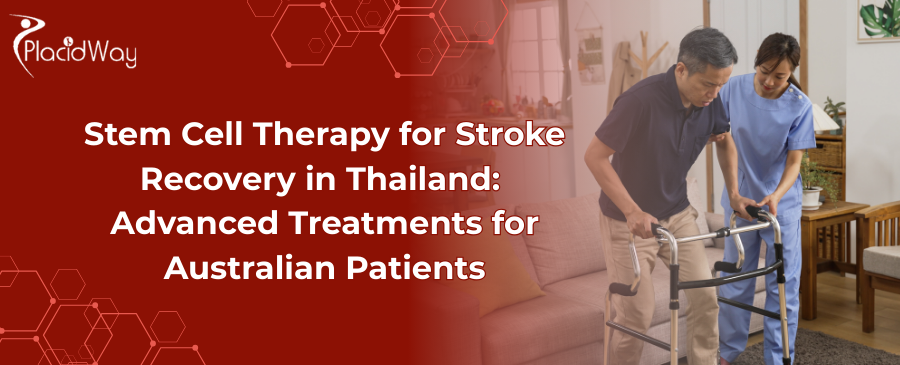
Navigating the journey of stroke recovery can be challenging, often leaving patients and their families searching for every possible advantage. While traditional rehabilitation methods are crucial, the potential of stem cell therapy for stroke recovery in Thailand to accelerate healing and enhance neurological repair has garnered significant attention. Thailand, known for its high-quality medical tourism, has become a destination where sophisticated stem cell treatments are accessible, providing a viable option for those who might have exhausted conventional pathways or are looking for complementary therapies to boost their recovery efforts.
What is Stem Cell Therapy for Stroke Recovery?
Stem cell therapy for stroke recovery is a cutting-edge medical procedure focused on leveraging the regenerative capabilities of stem cells to mitigate the damage caused by a stroke. When a stroke occurs, blood flow to a part of the brain is interrupted, leading to brain cell death. Stem cells, with their unique ability to differentiate into various cell types and secrete growth factors, are introduced into the body to target these damaged areas.
The primary goal of this therapy is to promote repair and regeneration within the brain. Stem cells can contribute to several beneficial processes, including reducing inflammation, protecting existing brain cells from further damage, stimulating the growth of new blood vessels (angiogenesis), and encouraging the formation of new neural pathways (neurogenesis). This multifaceted approach holds the promise of restoring lost functions, such as movement, speech, and sensation, thereby significantly improving a patient’s independence and overall quality of life.
How Effective is Stem Cell Therapy for Stroke Recovery in Thailand for Australian Patients?
The efficacy of stem cell therapy for stroke recovery in Thailand is a topic of ongoing research and clinical experience. While not a guaranteed cure, many clinics in Thailand have observed promising results in Australian patients. These results often include improvements in neurological deficits such as enhanced motor control, better balance and coordination, clearer speech, and improved cognitive functions like memory and attention.
It is important to understand that the degree of improvement can differ greatly among individuals. Factors influencing success include the patient’s age, the time elapsed since the stroke, the severity of the stroke, the type and dosage of stem cells used, and the patient’s commitment to post-treatment rehabilitation. Thai medical centers often combine stem cell therapy with comprehensive physical and occupational therapy programs to maximize patient outcomes. This integrated approach ensures that the newly regenerated cells have the best environment to integrate and contribute to functional recovery.
What Types of Stem Cells Are Used for Stroke Treatment in Thailand?
Thailand’s advanced medical facilities typically utilize several types of stem cells for stroke treatment, each with its unique characteristics and mechanisms of action. Among the most frequently used are Mesenchymal Stem Cells (MSCs). These cells are multipotent, meaning they can differentiate into various cell types, and are particularly valued for their anti-inflammatory, immunomodulatory, and tissue-repairing properties. MSCs can be sourced from various tissues, with umbilical cord tissue and adipose (fat) tissue being common and often preferred for their abundance and ease of collection.
Umbilical cord-derived MSCs (UC-MSCs) are often favored due to their youthful vitality, robust proliferative capacity, and low immunogenicity, meaning they are less likely to provoke an immune response when administered to a patient. Adipose-derived MSCs (AD-MSCs) are also widely used because they can be easily harvested from the patient’s own body through a minimally invasive liposuction procedure. In some cases, autologous bone marrow-derived stem cells might also be used, depending on the patient’s specific condition and the clinic’s protocol. The choice of stem cell type is crucial and is determined by the medical team based on the patient’s individual needs and the treatment strategy for stroke recovery.
What are the Advantages of Choosing Thailand for Stem Cell Therapy for Stroke Recovery?
Thailand has firmly established itself as a premier destination for medical tourism, particularly for specialized treatments like stem cell therapy for stroke recovery. One significant advantage is access to state-of-the-art medical technology and facilities. Thai hospitals and clinics are often equipped with advanced diagnostic tools and treatment modalities that rival those in Western countries, ensuring patients receive cutting-edge care.
Furthermore, patients benefit from the expertise of highly skilled and often internationally trained medical specialists. Many Thai doctors have studied and practiced abroad, bringing a wealth of knowledge and experience to their practice. The cost-effectiveness of treatments is another major draw for Australian patients. While maintaining high standards of care, the overall expense for stem cell therapy and associated rehabilitation in Thailand can be significantly lower compared to Australia or other Western countries. This makes advanced treatments more accessible without compromising on quality.
Beyond the medical aspects, Thailand offers a unique environment conducive to healing and recovery. The warm climate, rich culture, and the renowned hospitality of the Thai people contribute to a positive patient experience. Many facilities also provide comprehensive support services for international patients, including language assistance, accommodation arrangements, and travel coordination, making the entire journey for stroke recovery smoother and less stressful for Australian patients.
What is the Estimated Cost of Stem Cell Therapy for Stroke in Thailand?
Understanding the financial aspect is crucial for Australian patients considering stem cell therapy for stroke recovery in Thailand. The cost of stem cell therapy for stroke can vary widely, primarily influenced by several factors. These include the reputation and accreditation of the chosen clinic, the specific type of stem cells being administered (e.g., umbilical cord-derived MSCs, adipose-derived MSCs), the required dosage, and the number of treatment sessions deemed necessary by the medical team.
Moreover, the overall cost often encompasses more than just the stem cell infusions. It may include initial diagnostic tests, consultations with specialists, post-treatment follow-ups, and integrated rehabilitation programs (physical therapy, occupational therapy, speech therapy) which are vital for maximizing the therapeutic benefits. Patients should also account for travel expenses, accommodation, and personal care during their stay in Thailand. It is always recommended to request a detailed, all-inclusive quote from the clinics to avoid any unexpected costs and to compare different options effectively.
Are Thai Hospitals and Clinics for Stroke Recovery Internationally Accredited?
For Australian patients, ensuring the quality and safety of medical care abroad is paramount. Fortunately, many of Thailand’s leading hospitals and specialized clinics that offer stem cell therapy for stroke recovery have achieved prestigious international accreditations. The most recognized of these is the Joint Commission International (JCI) accreditation. JCI is a global leader in healthcare accreditation and certification, recognized for its rigorous standards in patient safety, quality of care, and organizational management.
A JCI accreditation signifies that a hospital or clinic meets a comprehensive set of international benchmarks for medical quality and patient safety. This provides significant assurance for international patients, including those from Australia, that they will receive care comparable to or exceeding the standards in their home countries. Beyond JCI, some facilities may also hold other reputable international certifications or be affiliated with global medical networks, further underscoring their commitment to excellence in stroke recovery treatments. It is always advisable for patients to verify the accreditations of any clinic they are considering.
What Should Australian Patients Prepare Before Traveling to Thailand for Stem Cell Therapy?
Careful preparation is key for Australian patients planning to undergo stem cell therapy for stroke recovery in Thailand. The first crucial step is to gather all relevant medical records, including detailed stroke history, previous treatments, imaging scans (CT, MRI), and current medications. These documents are essential for the Thai medical team to assess eligibility and formulate a personalized treatment plan.
Patients should also have a thorough discussion with their local Australian doctor or neurologist. While their doctor may not be familiar with stem cell therapy, they can provide valuable insights into the patient’s overall health and advise on managing existing conditions during travel. Logistically, securing a passport, applying for any necessary visas (for stays longer than 30 days, generally), and booking flights and suitable accommodation in advance are vital. Many clinics offer assistance with these arrangements as part of their international patient services.
Finally, planning for the duration of stay and post-treatment rehabilitation is critical. Patients should anticipate a period of focused recovery and arrange for any required support, such as a travel companion or caregiver. Understanding the local culture and having a basic grasp of common phrases can also enhance the experience and reduce stress during their stroke recovery journey in Thailand.
How Long is the Typical Recovery and Rehabilitation Period After Stem Cell Therapy for Stroke?
The recovery and rehabilitation timeline following stem cell therapy for stroke recovery is highly individualized, but generally, it is a continuous process that extends beyond the initial treatment. Patients may observe some immediate changes or subtle improvements in the weeks following the stem cell infusion, such as increased energy or minor sensory changes. However, significant neurological and functional improvements typically unfold over several months.
Stem cells work by initiating repair processes that take time to manifest as tangible functional gains. Therefore, consistent and intensive rehabilitation therapy—including physical therapy, occupational therapy, and speech therapy—is absolutely crucial during this period. These therapies help to retrain the brain and body, encouraging the integration of new neural connections formed by the stem cells. Clinics in Thailand often recommend structured rehabilitation programs to accompany the stem cell treatment.
Australian patients should be prepared for a long-term commitment to their recovery. While the initial stay in Thailand might range from a few weeks for the treatment phase, the rehabilitative phase can continue for six months to a year, or even longer. Regular follow-ups, either in Thailand or with local practitioners in Australia, are important to monitor progress and adjust rehabilitation strategies for optimal stroke recovery.
What are the Potential Risks and Side Effects of Stem Cell Therapy for Stroke Recovery?
While stem cell therapy for stroke recovery holds great promise, like any medical intervention, it carries potential risks and side effects. It’s crucial for patients to be fully informed before proceeding with treatment. The most common side effects are generally mild and temporary, such as a transient fever, headache, or pain/soreness at the injection site. These typically resolve within a day or two.
More serious, though rare, risks can include infection, particularly if proper aseptic techniques are not followed during cell preparation and administration. There is also a theoretical risk of allergic or immune reactions, although this is minimized with careful donor matching or the use of autologous cells (cells from the patient’s own body). Another consideration, particularly with certain types of stem cells, is the extremely low theoretical risk of tumor formation, though this has not been widely observed in clinical applications for stroke.
Reputable clinics in Thailand prioritize patient safety and adhere to stringent international guidelines for cell processing, quality control, and administration. They conduct thorough patient screenings to identify any contraindications and ensure that the treatment is administered by experienced medical professionals in a controlled environment. Open communication with the medical team about any concerns is always encouraged for patients undergoing stem cell therapy for stroke recovery.
How Does Stem Cell Therapy in Thailand Complement Traditional Stroke Rehabilitation?
It is important to understand that stem cell therapy for stroke recovery is not a standalone treatment designed to replace traditional stroke rehabilitation, but rather a complementary approach that can significantly enhance its effectiveness. Traditional rehabilitation, which includes physical therapy, occupational therapy, and speech therapy, focuses on helping the brain “relearn” tasks and adapt to changes after a stroke. It builds new neural pathways through repetitive exercises and functional training.
Stem cell therapy works synergistically with these efforts. By introducing stem cells, the brain’s intrinsic repair processes are stimulated. The stem cells can reduce inflammation, protect existing neurons, and encourage neurogenesis (the birth of new neurons) and synaptogenesis (the formation of new synapses). This creates a more fertile ground for the brain to respond to rehabilitation. Essentially, stem cell therapy can potentially accelerate healing and create a brain environment more receptive to the intensive retraining provided by traditional therapies.
Many facilities in Thailand offer integrated programs where stem cell therapy is immediately followed by or combined with comprehensive rehabilitation. This holistic approach aims to maximize functional recovery, allowing Australian patients to potentially achieve greater gains in motor control, speech, and cognitive function than with either therapy alone. The goal is to provide the best possible chance for meaningful and lasting improvements in post-stroke recovery.
Looking for advanced stroke recovery options or other specialized healthcare services? Explore PlacidWay to connect with world-class clinics and doctors offering innovative treatments, including stem cell therapy in Thailand. We can help you navigate your medical tourism journey for better health outcomes.