Experiencing a stroke can be a life-altering event, often leaving individuals with significant physical, cognitive, and emotional challenges that dramatically impact daily life. The journey of post-stroke rehabilitation is absolutely crucial, involving intensive physical, occupational, and speech therapies to regain lost function. However, for many patients, traditional rehabilitation can eventually reach a plateau, leaving them searching for further improvements and a renewed sense of hope. This is precisely where the cutting edge of medical science offers truly new avenues for recovery and repair. In recent years, stem cell therapy for stroke has emerged as a remarkably promising and groundbreaking approach, providing a potential path to not only regain lost function but also to significantly improve overall quality of life for those impacted by a stroke.
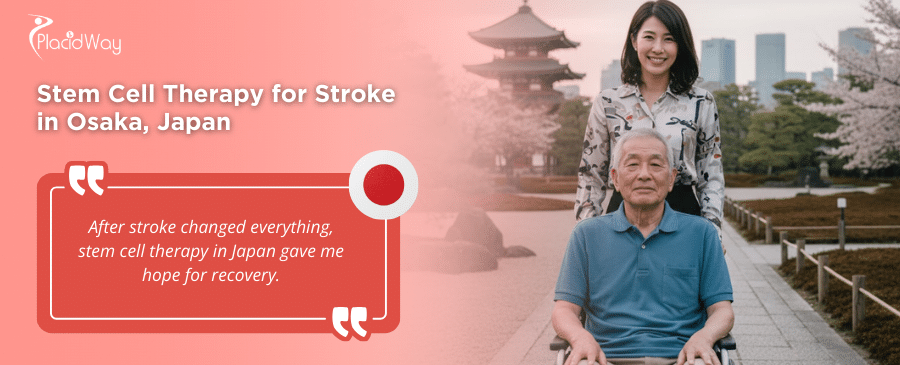
For patients and their families worldwide, the search for effective and innovative stroke recovery solutions often leads them to clinics at the forefront of regenerative medicine. They seek out places where advanced research is translated into practical, patient-focused treatments. One such highly regarded institution is the Cell Grand Clinic in Osaka, Japan. This facility has earned a strong reputation for its dedicated focus on utilizing advanced stem cell treatments to support and potentially accelerate recovery after a stroke. By targeting the repair of damaged brain tissue, promoting the regeneration of new cells, and fostering the restoration of neurological function, Cell Grand Clinic in Osaka, Japan, is providing a new horizon of possibilities. This specialized clinic offers profound hope for individuals seeking advanced post-stroke rehabilitation through this innovative and scientifically-backed therapy, drawing patients globally to its expertise.
What is Stem Cell Therapy for Post-Stroke Rehabilitation?
Stem cell therapy for stroke in Japan is a revolutionary approach in regenerative medicine designed to help the brain recover after a cerebrovascular accident. These remarkable cells have the unique ability to differentiate into various cell types, self-renew, and modulate the body’s immune response. In the context of stroke recovery, stem cells are introduced into the body to target areas of brain damage caused by the stroke.
Their primary mechanisms of action include neuroprotection, where they shield existing brain cells from further damage; neurogenesis, the creation of new neurons; angiogenesis, the formation of new blood vessels to improve blood supply; and immunomodulation, which reduces harmful inflammation in the brain. The overall goal is to repair damaged neural pathways, restore lost function, and enhance the effectiveness of ongoing post-stroke rehabilitation therapies, offering new possibilities for patients seeking improvement.
How Does Cell Grand Clinic in Osaka, Japan Utilize Stem Cells for Stroke Recovery?
At the forefront of regenerative medicine, Cell Grand Clinic in Osaka, Japan, employs a sophisticated and patient-centered approach to stem cell therapy for stroke. Their method predominantly involves the use of autologous mesenchymal stem cells (MSCs). Autologous means the cells are harvested directly from the patient’s own body, typically from adipose tissue (fat) or bone marrow. This minimizes the risk of rejection or adverse immune reactions, making the treatment safer and highly personalized for each individual’s stroke recovery journey.
Once harvested, these stem cells undergo a rigorous laboratory process where they are carefully isolated, cultured, and expanded to achieve therapeutic quantities. The expanded cells are then administered back to the patient, often via intravenous infusion or sometimes through more targeted methods depending on the specific treatment plan. This precise administration allows the cells to circulate and home in on areas of brain injury, where they can exert their regenerative and anti-inflammatory effects, thereby facilitating post-stroke rehabilitation and improving neurological outcomes under expert medical supervision.
What are the Potential Benefits of Stem Cell Therapy for Stroke Patients?
For individuals undergoing post-stroke rehabilitation, the prospect of stem cell therapy offers a range of exciting potential benefits that can significantly impact their quality of life. These benefits stem from the regenerative capabilities of the cells, which work to repair damaged tissue and create a more favorable environment for neural recovery. Patients often seek this advanced treatment hoping to overcome limitations that have persisted despite traditional therapies.
Key potential improvements observed in patients receiving stem cell therapy for stroke include:
- Enhanced Motor Function: Greater strength, coordination, and control in affected limbs.
- Improved Cognitive Abilities: Better memory, attention span, and problem-solving skills.
- Reduced Spasticity: Alleviation of muscle stiffness and involuntary muscle contractions.
- Better Speech and Swallowing: Improvements in communication and ability to consume food.
- Increased Sensory Perception: Restoration of feeling in areas previously numb or altered.
- Greater Independence: A higher capacity to perform daily activities, leading to an improved sense of well-being.
These benefits, while varying from patient to patient, collectively contribute to a more profound and lasting stroke recovery, empowering individuals in their journey of post-stroke rehabilitation.
Is Stem Cell Therapy for Stroke a Safe Treatment Option?
The safety of any advanced medical treatment is a primary concern for patients and their families. In the context of stem cell therapy for stroke, particularly when administered by reputable institutions such as Cell Grand Clinic in Osaka, Japan, the treatment is generally considered safe. A significant factor contributing to this safety profile is the clinic’s focus on using autologous stem cells. Since these cells are harvested from the patient’s own body, the risk of immunological rejection, where the body’s immune system attacks the introduced cells, is virtually eliminated.
While no medical procedure is entirely risk-free, potential side effects associated with autologous stem cell therapy are typically mild and transient. These might include temporary discomfort or bruising at the cell harvesting or injection sites, mild fever, or headache, which usually resolve within a short period. The stringent quality controls and adherence to medical guidelines at clinics in Japan, like Cell Grand Clinic, ensure that the cell processing and administration are performed under the highest standards of safety and care, making it a reliable option for those seeking advanced post-stroke rehabilitation.
Who is a Candidate for Stem Cell Therapy for Stroke at Cell Grand Clinic?
Determining suitability for stem cell therapy for stroke is a thorough process at Cell Grand Clinic in Osaka, Japan. The clinic assesses each potential patient individually, recognizing that every stroke experience is unique. Generally, candidates are individuals who have experienced an ischemic or hemorrhagic stroke and continue to exhibit neurological deficits despite having undergone conventional post-stroke rehabilitation. This means they might still struggle with motor control, sensation, speech, or cognitive functions.
The comprehensive medical evaluation involves a detailed review of medical history, neurological assessments, imaging studies (such as MRI), and current health status. Factors like the patient’s age, the time elapsed since the stroke, overall physical health, and the presence of any significant comorbidities are all carefully considered. The clinic aims to identify patients who are likely to benefit most from the therapy and for whom the procedure would be safe and effective, ensuring that realistic expectations are set for their stroke recovery journey.
What is the Cost of Stem Cell Therapy for Stroke in Japan?
The investment required for stem cell therapy for stroke in Japan, particularly at a specialized facility like Cell Grand Clinic, is a crucial consideration for international patients. It is important to understand that the cost is not a fixed figure but rather depends on several variables tailored to each patient’s unique condition and treatment needs. These factors include the complexity of the stroke, the required quantity of stem cells, the number of administrations needed, the extent of laboratory processing, and the duration of stay for treatment and immediate follow-up. Consequently, prospective patients should anticipate a range that typically extends into the tens of thousands of dollars, reflecting the advanced technology, specialized expertise, and personalized care involved.
When considering the cost, it’s beneficial to look beyond the immediate procedure fees. The comprehensive package often includes initial consultations, diagnostic tests, the harvesting and expansion of cells, the administration of therapy, and subsequent medical support. While the cost may be higher compared to some other countries, patients often choose Japan for its reputation for cutting-edge medical research, stringent quality control, and the high standard of medical care, offering excellent value for those seeking advanced post-stroke rehabilitation and genuine hope for stroke recovery.
Why Choose Osaka, Japan, for Post-Stroke Stem Cell Rehabilitation?
Japan has emerged as a global leader in regenerative medicine, and Osaka stands out as a key hub for advanced medical treatments, particularly for conditions requiring specialized care like post-stroke rehabilitation using stem cells. The nation’s commitment to medical innovation is reflected in its state-of-the-art medical facilities, cutting-edge research, and a highly skilled medical workforce. Clinics such as Cell Grand Clinic in Osaka benefit from this robust environment, ensuring that patients receive care that adheres to the highest international standards.
Moreover, Japan’s regulatory framework for regenerative medicine is one of the most progressive and well-defined globally, ensuring that treatments are not only innovative but also safe and effective. This commitment to patient safety and efficacy provides a strong foundation of trust for individuals seeking stem cell therapy for stroke. Beyond the clinical excellence, Osaka offers a welcoming and efficient experience for international patients, with excellent infrastructure and a culture of hospitality. Choosing Osaka for stroke recovery means accessing world-class expertise in a country renowned for its dedication to medical advancement and patient well-being.
What is the Treatment Process for Stem Cell Therapy at Cell Grand Clinic?
Receiving stem cell therapy for stroke at Cell Grand Clinic in Osaka, Japan, follows a carefully orchestrated multi-step process designed to maximize safety and effectiveness. It begins with a comprehensive initial consultation, where medical experts review the patient’s full medical history, conduct thorough diagnostic tests, and perform a detailed physical and neurological assessment to confirm suitability for the therapy and to tailor a personalized treatment plan for their post-stroke rehabilitation.
Following approval, the next phase involves the precise harvesting of the patient’s autologous stem cells, typically from adipose tissue (fat) or bone marrow, through a minimally invasive procedure. These collected cells are then transported to a specialized laboratory within the clinic, where they undergo rigorous processing and expansion to achieve the therapeutic cell count required. Once ready, the expanded stem cells are carefully administered back to the patient, usually through intravenous infusion, allowing them to travel to the affected brain areas. This entire process is meticulously monitored, ensuring patient comfort and safety, and forms a key part of the patient’s journey toward stroke recovery.
What Kind of Results Can Patients Expect from Stem Cell Therapy for Stroke?
The outcomes of stem cell therapy for stroke are often a major point of interest for patients considering this advanced treatment. While it’s crucial to understand that results can vary significantly from person to person, dependent on factors like the severity and location of the stroke, the patient’s overall health, and the timing of the intervention, many patients at Cell Grand Clinic in Osaka, Japan, and similar facilities, have reported encouraging improvements. The therapy is not a “cure-all” but aims to enhance the body’s natural recovery processes and mitigate some of the long-term effects of a stroke.
Patients frequently experience a range of positive changes, including gradual improvements in motor control, allowing for better movement and coordination; enhanced sensory perception, restoring feeling in affected areas; clearer speech; and improved cognitive functions such as memory and focus. These advancements, even if subtle, can collectively lead to greater independence in daily activities, a significant boost in confidence, and an overall improved quality of life. It is important to emphasize that stem cell therapy works best in conjunction with continued conventional post-stroke rehabilitation, as the combination provides the optimal environment for stroke recovery and functional gain.
How Can International Patients Access Stem Cell Therapy in Japan?
Accessing advanced medical care abroad, especially for specialized treatments like stem cell therapy for stroke, can seem daunting for international patients. However, Japan, and specifically clinics like Cell Grand Clinic in Osaka, have established clear pathways to facilitate this process. Many patients choose to work with reputable medical tourism facilitators. These agencies act as a bridge, handling everything from initial inquiries and medical record translations to appointment scheduling, travel logistics, visa assistance, and even on-ground support with interpreters and accommodation.
Alternatively, patients can directly contact Cell Grand Clinic, which often provides dedicated international patient services. These departments are equipped to guide patients through the necessary steps: submitting medical records for review, discussing potential treatment plans, understanding costs, and arranging the entire treatment schedule. This ensures a smooth and stress-free experience, allowing patients to focus entirely on their treatment and post-stroke rehabilitation journey toward stroke recovery in a foreign country, confident in the support and expertise provided.
For those exploring advanced post-stroke rehabilitation options like stem cell therapy in Osaka, Japan, understanding your choices is key. If you are considering Cell Grand Clinic or similar world-class medical facilities, platforms like PlacidWay can provide comprehensive information and assistance in navigating your medical journey. Explore PlacidWay for solutions related to medical tourism, healthcare services, and to connect with leading clinics globally.