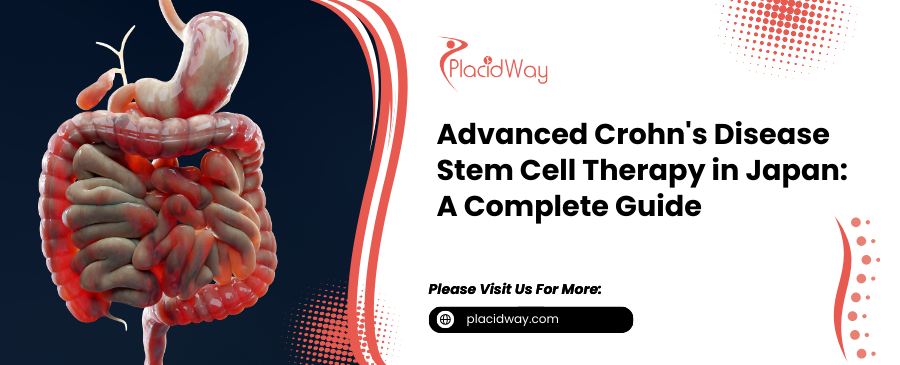
Stem cell treatment for Crohn’s disease in Colombia typically aims to reduce intestinal inflammation and promote tissue repair using mesenchymal stem cells. Many international patients explore this option to manage severe symptoms when conventional therapies fail. Always consult with a specialized gastroenterologist to determine if this regenerative therapy is medically appropriate for your condition.

Patients worldwide are increasingly exploring regenerative medicine to manage chronic intestinal inflammation, making stem cell therapy for Crohn’s disease a subject of high interest. When researching Stem Cell Therapy Centers in Colombia, it is vital to evaluate facility accreditation, specific medical board certifications, and the transparent costs of these specialized protocols. Understanding the complete scope of stem cell therapy helps you make an informed choice about traveling abroad for this advanced medical care while prioritizing your safety.
Quick Summary
- Estimated Cost: Usually ranges from $6,000 to $12,000 USD depending on the specific protocol and cell count required.
- Safety Overview: Colombia features a robust Ministry of Health that regulates regenerative medicine clinics.
- Ideal Candidate: Patients with moderate to severe Crohn’s disease who have not responded well to standard biological therapies.
- Recovery Time: Typically involves a few days of rest with outpatient monitoring before traveling home.
- Main Reason Patients Choose Colombia: Access to advanced mesenchymal stem cell therapies at significantly lower costs than in North America.
- Important Caution: Results vary widely among individuals, and this therapy is not a guaranteed cure for autoimmune conditions.
Why Patients Choose Stem Cell Treatment for Crohns Disease in Colombia
Dealing with inflammatory bowel disease often means navigating a complex cycle of flare ups, medication adjustments, and ongoing discomfort. When conventional treatments like immunosuppressants and biologics fail to provide lasting relief, many patients begin seeking alternative therapies. Colombia has emerged as a prominent destination for regenerative medicine due to its combination of advanced medical infrastructure, highly trained specialists, and rigorous clinical protocols.
- Significantly lower treatment costs compared to the United States and Canada
- Access to expanded mesenchymal stem cell protocols often restricted in other regions
- High standards of medical care in internationally recognized clinics in cities like Bogota and Medellin
- Shorter wait times for specialized consultations and personalized treatment plans
- Opportunities to recover in a supportive environment with favorable climates
Source: Global Regenerative Medicine Travel Report 2024
Understanding How Stem Cells Target Crohns Disease Intestinal Inflammation
Crohn’s disease is characterized by an overactive immune system that attacks the gastrointestinal tract, leading to severe chronic inflammation. Mesenchymal stem cells are frequently utilized in regenerative protocols because they possess unique immunomodulatory properties. These cells can essentially communicate with the immune system, potentially downregulating the aggressive immune response that causes intestinal damage.
Once introduced into the body, these cells migrate toward areas of inflammation. They secrete various growth factors and anti-inflammatory cytokines that may help repair damaged mucosal tissue and promote the healing of fistulas, a common complication of the disease. While the biological mechanisms are promising, the clinical outcomes depend heavily on the severity of the disease at the time of treatment.
Before traveling to Colombia for treatment, ask your provider which specific type of cells will be used. Umbilical cord derived mesenchymal stem cells are currently the most common choice due to their high vitality and lower risk of immune rejection.
Patient Demographics and Medical Tourism Trends for Regenerative Medicine in Colombia
The landscape of international healthcare travel is rapidly evolving, with regenerative medicine taking a front seat. In recent years, Colombia has seen a steady increase in medical tourists seeking innovative therapies for chronic and autoimmune conditions. Patients traveling for Crohn’s disease treatment are typically between the ages of thirty and fifty, representing a demographic highly motivated to improve their quality of life after experiencing the limitations of conventional medicine.
Understanding these demographic shifts helps clinics tailor their services, offering multilingual support, specialized dietary accommodations, and streamlined travel assistance. The growing influx of international patients has also prompted Colombian health authorities to strictly enforce clinical standards, ensuring that medical tourists receive safe, evidence based care.
Source: Colombian Regenerative Medicine Clinical Registry 2025
Comparing the Cost of Stem Cell Therapy for Crohns Disease in Colombia Versus Other Countries
Financial considerations play a massive role when exploring healthcare options abroad. In North America and certain European nations, regenerative therapies are often classified as experimental and remain uncovered by major insurance plans, leaving patients with staggering out of pocket expenses. Colombia offers a compelling financial alternative without sacrificing medical quality, largely due to a lower cost of living and favorable exchange rates.
Patients must understand that affordable care does not mean compromised care. Many top tier clinics in Colombia maintain sophisticated laboratories for cell expansion and employ specialists who have trained internationally. However, prices will fluctuate based on the required cell count, the method of administration, and the length of the clinical protocol.
| Country | Estimated Cost Range in USD |
|---|---|
| Colombia | $6,000 to $12,000 |
| United States | $15,000 to $35,000 |
| Mexico | $7,000 to $14,000 |
| United Kingdom | $12,000 to $25,000 |
Itemized Cost Breakdown for Stem Cell Treatments in Colombia
Transparency in pricing is a crucial trust signal when selecting a medical provider. A reputable clinic should provide a detailed, itemized quote before you commit to traveling. Be wary of hidden fees or ambiguous package descriptions. An itemized breakdown helps you understand exactly where your money is going, from initial lab work to post procedural monitoring.
Most all inclusive packages in Colombia cover the core medical procedures, but you should always clarify if ground transportation and accommodations are included. Understanding these nuances ensures you can accurately budget for your entire medical journey.
| Treatment Component | Estimated Cost in USD |
|---|---|
| Initial Medical Consultation and Specialist Review | $150 to $300 |
| Comprehensive Diagnostic Blood Work and Imaging | $300 to $600 |
| Stem Cell Procurement and Laboratory Expansion | $4,500 to $8,500 |
| Clinical Facility Fees and Nursing Care | $500 to $1,200 |
| Post Treatment Medications and Supplements | $150 to $400 |
Ideal Candidates for Regenerative Crohns Disease Therapies in South America
Not every patient dealing with inflammatory bowel disease will benefit equally from cell based therapies. Proper patient screening is the foundation of ethical medical tourism. Doctors in Colombia will carefully evaluate your medical history, current symptom severity, and previous treatment responses to determine if you are a suitable candidate. The goal is to maximize the potential for remission while minimizing any risk of complications.
Ideal candidates usually have documented medical records showing a lack of response to standard treatments. Conversely, patients with active severe infections, history of certain cancers, or extremely compromised general health may be advised against this approach.
Favorable Indicators
- Moderate to severe active Crohn’s disease
- Documented failure of biologic therapies
- Presence of perianal fistulas
- Realistic expectations regarding clinical outcomes
Contraindications
- Active systemic infections
- Recent history of malignancies
- Severe malnutrition requiring urgent surgical intervention
- Inability to travel safely due to acute flare ups
Step by Step Treatment Timeline for International Patients Traveling to Colombia
Planning a medical trip requires a clear understanding of the treatment timeline. Knowing what to expect on a daily basis helps alleviate anxiety and allows you to arrange appropriate travel logistics. The protocol for managing autoimmune conditions typically spans several days to allow for comprehensive evaluation, treatment administration, and careful post procedure observation.
Patients are usually advised to arrive in Colombia at least a day before their scheduled clinical activities to rest and acclimate. The actual administration of stem cells is usually performed on an outpatient basis, meaning you will return to your hotel or recovery accommodation each evening.
| Timeline | Clinical Activity and Patient Expectation |
|---|---|
| Day 1 | Arrival, initial specialist consultation, and comprehensive blood tests. |
| Day 2 | Review of lab results, final treatment plan confirmation, and preparatory therapies. |
| Day 3 | Primary stem cell administration via intravenous infusion or localized injection. |
| Day 4 | Rest period and outpatient clinical observation for any immediate adverse reactions. |
| Day 5 | Final medical evaluation, discharge instructions, and clearance for travel home. |
Important Government Certifications to Verify for Clinics in Colombia
Ensuring patient safety means thoroughly vetting the clinic before you travel. In Colombia, healthcare facilities must adhere to strict regulatory standards overseen by the Ministry of Health and Social Protection. Furthermore, any clinic handling biological materials must comply with specific laboratory regulations. Verifying these credentials protects you from unregulated practitioners and guarantees a baseline of medical quality.
When evaluating a clinic, you should explicitly ask for their regulatory licensing numbers. Reputable providers are transparent about their compliance with local laws and will readily share this information with prospective international patients.
Facility Verification Checklist
- Active license from the Colombian Ministry of Health
- Certification from INVIMA for the handling of biological materials
- Transparent documentation regarding the source of their stem cells
- On site emergency protocols and access to intensive care capabilities
How to Verify Surgeon and Doctor Credentials for Cell Therapies in Colombia
The expertise of the medical team is just as crucial as the facility itself. Stem cell therapy for autoimmune disorders requires a nuanced understanding of gastroenterology, immunology, and regenerative medicine. The overseeing physician should hold specialized board certifications and be registered with the national medical council in Colombia.
Do not hesitate to inquire about the doctor’s specific experience in treating Crohn’s disease with cellular therapies. You can verify a doctor’s credentials by checking their registration with the Colombian Medical Federation or relevant specialty societies. A qualified doctor will take the time to answer your questions thoroughly during a preliminary virtual consultation.
Expected Recovery and Post Treatment Monitoring in Colombia
The recovery phase following a cellular infusion is generally mild compared to invasive surgical procedures. Because the treatment involves manipulating the immune system, patients must closely monitor their body’s response in the days and weeks following the therapy. Mild fatigue and minor fluctuations in body temperature are common immediate reactions as the body processes the new biological material.
Before leaving Colombia, your medical team will establish a structured follow up schedule. This often involves virtual consultations and coordination with your local gastroenterologist back home to monitor inflammatory markers and track the long term healing of the intestinal mucosa.
| Timeframe | Biological Process | Patient Sensation | Action Required |
|---|---|---|---|
| 24 to 48 Hours | Initial systemic distribution of cells and immune modulation. | Mild fatigue, possible low grade fever, or temporary headache. | Rest, stay hydrated, and monitor temperature. |
| 1 to 4 Weeks | Cellular homing to areas of inflammation and cytokine release. | Gradual stabilization of energy levels and initial symptom relief. | Maintain prescribed diet and report any severe pain. |
| 3 to 6 Months | Tissue repair and mucosal healing processes within the digestive tract. | Potential reduction in disease flare ups and improved digestion. | Follow up blood work and possible endoscopic evaluation. |
Potential Risks and Contraindications of Stem Cell Infusions for Autoimmune Diseases
While regenerative therapies offer hope for many patients, they are not completely without risk. It is imperative to approach this treatment with a realistic understanding of potential complications. The most significant risks involve adverse immune reactions or the theoretical risk of cellular proliferation in unwanted areas, although this is extremely rare with properly cultivated mesenchymal stem cells.
Your doctor should discuss all potential risks during your consultation. Evasive answers or claims that the treatment is entirely risk free are major red flags. A trustworthy clinic prioritizes patient education and complication management over aggressive marketing tactics.
Important Warning: Stem cell therapy can alter your immune response. If you develop a high fever, severe abdominal pain, or unexpected bleeding after your treatment, you must seek immediate emergency medical attention. Never ignore acute symptoms under the assumption that they are a normal part of the healing process.
Comparing Autologous and Allogeneic Stem Cell Sources Used in Colombia
Understanding the source of the cells is critical when evaluating a treatment protocol. Clinics in Colombia generally utilize two primary types of mesenchymal stem cells: autologous and allogeneic. Autologous cells are harvested from your own body, typically from adipose fat tissue or bone marrow. Allogeneic cells are sourced from a healthy donor, most commonly from ethically donated umbilical cord tissue.
For patients with severe autoimmune conditions like Crohn’s disease, doctors often prefer allogeneic umbilical cord cells. These cells are considered younger, highly potent, and naive, meaning they have not been exposed to the patient’s existing inflammatory environment, which may compromise the quality of their own autologous cells.
| Cell Source | Primary Advantages | Considerations for Crohns Patients |
|---|---|---|
| Autologous (Own Tissue) | Zero risk of disease transmission or immune rejection. | Harvesting requires a minor surgical procedure, and cells may be affected by the patient’s existing chronic illness. |
| Allogeneic (Umbilical Cord) | High cellular vitality, no harvesting procedure required for the patient, and strong immunomodulatory properties. | Must be sourced from a rigorously screened and certified laboratory to ensure absolute safety and purity. |
Preparing for Your Medical Journey to Colombia
Preparation is the key to a smooth and stress free medical travel experience. Once you have selected a certified clinic and completed your initial virtual consultations, you need to focus on logistics and physical preparation. Your clinic will likely provide a pre treatment protocol, which may involve dietary restrictions or temporary adjustments to your current medication regimen.
Do not alter your biological therapies or immunosuppressant medications without explicit coordination between your local gastroenterologist and the medical team in Colombia. Sudden cessation of certain medications can trigger a severe flare up right before your travel dates.
- Compile all recent medical records, colonoscopy reports, and blood test results in both physical and digital formats
- Secure comprehensive medical travel insurance that covers unforeseen complications or trip cancellations
- Arrange accommodations close to the clinic to minimize transit time during your recovery days
- Inform your local healthcare provider about your travel plans to ensure seamless continuity of care upon your return
Navigating the Colombian Healthcare System as an International Patient
Colombia boasts one of the most advanced healthcare systems in Latin America, featuring highly ranked private hospitals and state of the art clinics. For international patients, the system is generally very accessible. Most medical tourists interact exclusively with the private healthcare sector, which is accustomed to serving international clients and often employs bilingual staff.
To ensure a smooth experience, many reputable clinics provide a dedicated patient coordinator. This individual assists with language translation, schedules your clinical appointments, and helps navigate any cultural differences in medical communication, allowing you to focus entirely on your treatment and recovery.
Dietary and Lifestyle Adjustments After Stem Cell Therapy for Digestive Health
Cellular therapy is not a standalone cure; it works best when integrated into a broader holistic health plan. Following your treatment in Colombia, your diet will play a crucial role in maintaining a favorable environment for cellular repair in the gastrointestinal tract. Patients are generally advised to follow an anti inflammatory diet tailored to their specific tolerances.
Avoiding ultra processed foods, refined sugars, and known trigger foods is essential. Your medical team may also recommend specific high quality supplements to support gut health and maintain the immunomodulatory momentum initiated by the treatment.
Measuring Success and Realistic Expectations for Crohns Remission
Managing expectations is vital when undertaking regenerative therapies. Success in the context of Crohn’s disease does not always mean a complete and permanent cure. For many patients, a successful outcome is defined by a significant reduction in symptom severity, fewer flare ups, decreased reliance on heavy immunosuppressant medications, and an overall improvement in daily quality of life.
It may take several months to fully assess the clinical impact of the treatment. Continuous monitoring through routine blood tests to check inflammatory markers like CRP, along with periodic endoscopic evaluations, will help you and your doctors objectively measure the therapy’s success over time.
Accommodations and Accessibility for Patients with Inflammatory Bowel Disease
Traveling with an inflammatory bowel disease requires careful consideration of comfort and accessibility. When booking your stay in Colombia, prioritize accommodations that offer immediate access to private bathrooms, basic kitchen facilities for dietary control, and a quiet environment conducive to rest.
Major medical hubs like Bogota, Medellin, and Cartagena offer a wide array of boutique hotels and serviced apartments that cater specifically to medical tourists. Your clinic’s patient coordinator can often recommend trusted lodging partners who understand the unique needs of patients recovering from medical procedures.
Frequently Asked Questions About Stem Cell Treatment for Crohns Disease in Colombia
Is stem cell therapy a guaranteed cure for Crohn’s disease?
No, stem cell therapy is not a guaranteed cure for Crohn’s disease. It is a regenerative approach that aims to manage inflammation and promote mucosal healing. Results vary widely among patients, and it should be viewed as a tool to help achieve and maintain remission rather than a permanent cure.
How long do I need to stay in Colombia for the treatment?
Most international patients are advised to stay in Colombia for five to seven days. This timeframe allows for initial medical consultations, laboratory testing, the treatment administration, and a few days of crucial post procedural monitoring before flying home.
Will my health insurance cover the cost of stem cell treatment in Colombia?
Standard health insurance plans typically do not cover stem cell therapy for Crohn’s disease, as it is often considered an elective or experimental procedure by major insurers. Patients should expect to pay for the treatment out of pocket.
What type of stem cells are most commonly used in Colombia for this condition?
Clinics in Colombia frequently use allogeneic mesenchymal stem cells derived from ethically donated umbilical cord tissue. These cells are favored for their high vitality and potent immunomodulatory properties without requiring a surgical harvesting procedure from the patient.
Are the medical facilities in Colombia safe and regulated?
Yes, reputable clinics in Colombia operate under strict regulations enforced by the Ministry of Health and INVIMA. It is crucial for patients to independently verify a clinic’s licensing and the medical board certifications of their doctors before committing to treatment.
Do I need to stop my current biologic medications before the treatment?
Never stop your biological medications without consulting both your local gastroenterologist and the medical team in Colombia. Medication adjustments must be carefully managed to prevent severe disease flare ups prior to your travel.
How is the stem cell therapy administered?
For Crohn’s disease, stem cells are most commonly administered via a systemic intravenous infusion. In some specific cases involving perianal fistulas, localized injections may also be performed to target tissue repair directly.
What happens if I experience a complication after returning home?
Reputable clinics provide structured post treatment follow up programs via virtual consultations. However, you must have a local gastroenterologist willing to collaborate with your Colombian medical team to manage any unexpected complications or acute flare ups back home.
Is the treatment painful?
The intravenous administration of stem cells is generally not painful and is similar to a standard IV drip. If autologous cells are used, the harvesting process (like a mini liposuction or bone marrow draw) involves local anesthesia and minor discomfort.
How long does it take to see improvements after the therapy?
Some patients report improvements in energy and mild symptom relief within a few weeks. However, significant structural healing of the intestinal mucosa and reduction in inflammatory markers typically take three to six months to evaluate accurately.
PlacidWay can help you compare top rated providers in Colombia, understand specific treatment costs, evaluate cell protocols, and connect directly with certified medical teams.
Related Stem Cell Therapy Resources on PlacidWay
Disclaimer: This information is for educational purposes only and does not replace professional medical advice. Always consult a qualified healthcare provider before making medical decisions.
References
- Global Regenerative Medicine Travel Report 2024 – International Healthcare Travel Trends
- Colombian Regenerative Medicine Clinical Registry 2025 – Ministry of Health Data Reports
- Clinical Guidelines for the Management of Inflammatory Bowel Disease – American Gastroenterological Association
- Regulatory Standards for Biological Materials – National Food and Drug Surveillance Institute (INVIMA) Colombia
- Patient Guide to Cellular Therapies – International Society for Stem Cell Research
- Traveler Health Guidelines for Colombia – Centers for Disease Control and Prevention