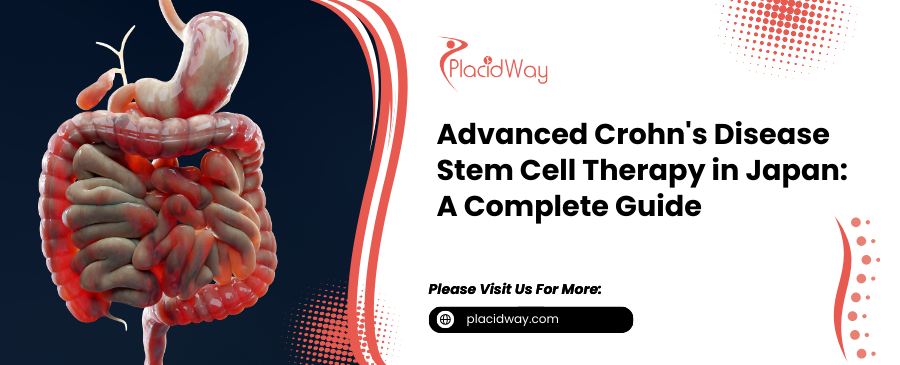
Stem cell therapy for Crohns disease in Japan provides an advanced regenerative option focused on reducing severe gastrointestinal inflammation and encouraging mucosal healing. Patients evaluating these protocols must choose facilities strictly licensed by the Japanese Ministry of Health to ensure rigorous safety compliance. Always consult your primary gastroenterologist to determine if this specialized treatment aligns with your specific medical condition.
Quick Summary
- Estimated cost in USD typically ranges between fifteen thousand and twenty five thousand dollars depending on the specific protocol and required dosages.
- Safety oversight is strictly managed by the Japanese Ministry of Health Labour and Welfare under the Act on the Safety of Regenerative Medicine.
- Ideal candidates are patients with moderate to severe autoimmune bowel inflammation who have not responded well to traditional biologics or standard medications.
- Recovery time varies but many patients resume light daily activities within a few days after their intravenous infusion.
- Main reason patients choose Japan is the highly regulated medical framework ensuring exceptional quality control during cell cultivation.
- Important caution is that outcomes are not guaranteed and ongoing coordination with your local gastroenterologist remains essential.
Understanding Stem Cell Therapy for Crohns Disease in Japan
Crohns disease is a chronic inflammatory bowel condition that causes severe irritation across the digestive tract leading to abdominal pain and severe malnutrition. Standard treatments often rely on immunosuppressive medications and biological therapies to manage flare ups. When these conventional methods prove insufficient some patients begin researching regenerative medicine options abroad to seek potential relief from chronic symptoms.
Mesenchymal stem cells are frequently utilized in these advanced therapeutic protocols due to their unique immunomodulatory properties. These specialized cells are typically administered intravenously with the goal of regulating the overactive immune response and promoting the repair of damaged intestinal tissues. Japan has become a central hub for this specialized care due to its advanced biotechnology sector and stringent medical oversight.
Potential Biological Benefits
- May reduce severe intestinal inflammation
- Potential to promote mucosal tissue healing
- Uses minimally invasive intravenous delivery
- Strict regulatory oversight ensures high cell quality
Important Considerations
- Therapy outcomes vary significantly between patients
- Treatment is not a permanent cure for autoimmune diseases
- Requires international travel and logistical planning
- Not typically covered by standard medical insurance
Why International Patients Travel for Regenerative Medicine
Patients dealing with persistent gastrointestinal inflammation often face exhaustion from continuous medication changes and disruptive symptoms. The primary motivation for seeking treatment overseas is access to innovative protocols that may not yet be approved or widely available in their home countries. The search for a better quality of life drives many individuals to look beyond their local healthcare systems.
The Japanese government proactively established clear legal frameworks to govern regenerative therapies making the country a highly trusted destination. This legal structure ensures that only thoroughly vetted clinics and laboratories can cultivate and administer human cells. Patients appreciate this transparency and the elevated safety standards enforced by national medical boards.
International patients consistently report that the combination of advanced cellular biotechnology and the renowned hospitality of the Japanese medical system provides a deeply supportive environment during a vulnerable health journey.
Patient Demographics and Medical Travel Trends in Japan
Tracking the demographics of patients traveling for advanced autoimmune therapies reveals significant shifts in global medical tourism patterns. Recent data highlights a steady increase in individuals seeking regulated regenerative treatments particularly from regions where such therapies face lengthy approval processes. Understanding these trends helps illustrate why certain countries emerge as leaders in specific medical specialties.
The following statistical visualization illustrates the documented annual volume of cross border patients entering Japan specifically for regenerative medicine procedures between the years twenty twenty four and twenty twenty six. The steady upward trajectory reflects growing international confidence in the regulatory frameworks established by Japanese health authorities.
Source: Japan Health Tourism Data Registry Annual Report on Inbound Medical Travel 2026.
Alongside overall volume the geographical origins of these patients provide critical insight into global healthcare gaps. Patients from North America and East Asia represent the largest contingents utilizing these specialized facilities often citing the desire for strict regulatory oversight and advanced laboratory techniques. The bar chart below breaks down patient origin regions for autoimmune stem cell therapies recorded during the year twenty twenty five.
Source: Global Autoimmune Medical Travel Insights Demographic Analysis 2025.
Ideal Candidates for Crohns Disease Stem Cell Treatments
Not every patient dealing with bowel inflammation is an appropriate candidate for cell based therapies. A thorough medical evaluation by a specialized medical team is absolutely necessary to determine clinical suitability. Doctors review comprehensive medical records including recent colonoscopy results blood panels and medication history to ensure the treatment is safe and potentially beneficial.
Ideal candidates typically have a confirmed diagnosis of moderate to severe autoimmune bowel disease that has proven resistant to conventional pharmacological interventions. Patients must be medically stable enough to undergo travel and tolerate intravenous infusions without significant immediate health risks. Those with active severe infections or certain coexisting conditions may be excluded from therapy.
Patient Suitability Checklist
- Confirmed diagnosis of autoimmune intestinal inflammation
- Documented resistance or intolerance to standard biologic medications
- Absence of active systemic infections or undiagnosed malignancies
- Ability to travel internationally and remain stable during transit
- Commitment to long term follow up care with a local physician
Comprehensive Cost of Treatment in Japan
Financing medical care abroad requires a clear understanding of all potential expenses involved in the journey. The financial investment for regenerative protocols varies based on the required cell dosage the specific laboratory cultivation techniques and the length of the recommended medical program. Patients must also factor in travel accommodations and specialized medical coordination services.
When reviewing treatment quotes it is crucial to request an itemized breakdown to avoid unexpected charges. Comprehensive packages often include medical consultations laboratory blood work the cellular infusion procedure and initial follow up appointments. However ongoing medication and extended hotel stays are usually billed separately requiring careful budget planning.
| Treatment Component | Estimated Cost Range in USD |
|---|---|
| Initial Medical Consultation and Screening | Five hundred to one thousand dollars |
| Cell Cultivation and Preparation | Eight thousand to twelve thousand dollars |
| Intravenous Infusion Procedure | Five thousand to eight thousand dollars |
| Medical Coordination and Interpreter Services | One thousand to two thousand dollars |
| Estimated Total Medical Package | Fifteen thousand to twenty three thousand dollars |
Global Cost Comparison for Autoimmune Therapies
Comparing costs across different international medical hubs helps patients understand the value proposition of traveling to a specific destination. While North American clinics often present significantly higher price points for advanced therapies due to complex healthcare administration costs Asian and Latin American centers provide more competitive pricing. However cost should never be the sole deciding factor when evaluating complex cellular interventions.
The pricing in Tokyo or Osaka reflects the high standard of laboratory technology and stringent regulatory compliance required by the government. While slightly more expensive than some emerging medical tourism destinations the elevated level of safety oversight provides invaluable peace of mind for international travelers seeking reliable medical care.
| Medical Destination | Average Estimated Cost in USD | Regulatory Environment |
|---|---|---|
| United States | Twenty five thousand to forty thousand dollars | Highly regulated by FDA |
| Japan | Fifteen thousand to twenty five thousand dollars | Strictly regulated by MHLW |
| Mexico | Ten thousand to eighteen thousand dollars | Regulated by COFEPRIS |
| Panama | Fifteen thousand to twenty two thousand dollars | Regulated by Ministry of Health |
Choosing Accredited Stem Cell Hospitals in Japan
Selecting the right clinical facility is the most critical decision a patient will make during their medical tourism journey. The Japanese government strictly enforces the Act on the Safety of Regenerative Medicine which categorizes cellular therapies by risk level. Clinics must pass rigorous inspections to obtain certification to administer specific types of cell therapies.
Patients must verify that the chosen hospital holds explicit approval from the Ministry of Health Labour and Welfare to perform treatments for autoimmune conditions. Furthermore evaluating the in house laboratory standards is essential since cell viability directly impacts potential therapeutic outcomes. Transparent clinics readily provide their government certification numbers upon request.
Facility Vetting Checklist
- Verify explicit Ministry of Health certification for regenerative medicine
- Check for an onsite certified cell processing facility or trusted laboratory partner
- Ensure the clinic offers dedicated English speaking medical coordinators
- Request detailed protocols regarding complication management and emergency care
How to Verify Japanese Stem Cell Surgeon Credentials
The expertise of the physician overseeing your protocol is just as important as the facility itself. In reputable Japanese clinics treatments are administered by board certified specialists who possess deep knowledge of both immunology and regenerative cellular biology. Verifying a doctors credentials ensures you are receiving care from a highly qualified professional.
Look for physicians who hold active memberships in respected organizations such as the Japanese Society for Regenerative Medicine or the Japanese Society of Gastroenterology. These professional affiliations indicate a commitment to continuous medical education and adherence to the latest clinical guidelines. Do not hesitate to ask about the doctors specific experience volume in treating intestinal inflammation with cellular therapies.
| Credential Type | What to Look For |
|---|---|
| National Licensing | Active medical license issued by the Japanese government |
| Specialty Certification | Board certification in gastroenterology or immunology |
| Regenerative Expertise | Membership in the Japanese Society for Regenerative Medicine |
| Clinical Experience | Documented history of treating autoimmune bowel diseases |
The Medical Journey and Treatment Timeline
Understanding the procedural timeline helps patients plan their travel and manage expectations effectively. The journey typically begins long before boarding a flight involving comprehensive remote medical consultations and the secure transfer of medical records. Once approved for treatment patients coordinate travel dates based on the specific laboratory cultivation schedule required for their therapy.
Upon arrival in the destination city patients usually attend an in person consultation to finalize the treatment plan and complete necessary blood work. The actual infusion process is generally completed on an outpatient basis allowing patients to recover in the comfort of their hotel. The entire medical trip typically spans one to two weeks depending on clinic protocols.
Pre Arrival Preparation Phase
Involves submitting detailed medical records participating in video consultations with the medical team and arranging travel visas and accommodations.
Clinical Treatment Phase
Includes in person diagnostic testing finalizing the cellular preparation and administering the intravenous infusion under strict medical supervision.
Immediate Follow Up Phase
Requires remaining in the city for a few days to monitor for any immediate adverse reactions before receiving medical clearance to travel home.
Expected Recovery After Stem Cell Infusion
The immediate recovery period following an intravenous cell infusion is typically mild for most patients. Because the procedure is non surgical it does not involve the extended healing timelines associated with invasive abdominal operations. However patients are advised to rest and avoid strenuous activities as their body begins to process the new cellular material.
It is important to understand that regenerative medicine works gradually at a cellular level. Patients should not expect immediate symptom relief overnight. The immunomodulatory effects take time to manifest and noticeable improvements in bowel function or energy levels may take several weeks to months to become apparent. Close monitoring by a local physician is critical during this period.
| Timeframe | Typical Biological Process | Patient Sensation | Action Required |
|---|---|---|---|
| First 24 Hours | Initial systemic circulation of infused cells | Mild fatigue or low grade temporary fever | Rest deeply and stay hydrated in hotel |
| Days 2 to 7 | Cells begin interacting with immune system | Gradual return of normal energy levels | Resume light walking and basic activities |
| Weeks 4 to 12 | Ongoing immunomodulation and tissue repair | Potential gradual decrease in flare up frequency | Maintain standard prescribed medications |
| Months 3 to 6 | Long term systemic cellular integration | Possible improvements in overall gut comfort | Schedule follow up colonoscopy locally |
Biological Mechanisms of Mesenchymal Stem Cells
Mesenchymal stem cells are highly valued in autoimmune therapies due to their distinct ability to home in on areas of active inflammation within the body. When introduced into the bloodstream these cells interact closely with the immune system potentially suppressing the aggressive autoimmune response that causes severe intestinal damage. This complex biological interaction is the foundation of the therapy.
In addition to calming the immune system these specialized cells secrete vital growth factors and cytokines that promote tissue regeneration. This paracrine effect encourages the damaged mucosal lining of the intestines to begin repairing itself potentially leading to sustained mucosal healing. This dual action approach addresses both the root inflammation and the resulting tissue damage.
While the exact cellular pathways are still being studied extensively in clinical trials evidence suggests that mesenchymal cells play a critical role in restoring immune homeostasis within the gastrointestinal tract.
Potential Risks and Important Safety Considerations
All medical procedures inherently involve a degree of risk and regenerative medicine is no exception. While the intravenous administration of cells is generally considered safe when performed in a highly regulated clinical setting patients must be aware of potential complications. Thorough patient screening is the most effective method for minimizing these risks before proceeding with therapy.
Common mild side effects may include temporary fatigue headaches or a slight fever shortly after the infusion as the body reacts to the cellular material. More serious complications are exceptionally rare but require immediate medical attention. Patients must ensure their chosen clinic has comprehensive emergency protocols in place to handle any unexpected adverse events.
Risk Management Guidelines
- Always disclose your complete medical history including past infections or cancers
- Never stop taking your prescribed gastroenterology medications without doctor approval
- Monitor your temperature closely for the first forty eight hours post infusion
- Ensure you have a designated local physician ready to assist upon returning home
Regulatory Framework Protecting International Patients
The Japanese legal system provides one of the most comprehensive regulatory environments for cellular therapies globally. The Pharmaceuticals and Medical Devices Agency works in tandem with the Ministry of Health Labour and Welfare to continuously monitor clinical safety standards. This dual oversight ensures that patient safety remains the highest priority across all licensed medical facilities.
Under the specialized regenerative medicine laws clinics must submit extensive documentation proving the safety and scientific validity of their protocols before treating patients. Laboratories processing human cells undergo strict independent audits to maintain their operational licenses. This exceptional level of transparency provides international travelers with significant reassurance when seeking complex treatments abroad.
Ministry Verification Process
Clinics receive specific registration numbers indicating they meet national safety standards for specific cellular treatments. Patients can request these verification numbers directly.
Laboratory Auditing
Cell processing centers face mandatory government inspections to guarantee sterile environments preventing contamination and ensuring optimal cell viability.
Alternative and Complementary Therapies
Regenerative medicine should be viewed as one component of a comprehensive disease management strategy rather than a standalone cure. Patients frequently combine cellular therapies with other medical approaches to maximize potential symptom relief. Discussing how these treatments interact with your current medical regimen is crucial during your initial consultation.
Standard biologics dietary modifications and stress management techniques remain fundamental to managing bowel inflammation. Some patients explore holistic approaches alongside regenerative treatments to support overall systemic health. However any complementary therapies must be carefully coordinated with your primary healthcare provider to prevent negative interactions.
| Therapy Type | Primary Function | Considerations |
|---|---|---|
| Biologic Medications | Target specific inflammatory proteins | Standard of care but may lose efficacy over time |
| Dietary Management | Reduce digestive burden and identify triggers | Requires strict adherence and nutritional guidance |
| Surgical Intervention | Remove severely damaged intestinal segments | Invasive with extensive recovery periods |
| Cellular Therapy | Modulate overall immune system response | Experimental status requiring careful clinic vetting |
Preparing for Your Medical Trip to Japan
Organizing a cross border medical journey requires meticulous logistical planning especially when managing a chronic illness. Securing appropriate travel visas understanding local customs and arranging comfortable accommodations near the hospital are essential steps. Reducing travel stress directly contributes to a more positive physical state prior to receiving medical treatment.
Language barriers can cause anxiety in medical settings which is why utilizing professional medical coordination services is highly recommended. Many reputable clinics employ dedicated international patient departments that provide in house interpreters and assist with airport transfers. Having clear communication regarding your medical care is absolutely non negotiable.
Travel Planning Timeline
Begin gathering medical records and updating passports at least two months prior to your intended travel date. Secure flexible flight tickets and confirm interpreter availability at least four weeks before departure.
Long Term Management After Returning Home
The success of any specialized medical intervention relies heavily on the quality of aftercare received once the patient returns home. Regenerative therapies require long term monitoring to assess clinical efficacy and ensure patient safety. Prior to leaving the destination country patients must receive a comprehensive medical summary detailing the exact procedures performed.
Maintaining an open line of communication between the treating clinic abroad and your primary gastroenterologist at home is vital. Follow up blood tests and diagnostic imaging are typically required at specific intervals to track inflammation markers and tissue healing. Adhering strictly to this follow up schedule maximizes the potential benefits of the therapy.
Never attempt to manage post treatment care independently. Professional medical supervision is mandatory to safely navigate the complex recovery associated with autoimmune conditions.
Frequently Asked Questions About Stem Cell Therapy for Crohns Disease in Japan
Is stem cell therapy a guaranteed cure for Crohns disease
No treatment can guarantee a permanent cure for chronic autoimmune bowel conditions. Regenerative therapies aim to modulate the immune system and promote tissue healing potentially reducing symptom severity but outcomes vary significantly by patient.
Why do patients specifically choose Japan for this specialized treatment
Japan offers a highly regulated healthcare environment overseen by the Ministry of Health ensuring strict safety standards and advanced laboratory processing making it a globally trusted destination for regenerative medicine.
How much does the complete procedure typically cost in Tokyo
Depending on the required cell dosage and specific clinic protocols international patients typically expect comprehensive medical packages to range between fifteen thousand and twenty five thousand dollars.
Are international patients legally protected under Japanese healthcare regulations
Yes clinics treating foreign patients must hold specific government licenses under the Act on the Safety of Regenerative Medicine providing robust legal and clinical safety oversight.
How long must I remain in the country after receiving the infusion
Most medical protocols require patients to stay in the city for three to five days following the intravenous infusion to allow doctors to monitor for any immediate adverse reactions before flying home.
Will I need to stop taking my current prescribed biologics before treatment
Medication adjustments must be handled carefully by your medical team. Never stop taking prescribed biologics without explicit coordinated instructions from both your local gastroenterologist and the treating clinic.
What type of stem cells are most commonly used for bowel inflammation
Mesenchymal stem cells are primarily utilized due to their unique ability to suppress overactive immune responses and secrete growth factors that encourage damaged intestinal mucosal tissues to heal.
How do doctors determine if I am eligible for this medical procedure
Eligibility is determined through a rigorous screening process involving the review of recent colonoscopy reports blood panels complete medical history and consultations to ensure you are stable enough for therapy.
What are the most common side effects immediately following the procedure
The most commonly reported immediate side effects are mild fatigue low grade fever and minor headaches as the patients immune system initially reacts to the introduced cellular material.
How soon might I notice improvements in my gastrointestinal symptoms
Regenerative medicine works gradually at a cellular level. While some patients report changes within a few weeks significant immunomodulation and noticeable tissue repair typically take several months to evaluate properly.
PlacidWay can help you compare regulated providers understand detailed treatment costs ask the right medical questions and request specialized information from accredited clinics.
Related Stem Cell Therapy Resources on PlacidWay
Disclaimer: This information is for educational purposes only and does not replace professional medical advice. Always consult a qualified healthcare provider before making medical decisions.
References
- Mesenchymal Stem Cell Therapy for Crohn’s Disease – National Library of Medicine
- Act on the Safety of Regenerative Medicine – Ministry of Health Labour and Welfare Japan
- Clinical Efficacy of Stem Cells in Inflammatory Bowel Disease – Gastroenterology Journal
- Stem Cell Therapy Overview – Crohns and Colitis Foundation
- Regenerative Medical Products Regulation – Pharmaceuticals and Medical Devices Agency Japan
- Immunomodulatory Mechanisms of Mesenchymal Cells – Journal of Translational Medicine