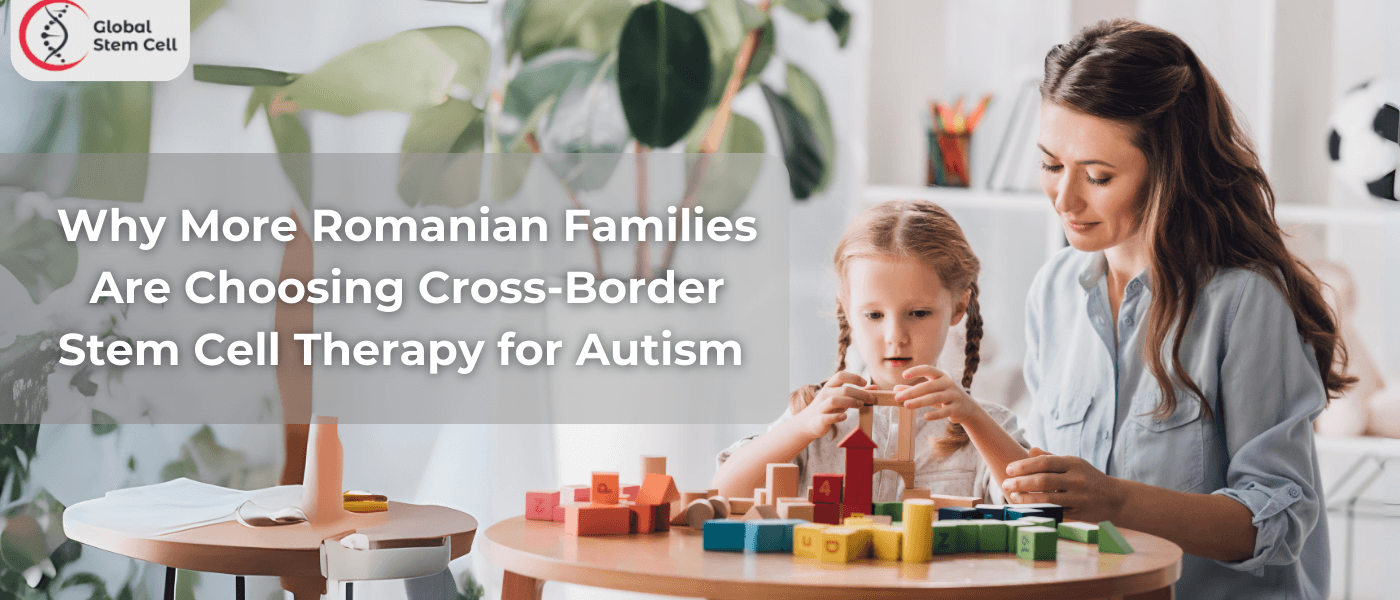
Stem cell therapy has been making waves as a promising treatment option for various conditions, including autism. However, while this therapy is gaining traction worldwide, stem cell therapy in Romania is still in its early stages, prompting many families to seek alternatives abroad. This trend is particularly evident among families of children with autism, who are exploring cross-border options to access advanced medical treatments that are not yet available or fully developed in Romania. But what is causing this exodus, and how are international facilitators like PlacidWay assisting Romanian families in their quest for better healthcare?
Current State of Stem Cell Therapy in Romania
Despite the potential of stem cell therapy to treat a wide range of health conditions, its application in Romania remains limited. The healthcare infrastructure in Romania, though improving, lacks the specialized facilities and research capabilities needed to support comprehensive stem cell treatments, especially for complex neurodevelopmental disorders like autism. Consequently, stem cell therapy in Romania is primarily restricted to experimental treatments and clinical trials that do not cover the full spectrum of therapeutic options.
Barriers to Accessing Stem Cell Therapy in Romania
There are several barriers preventing Romanian families from accessing effective stem cell therapy within the country:
- Limited Availability of Specialized Clinics: Romania has only a handful of clinics offering stem cell treatments, and most of these are focused on orthopedic and cosmetic applications rather than neurological disorders like autism.
- Regulatory Restrictions: The regulatory environment in Romania is cautious when it comes to approving new therapies, particularly those involving stem cells. This cautious approach is understandable, given the need to ensure safety and efficacy, but it also means that cutting-edge treatments are slow to become available.
- Lack of Public Awareness and Support: Many Romanian families are not fully aware of the potential benefits of stem cell therapy for autism. Public health programs and insurance providers offer limited support for these treatments, making it financially challenging for families to pursue them.
These challenges have driven a growing number of families to seek stem cell therapy abroad, where the regulatory frameworks, research capabilities, and treatment facilities are more conducive to innovative medical solutions.
Why Cross-Border Stem Cell Therapy is Attracting Romanian Families
Access to Advanced Treatments Not Available Locally
One of the main reasons Romanian families are choosing cross-border stem cell therapy is the ability to access advanced treatments that are not yet offered in Romania. Countries like Germany, Ukraine, and Turkey have established themselves as leaders in the field of regenerative medicine, with specialized clinics offering tailored stem cell therapies for autism. These clinics use advanced protocols and technology to optimize the therapeutic outcomes for each patient, making them an attractive option for families seeking comprehensive treatment plans.
Positive Clinical Results and Research Backing
Stem cell therapy for autism is still considered experimental in many parts of the world, but preliminary research and patient testimonials suggest promising results. International clinics often have the resources to conduct thorough clinical trials and research studies that support the safety and efficacy of their treatments. This research backing gives families more confidence in choosing cross-border options over the limited and less established options for stem cell therapy in Romania.
Holistic and Personalized Approach to Autism Treatment
International clinics offering stem cell therapy tend to adopt a holistic approach that considers the patient’s overall health and well-being. This includes a combination of stem cell treatments, nutritional support, behavioral therapy, and follow-up care to ensure lasting improvements. For families who have struggled with traditional therapies that focus narrowly on symptom management, this comprehensive approach can be a game-changer.
The Role of PlacidWay in Facilitating Cross-Border Stem Cell Therapy for Romanian Families
Navigating the complexities of cross-border healthcare can be daunting for families. This is where facilitators like PlacidWay come into play. PlacidWay connects Romanian families with internationally accredited clinics specializing in stem cell therapy for autism. They provide a range of services that simplify the entire process, from initial consultation to post-treatment care.
| Service | Details |
|---|---|
| Comprehensive Treatment Options | PlacidWay offers a directory of vetted international clinics specializing in stem cell therapy. Families can compare clinics, review treatment protocols, and select options based on their needs and budget. |
| Travel and Accommodation Assistance | PlacidWay helps families arrange travel, accommodation, and transportation, ensuring a smooth experience throughout their medical journey. |
| Translation and Cultural Support | To overcome language barriers and cultural differences, PlacidWay provides translation services and cultural support, allowing families to communicate effectively with medical professionals and adapt to their new environment. |
Emerging Trends in Stem Cell Therapy for Autism Treatment
The growing interest in cross-border stem cell therapy has highlighted a few key trends in the field of autism treatment:
- Focus on Personalized Medicine: International clinics are increasingly emphasizing personalized treatment plans that consider each patient’s unique medical history, genetics, and response to therapy.
- Use of Combination Therapies: Many clinics are combining stem cell therapy with other modalities, such as hyperbaric oxygen therapy (HBOT) and nutritional interventions, to enhance therapeutic outcomes.
- Integration of Behavioral Therapies: To maximize the benefits of stem cell therapy, clinics are integrating it with behavioral and developmental therapies that target specific symptoms of autism.
Challenges and Considerations for Stem Cell Therapy in Romania
While the interest in stem cell therapy is growing, there are several considerations that families must keep in mind:
- Choosing the Right Clinic: Not all clinics offering stem cell therapy are equally reputable. It is essential to choose a clinic with a proven track record, qualified medical staff, and strict adherence to international standards.
- Understanding the Risks: Stem cell therapy, especially for autism, is still an emerging field. Families should have realistic expectations about the potential outcomes and understand the risks involved.
- Financial Burden: Stem cell therapy can be expensive, and the cost of traveling abroad for treatment adds to the overall financial burden. Exploring financing options, insurance coverage, and support from facilitators like PlacidWay can help alleviate some of these costs.
The Future of Stem Cell Therapy in Romania
There is a growing call for Romania to invest in its own stem cell research and treatment infrastructure. Expanding local capacity would reduce the need for cross-border travel and make these treatments more accessible to a wider range of patients. Initiatives to increase public awareness, support clinical research, and develop specialized facilities could position Romania as a leader in regenerative medicine in Eastern Europe.
FAQs
Is stem cell therapy for autism available in Romania?
Stem cell therapy for autism is currently limited in Romania, with most treatments focused on experimental applications and clinical trials.
What are the main barriers to accessing stem cell therapy in Romania?
The main barriers include limited availability of specialized clinics, regulatory restrictions, and lack of public awareness and financial support.
Why do Romanian families seek cross-border stem cell therapy for autism?
Families seek cross-border therapy due to the unavailability of advanced treatments in Romania and the positive clinical outcomes reported by international clinics.
What role does PlacidWay play in helping Romanian families access cross-border stem cell therapy?
PlacidWay connects families with accredited international clinics, provides personalized assistance, and helps coordinate the entire medical travel process.
Which countries are popular for cross-border stem cell therapy for autism?
Countries like Germany, Turkey, Ukraine, and Mexico are popular due to their advanced facilities and specialized expertise in stem cell therapy.
Are there any risks associated with stem cell therapy for autism?
As with any medical treatment, there are potential risks. It is essential to choose reputable clinics that follow strict safety and ethical guidelines to minimize these risks.
Ready to explore advanced autism treatment options for your loved one? Discover how PlacidWay can connect you with top clinics for stem cell therapy today!