Which Countries Offer Affordable & High-Quality Stem Cell Therapy Abroad?

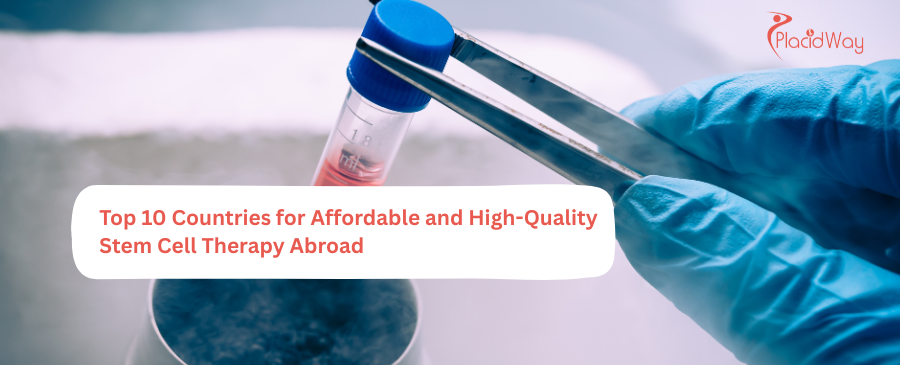
Top 10 Countries for Affordable and High-Quality Stem Cell Therapy Abroad

Top 10 Countries for Affordable and High-Quality Stem Cell Therapy Abroad

Many countries offer significant savings for stem cell therapy, often 40-80% less than in Western nations. These destinations balance regulatory oversight with advanced technology. For instance, orthopedic treatments in Mexico can range from $3,500 to $10,000 USD, making regenerative medicine more accessible globally.

Exploring international options for medical treatments, especially regenerative medicine, is becoming increasingly popular. Patients seek both cost-effectiveness and high standards of care. Stem cell therapy, a cutting-edge field, often presents significant financial barriers in developed countries. This leads many to consider medical tourism.

This comprehensive guide delves into the top global destinations for advanced cellular treatments. We examine countries that balance affordability with robust medical infrastructure and regulatory environments. Our aim is to provide clarity on where and how to access superior regenerative medicine. Understanding the global landscape of stem cell treatment empowers patients to make informed decisions for their health journey. This article will highlight the Top 10 Countries for Affordable and High-Quality Stem Cell Therapy Abroad.

We cover everything from treatment types and costs to essential safety guidelines and recovery expectations. Patients can confidently navigate their options by focusing on accredited facilities and expert medical professionals. Choosing an international destination for stem cell therapy can offer renewed hope and improved quality of life.

What Key Advantages Does Stem Cell Therapy Abroad Offer?

  • Significant Cost Savings: Patients can expect to save 40% to over 80% compared to treatment costs in the US or UK. This makes advanced regenerative medicine more financially accessible.
  • Access to Advanced Protocols: Many international hubs offer cutting-edge therapies not yet widely available in Western countries. This includes innovative allogeneic mesenchymal stem cell (MSC) treatments.
  • High-Quality, Accredited Facilities: Leading destinations feature JCI-accredited hospitals and clinics adhering to international standards. This ensures patient safety and quality of care.
  • Regulatory Oversight and Innovation: Countries like South Korea and Japan are global leaders in stem cell research. They combine stringent ethical guidelines with rapid technological advancement.
  • Comprehensive Treatment Packages: Many medical tourism providers offer all-inclusive packages. These cover accommodation, airport transfers, and translation services for a seamless patient experience.

How is Stem Cell Therapy Defined and What Are Its Mechanisms?

Stem cell therapy is a cutting-edge field within regenerative medicine focused on repairing damaged or dysfunctional tissues. It harnesses the unique properties of stem cells, which can differentiate into various cell types and self-renew indefinitely. This revolutionary approach aims to restore normal physiological function.

When administered, these powerful cells actively seek out injured areas in the body. Their primary therapeutic actions are multifaceted and vital for healing. They act as potent anti-inflammatory agents, significantly reducing swelling and discomfort. Stem cells also play a crucial role in immunomodulation, helping to regulate an overactive or dysfunctional immune system, which is particularly beneficial for autoimmune disorders. Furthermore, they release an array of growth factors that stimulate the body’s native cells. This promotes the regeneration of damaged structures such as cartilage, tendons, and nerves, fostering natural repair processes.

There are two primary categories of stem cells used in therapeutic applications: autologous and allogeneic. Autologous stem cells are harvested directly from the patient’s own body, typically from bone marrow or adipose (fat) tissue. This approach minimizes the risk of immune rejection, as the cells are genetically identical to the recipient. However, cell quality may diminish with age, and a minor surgical procedure is required for harvesting. In contrast, allogeneic stem cells are sourced from a donor, most commonly from ethically collected umbilical cord tissue. These mesenchymal stem cells (MSCs) are younger, more potent, and readily available for injection, often offering higher cell counts per treatment. Donor screening and rigorous laboratory processing ensure their safety and efficacy for allogeneic use.

The applications of regenerative medicine are continually expanding, addressing a wide array of medical conditions globally. High-demand treatments pursued abroad frequently target orthopedic injuries, offering relief for knee arthritis, chronic joint pain, and tendon issues like rotator cuff or Achilles injuries. Neurological disorders, including Multiple Sclerosis (MS), Parkinson’s disease, stroke recovery, and various neuropathies, also see significant therapeutic efforts. Autoimmune conditions such as rheumatoid arthritis, lupus, and Chronic Obstructive Pulmonary Disease (COPD) benefit from the immunomodulatory properties of stem cells. Additionally, many patients seek stem cell therapies for anti-aging and wellness protocols, aiming for general rejuvenation, combating fatigue, and improving overall cellular health.

What is the Current Evidence for Stem Cell Therapy and What are the Associated Risks?

Evidence & Outcomes: The efficacy of stem cell therapy is increasingly supported by clinical data, though results can vary by condition and individual patient. High-quality treatments aim to achieve significant pain reduction, improved mobility, and slow the progression of chronic diseases. For orthopedic issues like knee arthritis, a 50% reduction in chronic pain lasting 1-2 years is often considered a successful outcome, potentially delaying or even avoiding major surgery. Studies indicate that Mesenchymal Stem Cells (MSCs) have a half-life of 2–4 weeks in the body. However, their therapeutic effects can endure for months or years. This occurs by stimulating the patient’s own tissues to continue healing long after the initial cells have naturally degraded. Managing expectations and reviewing a clinic’s published outcome data are crucial steps in the decision-making process.

Risks & Contraindications: When performed in accredited and regulated clinics, stem cell therapy is generally considered safe. The most common risks are minor, including temporary pain, swelling, or bruising at the injection site. Rarely, an infection might occur. A significant risk associated with seeking treatment abroad is the potential for choosing an uncertified or “pop-up” clinic operating outside established regulatory frameworks. Patients must prioritize facilities with international accreditation, such as JCI, or strong local government oversight (e.g., COFEPRIS in Mexico, Ministry of Health in Turkey) to mitigate serious risks. Conditions typically deemed unsuitable for stem cell therapy include active cancer, ongoing severe infections, or unmanaged bleeding disorders. It is paramount to undergo a thorough candidacy evaluation by a qualified medical professional before proceeding, as individual results vary significantly and no “cures” or “guarantees” can be made.

Did You Know?

Did you know that South Korea is home to some of the world’s most advanced medical facilities, where patients often save significant amounts on specialized stem cell protocols while receiving care that meets or exceeds international hospital standards? Their focus on R&D often means access to institution-backed therapies.

How Do Stem Cell Therapy Costs Compare Globally?

The cost of stem cell therapy varies dramatically across the globe, primarily driving patients to seek treatment abroad. A single injection in highly affordable locations can start from as low as $2,000, contrasting sharply with complex protocols in the U.S. or Western Europe, which can exceed $50,000. These substantial price differences do not necessarily reflect a compromise in quality. Instead, they often result from lower operational costs, different regulatory landscapes, and government support for medical tourism. Patients benefit from accessing advanced treatments at a fraction of the price. This financial viability makes regenerative medicine a realistic option for many who would otherwise be unable to afford it at home. Factors like the type and dosage of stem cells, clinic reputation, and comprehensive package inclusions all play a role in the final price of treatment.

Cost Breakdown

Major Savings

Country Estimated Cost Average Savings
Turkey (Orthopedic) $3,000 – $5,000 Starting Point Best Value
United States (Orthopedic) $8,000 – $15,000 ~60% Savings
United Kingdom (Orthopedic) $9,000 – $18,000 ~65% Savings
Canada / Australia (Orthopedic) $8,500 – $16,000 ~60% Savings

Essential Facts & Pro-Tips

1
Fast Fact: Always verify a clinic’s laboratory certification (e.g., GMP, ISO). Countries like South Korea, Germany, and Japan are particularly renowned for their strict lab standards, ensuring cell quality.
2
Travel Tip: When planning your trip, confirm that your medical tourism package includes essential logistics like translation and ground transport. Allow for a few extra days in the destination for adequate rest before and after your procedure. This aids in optimal recovery.
3
Recovery Tip: Post-treatment recovery protocols emphasize rest and avoiding strenuous activities for 4-6 weeks. Follow a tailored rehabilitation plan to support new tissue regeneration. Light physical therapy or mobility exercises are often recommended for gradual improvement.

What Does a Typical Stem Cell Treatment Journey Entail?

The stem cell treatment journey abroad is carefully structured to maximize patient comfort and therapeutic outcomes. Efficiency is a hallmark of the medical experience in top destinations. The process minimizes downtime while ensuring every safety protocol is strictly followed. Preparation involves logistical planning and personal health optimization, including diet and specific medication adjustments. Clinics typically require a stay of 3 to 7 days for the complete protocol. This timeframe allows for thorough evaluations, the procedure itself, and crucial immediate post-procedure observation. The multidisciplinary team works to ensure a seamless and supportive experience.


Day 01
Initial Consultation & Diagnostic Tests
Patients undergo a comprehensive medical review, including recent records, imaging (X-rays, MRI), and blood tests. A specialist determines candidacy and outlines the personalized treatment plan.
Day 02 — 03
Stem Cell Procedure & Monitoring
The actual stem cell injection takes place, typically lasting 30 minutes to a few hours. Post-procedure, patients are closely monitored for any immediate reactions or side effects.
Day 04 — 05
Follow-up, Aftercare Instructions & Departure
Patients receive detailed aftercare instructions and undergo final check-ups. They are advised on recovery protocols, including activity restrictions and long-term follow-up expectations before returning home.

Frequently Asked Questions

1. Is Stem Cell Therapy abroad legal and safe?+

Yes, stem cell therapy abroad can be legal and safe. This depends heavily on choosing a clinic that operates within the strict regulatory framework of its country. Look for facilities governed by official bodies like COFEPRIS in Mexico or the Ministry of Health in Turkey. Safety is paramount and relies on the clinic’s international accreditation (e.g., JCI), adherence to Good Manufacturing Practice (GMP) lab standards for cell processing, and the verified expertise of the treating physician. Always conduct thorough research and verify credentials to ensure a secure treatment experience.

2. What is the difference between Autologous and Allogeneic stem cells?+

Autologous stem cells are derived from the patient’s own body, typically from fat or bone marrow. They offer a very low risk of immune rejection as they are a perfect match. However, their potency can decrease with the patient’s age, and harvesting requires a minor surgical procedure. Allogeneic stem cells, conversely, come from a screened donor source, most commonly umbilical cord tissue. These cells are generally younger, more potent, and readily available. They also offer the advantage of higher cell counts per treatment. Both types have distinct applications and benefits, depending on the specific medical condition.

3. Will my health insurance cover stem cell therapy abroad?+

In most cases, health insurance providers in the US, Europe, and other Western countries do not cover stem cell therapy abroad. This is primarily because many regenerative medicine treatments are still considered experimental, investigational, or non-standard of care by major insurers like Medicare. As a result, patients typically bear the full cost themselves. This lack of coverage is precisely why medical tourism for stem cell therapy has become such a financially viable and attractive alternative. It allows access to advanced treatments that would otherwise be unaffordable domestically.

4. How long does the stem cell procedure take, and how long must I stay?+

The actual stem cell injection procedure itself is usually quite quick, typically lasting anywhere from 30 minutes to a couple of hours, depending on the complexity and number of injection sites. However, most reputable international clinics recommend or require a longer stay, usually between 3 to 7 days. This extended period allows for initial consultations, thorough health screenings, the procedure itself, and crucial immediate post-procedure observation and monitoring. This ensures patient safety and optimal conditions for the cells to begin their regenerative work.

5. How soon will I see results after stem cell treatment?+

Unlike immediate relief often provided by steroid injections, the benefits of stem cell therapy are typically gradual. Cellular regeneration is a biological process that takes time to unfold. While some patients may report minor improvements within a few weeks, the most significant and measurable results usually become apparent between 3 and 6 months post-treatment. It’s essential to manage expectations and understand that this is a regenerative journey, not an instant fix. Consistent follow-up and adherence to aftercare protocols are vital for observing progress.

6. Are the stem cells expanded in a lab before injection?+

High-quality stem cell protocols in leading medical tourism destinations often involve cell expansion in a laboratory. This process, usually performed in a GMP-compliant lab, allows for growing the stem cells to high dosages. The goal is to ensure the patient receives the optimal number of viable cells, often ranging from 50 million to 300 million cells per treatment. Cell expansion is a key indicator of a clinic’s commitment to delivering potent and effective therapy. It is crucial to confirm the cell count and laboratory accreditation with your chosen provider before commencing treatment.

7. How do I choose a reputable clinic abroad?+

Selecting a reputable clinic requires careful due diligence. Prioritize facilities with international accreditations such as Joint Commission International (JCI). Verify local government regulation or Ministry of Health approval specific to regenerative medicine. Crucially, ensure the clinic operates or partners with a GMP-compliant laboratory for cell processing. The physician performing the procedure must be a specialist in the relevant field (e.g., orthopedic surgeon, neurologist) with specific training in cellular therapies. They should always use image guidance (ultrasound or fluoroscopy) for precise cell placement. Avoid any clinic that suggests “blind” injections or promises unrealistic outcomes.

8. What kind of support can I expect for medical tourism logistics?+

Reputable medical tourism facilitators, like PlacidWay, offer comprehensive support to streamline your treatment journey. This often includes arranging medical records review by specialists to determine candidacy and outline personalized protocols. Expect assistance with comparing quotes from vetted clinics, coordinating appointments, and handling travel logistics such as accommodation and airport transfers. Many packages also include professional translation services, ensuring clear communication with your medical team. This holistic approach aims to reduce stress and allow patients to focus entirely on their recovery and well-being. A dedicated medical concierge team guides you every step of the way, from initial inquiry to post-treatment follow-up.

Ready to Take the Next Step Towards Recovery?

Choosing the right destination for your medical care is significant. By opting for treatment abroad, you are not just saving on costs—you are gaining access to specialized clinicians and world-class care.

Get Your Free Quote Now

Related Resources

Medical Disclaimer: This article is for informational and educational purposes only and does not constitute medical advice, diagnosis, or treatment recommendations. The information provided is thoroughly researched but should not replace a consultation with a qualified healthcare professional. No guaranteed outcomes are promised. Always seek the advice of your physician or other qualified health provider with any questions you may have regarding a medical condition.

Picture of About Author: Hina Munawar

About Author: Hina Munawar

As the Editor of Global Stem Cell Therapy, I provide trusted, research-based information on stem cell treatments worldwide. With over a decade of experience in medical tourism, I guide patients toward safe, effective, and affordable therapies.

Related Articles

Discover affordable stem cell knee therapy in Germany for UK patients. Compare costs ($8K-$18.5K), understand success rates, and explore top clinics for your treatment.
Taiwanese patients opt for Japan's regenerative stem cell treatments due to rigorous safety standards, iPSC technology, broader access, and seamless medical tourism. Discover advanced care.
Discover why Chinese patients are increasingly choosing Japan for advanced stem cell therapy, highlighting strict safety, iPSC technology, transparent costs, and VIP patient support.
GSC Logo X
send