You can find highly rated clinics for knee arthritis stem cell therapy in Colombia across major medical hubs like Bogota, Medellin, and Cali. Many facilities are licensed by the Colombian Ministry of Health and offer international patient departments to ensure safe and structured regenerative orthopedic care.
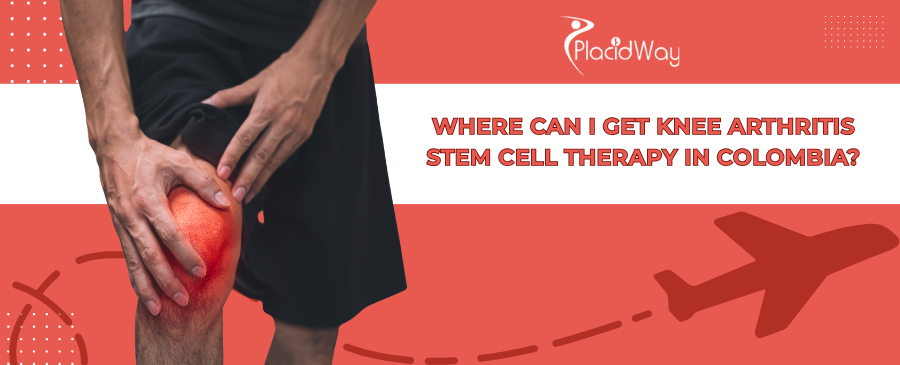
Patients exploring regenerative medicine options often look toward South America for advanced orthopedic care. Finding reliable Stem Cell Therapy Centers in Colombia requires looking closely at facility certifications from the Ministry of Health and ensuring doctors hold appropriate medical board registrations. This treatment can help manage joint pain at a competitive price without compromising strict safety and hygiene standards.
Quick Summary
- Estimated Cost Between 4000 and 8000 USD depending on the specific biological protocol used
- Safety Overview Highly regulated procedure when performed in Ministry of Health licensed Colombian facilities
- Ideal Candidate Patients suffering from mild to moderate osteoarthritis seeking alternatives to invasive joint replacement surgery
- Recovery Time Typically involves mild localized soreness for a few days followed by gradual joint mobility improvement over several weeks
- Why Choose Colombia The country combines highly skilled orthopedic specialists with modern medical infrastructure and affordable care
- Important Caution Always verify the treating surgeon is registered with the Colombian Medical Federation and authorized to perform regenerative injections
Understanding Knee Arthritis Stem Cell Therapy in Colombia
Living with chronic knee pain caused by osteoarthritis can drain your energy and severely limit your daily life. When conservative treatments like physical therapy and basic anti inflammatory medications no longer provide relief many patients begin searching for advanced regenerative solutions. Colombia has emerged as a leading destination for orthopedic regenerative medicine offering access to highly trained medical specialists who utilize modern biological therapies to address joint degeneration. The local healthcare infrastructure places a strong emphasis on evidence based protocols ensuring that international patients receive care that aligns with global safety standards. Medical travel to this region is largely driven by the combination of clinical excellence and transparent pricing models that make advanced orthopedic treatments more accessible.
International patients typically choose Colombian clinics for their regenerative joint care because these facilities often employ multidisciplinary teams consisting of orthopedic surgeons rheumatologists and specialized physical therapists. This comprehensive approach ensures that every aspect of the patient journey from the initial diagnostic imaging to the post injection rehabilitation is carefully managed. The focus is not simply on administering the therapy but on cultivating an environment where joint tissue can optimally heal and function can be restored over time.
Source Global Healthcare Wait Time Analysis Report 2024
Patients travel for regenerative orthopedic treatments primarily to bypass long wait times in their home countries and gain access to therapies that may not yet be covered by their domestic insurance plans. The decision to pursue care abroad is a significant one and requires careful evaluation of the medical protocols utilized by the destination clinics. Understanding how these therapies function biologically and what the local regulatory environment looks like is the first step toward making an informed confident healthcare decision.
- Access to board certified orthopedic specialists at a fraction of North American costs
- Avoidance of prolonged waitlists for joint preserving treatments
- Availability of comprehensive care packages that include diagnostic imaging and physical therapy
- Treatment in modern clinics licensed by the Colombian Ministry of Health
- Opportunity to combine medical care with recovery in a temperate supportive climate
Recent Patient Demographics and Travel Trends
The demographic profile of international patients seeking regenerative orthopedic care in Colombia provides valuable insight into the growing acceptance of these biological therapies. Recent data from 2024 indicates a steady influx of medical travelers primarily originating from the United States Canada and neighboring Latin American countries. These patients are typically individuals who lead active lifestyles but find their mobility increasingly compromised by joint degeneration. Rather than resigning themselves to a sedentary life or immediately opting for invasive joint replacement surgery they explore regenerative medicine as a middle ground solution aimed at prolonging joint health and delaying the need for surgical intervention.
Source International Orthopedic Medical Tourism Demographic Registry 2024
The data clearly illustrates that the majority of patients fall between the ages of 50 and 69 representing a demographic that is highly focused on maintaining independence and quality of life. This group often presents with mild to moderate osteoarthritis where the cartilage has begun to wear down but has not yet reached a severe bone on bone state. Younger patients in their 40s often seek these treatments for early onset arthritis resulting from previous sports injuries. Understanding this distribution helps clinics in major Colombian cities tailor their patient care programs ensuring that recovery protocols match the physical expectations and clinical realities of their international clientele.
Treatment Tip Medical tourists traveling to Colombia for joint treatments should carry comprehensive medical records including recent MRI scans as these are vital for the orthopedic specialist to assess the exact grade of cartilage degradation before approving the procedure.
How Biological Regenerative Therapy Works for Knee Joints
Biological regenerative therapy aims to alter the inflammatory environment within the osteoarthritic knee joint and promote natural tissue repair mechanisms. Unlike corticosteroid injections which merely mask pain and can potentially accelerate cartilage breakdown over time regenerative treatments introduce biological materials that contain potent anti inflammatory and immunomodulatory properties. When these cells are precisely injected into the damaged joint space under ultrasound or fluoroscopic guidance they begin to interact with the local joint environment. They release specific growth factors and cytokines that help reduce chronic inflammation which is one of the primary drivers of pain and ongoing cartilage destruction in osteoarthritis patients.
Once the inflammatory cascade is subdued the biological agents help signal the body to initiate repair processes. While the therapy cannot completely regrow a brand new meniscus or fully restore degraded cartilage to a youthful state it can significantly improve the health of the remaining tissue. The targeted cells encourage local tissue cells to produce more lubricating synovial fluid and matrix components essentially changing the chemistry of the knee joint. This biological shift is what ultimately leads to decreased stiffness improved range of motion and a substantial reduction in daily pain allowing patients to engage more fully in physical therapy and strengthening exercises.
| Biological Process | Clinical Effect on the Joint | Patient Sensation |
|---|---|---|
| Anti Inflammatory Cytokine Release | Reduces swelling and chronic joint inflammation | Noticeable decrease in daily resting ache and joint warmth |
| Synovial Fluid Modulation | Increases joint lubrication and nutrient delivery | Reduced stiffness especially during morning waking hours |
| Growth Factor Secretion | Encourages local cellular repair and tissue stabilization | Improved tolerance for weight bearing activities and walking |
| Immunomodulation | Prevents the immune system from attacking joint tissue | Long term stabilization of osteoarthritis progression symptoms |
Evaluating Medical Costs for Regenerative Therapy in Colombia
Understanding the financial aspects of medical travel is crucial for international patients evaluating their treatment options. The cost of knee arthritis stem cell therapy in Colombia is notably lower than in the United States or Canada primarily due to differences in the cost of living administrative overhead and local healthcare economics. However it is vital to approach pricing with a critical eye as unusually low prices can sometimes indicate compromised quality or the use of non compliant biological products. On average a comprehensive treatment protocol for a single joint in Colombia will range from 4000 USD to 8000 USD depending heavily on the specific cell source utilized and the complexity of the processing required.
When comparing costs patients must differentiate between procedure only pricing and all inclusive medical packages. High quality clinics will provide a transparent written quote that details exactly what is included. This typically covers the initial specialist consultation diagnostic imaging biological material harvesting and processing the image guided injection procedure and basic post operative follow up. Hidden costs can sometimes arise if patients require extensive pre operative testing specialized physical therapy sessions or prolonged medical translation services so clarifying these elements prior to travel is highly recommended.
| Treatment Component | Estimated Cost in US Dollars | Description of Service |
|---|---|---|
| Initial Specialist Consultation | 100 to 200 | Thorough clinical evaluation and review of MRI scans |
| Diagnostic Imaging | 300 to 500 | Updated MRI or high resolution ultrasound if required |
| Biological Harvesting and Processing | 2500 to 5000 | Laboratory processing of autologous tissue in a sterile environment |
| Image Guided Injection | 800 to 1500 | Precision administration of therapy using ultrasound guidance |
| Post Treatment Follow Up | 100 to 300 | Clinical reassessment and initial physical therapy guidance |
Choosing Accredited Hospitals and Clinics in Colombia
Patient safety must always be the paramount consideration when traveling abroad for medical care. In Colombia the healthcare sector is strictly regulated by the Ministry of Health and Social Protection (MinSalud). Facilities offering biological and regenerative therapies must hold specific licenses demonstrating their compliance with national safety hygiene and laboratory processing standards. When selecting a clinic patients should verify that the facility is officially registered and authorized to perform these specialized orthopedic procedures. Clinics that operate in major cities like Bogota Medellin and Cali are often affiliated with larger hospital networks providing an additional layer of institutional oversight and safety.
Beyond basic licensing patients should look for clinics that utilize certified laboratory environments for tissue processing. The National Food and Drug Surveillance Institute (INVIMA) regulates medical devices and certain biological products in Colombia ensuring that the equipment used for cell separation and processing meets high safety standards. Additionally clinics that cater to international patients should offer comprehensive support services including in house medical interpreters transparent documentation in English and established protocols for managing any potential complications. A reputable clinic will always prioritize a thorough medical evaluation over rushing a patient into a procedure.
Safety Warning Never proceed with regenerative treatments at cosmetic spas or unregulated wellness centers. Biological joint therapies must only be performed by licensed medical specialists in clinical settings equipped to handle tissue processing safely and sterilely.
Verifying Orthopedic Specialist Credentials Before Travel
The success of regenerative joint therapy relies heavily on the expertise of the treating physician. Biological materials must be injected precisely into the damaged areas of the joint space to be effective which requires advanced knowledge of joint anatomy and significant experience with image guided injection techniques. In Colombia the most qualified practitioners for this procedure are board certified orthopedic surgeons or rheumatologists who have pursued additional specialized training in regenerative medicine and interventional techniques.
International patients can verify a doctor credentials by checking their registration with the Colombian Medical Federation and ensuring they hold active membership in recognized professional bodies such as the Colombian Society of Orthopedic Surgery and Traumatology (SCCOT). These affiliations indicate that the physician adheres to national standards of medical practice and engages in ongoing medical education. During the initial virtual consultation patients should ask the doctor about their specific experience with treating knee osteoarthritis their annual case volume for regenerative procedures and their approach to managing patients who do not respond optimally to the initial therapy.
| Credential to Verify | Why It Matters for Your Safety |
|---|---|
| National Medical Board Certification | Ensures the doctor has completed rigorous recognized orthopedic training in Colombia |
| SCCOT Membership | Demonstrates adherence to the ethical and clinical standards of the national orthopedic society |
| Image Guided Injection Experience | Guarantees the biological material is placed precisely in the joint space not surrounding tissue |
| Hospital Affiliation | Indicates the doctor has admitting privileges and access to emergency medical infrastructure if needed |
Identifying Ideal Candidates for Joint Regenerative Medicine
Not every patient experiencing knee pain is a suitable candidate for regenerative biological therapies. These treatments are most effective for individuals who are in the mild to moderate stages of osteoarthritis where there is still a reasonable amount of joint space and functional cartilage remaining. The therapy relies on the body natural repair mechanisms which require a supportive underlying joint structure to succeed. Patients with severe bone on bone arthritis significant joint deformity or complete meniscal tears are generally not ideal candidates and may require traditional surgical interventions such as a partial or total knee replacement to achieve meaningful relief.
A thorough medical evaluation is critical to determining eligibility. The orthopedic specialist will review recent MRI scans physical examination notes and the patient comprehensive medical history. Contraindications for this therapy include active joint infections systemic inflammatory diseases unmanaged autoimmune conditions and certain types of blood disorders. Additionally patients who are actively undergoing cancer treatments or taking heavy immunosuppressive medications will typically be advised against the procedure. A trustworthy clinic will honestly assess your clinical profile and tell you if you are unlikely to benefit from the therapy rather than proceeding with treatment.
Signs You May Be a Good Candidate
- Mild to moderate osteoarthritis diagnosis
- Ongoing joint pain that limits daily activities
- Incomplete relief from standard conservative therapies
- Generally healthy immune system
- Realistic expectations regarding the biological healing timeline
Signs You May Not Be a Good Candidate
- Severe bone on bone joint degeneration
- Active local or systemic infections
- Severe mechanical joint instability or deformity
- Current use of high dose immunosuppressants
- Active blood born diseases or severe bleeding disorders
What to Expect During Your Treatment Process
The patient journey for regenerative joint therapy in Colombia is carefully structured to ensure safety comfort and optimal clinical outcomes. The process begins long before travel with a comprehensive virtual consultation where the medical team reviews your diagnostic imaging and medical history. Once approved for treatment you will travel to the destination city where the first day is typically dedicated to in person clinical assessments blood tests and a final review of the treatment plan. This step ensures that no changes in your health status have occurred since the initial evaluation and allows you to ask any final questions before proceeding.
The actual procedure is usually performed on an outpatient basis meaning you will not require an overnight hospital stay. Depending on the specific protocol biological material is safely collected processed in a sterile laboratory environment to isolate the therapeutic cells and then carefully injected into the targeted areas of the knee joint using precise ultrasound or fluoroscopic guidance. Local anesthesia is used to minimize discomfort during both the extraction and injection phases. Following the procedure you will be monitored in a recovery room for a short period before being discharged with detailed aftercare instructions and necessary pain management medications.
| Treatment Phase | Typical Timeline | Patient Action Required |
|---|---|---|
| Pre Travel Consultation | 2 to 4 weeks before travel | Provide comprehensive medical records and recent knee MRI scans |
| In Person Assessment | Day 1 in Colombia | Attend clinical examination and complete required pre operative blood work |
| Procedure Day | Day 2 or 3 in Colombia | Arrive at clinic arrange for transportation back to hotel post procedure |
| Initial Recovery | Days 4 to 7 in Colombia | Rest strictly adhere to post care guidelines and attend follow up appointment |
| Return Home | Day 7 or 8 | Clearance for travel maintain contact with the clinic medical coordinator |
Potential Clinical Risks and Important Safety Measures
While biological joint injections are generally considered safe and minimally invasive when performed by qualified specialists they are medical procedures and carry inherent clinical risks. The most common side effects are temporary and include localized pain swelling and stiffness at both the injection and extraction sites. These symptoms typically resolve within a few days and represent the body natural inflammatory response to the procedure. It is crucial to manage this initial discomfort exactly as prescribed by your orthopedic specialist avoiding non steroidal anti inflammatory drugs NSAIDs as they can interfere with the biological healing process initiated by the therapy.
More severe complications are rare but can include joint infections nerve damage or adverse reactions to the local anesthetic. To mitigate these risks it is imperative to choose a clinic that strictly adheres to sterile processing standards and utilizes advanced image guidance during the injection. Blind injections performed without ultrasound can result in the biological material being placed outside the joint capsule rendering the treatment ineffective and increasing the risk of tissue damage. Patients must also strictly follow all travel health guidelines and hygiene protocols during their recovery period in Colombia to minimize any risk of post operative infection before returning home.
Warning Signs to Watch For If you experience severe escalating joint pain extreme swelling significant redness severe heat around the joint or a systemic fever following your procedure contact your medical provider immediately as these may be signs of an acute joint infection requiring urgent medical intervention.
Post Treatment Recovery Timeline and Aftercare
The recovery process following regenerative joint therapy requires patience and strict adherence to post operative instructions. Unlike corticosteroid injections which may provide immediate pain relief biological therapies take time to alter the joint environment and promote tissue repair. In the first few days following the procedure patients should expect to rest and limit weight bearing activities. The joint will likely feel full stiff and mildly sore. During this acute phase the prescribed pain management strategy must be followed closely and physical exertion should be kept to an absolute minimum to allow the cells to settle and begin their restorative work.
As the weeks progress patients typically begin to notice a gradual reduction in their baseline arthritis pain and an improvement in joint mobility. It is during this subacute phase that gentle structured physical therapy is usually introduced to help strengthen the supporting musculature around the knee without overloading the healing joint capsule. Full clinical benefits from the therapy may take anywhere from three to six months to become fully apparent. Successful long term outcomes depend heavily on the patient commitment to a controlled rehabilitation program and their willingness to modify activities that place excessive stress on the knees.
| Recovery Timeframe | Biological Focus | Expected Patient Experience | Recommended Activity Level |
|---|---|---|---|
| Days 1 to 3 | Initial cellular integration and inflammatory response | Mild to moderate joint soreness stiffness and swelling | Strict rest minimal walking use assistive devices if advised |
| Weeks 1 to 4 | Subduing chronic joint inflammation | Gradual decrease in daily resting pain and joint warmth | Light daily activities avoid heavy lifting or prolonged standing |
| Months 1 to 3 | Tissue stabilization and synovial modulation | Noticeable improvement in range of motion and joint comfort | Initiate structured physical therapy low impact exercises like swimming |
| Months 3 to 6 | Maximum biological benefit realized | Significant reduction in arthritis symptoms improved function | Return to normal lifestyle activities maintaining supportive exercise |
Comparing Common Biological Treatment Methods
Orthopedic specialists in Colombia typically utilize one of two primary autologous biological materials for joint regenerative therapy bone marrow derived cells or adipose derived cells. Autologous means the material is harvested from the patient own body drastically reducing any risk of immune rejection or disease transmission. Bone marrow is usually extracted from the posterior iliac crest pelvic bone under local anesthesia. It is rich in mesenchymal stem cells and specific growth factors that are highly effective at promoting orthopedic tissue repair. This method has the longest track record of clinical data supporting its use in treating joint osteoarthritis.
Adipose derived therapy involves harvesting fat tissue typically from the abdomen or flanks using a mini liposuction technique. Fat tissue contains a very high concentration of structural cells and biological scaffolding components making it an excellent option for patients who may also require structural support within the joint. The choice between these methods depends on the patient individual anatomy age specific arthritis grade and the clinical preference of the treating surgeon. During the consultation the doctor will explain the rationale behind recommending a specific protocol ensuring it aligns with the patient biological capacity for healing.
| Therapy Type | Source Material | Clinical Advantages | Clinical Considerations |
|---|---|---|---|
| Bone Marrow Derived | Pelvic bone marrow aspirate | Extensive clinical evidence high concentration of orthopedic growth factors | Extraction procedure can cause mild localized pelvic soreness for a few days |
| Adipose Derived | Abdominal or flank fat tissue | High cellular yield provides structural scaffolding for the joint space | Requires a mini liposuction procedure slightly longer processing time |
Preparing for Your Medical Journey to South America
Thorough preparation is essential for a smooth and stress free medical travel experience. Once your procedure is scheduled you must organize your travel logistics keeping your physical comfort in mind. Ensure your passport is valid for at least six months beyond your planned travel dates and verify any visa requirements for entering Colombia based on your nationality. Book accommodations that are located close to the medical facility preferably on a ground floor or in a building with reliable elevator access to avoid climbing stairs during your immediate recovery period.
Communication with the clinic international patient coordinator should be ongoing as you prepare for departure. They can assist with arranging airport transfers providing necessary medical documentation for your flight and ensuring you have clear instructions on pre operative fasting or medication adjustments. It is highly recommended to travel with a companion who can assist you with luggage navigate the airport and provide general support during the initial days following the injection when your mobility will be temporarily restricted.
Travel Planning Tip Notify your airline in advance that you will be traveling for an orthopedic procedure and request wheelchair assistance for your return flight to avoid navigating large airport terminals while your knee is healing.
Integrating Physical Therapy After Your Procedure
The biological injection is only one component of a successful regenerative joint treatment protocol. Post procedural physical therapy is arguably just as important for achieving long term functional improvement. The new biological environment created within the knee requires mechanical stimulation to heal properly but this stimulation must be carefully controlled to avoid damaging the joint. In Colombia many top clinics will provide an initial physical therapy assessment and a detailed rehabilitation roadmap for you to take back to your local therapist.
The rehabilitation protocol typically begins with gentle range of motion exercises and progresses slowly to isometric strengthening targeting the quadriceps hamstrings and gluteal muscles. Strengthening these supporting structures reduces the mechanical load placed directly on the knee cartilage during walking and standing. Patients must commit to performing these exercises consistently. Rushing back into high impact activities like running or jumping too soon can disrupt the cellular healing process and negate the benefits of the therapy. Open communication between your local physical therapist and your Colombian orthopedic surgeon is encouraged to ensure the recovery plan remains aligned with your specific procedure.
- Begin with basic range of motion exercises as directed by your clinical team
- Focus on isometric muscle contractions before progressing to weight bearing movements
- Incorporate low impact cardiovascular activities like stationary cycling or water aerobics when cleared
- Strictly avoid high impact sports jumping and heavy weightlifting during the early healing phases
- Attend all scheduled physical therapy sessions and communicate any pain or discomfort immediately
Understanding Long Term Joint Health and Maintenance
Regenerative medicine can provide substantial relief from knee arthritis pain but it does not represent a permanent cure for the underlying degenerative disease. To maximize the longevity of the treatment patients must adopt lifestyle modifications that support ongoing joint health. Weight management is one of the most critical factors every extra pound of body weight places exponentially more stress on the knee joints during daily activities. Maintaining a healthy body mass index reduces mechanical wear and tear and helps preserve the biological improvements achieved through the therapy.
Additionally maintaining an anti inflammatory diet rich in omega three fatty acids antioxidants and lean proteins can help control systemic inflammation supporting the local joint environment. Continued adherence to a joint friendly exercise routine prioritizing flexibility core strength and low impact cardiovascular health will further protect the knees. Patients should also establish a long term follow up plan with their primary orthopedic provider to monitor joint health periodically and address any recurring symptoms early before significant cartilage degradation resumes.
Quick Summary
- Follow a structured physical therapy plan to strengthen supporting muscles
- Maintain a healthy weight to reduce mechanical load on the knees
- Adopt an anti inflammatory diet to support overall biological health
- Stay active with low impact exercises to maintain joint lubrication and mobility
- Schedule periodic evaluations with your orthopedic specialist to monitor progress
Frequently Asked Questions About Knee Arthritis Stem Cell Therapy in Colombia
Is knee arthritis stem cell therapy in Colombia safe?
When performed in Ministry of Health licensed facilities by board certified orthopedic specialists the procedure follows strict medical guidelines ensuring high safety standards. Using autologous tissue significantly reduces the risk of immune rejection.
How much does the joint treatment typically cost in Colombian clinics?
The comprehensive cost generally ranges from 4000 to 8000 USD depending heavily on the specific biological protocol used the complexity of the laboratory processing and the inclusions of the medical package.
Am I a good candidate if I have severe bone on bone knee arthritis?
Patients with severe bone on bone joint degeneration are generally not ideal candidates for biological injections and may require traditional surgical interventions like knee replacement to achieve meaningful functional relief.
How long will I need to stay in Colombia for the procedure?
Most international patients are advised to plan for a stay of seven to ten days. This timeframe allows for thorough pre operative evaluations the procedure itself and crucial initial post operative monitoring before flying.
Does the regenerative injection hurt?
The procedure involves mild discomfort during the extraction and injection phases but local anesthesia is used to minimize pain. Post procedural soreness is common and managed with prescribed medications.
When will I start feeling pain relief after the treatment?
Biological therapies take time to alter the joint environment. Most patients begin noticing a gradual reduction in arthritis pain and improved mobility between four to six weeks post procedure.
Can I return to sports after receiving this biological therapy?
Return to low impact sports is often possible after several months of structured rehabilitation but high impact activities must be cleared by your orthopedic specialist to avoid damaging the healing joint.
What is the difference between bone marrow and adipose derived treatments?
Bone marrow treatments utilize cells from the pelvic bone rich in growth factors while adipose treatments use abdominal fat tissue offering structural cellular scaffolding. The choice depends on your specific clinical diagnosis.
Will I need physical therapy after returning home from Colombia?
Yes structured physical therapy is essential to strengthen the supporting muscles around the knee reduce mechanical load on the joint and maximize the long term benefits of the biological injection.
How can I verify the credentials of my Colombian orthopedic doctor?
You should request their national medical license number verify their board certification in orthopedics and check their active membership in recognized professional organizations like the Colombian Society of Orthopedic Surgery.
PlacidWay can help you compare highly rated orthopedic providers understand exact treatment costs ask the right medical questions review customized biological treatment options and request comprehensive information from trusted clinics.
Related Stem Cell Therapy Resources on PlacidWay
Disclaimer: This information is for educational purposes only and does not replace professional medical advice. Always consult a qualified healthcare provider before making medical decisions.
References
- International Society for Cell and Gene Therapy Clinical Guidelines 2024
- Osteoarthritis Research Society International Treatment Guidelines 2024
- Ministry of Health and Social Protection Colombia Healthcare Regulations 2025
- Medical Tourism Association Global Patient Trends Report 2024
- American Academy of Orthopaedic Surgeons Biologics Overview 2025
- National Food and Drug Surveillance Institute INVIMA Medical Device Safety 2024