Japan stands as the premier destination for regulated regenerative medicine and immunotherapy worldwide. The Ministry of Health, Labour and Welfare (MHLW) ensures strict oversight. This makes Japan a “Grade A” choice for safety, offering high cell viability and robust legal protections for international patients. While costs range from $10,000 to $50,000, the superior regulatory framework provides unmatched patient security compared to other global hubs.
Japan has rapidly become a global leader in regenerative medicine and advanced immunotherapies. Its commitment to patient safety and rigorous regulatory standards sets it apart. The country’s legal framework, specifically the Act on the Safety of Regenerative Medicine (ASRM), provides unparalleled oversight. This ensures that treatments offered meet stringent safety and efficacy benchmarks. For international patients seeking high-quality care, understanding the intricacies of Immune Cell & Stem Cell Therapy in Japan: Things to Know is crucial. This guide provides a comprehensive overview of what to expect, from procedures and benefits to costs and essential travel considerations. It aims to empower patients with the knowledge needed to make informed healthcare decisions. Japan offers an environment of trust and medical excellence. This makes it an attractive choice for complex and innovative treatments.
Why Choose Japan for Immune & Stem Cell Therapies?
- Unrivaled Safety Standards: Japan is one of the only nations with government-regulated stem cell and immune therapies, ensuring Grade A clinical quality. All protocols require Ministry of Health (MHLW) approval.
- Advanced Cell Culture Technology: Japanese clinics excel in multiplying Natural Killer (NK) cells to high cytotoxicity levels. This enhances immune boosting and preventative oncology outcomes.
- Diverse Therapeutic Applications: Options span NK Cell Therapy for cancer defense and immune strengthening, to autologous stem cell treatments for joint repair and anti-aging.
- Cost-Effectiveness Compared to Western Nations: While a premium option globally, Japan offers significant savings over US stem cell therapy costs. Its value is recognized despite higher prices than Mexico or Turkey.
- Early Access to Innovative Therapies: Japan’s conditional approval process allows access to regenerative products still in Phase 3 trials elsewhere. This provides patients with cutting-edge medical advancements.
Immune Cell & Stem Cell Therapies: Understanding the Science
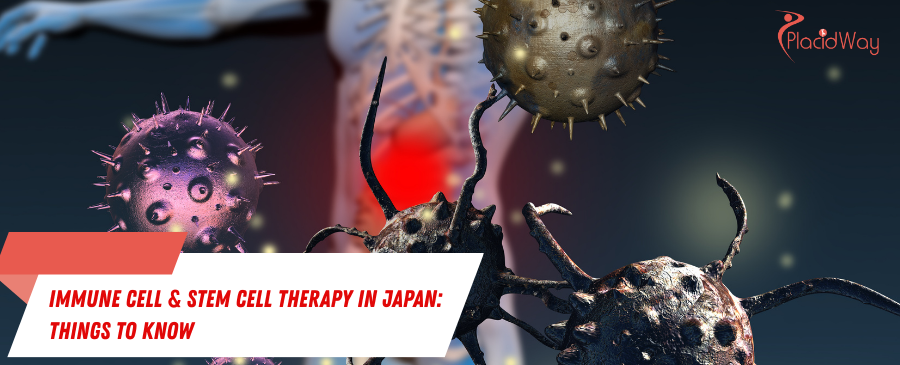
Immune cell therapy, particularly Natural Killer (NK) cell therapy, involves enhancing the body’s natural defense system to target and eliminate abnormal cells. Stem cell therapy utilizes the body’s own regenerative cells to repair, replace, or restore damaged tissues and organs. Both represent advanced frontiers in personalized medicine.
In Japan, NK Cell Therapy involves drawing a small blood sample from the patient, typically 50-60ml. These Natural Killer cells are then isolated and cultured in specialized Cell Processing Centers (CPCs) over approximately 14 days. During this period, their count can increase by 1,000 to 5,000 times. Once activated and expanded, these potent cells are re-infused into the patient via a simple intravenous (IV) drip, usually taking 45-60 minutes. This process significantly boosts the patient’s immune response. For stem cell therapies, the most common types include Adipose-Derived Mesenchymal Stem Cells (MSCs) from fat tissue, used for joint repair, anti-aging, and skin rejuvenation. Bone Marrow MSCs are sourced from hip bone marrow, targeting spinal injuries and other orthopedic conditions. Induced Pluripotent Stem (iPS) cells are in strict clinical trials for diseases like retinal degeneration and Parkinson’s. Umbilical Cord MSCs, from donated tissue, are strictly regulated and explored for systemic autoimmune conditions. Japan’s stringent regulations ensure each step is performed with the highest precision and safety.
Evidence and Outcomes: Are These Therapies Right for You?
Evidence & Outcomes: Japan’s stringent regulatory framework, including the 2014 Act on the Safety of Regenerative Medicine (ASRM), ensures a high standard of clinical practice. This framework classifies treatments by risk, requiring Ministry of Health (MHLW) approval for every clinic protocol. This rigorous oversight promotes treatments with documented safety and efficacy, leading to reliable outcomes for patients. Japanese clinics are particularly recognized for their “culture technology,” which allows for the expansion and activation of immune cells like NK cells to remarkably high cytotoxicity levels. This makes Japan a top choice for preventative oncology and immune system strengthening. Many patients report enhanced immunity, reduced risk of recurrence in cancer survivors, and significant improvements in conditions like joint degeneration and skin rejuvenation. The controlled environment and precise protocols contribute to predictable and positive results, setting a global benchmark for regenerative medicine applications.
Risks & Contraindications: While immune cell and stem cell therapies in Japan are highly regulated, all medical procedures carry potential risks. These can include mild, temporary side effects like fever, fatigue, or discomfort at the injection site. More serious, though rare, risks might involve infection at the harvest or infusion site, or unexpected immune reactions. Patients with active infections, certain autoimmune diseases, or specific types of cancer may be contraindicated for certain therapies. It is crucial to have a thorough medical screening and consult with a qualified healthcare professional to discuss your full medical history. Individual results can vary significantly based on patient health, disease severity, and the specific therapy. Always follow post-treatment care instructions diligently and report any unusual symptoms immediately. No therapy offers a “guarantee” or “cure,” and careful consideration of all factors is essential.
Did you know that Japan is home to some of the world’s most advanced medical facilities, where patients often save significant amounts on Immune Cell & Stem Cell Therapy while receiving care that meets or exceeds international hospital standards?
Cost Comparison: Is Japan a Value-Driven Choice for International Patients?
Japan, while offering premium medical care, presents a cost-effective alternative to Western countries for advanced cell therapies. The country’s strict regulations and high-tech processing justify its pricing. However, these costs are often significantly lower than those found in the United States or Canada. Patients seeking high-quality, regulated treatments can achieve considerable savings while accessing world-class medical facilities. It is vital to compare “apples to apples” when evaluating costs, considering cell count, source, and facility accreditation. Japan prioritizes patient safety and efficacy above all, ensuring genuine value for your investment in health. This contrasts with less regulated, cheaper options where quality can be inconsistent.
Essential Facts & Pro-Tips for Your Medical Journey to Japan
Your Treatment Journey: What to Expect During Your Stay in Japan?
Navigating medical treatment abroad can seem complex, but Japan’s organized approach simplifies the process. The treatment journey is designed for patient comfort and optimal clinical outcomes. It often incorporates a two-visit protocol when cell culturing is required. This ensures maximum potency and efficacy. Throughout the process, adherence to strict safety protocols is paramount, reflecting Japan’s dedication to high-quality patient care. Patients benefit from transparent communication and a clear understanding of each stage of their therapy.