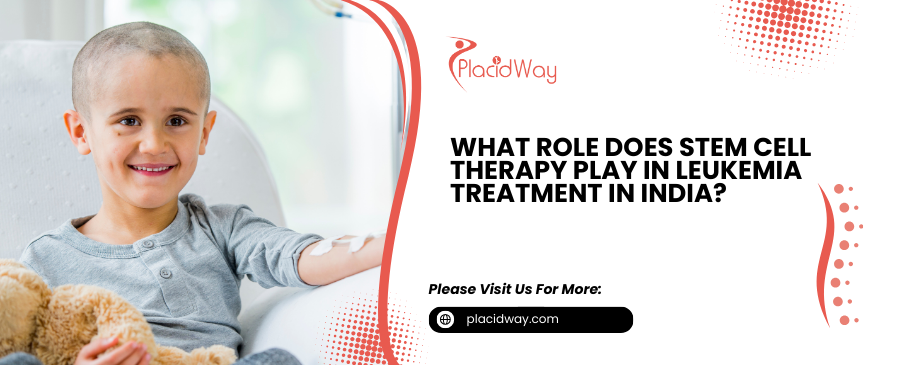
Stem cell therapy for leukemia in India is a highly effective treatment, primarily involving bone marrow transplantation. This procedure replaces cancer-ridden blood cells with healthy ones, restoring the body’s immune system. Indian hospitals boast experienced specialists and advanced technology, contributing to successful patient outcomes with success rates comparable to global standards.
Welcome to an insightful discussion about one of the most promising avenues in modern medicine: stem cell therapy. If you or a loved one is battling leukemia, you’ve likely heard about the profound impact this treatment can have.
In India, specifically, stem cell therapy has emerged as a cornerstone in the fight against various forms of leukemia. It offers renewed hope and improved outcomes for countless patients seeking advanced medical care.
This advanced medical approach is not just a treatment; it’s a potential path to recovery. It leverages the body’s own regenerative capabilities to combat the disease effectively.
Many individuals seeking effective leukemia treatment often explore options globally. India stands out due to its world-class medical infrastructure, highly skilled healthcare professionals, and relatively affordable costs. This blog post aims to answer crucial questions about What Role Does Stem Cell Therapy Play in Leukemia Treatment in India? Please note that PlacidWay is a medical tourism facilitator, connecting patients with providers, and not a direct healthcare provider itself.
Why Consider Stem Cell Therapy in India: Key Takeaways
- World-Class Facilities: Access JCI-accredited hospitals with advanced technology comparable to global standards.
- Expert Specialists: Benefit from highly qualified, often Western-trained, oncologists and transplant surgeons.
- Cost-Effectiveness: Receive high-quality treatment at significantly lower costs than in Western countries.
- Reduced Waiting Times: Gain timely access to critical procedures, crucial for effective cancer treatment.
- Comprehensive Patient Support: International patients receive assistance with travel, accommodation, and language.
Understanding Stem Cell Therapy for Leukemia
Stem cell therapy for leukemia involves transplanting healthy blood-forming stem cells into a patient, primarily through a bone marrow transplant, to replace cancer-ridden cells. This procedure aims to restore the body’s ability to produce healthy blood cells after high-dose chemotherapy or radiation.
Leukemia is a cancer affecting blood-forming tissues such as the bone marrow, lymphatic system, and spleen. The primary goal of this therapy is to eradicate the unhealthy, cancerous blood-forming cells within the patient’s existing bone marrow.
This eradication is achieved through intensive chemotherapy and/or radiation. Once the diseased marrow is destroyed, healthy blood-forming stem cells are infused intravenously.
These transplanted stem cells then migrate to the bone marrow, where they multiply and produce new, healthy red blood cells, white blood cells, and platelets. This vital process, known as engraftment, rebuilds the patient’s immune system and blood-producing capabilities, offering a potential for long-term remission or even a cure for various forms of leukemia.
Leukemia Treatment: Evidence of Effectiveness and Potential Risks
Evidence & Outcomes: Stem cell therapy for leukemia in India has proven highly effective, with success rates comparable to global standards, particularly for suitable candidates. Indian hospitals boast experienced specialists and advanced technology, contributing to successful patient outcomes and leading to long-term remission for many.
Risks & Contraindications: While stem cell therapy offers significant hope, it is an intensive procedure carrying risks such as infection, graft-versus-host disease (GVHD), and potential organ damage. Relapse is also a possibility despite successful engraftment. Seek immediate care if you experience high fever, severe rash, or unexpected bleeding. Always consult a qualified physician to understand individual risks, as outcomes vary and are not guaranteed.
Did You Know?
Did you know that India is home to some of the world’s most advanced medical facilities, where patients often save significant amounts on Stem Cell Therapy while receiving care that meets or exceeds international hospital standards?
Comparing Costs: Stem Cell Therapy for Leukemia in India
Understanding the financial aspect of this critical treatment is vital for many patients and their families. The cost of stem cell therapy for leukemia in India is one of its most compelling aspects for international patients.
While exact figures can vary widely based on several factors, India offers significantly lower costs compared to Western countries without compromising on the quality of care. This makes advanced treatment more accessible globally.
Cost Breakdown
Major Savings
| Country |
Estimated Cost |
Average Savings |
| India |
$20,000 – $50,000 |
Starting Point Best Value |
| United States |
$200,000 – $500,000 |
80-90% Savings |
| United Kingdom |
$150,000 – $450,000 |
75-85% Savings |
| Canada / Australia |
$180,000 – $480,000 |
75-90% Savings |
Essential Facts & Pro-Tips
1
Fast Fact: India boasts numerous JCI-accredited hospitals and specialized cancer centers, ensuring quality comparable to global standards.
2
Travel Tip: International patients typically submit medical records for evaluation, obtain a medical visa, and arrange travel and accommodation through dedicated hospital services or facilitators.
3
Recovery Tip: Post-transplant care involves a crucial isolation period in the hospital, followed by extensive outpatient monitoring, medication management, and regular check-ups to prevent complications.
The Typical Stem Cell Transplant Journey in India
The journey of a stem cell transplant for leukemia in India is a multi-stage process. It requires meticulous planning, precise execution, and dedicated care throughout.
Efficiency is a hallmark of the medical experience in this destination. The process minimizes downtime while ensuring every safety protocol is strictly followed.
Phase 1: Evaluation & Preparation
Comprehensive Assessment and Donor Matching
Patients undergo a rigorous series of tests to assess their overall health and leukemia extent. For allogeneic transplants, extensive HLA typing is performed to find a suitable donor. Patients also receive thorough education on the procedure and potential side effects.
Phase 2: Conditioning Regimen
High-Dose Chemotherapy and Radiation
This intense phase involves high-dose chemotherapy and/or radiation therapy over several days. Its purpose is to destroy cancerous bone marrow cells and suppress the immune system, preventing rejection of the new stem cells.
Phase 3: Stem Cell Infusion
Transplanting Healthy Cells
After conditioning, healthy stem cells are infused intravenously, similar to a blood transfusion. These cells migrate to the bone marrow, where engraftment begins, starting the process of new blood cell production.
Phase 4: Recovery & Post-Transplant Care
Vigilant Monitoring and Long-Term Support
A critical isolation period in the hospital follows to prevent infections. Patients receive supportive care, including blood transfusions and medications. This is followed by extended outpatient monitoring to manage complications like GVHD and support long-term recovery.
Frequently Asked Questions About Stem Cell Therapy for Leukemia in India
1. What is stem cell therapy for leukemia and how does it work?+
Stem cell therapy for leukemia involves transplanting healthy blood-forming stem cells into a patient, primarily through a bone marrow transplant, to replace cancer-ridden cells. It works by restoring the body’s ability to produce healthy blood cells after high-dose chemotherapy or radiation.
2. How effective is stem cell therapy in treating leukemia in India?+
Stem cell therapy for leukemia in India has proven highly effective, with success rates comparable to global standards, particularly for suitable candidates. Indian hospitals boast experienced specialists and advanced technology, contributing to successful patient outcomes.
3. What types of leukemia are typically treated with stem cell therapy?+
Stem cell therapy is primarily used to treat acute myeloid leukemia (AML), acute lymphoblastic leukemia (ALL), chronic myeloid leukemia (CML), and chronic lymphocytic leukemia (CLL), especially when other treatments fail or for high-risk cases.
4. What are the different kinds of stem cell transplants used for leukemia?+
The main types of stem cell transplants for leukemia are allogeneic, using donor cells (matched related or unrelated), and autologous, using the patient’s own cells. Allogeneic is more common for leukemia due to its “graft-versus-leukemia” effect.
5. What is the typical process for a stem cell transplant for leukemia in India?+
The typical process for a stem cell transplant in India involves rigorous patient evaluation, donor matching, conditioning (chemotherapy/radiation), stem cell infusion, and a crucial recovery period with close monitoring. The entire process can take several weeks to months.
6. What are the advantages of choosing India for leukemia stem cell therapy?+
Choosing India for leukemia stem cell therapy offers advantages like world-class medical facilities, highly skilled specialists, significantly lower costs compared to Western countries, reduced waiting times, and comprehensive patient support for international visitors.
7. What is the approximate cost of stem cell therapy for leukemia in India?+
The approximate cost of stem cell therapy for leukemia in India typically ranges from $20,000 to $50,000 USD for an allogeneic transplant, which is significantly lower than in Western countries. This cost can vary based on the hospital, type of transplant, and patient-specific needs.
8. What are the potential risks and long-term outcomes of stem cell therapy for leukemia?+
Stem cell therapy for leukemia carries risks such as infection, graft-versus-host disease (GVHD), organ damage, and relapse. However, long-term outcomes can include complete remission, prolonged survival, and an improved quality of life for many patients, especially with proper post-transplant care.
Ready to Take the Next Step Towards Recovery?
Choosing the right destination for your medical care is significant. By opting for treatment abroad, you are not just saving on costs—you are gaining access to specialized clinicians and world-class care.
Get Your Free Quote Now
Medical Disclaimer: This article is provided for informational and educational purposes only and is not intended as medical advice, diagnosis, or treatment. PlacidWay is a medical tourism facilitator, connecting patients with healthcare providers, and does not provide direct medical care. Always consult with a qualified and licensed physician or healthcare professional before making any medical decisions, starting any new treatment, or if you have any questions regarding your health. Individual outcomes can vary significantly, and there are no guarantees of specific results. If you experience severe or worsening symptoms, please seek immediate professional medical attention.