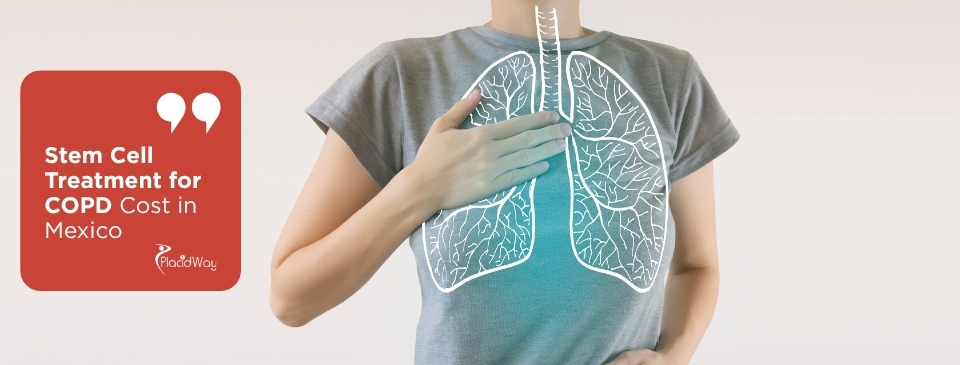
The average cost of stem cell treatment for COPD in Mexico typically ranges between $4,500 and $9,000, which is significantly lower than prices in the United States or Canada. Your final price depends on the specific cell protocol, the severity of your lung condition, and the clinic’s credentials.
Quick Summary
- Estimated Cost is generally between $4,500 and $9,000 USD depending on the specific protocol.
- Treatment safety is highly regulated when choosing facilities fully licensed by COFEPRIS.
- Ideal candidates are patients with moderate to severe COPD seeking symptom management and improved lung function.
- Recovery time involves two to five days of rest with gradual respiratory improvements over several months.
- The main reason patients choose Mexico is the combination of advanced mesenchymal stem cell treatments and significant cost savings.
- Important caution is that stem cell therapy manages symptoms but is not a permanent cure for chronic lung disease.
Why Patients Travel for Stem Cell Therapy for COPD in Mexico
Patients struggling with severe respiratory issues often face high healthcare costs and limited treatment options in their home countries. Many turn to medical tourism to access advanced regenerative protocols that focus on reducing lung inflammation and repairing damaged tissue. Traveling for cellular therapy provides an opportunity to receive specialized care from highly trained specialists who utilize the latest medical advancements.
Mexico has become a leading destination for these procedures because of its robust healthcare infrastructure and proximity to the United States and Canada. Patients can often schedule treatments without enduring long waiting lists. The country offers a welcoming environment where medical professionals are accustomed to treating international patients with comprehensive care packages.
Primary reasons international patients choose this destination include:
- Access to advanced mesenchymal stem cell protocols unavailable or heavily restricted back home
- Significant cost savings compared to domestic private healthcare options
- Short travel distances for North American patients requiring minimal flight time
- Comprehensive medical packages that include airport transfers and bilingual support
- High standards of care enforced by national regulatory bodies
These advantages make the journey not only financially viable but also medically beneficial for those seeking alternative ways to manage chronic pulmonary conditions. A structured medical trip allows patients to focus entirely on their treatment and recovery.
Understanding COPD and How Stem Cell Therapy Helps
Chronic Obstructive Pulmonary Disease is a progressive lung condition that makes breathing increasingly difficult over time. It typically involves emphysema and chronic bronchitis which cause severe inflammation and permanent damage to the air sacs in the lungs. Traditional treatments mainly focus on managing symptoms through bronchodilators and steroids but these do not repair the underlying tissue damage. As the disease progresses patients often experience a significant decline in their daily quality of life.
Cellular therapies introduce a different approach by targeting the systemic inflammation associated with the disease. When specific restorative cells are introduced into the body they travel to the damaged lung tissue. Once there they release growth factors and anti inflammatory proteins that help modulate the immune system and promote tissue healing. While this intervention cannot reverse all lung damage completely it can significantly improve respiratory function and reduce the frequency of severe exacerbations.
| Biological Process | How It Affects the Lungs | Expected Patient Benefit |
|---|---|---|
| Immunomodulation | Reduces chronic inflammation in the airways | Less frequent coughing and mucus production |
| Angiogenesis | Promotes new blood vessel formation | Better oxygen exchange and overall energy levels |
| Tissue Regeneration | Stimulates native cells to repair damaged alveoli | Improved breathing capacity and exercise tolerance |
| Fibrosis Reduction | Slows the buildup of scar tissue in the lungs | Prevention of rapid respiratory decline |
Patients often report feeling more energetic and capable of performing routine tasks without severe shortness of breath. The biological mechanisms aim to create a healthier pulmonary environment allowing traditional medications to work more effectively alongside the regenerative treatment.
Patient Demographics and Travel Trends for COPD Treatment
The demographic profile of patients traveling for cellular lung therapies provides valuable insight into global medical travel patterns. Most individuals seeking this specialized care are older adults who have lived with chronic respiratory issues for several years. They usually explore international options after standard domestic treatments fail to provide adequate relief. Data indicates a strong trend of cross border healthcare utilization among North Americans seeking innovative care.
Recent reports highlight that both men and women actively pursue these treatments with a slightly higher percentage of male patients due to historical smoking trends and occupational exposures. The primary motivation remains the desire to regain independence and reduce reliance on supplemental oxygen. Understanding these demographics helps clinics tailor their services to meet the specific mobility and medical needs of this age group.
Source: Global Regenerative Medicine Travel Registry 2024 Cross Border Patient Analysis.
The growth in patient volume also reflects increasing confidence in the safety and regulation of Latin American medical facilities. As clinical protocols improve and patient testimonials spread more individuals feel comfortable making the journey. The continuous rise in medical tourism for pulmonary care indicates a shifting paradigm in how chronic diseases are managed globally.
Source: International Council for Medical Travel Health Tourism Trends 2024 to 2026.
Types of Stem Cells Used for Lung Conditions
Medical providers utilize different cellular sources depending on the specific protocol and the patient’s overall health profile. The most common type used for respiratory conditions is the Mesenchymal Stem Cell which can be harvested from various tissues. These cells are highly favored due to their potent anti inflammatory properties and their ability to evade immune rejection. Understanding the source of your treatment is vital for setting realistic recovery expectations.
Clinics generally offer either autologous cells which come from your own body or allogeneic cells which are sourced from healthy screened donors. Autologous treatments often extract cells from bone marrow or adipose fat tissue requiring a minor surgical procedure. Allogeneic treatments typically use cells derived from umbilical cord tissue which are ethically sourced and rigorously tested for safety.
| Cell Type Source | Procedure Requirement | Benefits for COPD |
|---|---|---|
| Umbilical Cord Tissue | No extraction surgery required | High potency and strong anti inflammatory effects |
| Adipose Derived | Requires minor liposuction | Uses the patient’s own tissue with high cell yield |
| Bone Marrow Derived | Requires bone marrow aspiration | Rich in growth factors and native cellular elements |
Umbilical cord derived cells are particularly popular in modern international clinics because they eliminate the need for a surgical extraction step. This is a significant advantage for patients with severe respiratory issues who may not tolerate anesthesia well. Your specialized doctor will evaluate your medical history to recommend the safest and most effective cellular source.
Comprehensive Cost of Stem Cell Therapy for COPD in Mexico
Understanding the full financial commitment is a crucial step in your medical planning. Prices vary based on the quantity of cells administered the specific medical facility chosen and the length of your stay. Unlike standard healthcare systems where billing can be opaque international clinics typically offer transparent upfront pricing. This transparency allows patients to budget accurately without fear of hidden hospital fees.
A standard treatment protocol typically ranges from $4,500 to $9,000 USD. This baseline price generally covers the medical consultation the laboratory processing of the cells and the intravenous administration procedure. Some highly advanced multi day protocols involving additional supportive therapies might push the cost slightly higher. It is essential to review the itemized quote provided by your chosen facility.
| Expense Category | Estimated Cost Range in USD | Details |
|---|---|---|
| Initial Medical Consultation | Included in package | Pre treatment medical review and lung assessment |
| Cellular Processing and Lab Fees | $3,000 to $5,000 | Preparation and quality testing of the biologic material |
| Medical Administration | $1,000 to $2,500 | Intravenous infusion or nebulization process |
| Supportive IV Therapies | $300 to $800 | Vitamins and peptides to support cell grafting |
| Facility and Nursing Fees | $200 to $700 | Use of the clinical space and dedicated medical staff |
Always confirm whether your quoted price is procedure only or an all inclusive package. Many reputable centers bundle these costs to simplify the financial aspect for international travelers. Requesting a detailed written estimate ensures you understand exactly where your funds are being allocated.
Cost Comparison for COPD Treatment Across Global Destinations
Comparing prices across different countries highlights the financial advantages of traveling southward for care. In the United States and Canada cellular therapies for chronic conditions are often considered experimental by insurance companies resulting in high out of pocket expenses. These domestic treatments can easily exceed tens of thousands of dollars making them inaccessible for many individuals living on fixed incomes.
By contrast Latin American medical hubs offer competitive pricing without sacrificing clinical quality. The lower cost of living reduced administrative overhead and favorable regulatory frameworks contribute to these affordable rates. Patients must weigh these financial benefits against the logistical considerations of international travel.
| Destination Country | Estimated Cost Range USD | Primary Consideration |
|---|---|---|
| United States | $10,000 to $25,000 Plus | High cost and often not covered by health insurance |
| Canada | $9,000 to $20,000 Plus | Strict regulations limit access to certain cell types |
| Mexico | $4,500 to $9,000 | Highly regulated by COFEPRIS with affordable packages |
| Colombia | $5,000 to $8,500 | Emerging market with good medical infrastructure |
| Panama | $15,000 to $25,000 | Renowned institutes but prices are closer to US rates |
When reviewing these comparisons it is critical to look beyond just the price tag. The cheapest option is rarely the best choice when dealing with advanced medical science. Evaluating the clinic’s regulatory standing and the doctor’s credentials ensures your investment translates into safe and effective healthcare.
What Your Medical Package Actually Includes
To attract and accommodate international patients top medical centers bundle their services into comprehensive programs. These packages are designed to remove the stress of navigating a foreign healthcare system and city. Knowing what is included helps you accurately compare offers from different providers and avoid unexpected out of pocket expenses during your trip.
A standard package usually covers all direct medical costs related to the procedure. However many premium clinics go further by including logistical support which is incredibly helpful for patients with limited mobility or breathing difficulties. Reviewing the inclusions line by line is a mandatory step before placing any deposits.
Common inclusions in a comprehensive medical package:
- Pre arrival virtual consultation with the lead specialist
- All required blood tests and preliminary diagnostics upon arrival
- The full dosage of cultured stem cells as prescribed
- Dedicated bilingual patient coordinator available throughout the stay
- Ground transportation between the airport hotel and medical facility
- Post treatment follow up consultations via video call
You should specifically ask if accommodations are included as this varies widely between providers. Some clinics partner with nearby recovery hotels offering discounted rates while others leave lodging entirely up to the patient. Clarifying these details early ensures a smooth and stress free medical journey.
Choosing Hospitals and Verifying COFEPRIS Certifications
Patient safety is the absolute highest priority when undergoing cellular therapy abroad. The Mexican healthcare system is regulated by a federal agency known as COFEPRIS which stands for the Federal Commission for the Protection against Sanitary Risk. This organization sets strict guidelines for clinics handling human tissues and cellular products. You must ensure your chosen facility holds active licenses from this regulatory body.
A valid COFEPRIS license indicates that the clinic meets national standards for hygiene cell processing and emergency medical protocols. Facilities without this certification may be operating illegally and pose significant health risks. Reputable clinics will gladly provide their registration numbers and documentation upon request.
| Verification Step | Why It Is Important | Action Required by Patient |
|---|---|---|
| Request the COFEPRIS License | Proves legal operation for cellular medicine | Ask the clinic for a copy of their current certificate |
| Check the Lab Affiliation | Ensures cell viability and safe culturing | Ask where the cells are processed and tested |
| Review Emergency Protocols | Critical for patients with severe COPD | Ensure the clinic has oxygen and transfer agreements |
| Verify Transparency | Avoids bait and switch tactics | Confirm the cell count and type in writing |
Do not hesitate to ask difficult questions during your initial consultation. A trustworthy medical team will be transparent about their laboratory processes and clinical standards. Taking the time to verify these credentials protects you from substandard care and guarantees peace of mind.
Selecting the Best Stem Cell Specialist for Respiratory Conditions
The success of your treatment relies heavily on the expertise of the medical professional administering the care. Not all doctors are trained in regenerative medicine and even fewer specialize in treating complex pulmonary disorders. You need a specialist who understands the nuances of COPD and knows how to tailor the cellular dosage for optimal respiratory benefits.
Look for physicians who are board certified in relevant specialties such as pulmonology internal medicine or regenerative medicine. They should have a documented history of performing these specific infusions and be registered with the national medical council. Reviewing their educational background and clinical experience is a critical part of your research.
Red flags to avoid when selecting a specialist:
- Doctors who guarantee a permanent cure for your lung disease
- Clinics where the procedure is performed by medical assistants instead of certified doctors
- Physicians who refuse to share their national medical registration numbers
- Providers who pressure you into immediate booking without a thorough medical review
A high quality specialist will require a comprehensive review of your recent pulmonary function tests and medical records before approving you for treatment. They will explain the realistic outcomes and clearly outline the potential risks. This conservative patient first approach is the hallmark of a true medical professional.
Step by Step Treatment Process for Cellular Therapy
Knowing exactly what happens from arrival to departure helps alleviate anxiety and allows you to mentally prepare for the procedure. The process is generally outpatient meaning you will not require an overnight hospital stay. The timeline is carefully structured to ensure safety monitoring and maximum cell viability during administration.
Most itineraries require you to be in the country for three to five days. This schedule provides ample time for in person diagnostics the actual infusion and a brief observation period before you are cleared to fly home. The medical team will guide you through each phase ensuring you remain comfortable and well informed.
| Timeline | Activity Description | Patient Experience |
|---|---|---|
| Day 1 Arrival | Airport pickup and hotel check in | Rest and acclimatization after travel |
| Day 2 Diagnostics | Blood work and specialist consultation | Reviewing the exact treatment plan with the doctor |
| Day 3 The Procedure | Intravenous infusion or nebulization of cells | Relaxing in a clinical suite typically lasting a few hours |
| Day 4 Observation | Resting at the hotel with remote medical check ins | Mild fatigue but generally pain free |
| Day 5 Departure | Final medical clearance and transfer to the airport | Ready to travel back home safely |
During the actual procedure you will typically rest in a comfortable chair while the cells are administered via an IV drip. Some protocols may also include a nebulizer treatment allowing cells to directly coat the lung airways. The entire process is usually painless and monitored continuously by nursing staff.
Expected Recovery Timeline and Post Treatment Care
Cellular medicine works on a biological level which means results are not instantaneous. The cells need time to graft reduce systemic inflammation and begin the tissue repair process. Setting realistic expectations for your recovery timeline is essential for a positive treatment experience. Initially you may feel slightly fatigued as your immune system responds to the new cellular material.
Over the weeks following the procedure patients typically begin to notice subtle improvements. This might include a reduction in morning coughing slightly better exercise tolerance or less reliance on rescue inhalers. Full therapeutic benefits usually manifest over a period of three to six months as the lungs continue to heal.
| Timeframe Post Treatment | Biological Process | Expected Patient Sensation |
|---|---|---|
| First 48 Hours | Initial immune system modulation | Mild fatigue or low grade fever which is normal |
| Week 1 to 4 | Reduction of systemic inflammation | Slight improvements in daily energy levels |
| Month 2 to 3 | Cellular grafting and tissue support | Noticeable reduction in shortness of breath during exertion |
| Month 4 to 6 | Maximum therapeutic benefit reached | Stabilized lung function and overall better quality of life |
Post treatment care is just as important as the procedure itself. You must follow your doctor’s instructions regarding rest avoiding respiratory irritants and continuing your prescribed COPD medications. Regular follow up appointments either locally or virtually with your international clinic help track your progress safely.
Ideal Candidate Qualifications and Medical Eligibility
Stem cell therapy offers significant hope but it is not suitable for every single patient. Medical eligibility is determined through a strict evaluation process to ensure the treatment will be both safe and beneficial. Ideal candidates are those who have exhausted conventional therapies but still maintain enough physical strength to undergo the procedure and travel.
Patients with active infections severe advanced heart failure or active cancer are generally contraindicated for this treatment. The specialist will review your forced expiratory volume scores imaging scans and daily medication list to assess your candidacy. Honesty about your medical history is vital to prevent severe complications.
Signs of an Ideal Candidate
- Diagnosed with moderate to severe COPD
- Not currently suffering from an active respiratory infection
- Cleared for short distance air travel
- Possesses realistic expectations regarding symptom management
Contraindications
- Active malignancy or recent cancer history
- Severe pulmonary hypertension
- End stage lung failure requiring a ventilator
- Inability to travel due to extreme frailty
If you are deemed a suitable candidate the medical team will design a protocol tailored to your specific disease stage. This personalized approach maximizes the potential for respiratory improvement while prioritizing your overall safety throughout the medical journey.
Frequently Asked Questions About Stem Cell Treatment for COPD in Mexico
Is stem cell treatment for COPD a permanent cure?
No, stem cell therapy is not a permanent cure for chronic obstructive pulmonary disease. It is designed to manage symptoms, reduce lung inflammation, and potentially slow the progression of the disease to improve your daily quality of life.
Are the clinics in Mexico safe for international patients?
Yes, clinics that are fully licensed by COFEPRIS adhere to strict national healthcare and safety standards. Verifying this license ensures the facility meets rigorous medical guidelines for cellular processing and patient care.
How long does the treatment process take?
The entire treatment process typically requires a three to five day stay in the destination country. This includes initial diagnostics, the actual infusion procedure, and a brief recovery period before you are cleared to travel home.
Does health insurance cover the cost of this therapy?
Most North American health insurance providers consider this therapy experimental for lung conditions and will not cover the costs. Patients should expect to pay out of pocket, which is why affordable international packages are highly sought after.
What is the primary difference between autologous and allogeneic cells?
Autologous cells are harvested from your own body usually from fat or bone marrow. Allogeneic cells are ethically sourced from healthy screened donors such as umbilical cord tissue, eliminating the need for extraction surgery on the patient.
Will I need to stop taking my current COPD medications?
No, you should never stop taking your prescribed respiratory medications without direct instructions from your primary pulmonologist. Cellular therapy works alongside your traditional treatments to enhance overall lung function.
Can I fly immediately after receiving the infusion?
Doctors generally recommend waiting at least 24 to 48 hours after the procedure before flying. This observation window ensures you do not experience any adverse reactions and are physically stable for air travel.
How soon will I notice improvements in my breathing?
Some patients report mild improvements in energy within the first few weeks. However, significant respiratory benefits usually develop gradually over three to six months as the cells reduce inflammation and support tissue repair.
Are there age restrictions for this medical procedure?
While there is no strict maximum age limit, patients must be physically resilient enough to travel and undergo the procedure. Medical eligibility is based on your overall health status rather than just your chronological age.
What happens if I experience complications after returning home?
Reputable clinics provide structured post treatment follow up care via telemedicine. In the rare event of a medical emergency, you should immediately consult your local healthcare provider or visit the nearest emergency room.
PlacidWay can help you compare top rated providers, understand your treatment costs, review specialized care options, and request information directly from certified clinics.
Related Stem Cell Therapy Resources
Disclaimer: This information is for educational purposes only and does not replace professional medical advice. Always consult a qualified healthcare provider before making medical decisions.
References
- Stem Cell Therapy for COPD – American Lung Association
- Chronic Obstructive Pulmonary Disease Overview – World Health Organization
- Federal Commission for the Protection against Sanitary Risk – COFEPRIS Official Guidelines
- Mesenchymal Stem Cells for Pulmonary Diseases – Stem Cells Translational Medicine
- Safety of Allogeneic Stem Cells in COPD – ClinicalTrials.gov
- Regenerative Medicine in Chronic Lung Disease – National Institutes of Health