What Does Japan’s Immune Cell Therapy Offer Patients from Manila?

A New Source of Strength: Japan’s Immune Cell Therapy for Patients from Manila

Immune Cell Therapy in Japan for Patients from Manila

Japan’s immune cell therapy offers patients from Manila an advanced, highly regulated treatment option to strengthen their immune systems against diseases like cancer and for anti-aging purposes. This innovative therapy, often involving Natural Killer (NK) cells, can cost between $20,000 to $50,000 USD for a comprehensive course, reflecting the specialized lab expansion and clinical monitoring involved.

For patients from Manila seeking cutting-edge solutions to enhance their body’s natural defenses and manage complex health conditions, Japan’s immune cell therapy stands out as a promising and innovative medical approach. This advanced treatment leverages the body’s own immune system to fight disease and promote overall wellness.

Japan has established itself as a global leader in regenerative medicine, offering therapies developed under stringent regulatory oversight. These protocols are specifically designed to bolster immune response, assist in disease management, and ultimately improve a patient’s quality of life.

With its robust safety standards, state-of-the-art laboratory facilities, and highly experienced medical specialists, Japan provides a trustworthy destination for those seeking a new source of strength: Japan’s immune cell therapy for patients from Manila. It represents a premium choice for individuals prioritizing both safety and treatment efficacy.

It is important to note that PlacidWay acts as a medical tourism facilitator, connecting patients with reputable providers and assisting with travel logistics, not as a medical treatment provider itself. We help ensure a seamless journey for those pursuing advanced care abroad.

What Are the Key Advantages of Immune Cell Therapy in Japan?

  • Pioneering Protocols: Japan leads in advanced cell culture technology, providing specialized protocols for Natural Killer (NK) Cells and T-cells, often used for cancer adjunct therapy or anti-aging immune enhancement.
  • Safety & Regulation: All procedures adhere to the strict Act on the Safety of Regenerative Medicine (ASRM), guaranteeing Ministry of Health, Labour and Welfare (MHLW)-vetted protocols and superior cell processing safety.
  • Treatment Advantage: Japanese laboratories legally perform *ex-vivo expansion* (culturing outside the body) of a patient’s immune cells to achieve billions of therapeutic cells for high-potency infusion.
  • Cost Range: A comprehensive immune cell therapy package typically costs between $20,000 – $50,000 USD (approximately ₱1.1 Million – ₱2.8 Million PHP), reflecting specialized lab work and clinical oversight.
  • Logistics: Filipino citizens require a specific Medical Stay Visa (MTS) to facilitate the necessary two-visit protocol, which includes initial cell collection and subsequent infusion.

How Does Immune Cell Therapy Work?

Immune cell therapy in Japan, often termed Natural Killer (NK) cell therapy or LAK (Lymphokine-Activated Killer) therapy, involves enhancing a patient’s *autologous* (their own) immune system to combat disease and improve overall systemic wellness.

This process begins by extracting specific immune cells, such as Natural Killer cells, from the patient’s blood. NK cells are crucial as they naturally identify and destroy abnormal or damaged cells within the body.

Once collected, these cells are then multiplied exponentially in a specialized laboratory, reaching therapeutic numbers in the billions. This highly potent cell product is then re-infused back into the patient’s bloodstream.

The primary goal is to significantly boost the body’s inherent defense mechanisms, offering a more targeted and enhanced immune response against various health challenges. This personalized approach maximizes the therapeutic potential of the patient’s own biological resources.

Primary Applications and Benefits

Immune cell therapy is most notably applied as an *adjunct cancer therapy*. Natural Killer (NK) cells are particularly effective in identifying and eliminating cancer cells. When used post-chemotherapy or surgery, this therapy helps to minimize the risk of cancer recurrence and provides critical support to primary cancer treatments, enhancing their overall efficacy.

Beyond oncology, it is also gaining recognition for *anti-aging and chronic illness management*. By boosting the immune system’s general surveillance capabilities, the therapy aids in clearing senescent (aging) or damaged cells. This action improves overall immune health, contributes to cellular rejuvenation, and can mitigate symptoms associated with various chronic conditions, promoting systemic wellness.

The Mechanism: Cell Expansion for Therapeutic Efficacy

The defining characteristic of Japanese immune cell therapy protocols is the advanced *cell expansion* process. This critical step ensures that a sufficient number of highly active cells are available for treatment.

The journey begins with *collection*, where blood is drawn from the patient during their first visit. This procedure is similar to donating plasma and is generally well-tolerated.

Following collection, a crucial 2–3 week period of *expansion* takes place in specialized Certified Cell Processing Centers (CPCs). Here, the patient’s NK cell count is dramatically increased from a few million to several billions, often reaching 5-10 billion cells.

Finally, these powerful, highly active cells are re-infused during the patient’s second visit. This massive influx provides a significant and targeted boost to the body’s natural defense system, enhancing its ability to combat disease and improve health outcomes.

What Are the Safety and Effectiveness Considerations?

Evidence & Outcomes: Immune cell therapy is highly effective as an *adjunct therapy* for cancer, helping to eliminate residual cancer cells post-surgery and boosting the efficacy of conventional treatments like chemotherapy and radiation. Outcomes show improved immune surveillance and reduced systemic inflammation. It is important to remember it is not a standalone cure but a powerful supportive treatment.

Risks & Contraindications: Since immune cell therapy uses the patient’s own (autologous) cells, the risk of rejection is virtually eliminated, resulting in an excellent safety profile. Minor side effects may include temporary fatigue or a mild fever, typically resolving within 24-48 hours. Individual responses to therapy can vary significantly. Seek immediate medical care if you experience severe allergic reactions, persistent high fever, or unexpected pain following treatment.

Did You Know?

Did you know that Japan is home to some of the world’s most advanced medical facilities, where patients often save significant amounts on immune cell therapy while receiving care that meets or exceeds international hospital standards?

How Do Costs Compare for Japan’s Immune Cell Therapy?

The cost of immune cell therapy in Japan, typically ranging from $20,000 to $50,000 USD, reflects the highly specialized nature of the treatment. This includes the sophisticated laboratory expansion of billions of cells and comprehensive clinical monitoring during the patient’s visits.

While it is an investment, the value lies in Japan’s stringent safety standards, advanced technology, and expertise. This ensures a high-potency cell product and meticulous care, which can be considerably more expensive in other developed nations. The comparison table below illustrates potential savings when choosing Japan.

Cost Breakdown

Major Savings

Country Estimated Cost Average Savings
Japan $35,000 Starting Point Best Value
United States $90,000 61% Savings
United Kingdom $65,000 46% Savings
Canada / Australia $60,000 42% Savings

Essential Facts & Pro-Tips

1
Fast Fact: Japan’s immune cell therapy procedures are strictly governed by the Act on the Safety of Regenerative Medicine (ASRM), ensuring MHLW-vetted protocols and superior safety standards for all cell processing.
2
Travel Tip: Filipino citizens must obtain a Medical Stay Visa (MTS), which requires a Certificate of Planned Medical Services and a Letter of Guarantee from a Japanese medical guarantor. Clinics assisting international patients typically help prepare these crucial documents.
3
Recovery Tip: While there’s no surgical downtime, patients may experience mild fatigue for 24–48 hours after infusion due to the high volume of cellular activity. Light activities can be resumed immediately, with full recovery typically quick and uneventful.

What Does the Treatment Journey in Japan Look Like?

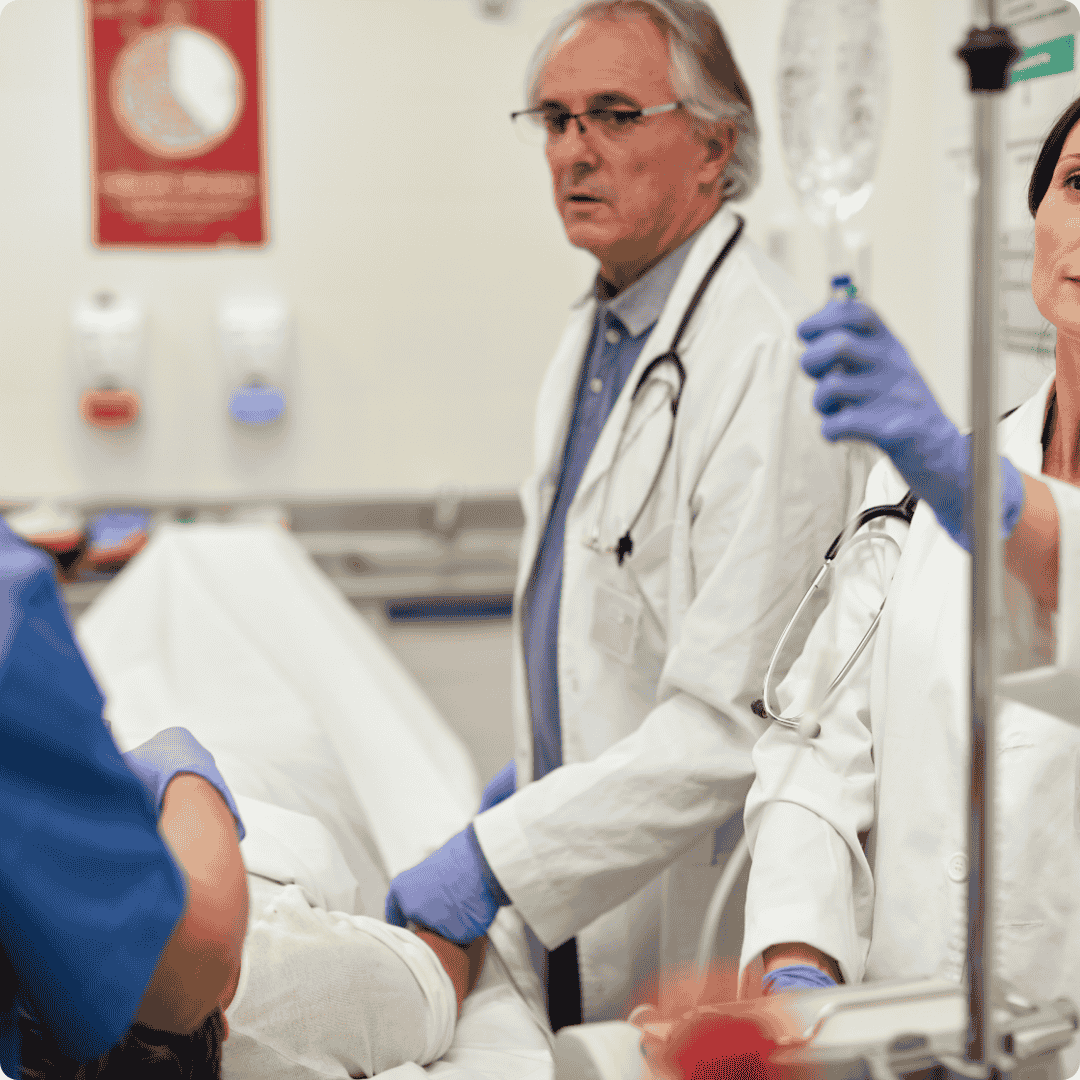
The treatment journey for immune cell therapy in Japan is meticulously structured around a two-visit plan to accommodate the necessary cell culturing time. This protocol ensures precision and optimal preparation for the therapeutic infusion.

Efficiency is a hallmark of the medical experience in this destination. The process minimizes downtime while ensuring every safety protocol is strictly followed from initial consultation to post-infusion observation.
1
Visit 1: Collection and Screening (2 Days)
Initial Consultation & Apheresis
During this first visit, Japanese specialists will thoroughly review your existing medical records, including biopsies and oncology reports from the Philippines. Comprehensive diagnostic tests are performed to ensure suitability for the therapy. Following this, you will undergo *apheresis*, a blood collection procedure similar to donating plasma, to gather the necessary immune cells.
2
Interim Period: Cell Culturing (2–3 Weeks)
Immune Cell Expansion
After your initial visit, you will return to Manila while your immune cells undergo a specialized expansion process in a certified Japanese laboratory. Over 2-3 weeks, the cell count will multiply from a few million to billions, preparing a high-dose product for your treatment.
3
Visit 2: Infusion and Observation (3–4 Days)
Therapeutic Infusion & Post-Treatment Monitoring
You will return to Japan for the infusion of the expanded immune cells. The high-dose cell product, containing billions of potent NK cells, is administered via intravenous (IV) infusion. Depending on the treatment plan, multiple sessions (e.g., 3-6 infusions) may be performed over several weeks, necessitating an extended local stay. Post-infusion monitoring ensures optimal patient safety and response.

Frequently Asked Questions

1. Is immune cell therapy safe in Japan?+

Yes, immune cell therapy in Japan is considered very safe due to stringent government regulations under the Act on the Safety of Regenerative Medicine (ASRM). All protocols are vetted by the Ministry of Health, Labour and Welfare (MHLW), ensuring high standards for cell viability, sterility, and overall clinical procedures. As the therapy uses your own autologous cells, there is virtually no risk of rejection.

2. How much does a full immune cell treatment course cost?+

A comprehensive course of systemic NK cell therapy, including multiple infusions, typically ranges from $20,000 to $50,000 USD. This cost, approximately ₱1.1 Million to ₱2.8 Million PHP, depends on factors such as the total number of cells expanded and the specific number of infusions required as part of the personalized treatment plan.

3. Is immune cell therapy a standalone cure for cancer?+

No, immune cell therapy is not considered a standalone cure for cancer. Instead, it is highly effective as an *adjunct therapy*. This means it supports and enhances the efficacy of conventional treatments such as surgery, chemotherapy, and radiation. It works by helping the body eliminate residual cancer cells, reducing inflammation, and boosting immune surveillance against malignant cells.

4. How long is the recovery period after treatment?+

There is no surgical downtime associated with immune cell therapy. Patients may experience mild fatigue for 24–48 hours post-infusion, a common reaction due to the heightened cellular activity in the body. However, most individuals can resume light daily activities almost immediately after the procedure. Full recovery is generally swift, without requiring extensive recuperation.

5. Do Filipino patients need a visa for treatment in Japan?+

Yes, Filipino citizens planning to undergo immune cell therapy in Japan are required to obtain a Medical Stay Visa (MTS). This visa is essential for facilitating the two-visit treatment protocol. Key requirements include a Certificate of Planned Medical Services and a Letter of Guarantee from a designated Japanese medical guarantor or clinic staff, which clinics assisting international patients typically help prepare.

6. Is immune cell therapy covered by PhilHealth or private insurance?+

Immune cell therapy is currently considered an expensive, elective treatment and is generally not covered by PhilHealth or most private Philippine insurance plans. Patients considering this advanced therapy in Japan should anticipate funding the treatment privately. It is advisable to consult with your insurance provider to understand any potential exceptions or coverage options before planning your medical journey.

7. What types of immune cells are used in this therapy?+

Immune cell therapy in Japan primarily utilizes Natural Killer (NK) cells and cytotoxic T-cells, often referred to collectively as Lymphokine-Activated Killer (LAK) cells. NK cells are particularly valued for their innate ability to identify and destroy abnormal cells, including cancer cells, without prior sensitization. T-cells, when activated and expanded, also play a crucial role in targeted immune responses, enhancing the body’s overall defense mechanisms against various pathogens and diseases.

8. How does Japan ensure high cell potency and safety?+

Japan’s reputation for high cell potency stems from its pioneering research and strict regulatory framework, particularly the ASRM. This act permits and oversees the large-scale *ex-vivo expansion* of cytotoxic T-cells and NK cells, ensuring billions of cells for therapeutic use. Strict government oversight ensures meticulous checks on cell viability, sterility, and adherence to clinical protocols, minimizing contamination risks and maximizing the anti-cancer or anti-inflammatory effects.

Ready to Take the Next Step Towards Recovery?

Choosing the right destination for your medical care is significant. By opting for treatment abroad, you are not just saving on costs—you are gaining access to specialized clinicians and world-class care.

Get Your Free Quote Now

Related Resources

Medical Disclaimer: This article is intended solely for informational and educational purposes. It should not be considered as medical advice, diagnosis, or a recommendation for treatment. PlacidWay is a medical tourism facilitator, connecting patients with healthcare providers worldwide; we are not a medical treatment provider. We strongly advise all readers to consult with a qualified and licensed physician or healthcare professional before making any health-related decisions or initiating any new treatment. Treatment outcomes can vary significantly among individuals, and no guarantees are expressed or implied regarding specific results. If you experience severe or worsening symptoms, please seek immediate professional medical attention.

Picture of About Author: Hina Munawar

About Author: Hina Munawar

As the Editor of Global Stem Cell Therapy, I provide trusted, research-based information on stem cell treatments worldwide. With over a decade of experience in medical tourism, I guide patients toward safe, effective, and affordable therapies.

Related Articles

Georgia patients can find low-cost, effective spinal cord injury stem cell therapy in Colombia. Explore advanced treatments, significant savings, and improved quality of life.
Explore stem cell therapy for Type 2 Diabetes in Turkey for UK patients. Discover benefits, costs, and a safe treatment process for improved health.
UK patients can find affordable stem cell therapy in Turkey. Discover detailed cost breakdowns, treatment types, and why Turkey offers high-quality, regulated care with significant savings.
GSC Logo X
send