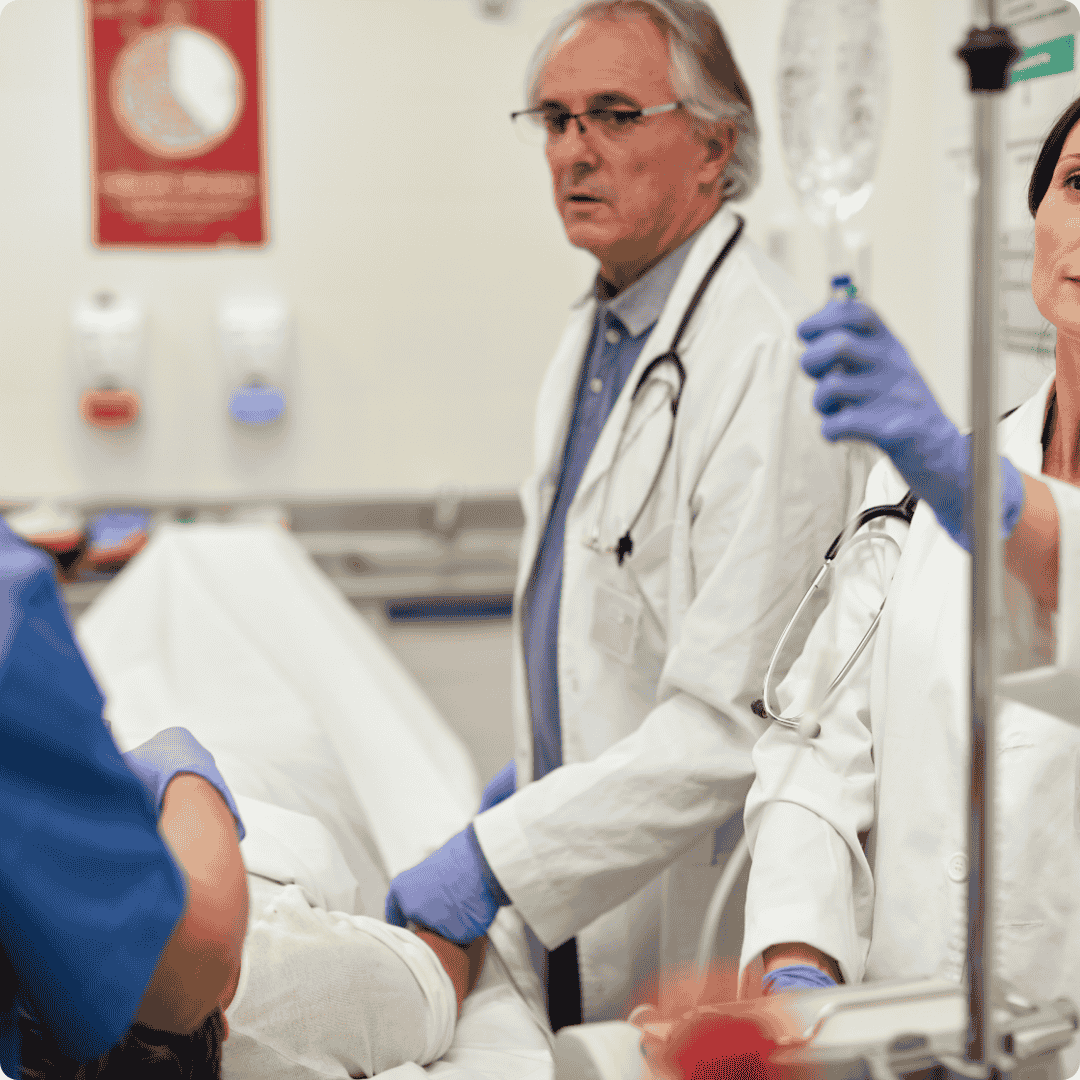
When researching Stem Cell Therapy for Parkinson’s Disease in Colombia, US patients prioritize cost, safety, and regulatory standards. Stem cell packages in Colombia typically cost $6,500 to $12,000 USD, offering significant savings of 50% to 70% compared to similar private alternative treatments in North America. These investigational treatments utilize ethically sourced Mesenchymal Stem Cells (MSCs) processed in GMP-certified laboratories, aiming to manage neurodegeneration, reduce inflammation, and improve daily quality of life.
Parkinson’s disease is a progressive neurological disorder affecting nearly one million individuals in the United States alone. Characterized by tremors, muscle rigidity, and cognitive changes, it profoundly impacts a patient’s independence and quality of life.
Traditional medical management often relies on medications, which can lose efficacy or cause severe long-term side effects. This prompts many patients to seek alternative and complementary interventions for symptom management.
Regenerative medicine, including Stem Cell Therapy for Parkinson’s in Colombia, has emerged as a promising investigational approach. Colombia has become a leading medical tourism destination, offering advanced biotechnology, internationally trained specialists, and stringent medical regulations at a fraction of US costs.
For US patients considering medical travel, diligent research and clear expectations are essential. This guide provides an objective overview to help you make an informed healthcare decision. PlacidWay serves as a medical tourism facilitator, connecting patients with verified healthcare providers worldwide.
What Are the Key Takeaways for Parkinson’s Stem Cell Therapy in Colombia?
- Cost Savings: Colombian clinics offer stem cell therapy for Parkinson’s at 50% to 70% lower costs than in North America, making it a financially attractive option.
- Advanced Cell Types: Leading clinics primarily utilize ethically sourced Mesenchymal Stem Cells (MSCs), including robust Wharton’s Jelly-derived cells, known for their neuroprotective properties.
- Strict Regulations: Colombia’s healthcare system is highly regulated by INVIMA, similar to the US FDA, ensuring GMP-certified laboratories and board-certified specialists.
- Comprehensive Packages: Packages for international patients often include consultations, cell processing, administration, anesthesiologist fees, and ground transportation.
- Realistic Expectations: Stem cell therapy is an investigational treatment for symptom management and improved quality of life, not a definitive cure for Parkinson’s disease.
What is Stem Cell Therapy for Parkinson’s Disease?
Stem cell therapy for Parkinson’s disease is an advanced, investigational medical procedure. It introduces specialized, regenerative cells into a patient’s body with the aim of supporting neurological health.
These cells target chronic neural inflammation, secrete neuroprotective growth factors, and support the survival of existing dopamine-producing neurons. The goal is to potentially alleviate motor symptoms and improve overall quality of life.
Parkinson’s disease results from the gradual death of neurons in the substantia nigra, the brain region responsible for dopamine production. Regenerative medicine focuses on modulating the inflammatory environment that contributes to this cell death, rather than completely regrowing damaged brain tissue.
What Evidence Supports Stem Cell Therapy, and What are the Risks?
Evidence & Outcomes: While stem cell therapy for Parkinson’s is investigational, studies on Mesenchymal Stem Cells (MSCs) show promise in preclinical and early-phase human trials. Patients often report subtle improvements in energy, stiffness, and tremors within 3 to 12 weeks, with peak benefits evaluated at 3 to 6 months post-treatment, including enhanced mobility and better sleep patterns.
Risks & Contraindications: Adult MSCs carry a negligible risk of tumor formation. However, administration via intravenous infusions can cause minor vein inflammation, while intrathecal injections carry risks such as bleeding, infection (meningitis), or temporary nerve irritation. Seek immediate medical care if you experience a persistent high fever, severe unremitting headaches, or signs of localized infection at the injection site, as individual results vary, and no outcomes are guaranteed. Regenerative therapy is contraindicated for active cancers, severe late-stage Parkinson’s, active systemic infections, uncontrolled bleeding disorders, or inability to safely travel or cease blood-thinning medications.
Did You Know?
Did you know that Colombia is home to some of the world’s most advanced medical facilities, where patients often save significant amounts on Stem Cell Therapy while receiving care that meets or exceeds international hospital standards?
What Are the Costs for Stem Cell Therapy for Parkinson’s in Colombia?
The financial burden of managing Parkinson’s disease in the US can be staggering. Annual costs for medication and care often reach tens of thousands of dollars.
Since stem cell therapy is considered investigational in the US, it is typically not covered by Medicare or private insurance. This necessitates out-of-pocket payments, making the cost advantage of Colombian medical tourism highly appealing to many patients.
Stem Cell Therapy Cost Comparison
Major Savings
| Treatment Location |
Estimated Cost Range (USD) |
Typical Treatment & Wait Time |
| Bogotá / Medellín, Colombia |
$6,500 – $12,000 |
High-Dose Expanded Wharton’s Jelly MSCs (1 – 3 Weeks)Best Value |
| USA (Alternative Clinics) |
$15,000 – $30,000+ |
Basic Autologous / Uncultured MSCs (2 – 6 Weeks) |
| Panama City, Panama |
$18,000 – $28,000 |
High-Dose Expanded MSCs (2 – 4 Weeks) |
| Tijuana / Cancún, Mexico |
$8,000 – $15,000 |
Expanded Wharton’s Jelly MSCs (1 – 2 Weeks) |
Essential Facts & Pro-Tips
1
Fast Fact: Reputable clinics in Colombia source Mesenchymal Stem Cells (MSCs) from GMP-certified labs. These labs ensure cells are cultured in cleanrooms, screened for infectious diseases, and tested for viability before administration.
2
Travel Tip: Patients typically need to stay in Colombia for 5 to 8 days. This allows for initial evaluations, the stem cell procedure, and adequate post-treatment observation before flying back home.
3
Recovery Tip: Expect a phased healing timeline. Initial fatigue and mild body aches are normal. Subtle improvements may begin within 1 to 3 months, with peak potential assessed at 3 to 6 months post-treatment.
How Does the Stem Cell Treatment Journey in Colombia Unfold?
Traveling abroad for complex neurological treatment can feel overwhelming, but top Colombian clinics have streamlined the patient journey. This ensures comfort, safety, and meticulous medical oversight for international visitors.
Day 01
Remote Neurological Assessment & Arrival
The process begins with submitting medical records for a remote assessment to determine candidacy. Upon arrival in Colombia, a clinic representative provides transport to your hotel for rest.
Day 02 — 03
In-Person Clinical Evaluation & Stem Cell Administration
You will undergo comprehensive diagnostics and a consultation to finalize the protocol. Stem cells are administered via intrathecal injection and/or intravenous infusion under local anesthesia or mild sedation.
Day 04 — 05
Observation and Rest
Patients are required to rest at their hotel while medical staff monitor for any immediate, typically temporary, adverse reactions such as mild fever or headache.
Day 06 — 07
Final Clearance and Departure
A final consultation with your doctor ensures medical clearance is granted. You are then safe to fly back to the United States.
Frequently Asked Questions
1. How much does stem cell therapy for Parkinson’s disease cost in Colombia?+
Stem cell therapy for Parkinson’s disease in Colombia typically costs between $6,500 and $12,000 USD. This price generally includes the medical consultation, the stem cell harvesting and expansion process, the administration procedure, and basic post-operative monitoring. It represents a 50% to 70% savings compared to specialized alternative clinics in the US or Europe.
2. Is stem cell therapy a cure for Parkinson’s disease?+
No, stem cell therapy is not a cure for Parkinson’s disease. It is an investigational, regenerative treatment aimed at managing symptoms, reducing inflammation, and potentially slowing disease progression.
Patients may experience improvements in motor function and quality of life, but the underlying neurodegeneration is not completely reversed.
3. What type of stem cells are used for Parkinson’s treatment in Colombia?+
Top clinics in Colombia predominantly use adult Mesenchymal Stem Cells (MSCs). These are typically ethically sourced from Wharton’s Jelly (human umbilical cord tissue) or harvested from the patient’s own bone marrow or adipose (fat) tissue.
MSCs are preferred for their strong anti-inflammatory and neuroprotective properties, acting as “cellular paramedics” to protect existing neurons.
4. Are stem cell clinics in Colombia safe and regulated?+
Yes, reputable stem cell clinics in Colombia are highly regulated. They must comply with the standards set by INVIMA, which is Colombia’s National Food and Drug Surveillance Institute, equivalent to the US FDA, and the Ministry of Health.
Many top-tier clinics also utilize laboratories with GMP (Good Manufacturing Practice) certification. This ensures cell purity, sterility, and adherence to international best practices.
5. How are the stem cells administered for Parkinson’s disease?+
For neurodegenerative conditions like Parkinson’s, stem cells are most commonly administered via intravenous (IV) infusion, intrathecal injection (into the spinal canal), or a combination of both.
Intrathecal administration is often preferred. This method allows the cells to bypass the blood-brain barrier and reach the central nervous system more directly, maximizing their therapeutic potential.
6. How long does a patient need to stay in Colombia for treatment?+
Patients typically need to stay in Colombia for 5 to 8 days. This duration is carefully planned to accommodate all necessary medical stages.
The timeline includes initial medical evaluations, essential laboratory tests, the actual stem cell administration procedure, and several days of crucial post-treatment observation. This comprehensive approach ensures the patient is medically cleared before their flight home.
7. How long does it take to see results from stem cell therapy?+
Results vary significantly among individuals, reflecting the biological nature of the treatment. However, most patients who respond to therapy typically begin to notice subtle improvements.
These changes, such as improved energy, reduced stiffness, or diminished tremors, usually become apparent within 3 to 12 weeks post-treatment. The regenerative process continues internally for up to 6 months as cells modulate inflammation and release growth factors.
8. How do I choose the right stem cell clinic in Colombia?+
When selecting a clinic, demand full cell transparency: ask about the specific type of MSCs used and the guaranteed viable cell count. Verify that their partnering laboratory holds current INVIMA approval and GMP certification.
Ensure board-certified physicians perform procedures like intrathecal injections and confirm the clinic performs viability testing on cells prior to infusion. Choose a facility that offers honest outcome expectations, avoiding any promises of a “100% cure,” and provides robust post-care support, including scheduled telemedicine follow-ups.
Ready to Take the Next Step Towards Recovery?
Choosing the right destination for your medical care is significant. By opting for treatment abroad, you are not just saving on costs—you are gaining access to specialized clinicians and world-class care.
Get Your Free Quote Now
Medical Disclaimer: The information in this article is provided for educational and informational purposes only and does not constitute medical advice, diagnosis, or treatment recommendations. Stem cell therapy for Parkinson’s disease is an investigational treatment, and individual results can vary significantly based on health status, disease complexity, and other factors. PlacidWay is a medical tourism facilitator, connecting patients with verified healthcare providers, but does not offer medical services directly. Always consult a licensed healthcare professional to discuss your specific medical situation and make informed treatment decisions. It is crucial to seek immediate professional care if you experience any severe or worsening symptoms.