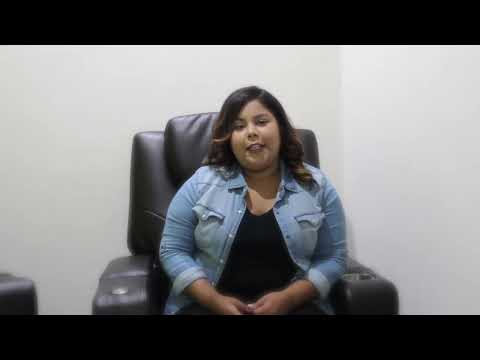
Perla Nayeli is 24. After third-degree burns to her arms, she spent three months in hospital, needed skin grafts and was left with raised, sensitive scars. In this Spanish-language video, recorded with CellsTime Clinique in Guadalajara, she explains why laser treatment was ruled out, what her eight-month regenerative treatment plan has involved, and the changes she and her doctors have noticed so far.
After the Burns
Perla describes a slow recovery. Her arms were operated on during a three-month hospital stay and she needed skin grafts. Afterwards, she says, her scars grew somewhat and were not attractive to her. Raised scars of this kind, called hypertrophic scars, are common after deep burns and grafting.
“If I do laser on you, I’m going to hurt you a bit more.”
Si yo te hago el láser, te voy a lastimar un poco más.
Perla, recalling what a laser specialist told her · 0:27
That advice pushed her to look elsewhere. Her first contact with the foundation working with the provider came the year before the video, and her case was accepted after review.
Her Treatment Journey
Sessions
She describes the sessions as somewhat painful, with staff who notice her pain and try to reduce it.
Perla does not name the specific therapy in the video, and she does not say whether stem cells, cell-derived products or other regenerative treatments were used, or how many sessions she has had. What she does describe clearly is how the process felt: some discomfort, very sensitive skin, and a team she calls very humane.
The Changes She Describes
Swelling
Her doctors told her the scars look less swollen than before.
Height and colour
They also told her the scars are lower and their colour has improved.
Confidence
She says she feels much better and much more confident in herself.
She gives her own rough estimate of how much her scars have improved and is careful to say she is not exaggerating. It is her personal impression rather than a measured result, and the video does not show scar scores or photographs.
How burn scars are usually treated
Standard care for raised burn scars includes pressure garments, silicone sheets or gel, steroid injections, laser treatment and, in some cases, further surgery, usually guided by a burn or plastic surgery team. Cell-based treatments for scars are being researched but are not an established treatment. If you are considering one, ask how the provider will measure your scars before and during treatment.
CellsTime Clinique has shared other patient stories, including Hermelinda, who describes her recovery from arthritis. For background on cell-based approaches to skin, see our page on stem cell treatments for skin and aging.
Questions About Burn Scar Treatment
What kind of burns did Perla have?
She had third-degree burns to her arms, needed surgery and skin grafts, and spent about three months in hospital.
Why was laser not recommended for her?
She says a laser specialist told her laser could hurt her more and might make her scars worse.
What treatment did she receive?
She describes an eight-month regenerative treatment plan with the provider but does not name the specific therapy or cells used in the video.
Is the treatment painful?
She says it was somewhat painful and that her skin is very sensitive, but that staff noticed her discomfort and tried to reduce it.
What changed in her scars?
Her doctors told her the scars are less swollen, flatter and better in colour, and she feels more confident.
Are stem cells an approved treatment for scars?
No. Cell-based scar treatments are still being studied. Established options include pressure therapy, silicone, steroid injections, laser and surgery.
How long does scar treatment take?
Scar treatment is usually gradual. Perla was told she would need eight months of treatment to start with.
Living With Burn Scars?
A PlacidWay patient coordinator can share photos and medical records with providers and ask for a written plan, including what will be used and how progress will be measured.
Video Transcript Summary
A timestamped English summary of what Perla says in Spanish. Select a time to watch that moment on YouTube.
References
- PlacidWay. Perla Nayeli burn scar video and Spanish transcript, CellsTime Clinique, Guadalajara.
- MedlinePlus, U.S. National Library of Medicine. Burns.
- MedlinePlus, U.S. National Library of Medicine. Scars.
- U.S. Food and Drug Administration. Consumer Alert on Regenerative Medicine Products Including Stem Cells and Exosomes.
Disclaimer. This page describes one patient’s experience and is not medical advice. Burn scar treatment should be planned with a burn or plastic surgery specialist. Results differ from person to person.