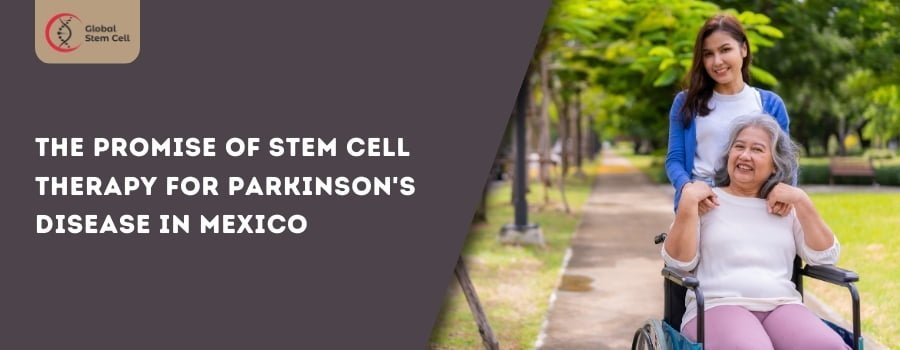
Exploring the Promise of Stem Cell Therapy for Parkinson’s Disease in Mexico
Parkinson’s disease (PD) is a neurodegenerative disorder that affects millions worldwide, causing tremors, stiffness, and difficulties with movement and coordination. While current treatments alleviate symptoms, they do not address the underlying cause of the disease.
In recent years, stem cell therapy has emerged as a promising avenue for treating Parkinson’s, offering hope for patients seeking alternatives. Among the countries pioneering stem cell research and therapy, Mexico has increasingly gained attention for its innovative approaches and promising results.
Understanding Parkinson’s Disease
Parkinson’s disease (PD) is a neurodegenerative disorder that primarily affects movement. It is a chronic and progressive condition, meaning that symptoms worsen over time. The disease is named after James Parkinson, the British physician who first described its symptoms in 1817.
Key Features of Parkinson’s Disease
Neurological Basis
Parkinson’s disease is characterized by the gradual degeneration of dopamine-producing neurons in a specific area of the brain called the substantia nigra. Dopamine is a neurotransmitter that plays a crucial role in coordinating smooth and controlled movements.
Symptoms
Motor Symptoms: These are the hallmark features of PD and include tremors, rigidity, bradykinesia (slowness of movement), and postural instability. Tremors, typically seen at rest, are often the first noticeable symptom.
Non-Motor Symptoms: PD can also manifest with non-motor symptoms such as cognitive impairment, mood disorders (depression and anxiety), sleep disturbances, and autonomic dysfunction.
Causes
The exact cause of Parkinson’s disease is not fully understood. However, both genetic and environmental factors are believed to contribute. Mutations in certain genes, exposure to toxins, and other environmental factors may increase the risk of developing PD.
Diagnosis:
There is no definitive test for Parkinson’s disease. Diagnosis is based on a thorough medical history, clinical examination, and sometimes imaging studies. Neurologists may use specific criteria, such as the presence of certain motor symptoms, to make a diagnosis.
Current Treatments and Limitations
the treatments for Parkinson’s disease primarily focus on managing symptoms, as there is currently no cure for the condition. The mainstay of treatment involves medications, lifestyle adjustments, and, in some cases, surgical interventions. It’s important to note that advancements in research and treatments may have occurred since then.
Medications
Levodopa (L-DOPA): Levodopa is the most effective medication for managing the motor symptoms of Parkinson’s disease. It is converted into dopamine in the brain, supplementing the deficient levels. However, long-term use may lead to motor fluctuations and dyskinesias (involuntary movements).
Dopamine Agonists: These medications mimic the action of dopamine in the brain. They are used to treat motor symptoms and are often prescribed in combination with levodopa.
MAO-B Inhibitors: Monoamine oxidase-B (MAO-B) inhibitors help prevent the breakdown of dopamine and can be used as adjunctive therapy to levodopa.
COMT Inhibitors: Catechol-O-methyltransferase (COMT) inhibitors, such as entacapone, prolong the effect of levodopa by blocking its breakdown.
Surgical Interventions
Deep Brain Stimulation (DBS): DBS involves the implantation of electrodes into specific areas of the brain, usually the subthalamic nucleus or globus pallidus. These electrodes deliver electrical impulses to modulate abnormal neural activity and alleviate motor symptoms.
Limitations and Challenges
Motor Fluctuations and Dyskinesias:
Long-term use of levodopa can lead to motor fluctuations, where the effectiveness of the medication fluctuates throughout the day. Dyskinesias, involuntary movements, are another potential side effect.
Non-Motor Symptoms:
Parkinson’s disease is not solely a motor disorder; it also involves various non-motor symptoms such as cognitive impairment, mood disorders, sleep disturbances, and autonomic dysfunction. Addressing these symptoms can be challenging, and there is a need for more targeted therapies.
Side Effects of Medications:
Medications used to treat Parkinson’s disease can have side effects, including nausea, dizziness, hallucinations, and sleep disturbances. Finding the right balance and combination of medications for each individual can be complex.
Disease Progression:
While current treatments can manage symptoms, they do not halt the progression of the disease. As Parkinson’s disease advances, individuals may experience increased disability and challenges in daily living.
Individual Variability:
The response to medications and the progression of Parkinson’s disease can vary widely among individuals. Personalized treatment plans are essential, and healthcare providers often need to adjust medications based on the patient’s evolving needs.
The Promise of Stem Cell Therapy
Stem cell therapy holds promise in the field of Parkinson’s disease (PD) as a potential avenue for disease-modifying treatments. While the research is still in its early stages, several aspects of stem cell therapy show potential benefits:
1. Dopamine Neuron Replacement: In Parkinson’s disease, the loss of dopamine-producing neurons in the brain is a key feature. Stem cells, with their ability to differentiate into various cell types, including neurons, offer the potential to replace the damaged or lost dopamine-producing cells. This could address the underlying cause of motor symptoms in PD.
2. Disease Modification: Unlike symptomatic treatments that manage symptoms but do not alter the course of the disease, stem cell therapy has the potential to modify the disease process by replacing damaged cells and restoring normal function.
3. Differentiation of Pluripotent Stem Cells: Pluripotent stem cells, such as induced pluripotent stem cells (iPSCs), can be generated from a patient’s own cells and then differentiated into specific cell types, including dopamine-producing neurons. This personalized approach reduces the risk of immune rejection.
4. Neuroprotective Effects: Stem cells may also have neuroprotective effects, providing support to existing neurons and promoting their survival. This aspect could potentially slow down the progression of Parkinson’s disease.
Mexico’s Role in Advancing Stem Cell Therapy
Mexico has made significant strides in advancing stem cell therapy, particularly in the field of regenerative medicine. Several factors contribute to Mexico’s prominence in this area:
- Regulatory Environment: Mexico has relatively flexible regulations regarding stem cell research and therapy compared to some other countries. This allows for greater innovation and experimentation in the field.
- Clinical Trials: Mexico has been proactive in conducting clinical trials for stem cell therapies. This has attracted researchers and clinicians from around the world to collaborate on cutting-edge treatments.
- Medical Tourism: Mexico has become a destination for medical tourism, including stem cell therapy. Patients from other countries, particularly the United States, travel to Mexico to access stem cell treatments that may not be readily available or affordable in their home countries.
- Research Institutes and Universities: Mexico is home to several research institutes and universities that are actively engaged in stem cell research. These institutions contribute to advancements in understanding stem cell biology and developing new therapeutic approaches.
- Collaboration with International Partners: Mexican researchers often collaborate with international partners to leverage expertise and resources. These collaborations enhance the quality and scope of stem cell research in Mexico.
Stem Cell Clinics in Mexico
Several clinics in Mexico specialize in stem cell therapy for Parkinson’s disease, employing various techniques such as mesenchymal stem cells (MSCs), induced pluripotent stem cells (iPSCs), and neural stem cells. These clinics often tailor treatment plans to individual patients, considering factors like disease severity, age, and overall health.
Patient Success Story
Stem cell therapy offers a beacon of hope for Parkinson’s disease patients, potentially revolutionizing the way we approach neurodegenerative disorders. In Mexico, pioneering research and innovative treatments are paving the way for a brighter future for individuals living with Parkinson’s.
While challenges persist, continued investment in stem cell research and collaboration across borders will be crucial in unlocking the full potential of this transformative therapy.