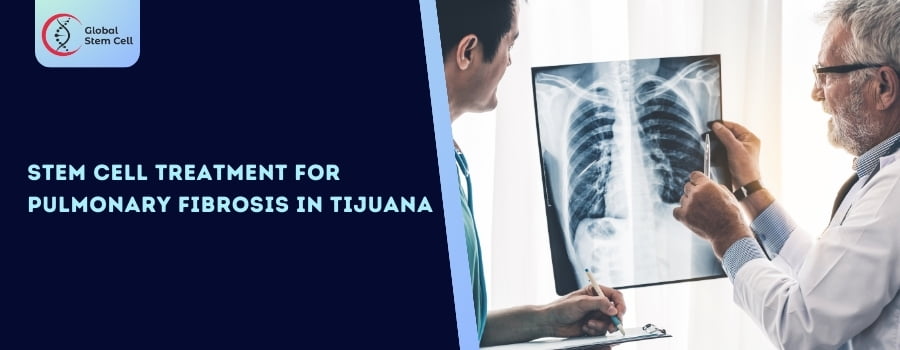
Pulmonary fibrosis is a chronic and progressive lung disease that affects thousands of individuals worldwide. Characterized by scarring of the lung tissue, this condition leads to severe respiratory issues and significantly impacts the quality of life. Traditional treatments, including medications and oxygen therapy, often provide limited relief and do not halt disease progression.
However, emerging therapies, particularly stem cell treatment, offer new hope. Tijuana, known for its advanced medical facilities and expert professionals, is becoming a popular destination for those seeking innovative treatments for pulmonary fibrosis.
Understanding Pulmonary Fibrosis
Pulmonary fibrosis involves the thickening and stiffening of lung tissues, leading to scarring and the loss of functional lung capacity. This condition can be idiopathic (without a known cause) or result from various factors such as long-term exposure to certain toxins, medical conditions, radiation therapy, and certain medications.
Causes and Risk Factors
- Environmental and occupational exposure to pollutants
- Certain medications, such as chemotherapy drugs
- Radiation therapy
- Chronic inflammatory processes
- Genetic predisposition
Symptoms
- Shortness of breath
- Chronic dry cough
- Fatigue and weakness
- Discomfort in the chest
- Unexplained weight loss
- Aching muscles and joints
Traditional Treatments
Current treatments focus on managing symptoms and slowing disease progression. These include:
- Medications: Anti-fibrotic drugs like pirfenidone and nintedanib can slow the progression.
- Oxygen Therapy: Helps improve oxygen levels in the blood.
- Pulmonary Rehabilitation: Exercise and education programs to help manage symptoms.
- Lung Transplant: For severe cases, a lung transplant may be considered.
What is Stem Cell Therapy?
Stem cell therapy involves the use of stem cells to repair and regenerate damaged tissues. Stem cells are unique because they can differentiate into various cell types and have the potential to repair lung tissues damaged by fibrosis.
Types of Stem Cells Used
- Mesenchymal Stem Cells (MSCs): Commonly used due to their anti-inflammatory and regenerative properties.
- Induced Pluripotent Stem Cells (iPSCs): Engineered cells with the ability to become any cell type, including lung cells.
How Stem Cells Help in Treating Pulmonary Fibrosis?
Stem cell therapy is an emerging treatment approach that holds promise for pulmonary fibrosis by potentially addressing the underlying causes of the disease. Here’s how stem cells can help:
1. Regeneration of Lung Tissue
Stem cells, particularly mesenchymal stem cells (MSCs), have the ability to differentiate into various cell types, including those found in lung tissue. When introduced into the lungs, these stem cells can potentially regenerate damaged lung tissue and replace scarred areas, improving lung function.
2. Anti-Inflammatory Effects
MSCs have potent anti-inflammatory properties. In pulmonary fibrosis, chronic inflammation contributes to ongoing lung damage and fibrosis. Stem cells can reduce inflammation by modulating the immune response, decreasing the release of pro-inflammatory cytokines, and promoting an anti-inflammatory environment. This reduction in inflammation can slow the progression of fibrosis.
3. Anti-Fibrotic Properties
Stem cells can secrete factors that inhibit the processes leading to fibrosis. These factors can reduce the proliferation of fibroblasts (cells that produce fibrous tissue), inhibit the deposition of extracellular matrix (which contributes to scarring), and promote the breakdown of existing fibrotic tissue.
4. Immune System Modulation
Pulmonary fibrosis is associated with dysregulation of the immune system. Stem cells can modulate the immune system, promoting a balance between pro-inflammatory and anti-inflammatory responses. This modulation helps in reducing the immune system’s attack on lung tissue, thereby protecting it from further damage.
5. Paracrine Effects
Apart from differentiating into lung cells, stem cells exert their therapeutic effects through the secretion of bioactive molecules (paracrine effects). These molecules include growth factors, cytokines, and extracellular vesicles that promote tissue repair, reduce cell death, and enhance the survival and function of existing lung cells.
Stem Cell Treatment Process in Tijuana
Tijuana offers state-of-the-art facilities and experienced medical professionals for stem cell therapy.
Treatment Process
- Initial Consultation: Comprehensive evaluation of the patient’s medical history and current condition.
- Stem Cell Harvesting: Collection of stem cells from the patient’s bone marrow, adipose tissue, or umbilical cord blood.
- Preparation: Processing and preparing the harvested stem cells in a specialized laboratory.
- Administration: Injecting stem cells directly into the patient’s lungs or intravenously.
- Post-Treatment Care: Monitoring and follow-up to assess the treatment’s effectiveness and manage any side effects.
Duration and Recovery
The entire process, from initial consultation to post-treatment follow-up, typically spans several weeks. Recovery time varies depending on the patient’s overall health and response to the therapy.
Choosing the Right Stem Cell Clinic in Tijuana
Choosing the right stem cell clinic in Tijuana requires careful consideration to ensure safety, efficacy, and a positive treatment outcome. Here are some essential factors to consider:
- Qualified Physicians: Ensure the clinic is staffed by licensed doctors and healthcare professionals with specialized training and experience in stem cell therapy.
- Range of Therapies: Verify the clinic offers the specific type of stem cell therapy relevant to your condition, whether it’s mesenchymal stem cells (MSCs), hematopoietic stem cells (HSCs), or others.
- Technology and Techniques: Inquire about the technologies and techniques used for stem cell isolation, processing, and administration, ensuring they align with current best practices.
- Safety Protocols: Confirm the clinic follows strict protocols for patient safety, including screening procedures, sterile techniques, and post-treatment monitoring.
- Success Stories: Look for evidence of successful outcomes and improvements in patients with conditions similar to yours.
Recommended Clinic
Benefits of Getting Stem Cell Treatment in Tijuana
Stem cell treatment in Tijuana, Mexico, has gained popularity for several reasons. Here are the key benefits:
- Lower Costs: Stem cell treatments in Tijuana are often significantly cheaper than in the United States and other developed countries, making it an attractive option for patients seeking affordable care.
- Experienced Medical Professionals: Tijuana is home to many experienced and highly trained medical professionals who specialize in stem cell therapy. Many doctors have received training in the U.S. and other advanced medical hubs.
- Proximity to the U.S.: Tijuana is conveniently located near the U.S. border, making it easily accessible for American patients. The city is just a short drive from San Diego, California.
- Less Stringent Regulations: Mexico has more flexible regulatory frameworks for stem cell treatments compared to the U.S., allowing for a wider range of therapies and quicker access to cutting-edge treatments that might still be in trial phases elsewhere.
- Customized Care: Clinics in Tijuana often provide personalized treatment plans tailored to the specific needs and conditions of each patient. This individualized approach can enhance the effectiveness of the therapy.
- Immediate Treatment: Patients often experience shorter wait times for treatment in Tijuana compared to their home countries, allowing them to receive necessary care without long delays.
Stem cell therapy offers a promising new approach to treating pulmonary fibrosis, with Tijuana emerging as a leading destination for this innovative treatment. With advanced medical facilities, experienced professionals, and cost-effective options, Tijuana provides a viable and attractive option for patients seeking to improve their quality of life.
If you or a loved one is considering stem cell therapy for pulmonary fibrosis, exploring the possibilities in Tijuana could be a life-changing decision.