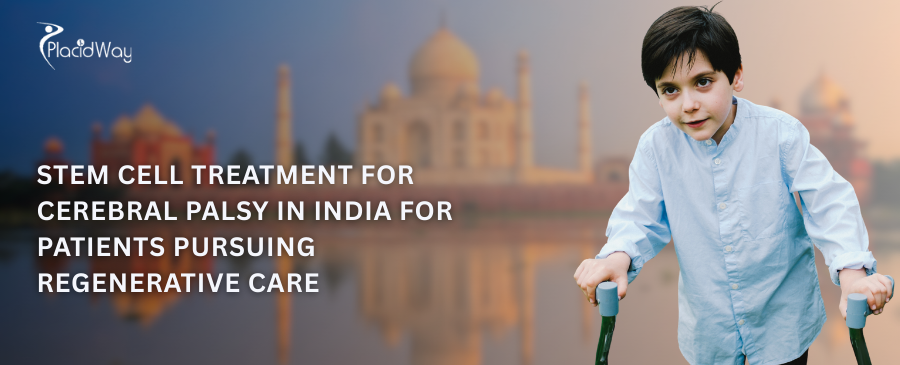
Stem cell treatment for cerebral palsy in India typically ranges from $6,500 to $12,000 depending on the clinic and protocol used. Patients choose this destination for affordable care and advanced medical facilities. It is important to consult a qualified neurologist to determine if this therapy suits your specific condition.

Finding hope and effective care for a child with neurological challenges is deeply emotional which is why many families explore options like Stem Cell Therapy Packages in India for potential improvements in motor function. India offers highly specialized medical facilities providing these advanced regenerative therapies at a fraction of Western costs though families must carefully verify hospital accreditations such as NABH or JCI before traveling. If you are considering this path exploring certified Stem Cell Therapy Centers in India can help you make an informed and safe decision for your loved one.
Quick Summary
- Estimated Cost: $6,500 to $12,000 USD depending on the specific protocol and facility
- Safety Profile: High when utilizing clinics accredited by NABH or JCI and following local regulatory guidelines
- Ideal Candidate: Children and adults with non-progressive motor deficits seeking improved muscle tone and coordination
- Expected Recovery: Initial clinical observation of 3 to 7 days followed by long-term dedicated physiotherapy
- Why Choose India: Access to leading neurologists advanced stem cell laboratories and cost-effective inclusive treatment packages
- Important Caution: Always verify specialist credentials and ethical board approvals before undergoing any regenerative protocol
Understanding Stem Cell Therapy for Cerebral Palsy in India
Cerebral palsy is a group of non-progressive neurological disorders that affect movement muscle tone and posture. For families navigating this diagnosis finding therapies that offer functional improvements is a top priority. In recent years medical tourism for regenerative medicine has grown significantly as families seek advanced care abroad. India has emerged as a primary destination for this specialized neurological care offering sophisticated medical infrastructure combined with highly experienced pediatric neurologists and researchers.
Patients travel to this region not only for affordability but for the comprehensive care models that many clinics provide. These holistic treatment plans typically integrate regenerative medicine with intensive physical and occupational therapy aiming to maximize neuroplasticity. While stem cell protocols cannot cure cerebral palsy clinical observations suggest they may help improve quality of life for carefully selected candidates.
| Primary Reasons for Medical Travel | Patient Benefits |
|---|---|
| Advanced Medical Infrastructure | Access to state of the art stem cell laboratories and processing facilities |
| Experienced Specialists | Neurologists with high case volumes in pediatric regenerative medicine |
| Cost Accessibility | Treatments cost a fraction of the price compared to Western nations |
| Holistic Treatment Packages | Inclusive programs combining cell therapy with intensive physical rehabilitation |
| Stringent Accreditations | Presence of JCI and NABH accredited hospitals ensuring patient safety |
How Stem Cells Target Neurological Damage
The core concept behind regenerative medicine for neurological conditions relies on the unique properties of stem cells specifically their ability to promote healing and reduce inflammation in the brain. When introduced into the body these cells are believed to migrate to areas of injured tissue. Once there they release growth factors and cytokines which may stimulate the brain’s natural repair mechanisms. This process known as paracrine signaling is a focal point of ongoing global neurological research.
While individual results vary widely the primary biological goals of the therapy include neurogenesis angiogenesis and immunomodulation. Neurogenesis refers to the potential support of new neural connections while angiogenesis involves the formation of new blood vessels to improve oxygen delivery to brain tissue. Immunomodulation helps reduce chronic neuroinflammation which is often present in brain injuries.
Medical Context: It is crucial to understand that stem cell therapy is considered an adjunctive treatment. It works best when combined with traditional therapies such as physiotherapy speech therapy and occupational therapy to reinforce new neural pathways.
Cost of Stem Cell Treatment for Cerebral Palsy in India
One of the most significant factors driving families to seek care internationally is the substantial difference in healthcare costs. The cost of stem cell treatment for cerebral palsy in India generally ranges from $6,500 to $12,000. This price typically reflects an all-inclusive package that covers the medical procedure laboratory cell expansion hospital stay and initial rehabilitation sessions. In contrast similar protocols in the United States or Europe can exceed $30,000 making international travel a financially viable option for many families.
It is vital for patients to request a transparent itemized quote before traveling. Variations in price often depend on the source of the stem cells the number of cell infusions required the length of the hospital stay and the intensity of the accompanying physical therapy program. Understanding exactly what is included prevents unexpected financial burdens during the medical journey.
| Destination Country | Estimated Minimum Cost USD | Estimated Maximum Cost USD |
|---|---|---|
| United States | $25,000 | $40,000 |
| United Kingdom | $20,000 | $35,000 |
| Australia | $22,000 | $38,000 |
| India | $6,500 | $12,000 |
Why Families Travel to India for Neurological Care
India has cultivated a robust medical tourism sector specifically catering to complex medical needs. Beyond just the cost savings the country offers an ecosystem of care that is highly appealing to international families. Many top tier hospitals feature dedicated international patient departments that assist with everything from visa applications to language interpretation and airport transfers. This level of logistical support significantly reduces the stress associated with traveling abroad for medical care.
Furthermore Indian medical professionals are often trained globally bringing international best practices back to their home country. The integration of modern allopathic medicine with complementary rehabilitative therapies provides a comprehensive approach to managing cerebral palsy. Families often report that the personalized compassionate care they receive plays a major role in their decision to pursue treatment in this region.
Planning Tip: When evaluating destinations always consider the availability of direct flights and the climate as extreme weather can impact a child’s comfort during the travel and recovery phases.
International Patient Demographics and Clinical Trends
Recent data from 2024 to 2025 highlights a steady influx of international patients seeking regenerative therapies for neurological conditions. Patients travel from various continents driven by the lack of affordable or accessible treatments in their home countries. A significant portion of this demographic originates from Africa and the Middle East where specialized pediatric neurology centers may be scarce. Similarly patients from the United States and the United Kingdom frequently travel to bypass high out of pocket costs and long wait times for specialized care.
Understanding these demographics helps illustrate the global trust placed in India’s healthcare infrastructure. Medical facilities have adapted to this diverse patient base by offering culturally sensitive care customized dietary options and multilingual medical coordinators ensuring that families feel secure and understood throughout their medical journey.
Source: Global Medical Travel Demographics Report for Regenerative Neurological Therapies 2024
Clinical Outcomes and Motor Function Improvements
Evaluating the success of regenerative treatments requires careful monitoring of motor function over time. Clinical registries tracking pediatric patients who undergo these protocols often utilize standardized measurement tools such as the Gross Motor Function Measure. While outcomes are highly individualized and depend heavily on the severity of the initial brain injury data suggests that many patients experience gradual improvements in muscle tone coordination and voluntary movement capabilities in the months following therapy.
These functional gains are typically most pronounced when the cellular therapy is rigorously supported by ongoing intensive physical rehabilitation. Families should maintain realistic expectations understanding that regenerative medicine aims to enhance quality of life and functional independence rather than providing a complete cure for the underlying neurological damage.
Source: Pediatric Neurological Regenerative Therapy Outcomes Registry 2025
Choosing Accredited Hospitals for Stem Cell Therapy in India
Patient safety must always be the primary concern when planning medical travel. The healthcare landscape in India includes both internationally renowned institutions and smaller private clinics making thorough research essential. You should prioritize hospitals that hold accreditations from the National Accreditation Board for Hospitals and Healthcare Providers or the Joint Commission International. These accreditations signify that the facility adheres to rigorous safety hygiene and operational standards.
Additionally it is crucial to ensure that the hospital’s stem cell laboratory complies with the guidelines set forth by the Indian Council of Medical Research. A reputable clinic will have an internal ethics committee that reviews and approves all regenerative protocols. They will also be fully transparent about their cellular processing methods sterility protocols and complication management procedures.
- Verify NABH or JCI hospital accreditation status
- Ensure laboratory compliance with national regulatory guidelines
- Check for an active institutional ethics committee
- Confirm the presence of an on site intensive care unit for emergencies
- Ask about the hospital’s infection control and sterility rates
Selecting Experienced Neurologists and Stem Cell Specialists
The success and safety of regenerative procedures rely heavily on the expertise of the attending physician. When evaluating doctors in India look for specialists who are board certified neurologists or neurosurgeons with specific advanced training in cellular therapies. They should be registered with the National Medical Commission and ideally hold memberships in professional organizations such as the Neurological Society of India.
Do not hesitate to ask potential specialists about their specific experience treating cerebral palsy. Inquire about their annual case volume their approach to patient evaluation and how they measure clinical success. A trustworthy physician will offer a balanced perspective discussing both the potential benefits and the realistic limitations of the treatment without making guaranteed claims of a cure.
Specialist Vetting Checklist: Ensure the doctor provides a detailed pre treatment neurological assessment a clear explanation of the cellular source being used and a structured follow up plan that coordinates with your local healthcare providers.
Evaluating Patient Eligibility for Stem Cell Protocols
Not every patient with a neurological disorder is a suitable candidate for cellular therapy. Thorough pre treatment screening is mandatory to determine if the procedure is medically appropriate and safe. Ideal candidates typically include patients with stable non progressive brain injuries who have plateaued with conventional therapies. The medical team will evaluate the patient’s medical history current MRI or CT scans EEG results and overall physical health.
Contraindications for this procedure may include severe systemic infections active seizure disorders that are not controlled by medication or severe genetic abnormalities. A responsible medical facility will refuse treatment if the risks outweigh the potential benefits highlighting the importance of choosing an ethical provider focused on patient well being rather than commercial gain.
Likely Candidates
- Stable non progressive motor deficits
- Patients unresponsive to standard physiotherapy alone
- Overall good systemic health
- Controlled seizure activity
Contraindications
- Active severe systemic infections
- Uncontrolled or frequent seizures
- Progressive neurodegenerative diseases
- Severe underlying genetic disorders
Step by Step Treatment Process for International Patients
Understanding the treatment timeline helps families prepare mentally and logistically for their medical journey. The process begins long before boarding a flight with comprehensive online consultations and medical record reviews. Once the patient arrives at the destination hospital they undergo a series of baseline diagnostic tests to confirm their current neurological status and ensure they are fit for the procedure.
The actual administration of the cells is typically performed via intrathecal injection or intravenous infusion depending on the specialist’s protocol. The procedure itself is relatively brief but patients are closely monitored in the hospital for several days afterward. Following discharge from acute care the crucial rehabilitation phase begins often requiring the family to stay near the clinic for several weeks.
| Phase | Activity | Estimated Timeframe |
|---|---|---|
| Pre Arrival | Online consultation medical record review and visa processing | 2 to 4 weeks |
| Initial Assessment | In person neurological exams blood tests and baseline imaging | 1 to 2 days |
| Cellular Therapy | Administration of stem cells under clinical supervision | 1 day |
| Observation | Hospital monitoring for immediate adverse reactions | 3 to 7 days |
| Rehabilitation | Intensive physical and occupational therapy sessions | 2 to 4 weeks |
Preparing for Travel and Medical Visas to India
Traveling for medical care requires meticulous logistical planning. International patients seeking care in this destination must apply for a specific Medical Visa rather than a standard tourist visa. The chosen accredited hospital will provide an official medical invitation letter which is a mandatory requirement for the visa application process. Families should initiate this process well in advance to account for processing times.
In addition to visa arrangements families must plan for accessible accommodation near the hospital arrange for medical transport from the airport and ensure they have all necessary medical records translated if required. Many hospitals provide dedicated patient coordinators who assist with these arrangements ensuring a smooth transition upon arrival.
Travel Warning: Ensure you carry physical copies of all recent medical scans doctor notes and a detailed list of current medications in your carry on luggage to prevent disruptions in care if baggage is delayed.
Post Treatment Care and Rehabilitation
The cellular procedure is only one part of the journey recovery and rehabilitation are equally critical for achieving optimal outcomes. Following the treatment patients require intensive neurorehabilitation to help the brain form new connections and maximize the potential benefits of the therapy. This rehabilitation phase often begins at the destination clinic and must be continued diligently once the patient returns home.
Families should establish a clear communication channel between the treating specialist abroad and their local pediatric neurologist or physical therapist. This collaborative approach ensures that the local care team understands the protocols used and can effectively monitor the patient’s progress manage any delayed complications and adjust physical therapy regimens as needed.
| Care Component | Action Required | Timeline |
|---|---|---|
| Immediate Monitoring | Watch for fever headache or localized pain at the injection site | First 7 days |
| Physical Therapy | Engage in daily structured physical and occupational therapy | Ongoing for months |
| Follow up Consultations | Virtual check ins with the treating specialist to report progress | At 1 3 6 and 12 months |
| Local Medical Care | Routine pediatric checkups and neurological assessments | As directed by local doctor |
Risks and Safety Considerations
Like any medical procedure regenerative therapies carry inherent risks that must be carefully weighed against potential benefits. Common mild side effects include temporary fever headache nausea or mild pain at the injection site which typically resolve within a few days under medical supervision. The safety profile is generally considered manageable when procedures are performed in highly regulated sterile hospital environments by qualified medical professionals.
More severe risks though rare can include central nervous system infections immune rejection if using donor cells or unexpected cellular behavior. To mitigate these risks it is imperative to choose transparent providers who strictly adhere to ethical guidelines utilize advanced sterile processing laboratories and maintain comprehensive emergency care capabilities on site.
- Understand the difference between autologous and allogeneic cell sources
- Discuss infection prevention protocols with the treating facility
- Ensure access to a pediatric intensive care unit during the hospital stay
- Commit to full transparency regarding the patient’s medical history
Frequently Asked Questions About Stem Cell Treatment for Cerebral Palsy in India
Is stem cell treatment a cure for cerebral palsy?
No regenerative therapies are not a cure for cerebral palsy. They are utilized as an adjunctive treatment that may help improve motor function muscle tone and overall quality of life when combined with intensive physical rehabilitation.
How much does stem cell treatment for cerebral palsy cost in India?
The estimated cost typically ranges from $6,500 to $12,000 depending on the hospital the cellular protocol used the length of stay and the inclusion of comprehensive physical therapy packages.
What type of stem cells are used for this procedure?
Specialists typically utilize mesenchymal stem cells derived from bone marrow adipose tissue or umbilical cord tissue depending on the patient’s specific condition and the clinic’s approved protocols.
Is it safe to travel to India for neurological treatments?
Medical travel can be safe if families carefully select hospitals accredited by NABH or JCI verify the credentials of the treating neurologists and ensure all ethical and medical guidelines are strictly followed.
How long do we need to stay in the country for the treatment?
Most international patients are advised to plan for a stay of 3 to 4 weeks. This timeframe allows for pre treatment evaluations the procedure acute observation and several weeks of essential post treatment rehabilitation.
Can older children or adults receive this therapy?
Yes while early intervention is often preferred older patients with non progressive motor deficits may also be evaluated for eligibility depending on their overall health and specific neurological needs.
What happens if there is a medical emergency during treatment?
Reputable accredited hospitals are equipped with advanced pediatric intensive care units and specialized emergency response teams to manage any unforeseen complications swiftly and safely.
Are the clinical outcomes guaranteed?
No ethical medical provider can guarantee specific outcomes. Improvements in motor function vary widely among patients based on the severity of the brain injury and individual biological responses.
Do we need a special visa for medical care?
Yes international patients and their accompanying caregivers must apply for a specific Medical Visa and Medical Attendant Visa using an official invitation letter provided by the treating hospital.
Why is physical therapy required after the procedure?
Physical therapy is essential because it stimulates the brain to utilize newly formed neural pathways helping to translate cellular changes into actual functional improvements in movement and coordination.
PlacidWay can help you compare accredited hospitals understand treatment costs verify specialist credentials and review comprehensive care packages for your family’s needs.
Related Stem Cell Therapy Resources
Disclaimer: This information is for educational purposes only and does not replace professional medical advice. Always consult a qualified healthcare provider before making medical decisions.
References
- Clinical Trials for Regenerative Therapies – National Institutes of Health 2025
- National Guidelines for Stem Cell Research – Indian Council of Medical Research 2024
- Patient Guide to Cellular Therapies – International Society for Stem Cell Research 2024
- Global Cross Border Healthcare Data – World Health Organization 2024
- Hospital Accreditation Standards – National Accreditation Board for Hospitals and Healthcare Providers
- International Quality Standards for Healthcare – Joint Commission International 2025