Stem cell therapy for liver cirrhosis aims to reduce liver inflammation and promote tissue regeneration using specialized mesenchymal stem cells. While it is not a cure or a replacement for a liver transplant it may help improve liver function and quality of life for eligible international patients when performed at licensed facilities.
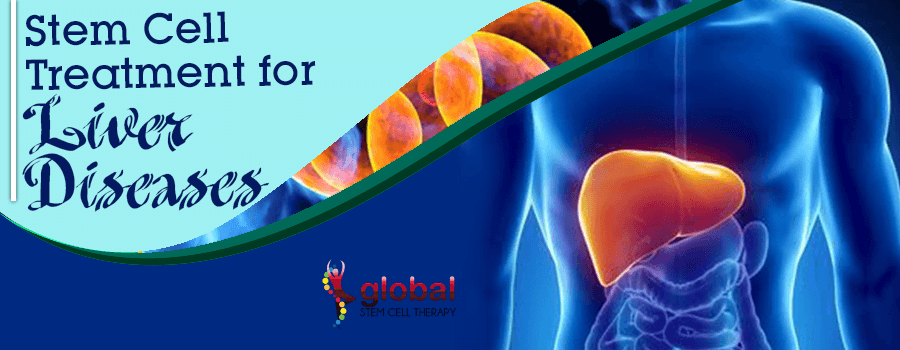
Liver cirrhosis is a progressive condition that causes severe scarring and severely impacts liver function over time. Many patients facing limited traditional medical options are choosing to explore global stem cell therapy options in hopes of managing their symptoms and potentially slowing disease progression. Researching and comparing stem cell therapy centers abroad allows you to evaluate international protocols safety standards and specialist credentials before making a major healthcare decision.
Quick Summary
- Estimated Cost Ranges from $8000 to $25000 depending on the destination and cell count.
- Safety Overview Requires treatment at licensed facilities with strict sterile protocols.
- Ideal Candidate Patients with early to moderate cirrhosis who are not candidates for immediate transplant.
- Recovery Time Typically involves a few days of clinical observation followed by weeks of gradual energy return.
- Main Reason Patients Travel Access to regenerative therapies not widely available or approved in their home country.
- Important Caution Stem cell therapy is not a guaranteed cure and must be evaluated alongside traditional hepatology care.
Introduction to Regenerative Care for Liver Disease
Patients diagnosed with liver cirrhosis often face a difficult journey managing progressive scarring and declining hepatic function. When traditional medications no longer provide sufficient relief and a liver transplant is either unavailable or medically contraindicated many individuals look toward regenerative medicine. International clinics offer therapies that utilize stem cells to potentially modulate inflammation and encourage the natural healing processes of the liver tissue.
Traveling abroad for this type of medical care requires careful planning and realistic expectations. The primary goal of regenerative treatment is generally to improve overall quality of life manage painful symptoms and potentially delay the need for more invasive surgical interventions. Understanding the science behind the treatment is the first step in determining if this pathway aligns with your specific medical needs.
- Access to advanced mesenchymal stem cell protocols
- Potentially lower treatment costs compared to domestic out of pocket expenses
- Availability of multi-disciplinary supportive care programs
- Shorter wait times for specialized consultations
- Desire to avoid or delay major organ transplant surgery
Patient Demographics and Travel Trends
The landscape of cross border regenerative healthcare is evolving rapidly as more patients seek alternative management strategies for chronic conditions. Current international medical travel data from 2024 to 2026 shows a steady increase in adults traveling specifically for hepatology related stem cell applications. Patients predominantly originate from North America and Western Europe where regulatory approvals for specific stem cell applications remain limited.
Understanding who typically travels for these procedures can help you gauge whether you fit the general patient profile. Most international patients fall within the middle to older age brackets reflecting the natural progression timeline of chronic liver conditions. The data below illustrates the age distribution of patients seeking these specialized treatments abroad.
Source: Global Regenerative Medicine Patient Travel Registry 2024
Patients travel for various clinical reasons often prioritizing symptom management and quality of life over the pursuit of a definitive cure. According to international treatment registries many patients are motivated by ineligibility for traditional transplants. The following chart breaks down the primary clinical motivations driving medical travel in this sector.
Source: International Council on Regenerative Medical Travel Report 2025
How Stem Cells Target Liver Cirrhosis
Mesenchymal stem cells are the most commonly used biological agents in regenerative protocols for hepatic conditions. These specific cells possess unique immunomodulatory properties meaning they can interact with the immune system to potentially reduce systemic inflammation. In a cirrhotic liver chronic inflammation is the primary driver of continuous scarring and tissue degradation.
Once introduced into the body these cells are believed to secrete specialized proteins and growth factors. This paracrine effect may stimulate the remaining healthy liver cells to function more efficiently and potentially encourage angiogenesis which is the formation of new blood vessels. Better blood flow generally supports tissue health and may aid in stabilizing the organ.
Potential Biological Benefits
- Reduction of hepatic inflammation
- Stimulation of natural cellular repair
- Improved localized blood circulation
- Modulation of immune system responses
Important Clinical Limitations
- Cannot reverse severe structural scarring
- Does not cure the underlying disease
- Results vary significantly by patient
- Requires ongoing lifestyle management
Evaluating Your Eligibility for Treatment Abroad
Not every patient with liver disease is a suitable candidate for regenerative medicine. Doctors typically evaluate eligibility using established medical scoring systems such as the Child Pugh score or the MELD score. These systems assess the severity of liver dysfunction by measuring bilirubin levels albumin levels and blood clotting times.
Ideal candidates usually fall into the early to moderate stages of cirrhosis where enough healthy liver tissue remains to potentially respond to the regenerative signals. Patients with end stage liver failure massive ascites fluid buildup or active hepatic cancers are generally not eligible for this therapy due to elevated risks and reduced likelihood of clinical benefit.
Always share your complete medical records including recent blood panels ultrasound reports and biopsies with the international clinic before booking travel. A reputable doctor will require these documents to confirm your safety and suitability for the procedure.
Common Delivery Methods in International Clinics
The method used to deliver stem cells to the liver can influence both the potential efficacy of the treatment and the associated procedural risks. International clinics typically utilize one of two primary delivery methods depending on the patients anatomy and the facilitys technological capabilities. The most common approach is intravenous IV infusion which is minimally invasive and allows cells to circulate systemically.
Alternatively some advanced medical centers perform hepatic artery injections. This targeted method involves guiding a catheter directly into the blood vessels supplying the liver ensuring a higher concentration of cells reaches the damaged tissue. However this targeted approach carries higher surgical risks and requires highly specialized interventional radiologists.
| Delivery Method | Invasiveness | Targeting Accuracy | Associated Risks |
|---|---|---|---|
| Intravenous Infusion | Low | Systemic dispersion | Mild fever temporary fatigue |
| Hepatic Artery Injection | Moderate to High | Highly targeted to liver | Bleeding vessel damage infection |
| Portal Vein Injection | High | Direct liver access | Internal bleeding thrombosis |
Global Treatment Cost Considerations
Understanding the financial commitment required for international stem cell therapy is crucial for effective travel planning. Costs vary dramatically based on the destination country the source and quantity of the stem cells and the specific delivery method utilized. International treatment packages often bundle the medical procedure with local transfers hospital stays and initial aftercare.
When reviewing cost estimates always ask the clinic for a transparent itemized quote. Ensure you understand what is included in the base price and what might incur additional fees such as pre treatment medical testing specialist consultations or extended hospital monitoring. Do not assume that the lowest price equates to the best value as safety protocols and cell quality are paramount.
| Destination Region | Estimated Cost Range USD | Typical Package Inclusions |
|---|---|---|
| Latin America | $8000 to $15000 | IV treatment blood panels airport transfers |
| Eastern Europe | $10000 to $20000 | Targeted delivery specialist consults hospital stay |
| Southeast Asia | $12000 to $25000 | Multi day protocols luxury suites comprehensive care |
Choosing Safe Clinics and Qualified Doctors
Your safety during medical travel heavily depends on the credentials of the facility and the medical professionals providing your care. It is essential to look beyond marketing materials and verify the clinics legal standing in its host country. A legitimate clinic will hold a current operating license from the national Ministry of Health or equivalent government regulatory body.
The supervising physician should be board certified in hepatology internal medicine or interventional radiology depending on the chosen delivery method. Request their medical license number and verify their registration with the local national medical council. Facilities that participate in national or international accreditation programs demonstrate a commitment to rigorous hygiene and patient safety standards.
- Verify government health department licensing for the facility
- Confirm the lead doctors national medical board registration
- Ask about the source expansion and testing of the stem cells
- Request the clinics written complication management protocol
- Ensure an in house interpreter is available if there is a language barrier
Understanding Risks and Safety Protocols
While regenerative therapies are generally well tolerated they are not completely without risk. The primary safety concerns often relate to the method of cell delivery and the origin of the cellular material. Using autologous cells from the patients own body minimizes the risk of immune rejection while allogeneic donor cells require strict screening for infectious diseases and genetic stability.
Common side effects following infusion include mild fever temporary fatigue and localized soreness at the injection site. More severe complications though rare can include vascular blockages infections or unexpected immune reactions. Safe clinics mitigate these risks through extensive pre treatment testing sterile laboratory environments and comprehensive post procedure monitoring.
| Potential Risk | Prevention Strategy Used by Top Clinics | Action Required by Patient |
|---|---|---|
| Infection | Strict sterile laboratory and operating protocols | Keep injection sites clean report fever immediately |
| Immune Reaction | Comprehensive HLA matching or autologous use | Disclose all autoimmune conditions prior to travel |
| Bleeding at Site | Pre treatment coagulation blood testing | Avoid blood thinners before treatment as advised |
Expected Recovery Timeline and Post Treatment Care
The recovery process after stem cell therapy for liver conditions is typically much shorter and less intense than traditional surgical interventions. Most patients are monitored in the clinic for a few hours to a few days depending on the invasiveness of the delivery method. It is normal to feel significant fatigue during the first week as your body processes the biological intervention.
True cellular regeneration and systemic changes happen gradually over several months. Patients are usually advised to adopt a strict liver friendly diet avoid alcohol entirely and coordinate follow up blood tests with their home hepatologist at regular intervals. International clinics should provide a clear discharge plan detailing when to seek emergency medical attention and how to conduct virtual follow ups.
| Recovery Phase | Physical Sensation | Expected Activity Level | Patient Action Required |
|---|---|---|---|
| Days 1 to 3 | Fatigue mild fever soreness | Rest primarily in hotel or clinic | Monitor temperature stay hydrated |
| Weeks 1 to 2 | Gradual energy return | Light walking no heavy lifting | Follow specific dietary guidelines |
| Months 1 to 3 | Stabilization of symptoms | Return to normal daily activities | Complete follow up blood work locally |
Coordinating Travel and Medical Visas
Planning international travel for medical reasons involves navigating specific logistical challenges. Depending on your destination and home country you may require a specialized medical visa rather than a standard tourist visa. Medical visas often require a formal invitation letter from the treating clinic confirming your appointment dates and the nature of your procedure.
Patients with advanced liver disease should also consider the physical toll of long haul flights. Cabin pressure and extended sitting can cause swelling and fatigue. Always consult your local doctor before booking flights to ensure you are medically fit to fly and arrange for wheelchair assistance at the airports to conserve your energy.
- Secure a medical visa and valid passport
- Purchase comprehensive medical travel insurance
- Pack all medical records and current imaging on a flash drive
- Carry all required prescription medications in original bottles
- Provide a trusted family member with your full itinerary
Frequently Asked Questions About Stem Cell Therapy for Liver Cirrhosis
Is stem cell therapy a guaranteed cure for liver cirrhosis?
No stem cell therapy is not a cure for liver cirrhosis. It is an experimental treatment aimed at managing symptoms reducing inflammation and potentially improving liver function to delay disease progression.
How much does liver stem cell treatment cost abroad?
Prices generally range from $8000 to $25000 USD depending on the destination clinic facilities and the specific delivery method required for your condition.
Where do the stem cells come from?
Clinics typically use either autologous cells harvested from your own fat tissue or bone marrow or allogeneic mesenchymal stem cells derived from ethically sourced umbilical cord tissue.
Will I still need a liver transplant after this treatment?
In many cases patients may eventually still require a transplant as the disease progresses. Stem cell therapy is generally used in an attempt to delay the need for surgery or improve quality of life.
Is the treatment painful?
The treatment is usually minimally invasive. Intravenous infusions cause minimal discomfort while hepatic artery injections are performed under local anesthesia or light sedation to ensure patient comfort.
How long do I need to stay abroad for the procedure?
Most international clinics require patients to stay in the country for 5 to 10 days to complete pre treatment testing the procedure itself and initial post treatment monitoring.
Are international stem cell clinics regulated?
Regulation varies significantly by country. It is crucial to verify that the clinic is licensed by the local Ministry of Health and that the doctors are registered with the national medical council.
Can anyone with liver disease receive this therapy?
No. Patients with severe end stage liver failure massive fluid retention or active liver cancer are typically not eligible due to elevated risks and lower probability of clinical benefit.
How quickly will I see results after the infusion?
Results vary widely. Some patients report feeling more energetic within a few weeks while potential changes in liver enzyme levels may take three to six months to become apparent on blood tests.
Should I stop my current liver medications before traveling?
Never stop your prescribed medications without consulting your primary hepatologist. The treating clinic abroad will provide specific instructions regarding blood thinners or other medications prior to the procedure.
PlacidWay can help you compare vetted providers understand global treatment costs ask the right questions and securely request information from trusted international clinics.
Related Stem Cell Therapy Resources
Disclaimer: This information is for educational purposes only and does not replace professional medical advice. Always consult a qualified healthcare provider before making medical decisions.
References
- Clinical Trials Database for Liver Cirrhosis – National Institutes of Health
- Mesenchymal Stem Cells in Liver Regeneration – National Center for Biotechnology Information
- Chronic Liver Disease Information – World Health Organization
- Guidelines for the Management of Cirrhosis – American Association for the Study of Liver Diseases
- Safety and Efficacy of Cell Therapy for Liver Fibrosis – PubMed
- Patient Guide to Stem Cell Treatments – International Society for Stem Cell Research