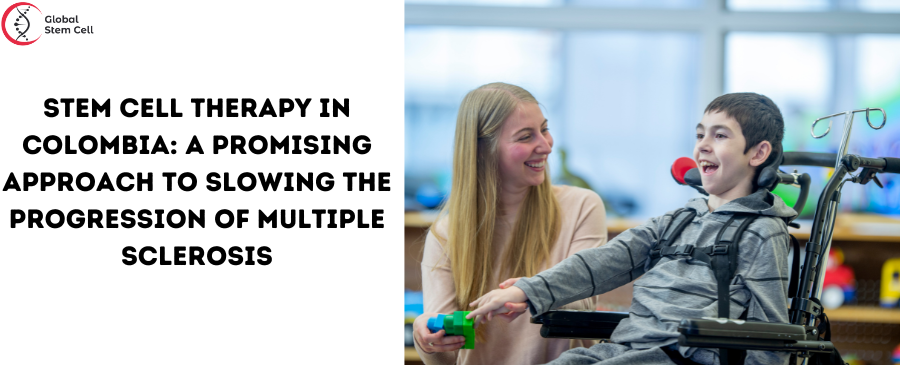
Stem cell therapy for multiple sclerosis in Colombia aims to slow disease progression and manage symptoms by utilizing mesenchymal stem cells to modulate the immune system and promote tissue repair. While not a cure, this regenerative treatment offers a promising option for patients seeking alternative medical care abroad under careful specialist supervision.
Quick Summary
- Estimated Cost: $8,000 to $15,000 USD depending on the protocol
- Safety Overview: Modest risk profile when performed by INVIMA certified clinics
- Ideal Candidate: Patients with relapsing remitting or secondary progressive MS seeking symptom management
- Recovery Time: Three to five days of primary rest followed by structured physical therapy
- Why Choose Colombia: Highly regulated medical sector with competitive costs and top tier facilities
- Important Caution: This therapy does not cure multiple sclerosis and results vary per patient
Understanding Regenerative Medicine for Multiple Sclerosis
Multiple sclerosis is an autoimmune condition that damages the protective myelin sheath surrounding nerve fibers. This damage disrupts communication between the brain and the body. Traditional treatments focus on managing inflammation and preventing relapses. Regenerative medicine aims to go a step further by promoting tissue repair. Mesenchymal stem cells are commonly used in this approach because they can modulate the immune system. They release anti inflammatory factors that may help protect existing neurons. Medical specialists administer these cells intravenously or intrathecally depending on the exact patient protocol.
Common Goals of Treatment
- Reducing overall neuroinflammation
- Slowing the progression of disability
- Improving daily energy levels
- Promoting myelin sheath repair
- Enhancing overall quality of life
The Biological Process of Cellular Therapy for MS
When you undergo regenerative treatment for multiple sclerosis the primary mechanism involves immunomodulation. Stem cells do not simply replace damaged nerves directly. Instead they migrate to areas of inflammation and release specific proteins. These proteins encourage your body to repair damaged myelin. This process also suppresses the abnormal immune response that characterizes multiple sclerosis. Clinical studies indicate that these cells can calm the hostile immune environment within the central nervous system. Patients typically undergo a detailed evaluation before any cell administration occurs.
| Treatment Phase | Biological Action | Patient Experience |
|---|---|---|
| Extraction and Culturing | Cells are harvested and multiplied in a sterile laboratory environment | Minimal discomfort during the initial blood or marrow draw |
| Administration | Millions of expanded cells are infused into the bloodstream or spinal fluid | Mild fatigue or mild fever may occur temporarily |
| Integration | Cells migrate to inflammatory sites and begin releasing repair factors | Gradual adjustment period with rest required |
| Ongoing Modulation | Immune system activity is regulated over several months | Potential stabilization of multiple sclerosis symptoms over time |
Reasons Patients Travel for Stem Cell Therapy in Colombia
Colombia has emerged as a premier destination for complex medical procedures due to its robust healthcare infrastructure. The national government strictly regulates the medical sector through organizations like INVIMA. This ensures that clinics adhere to high safety and hygiene standards. Furthermore many top specialists in the country receive specialized training in North America or Europe. The proximity to the United States and Canada makes travel relatively easy and affordable. Patients often appreciate the personalized care and extensive consultation times provided by local medical teams.
Medical Tourism Advantages
- High quality private hospital networks
- Strict oversight by the Colombian Ministry of Health
- Significant cost savings compared to domestic alternatives
- Experienced multidisciplinary medical teams
- Direct flights from major North American cities
Patient Demographics for Regenerative Medicine in Colombia
Analyzing cross border healthcare trends reveals who travels for specialized neurological care. Recent data highlights a steady increase in international patients seeking alternative MS treatments. North American patients represent the largest segment due to high domestic medical costs. Caribbean and Latin American patients also frequently cross borders to access advanced cellular laboratories unavailable in their home countries. European patients contribute a smaller but growing percentage. The distribution emphasizes the global trust in the Colombian medical ecosystem.
Source: ProColombia Medical Tourism Export Report 2024
Cost of Stem Cell Procedures for MS in Colombia
Financial considerations play a major role in the decision to seek treatment abroad. The cost of regenerative therapies in North America can be prohibitively expensive often exceeding thirty thousand dollars. In contrast specialized clinics in Bogota or Medellin offer comprehensive protocols at a fraction of that price. Patients can expect to pay between eight thousand and fifteen thousand dollars depending on the exact cellular dosage required. These price differences stem from lower administrative overhead and differences in regional economic scales rather than a reduction in medical quality. Always request a transparent written quote before committing.
| Treatment Destination | Estimated Minimum Cost USD | Estimated Maximum Cost USD |
|---|---|---|
| United States | $25,000 | $40,000+ |
| Canada | $20,000 | $35,000+ |
| Colombia | $8,000 | $15,000 |
| Mexico | $12,000 | $18,000 |
Understanding Package Inclusions and Hidden Expenses
When evaluating quotes from different medical facilities you must understand exactly what is included. An all inclusive package typically covers the cellular product medical consultations and necessary facility fees. However some clinics provide basic quotes that omit essential supporting services. Patients should clarify if pre treatment blood work MRI reviews and specialist consultations are part of the initial estimate. Travel expenses accommodation and specialized aftercare also require separate budgeting. Thoroughly reviewing the itemized list prevents unexpected financial burdens during your medical journey.
| Service Category | Typically Included in Package | Usually Billed Separately |
|---|---|---|
| Cellular Harvesting and Culture | Yes | No |
| Specialist Consultations | Yes | No |
| Pre Procedure Diagnostics MRI | Sometimes | Often Billed Separately |
| Hotel Accommodation | Sometimes | Usually Billed Separately |
| Post Treatment Medications | Sometimes | Usually Billed Separately |
Choosing Certified Hospitals for Regenerative Care in Colombia
Selecting the right facility is the most critical step in your medical tourism journey. You should look for clinics that operate under the strict supervision of the Colombian Ministry of Health. Facilities must possess proper laboratory certifications for handling biological materials. The National Food and Drug Surveillance Institute INVIMA oversees the quality and safety of cellular products in the country. A reputable hospital will transparently display their national licenses and undergo regular independent audits. Do not compromise on facility accreditation when evaluating your options.
Safety Warning
Avoid clinics that guarantee a complete cure for multiple sclerosis. Legitimate medical providers will only offer realistic symptom management goals and transparent risk assessments. Always verify their INVIMA laboratory certification.
How to Verify Specialist Credentials for MS Treatment
Your treating physician should be a board certified neurologist or a specialist with verifiable experience in regenerative medicine. In Colombia doctors must be registered with the national medical council and hold valid professional licenses. You should ask about their specific experience treating multiple sclerosis with cellular therapies. Inquire about their annual case volume and their protocols for managing potential complications. Many top specialists also hold memberships in international stem cell or neurological societies which indicates a commitment to continuing medical education.
Surgeon Vetting Checklist
- Verify registration with the Colombian Medical Federation
- Check for specific neurology or immunology board certifications
- Request data on their annual MS patient volume
- Ask about the specific cellular protocol utilized
- Ensure they provide a structured follow up plan
Evaluating Patient Eligibility for Cellular Therapy
Not every patient diagnosed with multiple sclerosis is an ideal candidate for this specific intervention. Medical teams must evaluate your current disease stage overall health and specific symptoms. Patients with relapsing remitting multiple sclerosis often show the most favorable responses to immunomodulation. Those in the advanced stages of primary progressive MS might experience limited benefits. A thorough neurological assessment including recent MRI scans helps determine if the potential benefits outweigh the clinical risks. Honest communication with your neurologist is essential.
Potential Benefits
- May slow disease progression
- Can reduce chronic inflammation
- Potential improvement in fatigue levels
- Minimally invasive administration
Possible Limitations
- Results are not guaranteed
- Does not reverse existing nerve death
- Requires travel and careful logistics
- Effects may diminish over time
Clinical Outcomes and Symptom Stabilization Rates
Recent clinical registries provide insights into the real world efficacy of mesenchymal stem cells for autoimmune conditions. Data from recent studies suggests a significant portion of patients experience symptom stabilization following treatment. The primary goal is halting the progression of disability rather than achieving a full cure. Patients often report improvements in energy levels and a reduction in the frequency of relapses. Long term monitoring shows that the immunomodulatory effects can persist for several months to years depending on individual biology. Continuous neurological follow up remains necessary.
Source: International Journal of MS Care Regenerative Medicine Outcomes Registry 2024
Timeline for Medical Travel and Recovery
Planning your trip requires an understanding of the treatment schedule. Most clinics require patients to stay in the country for five to ten days depending on the specific protocol. The initial days involve comprehensive neurological testing and blood work to finalize the cell preparation. The administration itself typically takes only a few hours in an outpatient setting. Following the procedure patients are advised to rest and avoid strenuous activities. A detailed follow up schedule will be provided before you fly home to ensure your local physician can monitor your progress.
| Travel Day | Scheduled Activity | Patient Requirement |
|---|---|---|
| Day 1 | Arrival in Colombia and hotel check in | Rest and acclimatize to the altitude if in Bogota |
| Day 2 | Initial medical consultation and laboratory tests | Fasting may be required for blood work |
| Day 3 | Cellular administration procedure | Observation in the clinic for a few hours post infusion |
| Day 4 to 5 | Rest and recovery period | Light activity and strict adherence to medical advice |
| Day 6 | Final consultation and medical clearance to fly | Receive all translated medical records |
Managing Potential Risks and Complications
While generally well tolerated any medical procedure carries inherent risks. The most common side effects of cellular therapy include mild fever headache or fatigue in the days following the infusion. These reactions usually subside quickly with simple medications. More serious complications such as infection are rare when the procedure is performed in an INVIMA certified laboratory. However immune reactions can occur. Your treating specialist should thoroughly explain all potential adverse events and provide a clear protocol for emergency management before you sign any consent forms.
Patient Advice
Always carry your complete medical records including recent MRI scans and your current medication list when traveling. This ensures the Colombian medical team has a comprehensive view of your health history.
Frequently Asked Questions About Stem Cell Therapy for MS in Colombia
What types of stem cells are used for MS in Colombia?
Clinics primarily use mesenchymal stem cells derived from umbilical cord tissue or the patient’s own bone marrow. These cells are chosen for their strong immunomodulatory properties and ability to reduce neuroinflammation associated with multiple sclerosis.
Is stem cell therapy a cure for multiple sclerosis?
No, this therapy is not a cure. It is an advanced management approach aimed at slowing disease progression, reducing relapse frequency, and improving overall quality of life by modulating the abnormal immune response.
How long do the effects of the treatment last?
The duration of benefits varies significantly among patients. Many experience symptom stabilization for several months to a few years. Ongoing neurological monitoring is required to assess long term efficacy and determine if follow up care is needed.
Will my local health insurance cover treatment in Colombia?
Most North American and European health insurance providers do not cover investigative or elective stem cell therapies performed abroad. Patients should expect to pay out of pocket and must budget accordingly for all associated travel costs.
Are the cellular laboratories in Colombia safe?
Yes, provided you choose a facility regulated by the Colombian Ministry of Health. Top tier clinics operate laboratories certified by INVIMA, ensuring strict adherence to international biological safety, handling, and sterility protocols.
Do Colombian doctors speak English?
Many top neurologists and regenerative medicine specialists in major cities like Bogota and Medellin speak fluent English. Clinics catering to international patients typically provide dedicated bilingual coordinators to assist throughout the medical journey.
How soon can I travel back home after the procedure?
Patients are generally cleared to fly home within two to three days after the final cell administration. The medical team will conduct a final evaluation to ensure you are stable and comfortable before clearing you for air travel.
Can I combine this therapy with my current MS medication?
You must discuss this extensively with both your local neurologist and your Colombian specialist. Certain disease modifying therapies may need to be temporarily paused before cell administration to prevent adverse drug interactions or immune suppression issues.
What happens if I experience complications after returning home?
Reputable clinics provide comprehensive aftercare plans and telehealth follow ups. Before treatment, ensure your local neurologist is aware of your plans so they can assist with routine monitoring or manage any unexpected mild complications upon your return.
How do I choose the best clinic in Colombia?
Prioritize facilities that offer full transparency regarding their medical licenses, INVIMA laboratory certifications, and detailed treatment protocols. Verify the lead specialist’s board certification in neurology or regenerative medicine and demand a clear explanation of all risks.
PlacidWay can help you compare highly rated providers, understand accurate treatment costs, ask the right medical questions, review available treatment options, and safely request information from certified clinics abroad.
Related Stem Cell Therapy Resources
Disclaimer: This information is for educational purposes only and does not replace professional medical advice. Always consult a qualified healthcare provider before making medical decisions.
References
- Stem Cells in MS – National Multiple Sclerosis Society
- Regulatory Framework for Biological Products – National Food and Drug Surveillance Institute (INVIMA)
- Regenerative Medicine Outcomes Registry 2024 – International Journal of MS Care
- Medical Tourism Export Report 2024 – ProColombia
- Patient Guide to Stem Cell Treatments – International Society for Stem Cell Research
- Immunomodulation in Autoimmune Disease – American Academy of Neurology