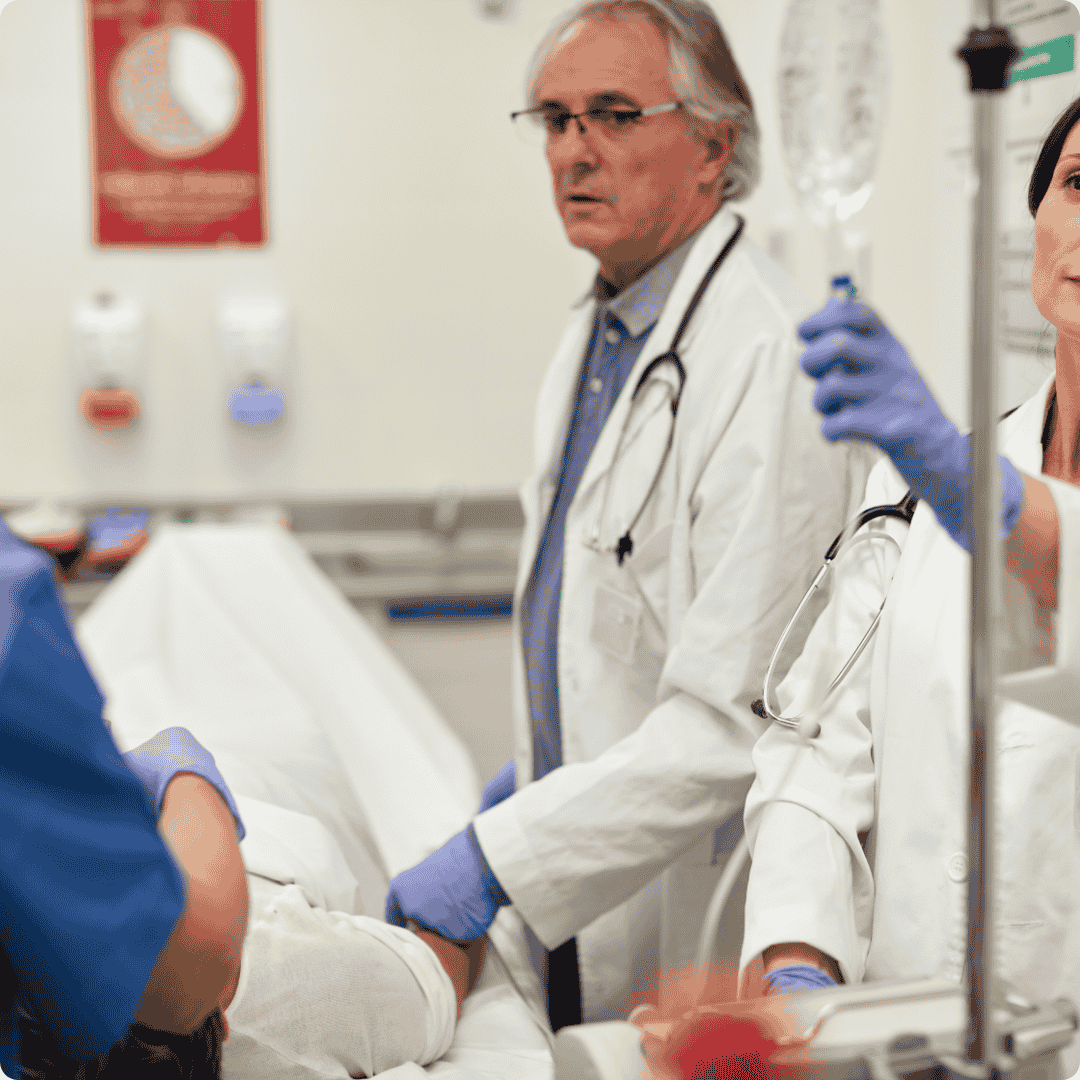
The average cost of stem cell therapy for Parkinson’s disease in Mexico typically ranges from $10,000 to $25,000 depending on the clinic and the specific medical protocol required. This is significantly lower than North American prices while maintaining strict safety standards. Patients must consult a qualified neurologist to confirm diagnosis and treatment suitability.

Parkinson’s disease presents profound daily challenges that lead many international patients to explore advanced medical treatments abroad in search of symptom relief and better quality of life. By researching Stem Cell Therapy Centers in Mexico, you can access modern facilities regulated by national health authorities at a fraction of North American prices. It is important to compare your options thoroughly and review comprehensive Stem Cell Therapy Packages in Mexico to understand exactly what each clinical program includes regarding diagnostics, cellular application, and aftercare. Taking these steps ensures you make an informed healthcare decision focused on safety, medical expertise, and realistic clinical expectations.
Quick Summary of Parkinsons Stem Cell Therapy in Mexico
- Estimated Cost: $10,000 to $25,000 USD depending on the number of cell applications.
- Safety: Regulated by COFEPRIS ensuring laboratories meet national sanitary standards.
- Ideal Candidate: Patients with early to mid-stage Parkinson’s disease seeking symptom management.
- Recovery Time: Initial rest for 2 to 3 days with long-term symptom monitoring over several months.
- Main Reason to Choose Mexico: Proximity to the United States combined with substantial healthcare savings.
- Important Caution: Stem cell therapy is not a cure for Parkinson’s disease and results vary significantly among patients.
Understanding Stem Cell Therapy for Parkinsons Disease in Mexico
Stem cell therapy is an evolving branch of regenerative medicine that many patients consider when conventional medications begin to lose their efficacy or produce severe side effects. For neurological conditions like Parkinson’s disease, the goal is to utilize the immunomodulatory and neurotrophic properties of stem cells to protect existing neurons and potentially stimulate tissue repair. Mexico has emerged as a leading destination for these procedures due to its progressive yet regulated medical framework. Facilities in major cities invest heavily in state-of-the-art laboratories to cultivate mesenchymal stem cells safely.
International patients travel to Mexico not only for the affordability but for the comprehensive care models that many clinics provide. These programs often include specialized neurological assessments, personalized cellular protocols, and supportive therapies such as physical rehabilitation. While the treatment is innovative, realistic expectations are crucial. The therapy focuses on managing motor symptoms like tremors and rigidity, rather than completely reversing the neurodegenerative process.
Medical Context: Mesenchymal stem cells are frequently used because they can reduce neuroinflammation, a key factor in the progression of Parkinson’s disease symptoms.
Cost of Stem Cell Therapy for Parkinsons Disease in Mexico
One of the primary reasons patients seek medical care across borders is the substantial difference in healthcare pricing. In Mexico, the cost of stem cell therapy for neurological conditions is highly competitive without compromising laboratory standards. The price variation typically depends on the source of the stem cells, the total cell count administered, the route of administration, and the length of the clinical stay. Many top-tier clinics offer all-inclusive packages that cover airport transfers, medical consultations, and hospital fees, making financial planning much easier for international travelers.
Understanding the financial commitment is essential before traveling. Hidden costs can sometimes arise if patients require extended hospital stays or additional neurological imaging prior to the procedure. It is highly recommended to request an itemized written quote from the clinic that clearly separates the cost of the biological materials from the physician fees and facility charges. Below is an estimated cost comparison to help you understand the potential savings.
| Country | Estimated Minimum Cost USD | Estimated Maximum Cost USD |
|---|---|---|
| United States | $25,000 | $45,000 |
| Canada | $20,000 | $40,000 |
| Mexico | $10,000 | $25,000 |
| Colombia | $12,000 | $22,000 |
Biological Mechanism of Stem Cells for Neurological Conditions
Parkinson’s disease is characterized by the progressive loss of dopamine-producing neurons in a region of the brain called the substantia nigra. As these neurons degenerate, patients experience worsening motor control. Stem cell therapy aims to intervene in this neurodegenerative cascade. Rather than directly replacing the lost neurons, the infused mesenchymal stem cells are believed to secrete various growth factors and anti-inflammatory cytokines. This process, known as the paracrine effect, helps create a more favorable microenvironment in the brain.
By reducing local inflammation, the therapy may help protect the surviving neurons from further damage. Additionally, the growth factors can promote angiogenesis, which is the formation of new blood vessels, improving blood flow and nutrient delivery to affected brain regions. While clinical trials are ongoing to fully map these mechanisms, many patients report improvements in energy levels, decreased muscle rigidity, and better response to standard Parkinson’s medications following their cellular treatments.
Patient Demographics Traveling to Mexico for Stem Cell Treatments
Medical tourism data from 2024 highlights a significant influx of North American patients seeking regenerative therapies in Mexico. The demographic profile of these patients provides valuable insight into who is utilizing cross-border healthcare for chronic neurological conditions. A large majority of these travelers are older adults who have been managing Parkinson’s disease for several years and are looking for adjunctive therapies to maintain their independence. Gender distribution tends to lean slightly toward males, reflecting the general prevalence of Parkinson’s disease.
Patients from the United States make up the largest segment, driven primarily by the high out-of-pocket costs of experimental or uncovered treatments back home. Canadians represent the second-largest group, often motivated by long wait times for specialized neurological care. Understanding these demographics helps clinics in Mexico tailor their services, ensuring they provide bilingual medical coordinators and accommodations suited for patients with mobility challenges.
Source: Cross-Border Healthcare Patient Registry Analysis, International Medical Travel Report 2024.
Clinical Outcomes and Patient Progression Tracking
Evaluating the success of stem cell therapy requires careful, long-term monitoring. Clinics in Mexico utilize standardized neurological scales, such as the Unified Parkinson’s Disease Rating Scale, to track patient progress objectively. Following treatment, patients are evaluated on motor function, daily living activities, and cognitive stability. Clinical data from 2024 and 2025 indicates that a notable percentage of patients experience a plateau in symptom progression or mild improvements in motor control within the first six months post-treatment.
It is important to emphasize that stem cell therapy outcomes follow a curve rather than an immediate spike in improvement. The biological processes triggered by the cellular infusion take time to manifest physically. Some patients may notice a reduction in the “off” times associated with their Levodopa medication, allowing for a more consistent quality of life throughout the day. Below is a graphical representation of average symptom stabilization based on recent patient tracking registries.
Source: Regenerative Neurological Outcomes Tracking Survey, Global Healthcare Data 2025.
Choosing Safe Clinics for Stem Cell Therapy in Mexico
Ensuring patient safety is the most critical step when planning medical travel. In Mexico, the government body responsible for overseeing medical facilities and laboratories is the Federal Committee for Protection from Sanitary Risks. Clinics that process and administer cellular therapies must hold specific licenses from this organization. When evaluating a clinic, patients should explicitly ask for proof of their sanitary license to handle human tissues and cells.
Beyond basic licensing, reputable clinics maintain absolute transparency regarding their cellular sources. Whether the cells are autologous or allogeneic, the facility should provide rigorous screening documents showing the cells are free from infectious diseases. The best medical centers operate their own sterile, clean-room laboratories on-site or partner with highly certified regional blood banks. Do not hesitate to ask for virtual tours of the laboratory before committing to a treatment plan.
Patient Warning: Avoid clinics that refuse to provide documentation regarding their laboratory certifications or those that guarantee a permanent cure for Parkinson’s disease. Ethical medical providers will always discuss realistic limitations.
Verifying Doctor Credentials for Neurological Stem Cell Care
The success and safety of the procedure rely heavily on the medical professional administering the treatment. Because Parkinson’s is a complex condition, the primary physician overseeing your care should ideally be a board-certified neurologist or a specialist with extensive training in regenerative medicine. In Mexico, doctors must hold a valid medical license and specific board certifications recognized by the national medical council.
When researching doctors, look for their registration numbers and verify their specialized training. A multidisciplinary team is a strong indicator of high-quality care. This means your case should be reviewed not only by a regenerative medicine specialist but also by a neurologist who understands the nuances of Parkinson’s medication management. Clinics that prioritize patient safety will offer a comprehensive pre-treatment consultation to evaluate your complete medical history.
Ideal Candidate for Parkinsons Disease Stem Cell Treatment
Determining eligibility is a strict medical process. Not every patient with Parkinson’s disease will benefit from regenerative therapies. The ideal candidate is typically someone in the early to mid-stages of the disease. At this point, significant neuronal populations still exist, and the anti-inflammatory and supportive properties of the treatment can be most effective. Patients should be in stable general health without severe secondary illnesses that could complicate the cellular infusion.
Patients in the advanced stages of Parkinson’s, particularly those suffering from severe dementia, profound physical frailty, or active systemic infections, are generally contraindicated for this therapy. A thorough medical evaluation, including recent MRI scans and detailed blood work, is required to clear a patient for travel and treatment. Your healthcare provider will analyze your current response to medications like Levodopa to set realistic goals for the outcome.
Expected Recovery Timeline and Post Treatment Care
The immediate physical recovery from the stem cell administration is usually brief. Most protocols involve intravenous infusions or localized injections, which are minimally invasive. Patients typically rest at the clinic or their hotel for a few days to monitor for any mild side effects, such as a low-grade fever or mild fatigue, which are common immune responses. However, the true recovery and progression timeline unfolds over several months as the cells interact with the body’s systems.
Post-treatment care is vital for maximizing the potential benefits. Reputable clinics in Mexico will establish a structured follow-up schedule via telemedicine to monitor your motor symptoms and adjust your conventional medications if necessary. Patients are strongly encouraged to continue their physical therapy and maintain an active lifestyle back home to support neuroplasticity.
| Timeframe | Clinical Process | Patient Experience | Action Required |
|---|---|---|---|
| Days 1 to 3 | Cellular infusion and initial immune response | Mild fatigue, possible low-grade fever, soreness at injection site | Rest, stay hydrated, avoid strenuous physical activity |
| Weeks 1 to 4 | Systemic circulation and reduction of local neuroinflammation | Gradual return to normal energy levels, subtle changes in stiffness | Resume normal daily activities gently, begin light stretching |
| Months 2 to 6 | Paracrine effect peaking, potential angiogenesis | Possible reduction in tremors, better response to existing medication | Maintain physical therapy, track symptoms in a daily log |
| Months 6 to 12 | Long-term stabilization and cellular plateau | Sustained management of motor symptoms, improved quality of life | Attend virtual medical follow-ups, adjust standard meds if advised |
Travel Planning and Medical Tourism Logistics for Mexico
Traveling to Mexico for medical care requires careful logistical planning, especially for patients dealing with mobility issues caused by Parkinson’s disease. Major medical tourism hubs like Tijuana, Cancun, and Monterrey have international airports with direct flights from most major US and Canadian cities. When booking your travel, consider requesting wheelchair assistance at the airport to minimize physical exhaustion before the medical procedure.
Many top clinics offer comprehensive concierge services designed specifically for medical tourists. This often includes picking you up from the airport in a private, comfortable vehicle and providing accommodations at partnered hotels that feature accessible rooms and zero-step showers. It is recommended to travel with a family member or caregiver who can assist with daily tasks, help track medical instructions, and provide emotional support throughout the medical journey.
Frequently Asked Questions About Stem Cell Therapy for Parkinsons Disease in Mexico
How much does stem cell therapy for Parkinson’s disease cost in Mexico?
The average cost ranges from $10,000 to $25,000 USD depending on the clinic, the type of cells used, and the complexity of the medical protocol. This is generally much more affordable than similar treatments in the US or Canada.
Is stem cell therapy in Mexico safe for neurological conditions?
When performed in clinics licensed by the national health authority, it is generally safe. Strict laboratory protocols ensure the cells are sterile and screened for communicable diseases prior to administration.
Will this treatment cure my Parkinson’s disease completely?
No, stem cell therapy is not a cure for Parkinson’s disease. It is a regenerative approach designed to manage symptoms, reduce neuroinflammation, and potentially slow disease progression to improve daily quality of life.
What type of stem cells are used for Parkinson’s treatment in Mexico?
Most specialized clinics utilize mesenchymal stem cells derived from ethical sources such as umbilical cord tissue. These cells are preferred due to their high proliferative capacity and potent anti-inflammatory properties.
How long do I need to stay in Mexico for the procedure?
The typical medical stay is between 3 to 7 days. This allows time for pre-treatment consultations, the cellular infusion process, and a short observation period before you are cleared to travel back home.
Can I stop taking my standard Parkinson’s medication after treatment?
You should never stop your prescribed medications without direct instructions from your neurologist. Some patients may eventually reduce their dosage, but this must be done under strict medical supervision.
How do I verify the credentials of a Mexican stem cell clinic?
Always ask the clinic to provide their current sanitary license number issued by the federal health regulator. Additionally, verify the board certifications of the lead neurologist and the laboratory director.
Are the results of the cellular therapy permanent?
The results are not permanent because Parkinson’s is an ongoing degenerative disease. Patients often experience a period of symptom relief that can last several months to a few years, after which a follow-up treatment may be considered.
Who is not a good candidate for this regenerative treatment?
Patients in the very advanced stages of the disease, those with severe cognitive decline, or individuals with active systemic infections or recent cancer diagnoses are generally not eligible for this therapy.
Does medical insurance cover stem cell therapy abroad?
Most traditional health insurance providers in the United States and Canada do not cover experimental regenerative therapies abroad. Patients usually pay out-of-pocket, which is why the lower costs in Mexico are highly appealing.
PlacidWay can help you compare highly rated medical providers, understand total treatment costs, ask the right medical questions, and securely request information from licensed clinics in Mexico.
Related Stem Cell Therapy Resources
Disclaimer: This information is for educational purposes only and does not replace professional medical advice. Always consult a qualified healthcare provider before making medical decisions.
References
- Federal Committee for Protection from Sanitary Risks – Government of Mexico
- Clinical Trials on Stem Cells for Parkinson’s Disease – US National Library of Medicine
- Stem Cells and Parkinson’s Disease Research – Parkinson’s Foundation
- Stem Cells and Parkinson’s – The Michael J. Fox Foundation for Parkinson’s Research
- Stem Cell Information Basics – National Institutes of Health
- Parkinson Disease Fact Sheet – World Health Organization