Stem cell therapy for diabetes in Malaysia involves using specialized cells to potentially regenerate damaged pancreatic tissue and improve blood sugar control. While it is not a guaranteed cure it offers a supportive approach for managing both type one and type two diabetes under strict medical supervision.
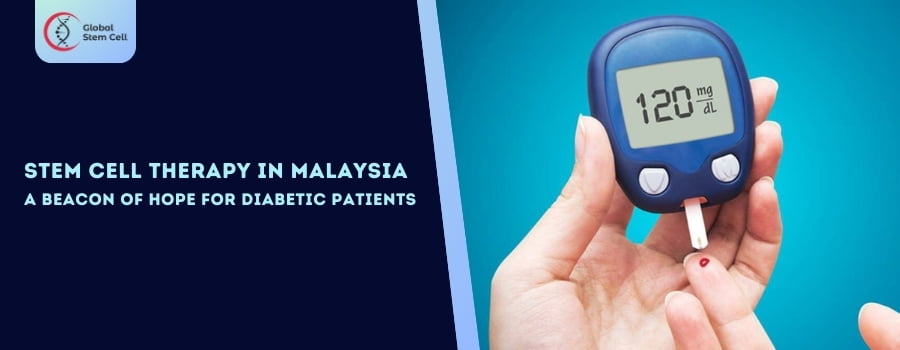
Managing chronic high blood sugar can be exhausting which is why many patients research stem cell therapy for diabetes in Malaysia to explore innovative biological treatments. When evaluating this destination you must carefully review clinic credentials and understand the overall treatment expenses involved. You can explore verified Stem Cell Therapy Centers in Malaysia to see facility standards or review comprehensive Stem Cell Therapy Packages in Malaysia to plan your medical journey effectively.
Quick Summary
- Estimated cost averages between twelve thousand and twenty five thousand USD depending on protocol
- Safety requires choosing Ministry of Health licensed facilities operating under strict guidelines
- Ideal candidates are patients with poorly controlled diabetes seeking supportive cellular management
- Recovery time usually spans three to seven days for the initial outpatient clinical observation
- Patients choose Malaysia for its advanced healthcare infrastructure and transparent regulatory frameworks
- Caution patients must avoid clinics making guaranteed cure claims and insist on verifiable clinical data
Understanding Stem Cell Therapy for Diabetes in Malaysia
Patients worldwide are increasingly looking into regenerative medicine to support chronic disease management. When you research stem cell therapy for diabetes in Malaysia you will find a healthcare system that carefully balances innovation with strict patient safety protocols. The core concept behind this therapy involves administering mesenchymal stem cells to potentially reduce systemic inflammation and encourage pancreatic beta cell regeneration.
- Advanced specialized facilities monitored by the national health authorities
- Access to highly trained medical specialists with international experience
- More accessible treatment costs compared to Western countries
- English speaking medical teams making international patient communication seamless
- Comprehensive holistic packages that often include necessary nutritional support
While standard treatments rely heavily on daily insulin injections and oral medications cellular therapy aims to target the underlying biological environment. Medical professionals in Malaysian clinics emphasize that this treatment acts as a complementary therapy rather than a standalone cure requiring ongoing lifestyle commitment.
How Cellular Treatment Works for Diabetic Patients
The science of regenerative medicine focuses on the natural healing mechanisms of the human body. In the context of diabetes mesenchymal stem cells are typically harvested from ethical sources such as umbilical cord tissue or the patients own adipose tissue. Once cultured and prepared in a certified laboratory these cells are administered intravenously to circulate throughout the body.
| Biological Process | Treatment Objective | Expected Outcome |
|---|---|---|
| Immunomodulation | Calm the immune system response | Reduction in autoimmune attacks on the pancreas |
| Anti Inflammatory Action | Decrease systemic cellular stress | Improved cellular receptor sensitivity to insulin |
| Tissue Regeneration | Stimulate local healing factors | Potential support for residual beta cell function |
| Angiogenesis | Promote new blood vessel growth | Better blood flow to vital organs affected by diabetes |
Your specialist will explain that the primary goal is not to instantly stop insulin usage but to create a healthier internal environment. Over several months these biological actions may help stabilize fluctuating glucose levels and reduce the severity of diabetic complications.
Ideal Candidates for Regenerative Diabetic Treatments
Not every patient is medically suitable for stem cell administration. A thorough medical evaluation is critical to determine your eligibility. Doctors in Malaysia will assess your current HbA1c levels duration of the disease presence of secondary complications and overall immune system health before recommending a protocol.
Patients with active systemic infections severe untreated cardiovascular disease or active malignancies are generally not candidates for this therapy. Transparency during your medical consultation is vital for your safety.
The most responsive candidates are often those who have residual pancreatic function but struggle with conventional management. If you have realistic expectations and understand that lifestyle modifications are mandatory post treatment you may benefit from this supportive approach.
Expected Treatment Timeline and Recovery Process
Planning your medical journey requires understanding the time commitment involved. A typical regenerative treatment protocol is administered on an outpatient basis but requires a few days of preparation and subsequent clinical observation.
| Phase | Duration | Patient Activity |
|---|---|---|
| Initial Consultation | One Day | Comprehensive blood panels and medical history review |
| Cell Preparation | One to Two Days | Laboratory processing of stem cells in a sterile facility |
| Administration | Two to Four Hours | Intravenous infusion in a comfortable clinical setting |
| Clinical Observation | Two to Three Days | Monitoring vital signs and immediate biological response |
| Long Term Follow Up | Three to Twelve Months | Remote monitoring of blood glucose and HbA1c trends |
Following the infusion you can generally resume light activities within a day. You might experience mild fatigue which is a normal biological response as your body begins the cellular repair process. Your care team will provide detailed dietary guidelines to support optimal cellular integration.
Patient Demographics and Medical Tourism Trends
Understanding who travels for these therapies provides context for your own decision. Recent data highlights a growing trend of middle aged adults seeking proactive management strategies for chronic metabolic conditions. International patients often prioritize destinations that offer strict regulatory oversight alongside medical innovation.
Source: Malaysian Healthcare Travel Council Annual Regenerative Medicine Demographic Report 2024
This demographic shift illustrates that individuals in their peak professional and personal years are actively investing in therapies designed to improve their long term quality of life rather than solely managing late stage symptoms.
Estimated Cost of Diabetic Stem Cell Treatments
Financial planning is a crucial step when considering healthcare abroad. In Malaysia the cost is influenced by the type of stem cells utilized the dosage required and the comprehensive nature of the medical package. Prices generally range between twelve thousand and twenty five thousand dollars.
| Treatment Component | Estimated Cost Range USD |
|---|---|
| Initial Diagnostic Testing | $500 to $1,500 |
| Stem Cell Preparation and Infusion | $10,000 to $20,000 |
| Post Treatment Monitoring | $1,000 to $2,500 |
| Nutritional Support and Supplements | $500 to $1,000 |
It is important to request an itemized written quote from your chosen provider. A transparent clinic will clearly outline what is included such as airport transfers hospital stays and follow up consultations ensuring you do not encounter hidden expenses.
Comparing Malaysian Treatment Costs With Other Nations
When you evaluate stem cell therapy for diabetes in Malaysia it helps to look at the global landscape. Patients often realize substantial financial savings by traveling while still receiving care in internationally recognized facilities.
| Destination Country | Estimated Minimum Cost USD | Estimated Maximum Cost USD |
|---|---|---|
| United States | $25,000 | $50,000+ |
| United Kingdom | $20,000 | $45,000 |
| Australia | $22,000 | $40,000 |
| Malaysia | $12,000 | $25,000 |
This cost efficiency does not imply a compromise in medical quality. The lower expenses are primarily due to differences in the cost of living administrative overhead and government subsidized healthcare infrastructure that supports medical tourism initiatives.
Essential Credentials When Choosing Hospitals in Malaysia
Patient safety hinges on selecting a legitimate regulated facility. Malaysia maintains strict oversight of medical practices particularly concerning cellular therapies. You must verify that the hospital operates legally and follows national guidelines.
- Check for Ministry of Health Malaysia clinical licensing
- Ensure the laboratory is National Pharmaceutical Regulatory Agency approved
- Look for Good Manufacturing Practice certification for cell processing
- Verify Malaysian Society for Quality in Health accreditation
Reputable hospitals will proudly display these credentials and readily provide registration numbers upon request. Avoid any facility that operates in a regulatory gray area or refuses to share laboratory certification details.
How to Select a Qualified Stem Cell Specialist
The success and safety of your treatment rely heavily on the expertise of your medical team. Cellular medicine is a highly specialized field requiring targeted training beyond general medical practice.
Always ensure your lead physician is fully registered with the Malaysian Medical Council. Ask about their specific clinical experience with metabolic disorders and how many specialized infusions they oversee annually.
A trustworthy doctor will spend time explaining the realistic outcomes of the procedure. They will thoroughly review your medical records discuss potential contraindications and never pressure you into making an immediate financial commitment.
Efficacy Rates and Clinical Observations
Evaluating clinical data helps set realistic expectations. Recent clinical registries have monitored diabetic patients post infusion focusing on markers like HbA1c to gauge metabolic improvement over time.
Source: Asian Journal of Regenerative Endocrinology Clinical Registry Update 2025
While the graph illustrates an encouraging downward trend in average blood glucose markers individual results vary significantly. Success relies heavily on the patients commitment to a strict post procedure dietary and exercise regimen.
Potential Risks and Medical Safety Considerations
All medical procedures carry inherent risks and regenerative medicine is no exception. While intravenous infusion is generally well tolerated you must be aware of potential complications to make an informed decision.
| Potential Risk | Clinical Presentation | Prevention and Management |
|---|---|---|
| Infusion Reaction | Mild fever or chills during administration | Premedication and close clinical monitoring |
| Infection | Localized redness or systemic fever | Strict sterile laboratory processing and aseptic technique |
| Hypoglycemia | Sudden drops in blood sugar post treatment | Frequent glucose monitoring and medication adjustment |
Reputable clinics in Malaysia have comprehensive protocols to manage these events. Ensure your chosen hospital provides clear emergency contact procedures and a structured plan for managing post treatment blood sugar fluctuations.
Navigating Malaysian Healthcare Regulations and Visas
Traveling for medical care requires logistical preparation. The Malaysian government actively supports healthcare travelers but you must ensure your documentation aligns with immigration requirements.
- Check if your nationality requires a specific medical visa for extended stays
- Bring comprehensive physical copies of your recent medical records
- Coordinate with the clinics international patient department for travel letters
- Secure comprehensive travel medical insurance that covers your specific journey
Your clinic coordinator will typically assist with visa documentation providing an official letter detailing your appointment dates and expected recovery period. Proper preparation ensures you can focus entirely on your health upon arrival.
Frequently Asked Questions About Stem Cell Therapy for Diabetes in Malaysia
Is stem cell therapy a permanent cure for diabetes?
No it is not a permanent cure. It is a supportive regenerative treatment designed to help manage blood sugar levels and potentially reduce insulin dependence but ongoing lifestyle management remains essential.
Am I eligible for this treatment if I have type one diabetes?
Patients with type one diabetes may be eligible depending on their specific medical history and residual pancreatic function. A thorough medical consultation is required to evaluate your autoimmune status.
How long do I need to stay in Malaysia for the procedure?
Most patients are advised to stay for approximately five to seven days. This timeframe allows for initial diagnostics laboratory cell preparation the infusion itself and brief clinical observation before flying home.
What kind of stem cells are used in these clinics?
Licensed clinics typically use mesenchymal stem cells which are ethically sourced from umbilical cord tissue or derived directly from the patients own adipose fat tissue depending on the recommended protocol.
Are the stem cell laboratories in Malaysia regulated?
Yes legitimate laboratories operate under strict regulations enforced by the Ministry of Health Malaysia and must comply with Good Manufacturing Practice standards for cell processing and storage.
Can I stop taking insulin immediately after the infusion?
Absolutely not. You must continue your prescribed medications and insulin. Any reduction in dosage must be done gradually and strictly under the direct supervision of your primary endocrinologist.
What are the common side effects of the infusion?
Common side effects are generally mild and may include temporary fatigue low grade fever or slight discomfort at the intravenous site which typically resolve within twenty four to forty eight hours.
How do I verify a doctors credentials in Malaysia?
You can verify a medical professionals credentials by checking their registration status on the official website of the Malaysian Medical Council and asking the clinic for their specific specialty board certifications.
Are there age restrictions for diabetic patients seeking this therapy?
While there is no strict upper age limit eligibility is based on overall health. Older patients with severe secondary complications or cardiovascular instability may be advised against undergoing the procedure.
Will my domestic health insurance cover treatment abroad?
Most domestic insurance plans consider regenerative treatments experimental and do not cover international medical travel. You should expect to finance the procedure out of pocket and discuss payment plans with the clinic.
PlacidWay can help you compare top providers understand treatment costs ask the right medical questions and request information from trusted clinics in Malaysia.
Related Stem Cell Therapy Resources
Disclaimer: This information is for educational purposes only and does not replace professional medical advice. Always consult a qualified healthcare provider before making medical decisions.
References
- Mesenchymal Stem Cells in Diabetes Mellitus – National Library of Medicine
- Official Medical Guidelines and Licensing – Ministry of Health Malaysia
- Global Standards for Cellular Therapies – International Society for Cell & Gene Therapy
- Cell and Gene Therapy Products Regulation – National Pharmaceutical Regulatory Agency
- Diabetes Fact Sheet and Global Management Protocols – World Health Organization
- Medical Professional Registration and Ethics – Malaysian Medical Council