1. A Paradigm Shift in Global Healthcare and Regenerative Medicine
The landscape of global healthcare is undergoing a radical transformation, driven by an aging global population and a massive spike in chronic, degenerative conditions. For decades, patients suffering from debilitating ailments were confined by the geographical limitations and soaring costs of their domestic healthcare systems. Today, this narrative is being entirely rewritten. Through strategic alliances and rigorous facility vetting, international patients are no longer restricted to the medical options available within their own borders. They are actively seeking alternative, cutting-edge therapies abroad that offer hope, healing, and restored quality of life.
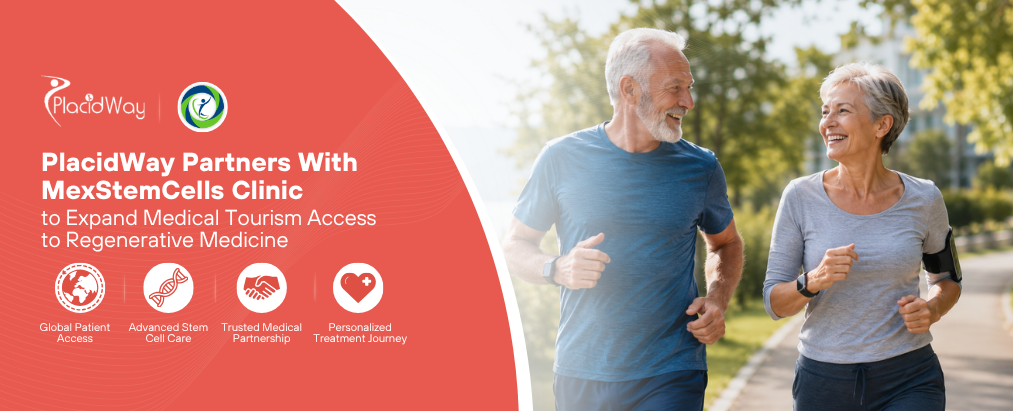
As detailed in the Official News Source, PlacidWay has been at the forefront of facilitating this monumental shift. By securing pathways to highly advanced, rigorously regulated medical centers across the globe, they are empowering patients to take control of their health destinies. Regenerative medicine, a field that focuses on repairing, replacing, or regenerating human cells, tissues, or organs to restore normal function, represents the pinnacle of this medical migration. With the rising demand for these therapies, the expansion of accessible options in Latin America serves as a vital lifeline for thousands of individuals who have exhausted traditional medical avenues.
Did You Know?
The global regenerative medicine market is projected to reach tens of billions of dollars by the end of the decade. As regulatory bottlenecks in North America slow down the approval of certain cellular therapies, medical tourism destinations like Mexico have rapidly advanced their clinical applications, creating a booming ecosystem of highly regulated, world-class bio-medical facilities catering heavily to international patients.
2. Why Mexico is Becoming the Epicenter of Cellular Therapies
Mexico has systematically positioned itself as a global powerhouse in the realm of medical tourism, specifically within the highly specialized sector of cellular and regenerative therapies. This is not a coincidence, but rather the result of targeted infrastructural investments, progressive medical regulations, and a deep commitment to international quality standards. The geographical proximity to the United States and Canada makes it an incredibly convenient destination for North American patients. Short, direct flights eliminate the physical strain of long-haul travel, which is a critical consideration for individuals dealing with chronic pain or mobility issues.
Furthermore, Mexico’s major medical hubs are home to state-of-the-art facilities that rival, and often surpass, the technological capabilities found in standard hospitals north of the border. These centers are staffed by elite, internationally trained medical professionals who frequently hold board certifications from both Mexican and international medical councils. The seamless integration of bilingual staff, luxury recovery accommodations, and dedicated patient coordination teams ensures that the medical journey is completely frictionless. By fostering an environment where advanced biotechnology meets unparalleled patient hospitality, Mexico has successfully rebranded itself from a standard vacation destination to an absolute epicenter for life-extending medical innovation.
3. Breaking Down the Financial Barriers to Advanced Medical Care
One of the most profound drivers of the medical tourism industry is the stark reality of healthcare economics. In countries like the United States, the out-of-pocket costs for advanced regenerative treatments can be astronomically high, often placing them entirely out of reach for the average citizen. Insurance companies frequently classify these innovative treatments as experimental, refusing coverage and leaving patients to bear the full brunt of the financial burden. This has created a healthcare divide where only the ultra-wealthy can afford the latest advancements in cellular science.
By bridging the gap between patients and premier facilities in Mexico, the financial paradigm is completely inverted. Patients can access the exact same—or even more advanced—protocols at a fraction of the cost. This price reduction is not indicative of lower quality; rather, it is a reflection of the differing macroeconomic factors, such as lower administrative overhead, favorable exchange rates, and different malpractice insurance structures. Below is a breakdown of why patients are choosing this cross-border financial strategy:
- Transparent Pricing Models: International clinics often provide comprehensive, all-inclusive pricing packages that cover the treatment, consultations, and sometimes even local logistics, eliminating the dreaded surprise medical bills common in domestic care.
- Reduced Overhead Costs: Lower facility operational costs and administrative burdens allow premier clinics to pass significant savings directly to the patient without compromising clinical excellence.
- High-Value Care: Patients frequently report that the quality of care, face-to-time with medical specialists, and overall clinical attentiveness far exceed what they experience in overburdened domestic systems.
- Accessible Innovation: Access to cutting-edge cellular expansion techniques and customized treatment protocols that might be tied up in years of red tape in their home countries.
- Holistic Packages: Many financial packages include complementary therapies, nutritional counseling, and comprehensive post-treatment follow-up, ensuring maximum return on the patient’s health investment.
4. The Science Behind the Demand: Treating Chronic Conditions
The surging interest in cellular therapies is deeply rooted in the extraordinary scientific advancements achieved over the last two decades. Unlike traditional pharmaceuticals that merely mask symptoms or temporarily alleviate pain, regenerative medicine aims to target the root cause of the disease. By utilizing the body’s own healing mechanisms or deploying specialized cells designed to modulate the immune system and reduce widespread inflammation, these therapies offer a biologically intelligent approach to healing. The science revolves around deploying multipotent cells capable of homing in on areas of injury and releasing trophic factors that stimulate tissue repair and regeneration.
Patients are traveling in record numbers to access comprehensive treatment protocols that address a wide spectrum of complex health challenges. The versatility of these therapies has opened new doors for individuals who were previously told their conditions were untreatable or purely degenerative. The most highly sought-after applications include:
- Orthopedic and Joint Degeneration: Targeted treatments for osteoarthritis, meniscus tears, and chronic joint pain, helping patients avoid highly invasive joint replacement surgeries and extensive rehabilitation periods.
- Autoimmune Disorders: Cellular therapies have shown profound promise in modulating overactive immune systems, providing relief for sufferers of Lupus, Rheumatoid Arthritis, and Multiple Sclerosis.
- Neurological Conditions: Innovative protocols aimed at slowing the progression of neurodegenerative diseases, reducing neuroinflammation, and potentially restoring lost function in specific cases.
- Cardiovascular Health: Specialized treatments designed to promote angiogenesis (the formation of new blood vessels) and improve overall heart muscle function post-injury.
- Anti-Aging and Vitality: Comprehensive systemic treatments aimed at combating cellular senescence, improving metabolic function, boosting energy levels, and reversing biological aging markers.
- Metabolic Syndromes: Addressing the systemic inflammation and cellular dysfunction associated with advanced diabetes and related metabolic disorders.
5. Patient Safety and International Quality Standards
One of the primary concerns for any individual considering cross-border healthcare is the assurance of safety, sterility, and clinical excellence. PlacidWay recognizes that patient trust is the absolute cornerstone of medical tourism. To alleviate these concerns, highly reputable facilitators employ incredibly strict vetting processes before integrating any facility into their global network. This ensures that patients are only directed to institutions that maintain uncompromised standards of care, mirroring or exceeding the protocols mandated by leading global health authorities.
In Mexico, premier biological centers are heavily regulated by national health authorities and frequently hold prestigious international accreditations. These facilities operate specialized clean rooms equipped with ISO-certified air filtration systems to ensure absolute sterility during the processing and cultivation of biological materials. Furthermore, comprehensive pre-treatment screening, detailed medical history reviews, and rigorous post-treatment monitoring are standard practice. By prioritizing transparency and uncompromising quality control, these advanced centers provide a safe harbor for international patients seeking revolutionary care.
Did You Know?
Leading regenerative medicine facilities in Mexico strictly adhere to Good Manufacturing Practices (GMP) and are rigorously overseen by COFEPRIS, the Mexican equivalent of the FDA. This stringent regulatory framework ensures that all cellular products undergo exhaustive virology testing, cell viability checks, and precise characterization before they are ever administered to a patient, guaranteeing both supreme efficacy and total safety.
6. The Economic Impact of Cross-Border Healthcare Initiatives
The surge in medical tourism is not only a triumph for individual patient health but also a massive economic catalyst for the host nations. By expanding access to advanced regenerative medicine, facilitators are driving a sophisticated, high-value demographic into international markets. This influx of medical travelers stimulates widespread economic growth, extending far beyond the walls of the clinic. It bolsters the local hospitality sector, creates highly skilled bio-medical jobs, and encourages continual governmental investment in national healthcare infrastructure.
Conversely, this global movement also provides a fascinating economic relief valve for the patient’s home country. By seeking privately funded, curative therapies abroad, patients are actively reducing the long-term burden on their domestic, often socialized or heavily strained, healthcare systems. By preventing severe disability through early and effective cellular intervention, patients remove themselves from the cycle of chronic palliative care, ultimately saving their local health systems immense amounts of long-term expenditure. This symbiotic economic relationship underscores the immense global value of borderless healthcare networks.
7. What International Patients Can Expect from This New Alliance
Embarking on a medical journey abroad can initially seem daunting, but the infrastructure established by global facilitators is specifically designed to eliminate stress and uncertainty. The focus is entirely on a seamless, concierge-level patient experience. From the very first point of contact, patients are guided by dedicated medical coordinators who act as advocates, translators, and logistical experts. The process is meticulously structured to ensure that the patient can focus purely on their healing and recovery.
The standard pathway for an international patient accessing regenerative therapies through these expanded networks involves several meticulously planned stages:
- Comprehensive Telemedicine Consultation: Before any travel is booked, patients undergo an in-depth video consultation with lead specialists to review medical records, assess candidacy, and outline expected outcomes.
- Customized Itinerary Creation: Dedicated case managers handle the logistics, coordinating optimal travel dates, securing specialized accommodations tailored for medical recovery, and organizing ground transportation.
- VIP Airport Arrival and Transfer: Patients are greeted directly at the airport by bilingual concierges and transported to their accommodations or the medical facility in private, comfortable vehicles.
- In-Person Evaluation and Testing: Upon arrival at the clinic, a final round of comprehensive diagnostic testing and physical evaluations are conducted to perfectly calibrate the treatment protocol.
- Precision Treatment Application: The cellular therapies are administered in state-of-the-art clinical environments by specialized medical teams, utilizing image-guided techniques for maximum efficacy.
- Long-Term Post-Care Monitoring: The relationship does not end when the patient flies home. Robust follow-up protocols, regular digital check-ins, and ongoing nutritional/lifestyle guidance are provided to ensure optimal, sustained healing.
8. The Future of Medical Tourism: Bridging Borders for Healing
As we look to the horizon, the trajectory of global medical tourism and regenerative medicine is undeniably intertwined. The continuous rapid advancements in biotechnology, coupled with an increasingly interconnected global society, suggest that crossing borders for medical care will soon become a normalized, first-line option rather than a last resort. The expansion of these sophisticated networks into thriving medical hubs like Mexico is merely the vanguard of a much larger movement toward global health equity.
Moving forward, we can expect to see an even greater integration of supportive technologies within the medical tourism journey. Artificial intelligence for predictive treatment modeling, advanced wearable tech for remote post-treatment monitoring, and enhanced telemedicine platforms will further shrink the distance between the patient and their international physician. PlacidWay’s unwavering commitment to expanding these vital access points guarantees that as medical science evolves, the ability of the average person to access these life-changing therapies will evolve right alongside it. The future of healthcare is global, transparent, and profoundly transformative.
Ready to Explore Your Regenerative Medicine Options?
Don’t let geographic boundaries limit your path to healing. Discover world-class, rigorously vetted cellular therapy options perfectly tailored to your medical needs and financial parameters.