Joint Treatment Stem Cell Colombia: Can It Offer Advanced Healing?

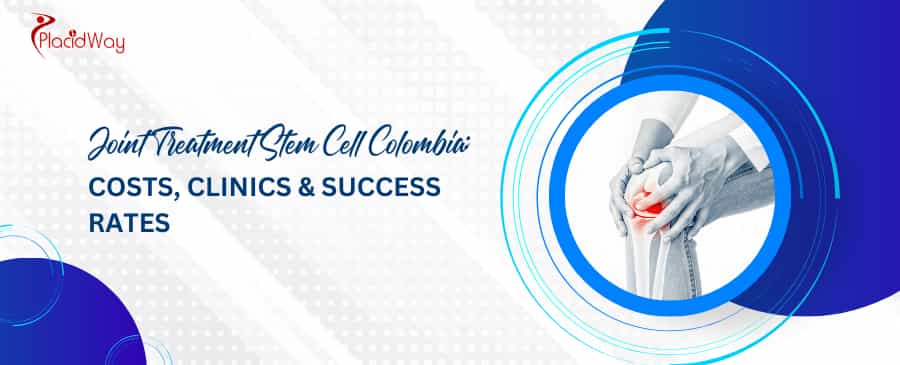
Joint Treatment Stem Cell Colombia: Costs, Clinics & Success Rates

Joint Treatment Stem Cell Colombia: Costs, Clinics & Success Rates

Colombia has emerged as a prime destination for advanced joint stem cell treatments, particularly for patients seeking potent regenerative medicine options. The country’s favorable regulatory environment, supervised by INVIMA, permits the expansion of Mesenchymal Stem Cells (MSCs), allowing for treatments with 100 million or more cells per dose. These high-potency therapies are often available at 50-70% lower costs than in North America, with comprehensive packages typically ranging from $3,500 to $8,500.

Joint pain and degenerative conditions significantly impact quality of life for millions worldwide. Traditional treatments often involve invasive surgery or symptomatic relief, which may not address the underlying tissue damage. Regenerative medicine, particularly stem cell therapy, offers a promising alternative by harnessing the body’s natural healing capabilities.

For patients exploring advanced and affordable options, Colombia stands out as a leading medical tourism destination. The country has developed a robust framework for regenerative therapies, attracting international attention for its innovative approaches. This article delves into the specifics of Joint Treatment Stem Cell Colombia: Costs, Clinics & Success Rates, providing a comprehensive guide for those considering this treatment pathway. We will explore the regulatory advantages, common procedures, cost comparisons, and essential considerations for a safe and effective medical journey.

Our goal is to provide trustworthy, transparent, and patient-focused information, adhering to the highest standards of medical content. We emphasize the importance of informed decision-making and professional medical consultation.

What Are the Key Benefits of Choosing Colombia for Stem Cell Therapy?

  • Significant Cost Savings: Patients from the US and Canada can typically save 50%–70% on orthopedic stem cell therapies compared to domestic prices, making advanced treatment more accessible.
  • Higher Cell Counts: Colombian regulations, overseen by INVIMA, permit the culture and expansion of stem cells, allowing for higher doses of 100 million+ cells per treatment, which may enhance therapeutic outcomes.
  • Advanced Cell Protocols: Treatments utilize state-of-the-art Mesenchymal Stem Cells (MSCs) derived from ethically sourced umbilical cord (Wharton’s Jelly), bone marrow, or adipose tissue, targeting inflammation and supporting cartilage regeneration.
  • World-Class Healthcare Infrastructure: Cities like Bogotá and Medellín boast internationally accredited clinics with specialists trained in the US and Europe, offering high standards of care and seamless medical tourism experiences.
  • Comprehensive Patient Support: Many treatment packages include VIP logistics such as hotel stays, airport transfers, and concierge services, ensuring a comfortable and stress-free experience for international patients.

What Exactly is Stem Cell Therapy for Joint Conditions?

Stem cell therapy for joint conditions involves injecting potent mesenchymal stem cells (MSCs) directly into damaged joints to reduce inflammation, promote tissue repair, and alleviate pain. These cells, sourced primarily from umbilical cord tissue, bone marrow, or adipose tissue, possess strong regenerative and immunomodulatory properties, making them ideal for orthopedic applications.

The process typically begins with an assessment, often including MRI or X-rays, to identify the affected joint and determine suitability for treatment. Once a patient is cleared, the stem cells are prepared, either harvested autologously (from the patient’s own body) or sourced allogeneically (from donated umbilical cord tissue). Allogeneic umbilical cord-derived stem cells, specifically Wharton’s Jelly MSCs, are preferred due to their youthful vitality and immunoprivileged status, meaning they are less likely to trigger an immune response.

During the procedure, these cells are precisely injected into the target joint under ultrasound guidance to ensure accurate placement. For conditions like knee osteoarthritis, hip degeneration, or rotator cuff injuries, intra-articular injections are common. In some cases, particularly for hip pain or necrosis, doctors may employ a combination of intra-osseous (into the bone) and intravenous (IV) injections to promote systemic healing and target subchondral bone health. Post-procedure, the stem cells work to modulate the inflammatory environment, signal local progenitor cells, and potentially differentiate into various tissue types, aiding in cartilage regeneration and pain reduction. This non-surgical approach aims to restore joint function and delay or even eliminate the need for more invasive interventions like total joint replacement.

What Are the Success Rates and Potential Risks of Joint Stem Cell Therapy?

Evidence & Outcomes: Success rates for joint stem cell therapy in Colombia are generally positive, particularly for mild to moderate osteoarthritis, ranging from 75% to 85% for pain reduction and improved mobility. These outcomes are often attributed to the country’s progressive regulations that allow for higher cell counts (50 million to 300 million cells per treatment), which clinical studies suggest may offer superior anti-inflammatory and regenerative results. Patients with severe “bone-on-bone” arthritis may experience lower efficacy and should explore all surgical alternatives with a qualified orthopedic surgeon. The focus is on reducing inflammation, fostering tissue repair, and enhancing overall joint function, potentially delaying or circumventing the need for more invasive surgeries like total joint replacement.

Risks & Contraindications: While considered safe when performed by certified experts in INVIMA-certified clinics, stem cell therapy carries some minimal risks. These typically include temporary injection site soreness, swelling, or bruising, which usually resolve within a few days. Rare but potential risks, as with any injection, include infection, allergic reaction (though minimal with immunoprivileged MSCs), or nerve damage if not performed with precision. It is crucial to select a reputable clinic with strict cold chain protocols for cell storage and board-certified physicians specializing in cellular therapies. Patients with active infections, certain types of cancer, or those on blood thinners may be contraindicated. Individual results vary significantly, and no “cures” or “guarantees” are offered. Always consult with a qualified healthcare professional to discuss your specific condition, potential benefits, and risks, and to determine if stem cell therapy is the right option for you. Promptly report any unusual pain, persistent swelling, or signs of infection post-procedure.

Did You Know?

Did you know that Colombia’s healthcare system is ranked 22nd globally by the World Health Organization, exceeding standards in both the United States and Canada, and offers high-potency stem cell treatments at a fraction of US costs while utilizing expanded cell protocols?

How Do Stem Cell Therapy Costs in Colombia Compare Globally?

One of the most compelling reasons to choose Colombia for joint stem cell therapy is the significant cost advantage without compromising on quality or advanced protocols. Patients can expect substantial savings compared to treatments in North America and other developed nations. These savings are often coupled with comprehensive packages that include not just the medical procedure but also essential travel and accommodation logistics, simplifying the medical tourism experience for international patients.

Cost Breakdown: Joint Stem Cell Therapy

Major Savings

Country Estimated Cost (Knee/Hip) Average Savings vs. US
Colombia (Bogotá/Medellín) $3,500 – $8,500 50-70% Savings Best Value
United States $5,000 – $25,000+ Standard Cost (often lower cell counts)
Mexico (Tijuana/Cancun) $3,000 – $8,000 10-60% Savings
Turkey (Istanbul) $2,700 – $6,000 15-70% Savings

Essential Facts & Pro-Tips

1
Fast Fact: Clinics in Colombia must possess INVIMA Certification, the national regulatory body, which ensures stringent lab safety, sterility standards, and authorization to process and administer biological products, providing an added layer of patient safety and quality assurance.
2
Travel Tip: For US, Canadian, and EU citizens, a visa is generally not required for stays up to 90 days in Colombia. Ensure your passport is valid for at least six months beyond your planned return date. Consider travel insurance for added peace of mind.
3
Recovery Tip: To optimize cellular engraftment and healing, avoid high-impact activities like running or jumping for 4-6 weeks post-treatment. Focus on light walking and adhere strictly to any prescribed physical therapy regimen, gradually increasing activity levels as advised by your physician.

What Does the Typical Stem Cell Joint Treatment Journey Entail?

Embarking on a stem cell therapy journey in Colombia is designed to be streamlined and patient-centric. The typical treatment process prioritizes both medical efficacy and patient comfort, with a clear focus on efficient yet thorough care. This organized approach minimizes downtime while ensuring every safety protocol is strictly followed.

Before Your Trip
Initial Consultation & Preparation
Patients submit recent medical records (MRI, X-rays) for a virtual consultation. It is crucial to pause anti-inflammatory drugs (NSAIDs, aspirin) and alcohol 1-2 weeks prior, as these can inhibit stem cell function. Increased hydration is also recommended to improve cell quality and recovery readiness.
Day 01 – On-site
Arrival, Final Assessment & Lab Work
Upon arrival, patients undergo a thorough physical examination, final lab work, and a detailed medical history review with their lead specialist. This ensures complete readiness for the procedure and allows for any last-minute adjustments to the personalized treatment plan.
Day 02 — 03
The Stem Cell Procedure & Immediate Recovery
The primary medical intervention, typically involving intra-articular or intra-osseous injections under imaging guidance. This is followed by immediate recovery and close monitoring to ensure the patient’s stability and comfort. Most patients experience minimal downtime and can walk out of the clinic the same day.
Day 04 — 05
Post-Procedure Observation & Discharge
Follow-up check-ups and light physical therapy are conducted to ensure healing is progressing according to the personalized plan. Patients receive detailed aftercare instructions for at-home recovery. Full benefits, such as tissue regeneration and pain reduction, typically manifest between 3 to 6 months post-treatment.

Frequently Asked Questions

1. Is this treatment safe in Colombia?+

Yes, stem cell therapy in Colombia is regulated by INVIMA, ensuring high standards for lab safety and sterility. Risks are generally minimal, such as injection site soreness. Patients should verify clinics have INVIMA certification, cold chain protocols for cells, and board-certified physicians specializing in cellular therapies to ensure the highest safety standards are met throughout their treatment journey. Colombia’s healthcare system is globally recognized for its quality.

2. What is the success rate of stem cell therapy for knees in Colombia?+

Success rates typically range from 75% to 85% for pain reduction and improved mobility in patients with mild to moderate osteoarthritis. These positive outcomes are supported by the ability of Colombian clinics to provide higher cell counts due to their regulatory environment. Patients with severe, “bone-on-bone” arthritis might experience lower efficacy and should engage in detailed consultations to discuss all available treatment options, including surgical alternatives if necessary.

3. Is stem cell therapy covered by insurance?+

Generally, most US and Canadian insurance providers consider stem cell therapy “investigational” and do not cover its costs. However, the out-of-pocket expense for high-potency stem cell treatments in Colombia is often significantly lower than the co-pay or deductible required for major surgeries in North America, making it a financially viable option for many patients seeking advanced regenerative care.

4. How many stem cells will I receive?+

Colombian protocols often include 50 million to 300 million mesenchymal stem cells (MSCs) per treatment cycle. This is a significant advantage over many treatments in the US, where strict regulations often limit therapy to “minimally manipulated” cells, typically resulting in much lower cell counts (1-5 million cells) from bedside bone marrow centrifugation. The expanded cell counts in Colombia are believed to enhance therapeutic efficacy.

5. How long does the recovery take?+

Most patients can return to light daily activities within 24-48 hours after stem cell injections. However, strenuous exercise, heavy lifting, or high-impact activities should be strictly avoided for at least 4-6 weeks. This crucial period allows the stem cells to attach, integrate, and begin the regenerative process within the joint. Full tissue regeneration and pain reduction benefits typically become noticeable between 3 to 6 months post-treatment as the cells continue their work.

6. Can I treat both knees or hips at the same time?+

Yes, treating bilateral joints (both knees or hips) in a single session is a common and often cost-effective practice in Colombian clinics. Many facilities offer discounted pricing for the “second joint” within the same package, optimizing patient convenience and overall value. This approach minimizes travel time and recovery phases, making it a popular choice for patients with pain in multiple joints. Always discuss this option with your physician to ensure it’s appropriate for your specific condition.

7. What types of stem cells are primarily used in Colombia?+

Clinics in Colombia predominantly utilize allogeneic Mesenchymal Stem Cells (MSCs) derived from donated umbilical cord tissue, often referred to as Wharton’s Jelly. These are considered “day zero” cells, known for their high potency, youthful vigor, and immunoprivileged nature, which means the patient’s body rarely rejects them. While allogeneic options are primary, autologous alternatives, such as bone marrow-derived cells (BMAC) and adipose (fat)-derived cells, are also available depending on patient suitability and clinical assessment.

8. How does Colombia ensure the safety of stem cell treatments?+

Colombia employs rigorous oversight through its national regulatory body, INVIMA, which ensures that clinics adhere to strict standards for cell processing, lab safety, and sterility. Patients are advised to choose clinics with active INVIMA certification, proper cold chain protocols for cell transport and storage, and a team of board-certified physicians experienced in cellular therapies. These measures are critical for minimizing risks and upholding the high quality of care for which Colombian regenerative medicine is known.

Ready to Take the Next Step Towards Recovery?

Choosing the right destination for your medical care is significant. By opting for treatment abroad, you are not just saving on costs—you are gaining access to specialized clinicians and world-class care.

Get Your Free Quote Now

Related Resources

Medical Disclaimer: This article is for informational and educational purposes only and does not constitute medical advice, diagnosis, or treatment recommendations. The information provided is thoroughly researched but should not replace a consultation with a qualified healthcare professional. No guaranteed outcomes are promised. Always seek the advice of your physician or other qualified health provider with any questions you may have regarding a medical condition.

Picture of About Author: Hina Munawar

About Author: Hina Munawar

As the Editor of Global Stem Cell Therapy, I provide trusted, research-based information on stem cell treatments worldwide. With over a decade of experience in medical tourism, I guide patients toward safe, effective, and affordable therapies.

Related Articles

Discover affordable stem cell therapy for liver disease in Colombia. Compare costs ($8,500+), top INVIMA-certified clinics, and detailed treatment protocols for cirrhosis and fibrosis.
US patients find advanced ED stem cell therapy in Thailand, restoring sexual function and confidence at a fraction of US costs. Explore treatments in Bangkok with top specialists.
Discover stem cell therapy for autoimmune diseases in Colombia. Save 50-70% on treatments for MS, Lupus, and RA in INVIMA-certified clinics. Get a free quote today.
GSC Logo X
send