Stem cell treatment for multiple sclerosis in Tijuana Mexico provides an alternative for patients facing prohibitive costs or long waitlists in North America. This specialized regenerative therapy typically utilizes mesenchymal cells to modulate the immune system and reduce neural inflammation. You must carefully verify clinic licenses and consult your primary neurologist before traveling abroad for care.
Many North American patients are exploring international options for neurodegenerative conditions when local healthcare systems present extensive wait times or restricted eligibility criteria. Accessing Stem Cell Therapy abroad allows you to receive innovative regenerative treatments while potentially reducing your overall medical expenditures. By carefully evaluating Stem Cell Therapy Centers in Mexico you can find fully licensed facilities that strictly follow local government health regulations and international safety standards for patient care.
Quick Summary
- Estimated Cost typically ranges between fifteen thousand and twenty five thousand USD depending on the specific protocol and length of stay.
- Safety overview requires verifying COFEPRIS certification and specific medical board credentials for all attending physicians and cell laboratories.
- Ideal candidates are patients with relapsing remitting multiple sclerosis who have not responded adequately to conventional disease modifying therapies.
- Recovery time involves immediate clinical monitoring for several days followed by a progressive healing and immune stabilization period lasting three to six months.
- The main reason patients choose Tijuana is the combination of advanced medical technology close proximity to the North American border and significantly lower treatment costs.
- Important caution is that stem cell therapy is not a guaranteed cure and patients must maintain realistic expectations regarding their individual clinical outcomes and long term disease progression.
Understanding Stem Cell Treatment for Multiple Sclerosis in Mexico
Multiple sclerosis is an autoimmune disease where the body mistakenly attacks the protective myelin sheath covering nerve fibers. This demyelination disrupts communication between your brain and the rest of your body causing unpredictable symptoms ranging from fatigue to mobility impairment. Conventional medicine typically manages these symptoms through disease modifying therapies which can be expensive and sometimes cause severe side effects. Stem cell treatment for multiple sclerosis in Tijuana Mexico aims to address the condition at a deeper cellular level by utilizing the regenerative properties of specialized cells.
Regenerative medicine focuses on resetting the immune system or promoting the repair of damaged tissue. In Tijuana certified medical teams use advanced protocols to harvest process and administer stem cells in a highly controlled environment. The goal is to halt the progression of the disease reduce inflammatory responses and in some cases support neuroprotection. While this approach offers hope for many it requires a thorough understanding of the biological mechanisms involved and strict adherence to established safety guidelines.
Treatment success heavily depends on the specific type of multiple sclerosis you have with relapsing remitting patients generally showing more favorable responses compared to those with primary progressive forms of the disease.
Why Canadian and US Patients Travel to Tijuana for Care
Patients living in Vancouver Toronto Los Angeles and other major North American cities often face immense hurdles when seeking experimental or advanced regenerative therapies. The regulatory approval process for cell based treatments in the United States and Canada is rigorous and lengthy meaning many promising therapies remain accessible only through highly restricted clinical trials. Consequently individuals dealing with progressive neurological decline may not have the time to wait for localized approvals prompting them to seek medical care across borders.
Tijuana has positioned itself as a premier destination for medical tourism due to its geographic convenience and modern healthcare infrastructure. Just across the border from San Diego the city hosts numerous state of the art clinics dedicated exclusively to regenerative medicine. Patients benefit from significant cost savings without necessarily compromising on the quality of medical technology. Furthermore the bilingual nature of the medical staff in Tijuana ensures clear communication helping international patients feel comfortable and well informed throughout their medical journey.
| Patient Motivation Factor | Description of Benefit |
|---|---|
| Cost Efficiency | Treatment in Mexico can be fifty to seventy percent more affordable than comparable private protocols in North America. |
| Geographic Proximity | Short flight times from Vancouver and easy land border crossings from San Diego minimize travel stress for disabled patients. |
| Treatment Accessibility | Expanded access to specialized cellular therapies that are currently restricted or waitlisted in the patient home country. |
| Comprehensive Care Packages | Many clinics offer all inclusive programs covering medical procedures local transport and accessible hotel accommodations. |
Patient Demographics Seeking Care Abroad
Understanding who travels for regenerative medicine provides valuable insight into the global landscape of multiple sclerosis treatment. Research indicates that a significant portion of medical tourists are adults in their prime working years who are highly motivated to maintain their mobility and independence. These individuals often conduct extensive independent research compare international clinics and actively participate in online patient communities before making a final decision.
The demographic data highlights a growing trend among younger and middle aged patients pursuing proactive health interventions. Rather than waiting for severe disability to set in these patients seek stem cell therapies early in their disease progression. They are typically well informed about the risks and benefits and they prioritize clinics that offer transparent reporting and detailed follow up care programs. The visualization below illustrates the age distribution of patients traveling internationally for this specific neurological therapy.
Source: Global Regenerative Medicine Patient Registry Annual Demographic Report 2024
Types of Stem Cell Procedures for Multiple Sclerosis
When investigating stem cell treatment for multiple sclerosis in Tijuana Mexico you will encounter different clinical approaches. The two primary methods utilized for neurodegenerative conditions are Mesenchymal Stem Cell therapy and Hematopoietic Stem Cell Transplantation. Understanding the biological differences between these protocols is essential for determining which option aligns best with your medical history and risk tolerance. Both therapies require precise administration and specialized laboratory processing to ensure cell viability and safety.
Mesenchymal cells are typically harvested from umbilical cord tissue bone marrow or adipose fat. These cells are highly valued for their anti inflammatory properties and their ability to secrete growth factors that support tissue repair without requiring aggressive chemotherapy. Conversely hematopoietic transplantation is a much more intensive procedure designed to completely reboot the immune system. This approach involves extracting your own blood stem cells administering chemotherapy to eliminate autoreactive immune cells and then reintroducing the cleaned cells to rebuild a healthy immune response.
| Clinical Approach | Primary Mechanism | Procedure Intensity | Typical Patient Suitability |
|---|---|---|---|
| Mesenchymal Stem Cells | Immune modulation and neuroprotection through cellular signaling. | Low to moderate outpatient or short clinic stay. | Patients seeking symptom management with minimal downtime. |
| Hematopoietic Stem Cells | Complete immune system reset to stop autoimmune attacks. | High requires hospitalization and chemotherapy preparation. | Aggressive relapsing remitting cases with rapid progression. |
Expected Costs of Stem Cell Treatment for Multiple Sclerosis in Tijuana
Financial planning is a crucial aspect of seeking medical care abroad. The cost of regenerative therapies varies widely based on the specific protocol the number of cell infusions required and the comprehensive nature of the medical package. In Tijuana patients can generally expect prices that are substantially lower than what private providers charge in North America. This price disparity does not inherently reflect a difference in quality but rather the variations in healthcare economics malpractice insurance overhead and local operating costs.
A transparent clinic will provide you with a detailed written quote that outlines every expense. When reviewing financial estimates you must ask if the price covers pre treatment diagnostic testing laboratory cell processing the actual infusion procedures physician fees and post treatment medication. Some clinics offer all inclusive packages that also incorporate airport transfers hotel accommodations and local nursing support which can significantly reduce travel related anxiety for disabled patients.
| Medical Expense Category | Estimated Cost Range in USD |
|---|---|
| Standard MSC Protocol | $15,000 to $20,000 |
| Advanced MSC Protocol with Multiple Fusions | $20,000 to $28,000 |
| Pre Treatment Diagnostics and Blood Work | $500 to $1,500 |
| Travel and Accessible Accommodation Package | $1,000 to $2,500 |
How to Choose a Safe Hospital in Tijuana Mexico
Selecting the right medical facility is the most critical decision you will make. Patient safety must be the absolute priority when undergoing any advanced biological treatment abroad. Mexico has a robust regulatory framework overseen by the Federal Commission for the Protection against Sanitary Risk known as COFEPRIS. This government body is responsible for licensing clinics inspecting laboratories and ensuring that medical facilities handle biological materials according to strict national standards.
When evaluating clinics in Tijuana you must request proof of their current COFEPRIS license specifically authorizing them to perform cellular therapies. Additionally look for facilities that utilize certified clean rooms for cell processing and maintain dedicated emergency response protocols. High quality hospitals will have intensive care capabilities or formal transfer agreements with nearby major medical centers to manage any rare but severe complications that might arise during treatment.
Never proceed with treatment if a clinic refuses to show you their operating licenses provides vague answers about where their biological materials are sourced or guarantees a one hundred percent cure rate for your condition.
Verifying Doctor Credentials for Regenerative Medicine
The expertise of the attending physician directly impacts the safety and efficacy of your treatment. Stem cell therapy is a highly specialized field that requires extensive training beyond general medical education. Your medical team should ideally be led by a board certified neurologist working in collaboration with hematologists or regenerative medicine specialists. This multidisciplinary approach ensures that your neurological condition is accurately assessed while the cellular therapy is administered safely.
You have the right to investigate the background of every doctor involved in your care. Check if the primary physician is registered with the Mexican medical council and holds relevant specialty board certifications. Many top doctors in Tijuana have completed fellowships or additional training in the United States or Europe. Do not hesitate to ask the clinic for detailed physician biographies including their years of experience with multiple sclerosis patients and their annual case volume for the specific procedure you are considering.
Clinical Outcomes and Scientific Evidence
Setting realistic expectations based on clinical evidence is vital for patient satisfaction and mental well being. Stem cell therapy for multiple sclerosis is primarily aimed at stabilizing the disease and improving quality of life rather than providing a definitive cure. Clinical observations and patient registries indicate that many individuals experience a reduction in fatigue improved mobility and a decrease in the frequency of relapses following treatment. However the magnitude and duration of these benefits can vary significantly from person to person.
Scientific literature increasingly supports the safety and potential efficacy of mesenchymal cell therapies in modulating the immune system. Ongoing clinical studies are documenting these outcomes to better understand how regenerative medicine impacts neuroinflammation over the long term. Patients must consult with their home neurologist to objectively monitor their disease progression using standard imaging like MRI scans before and several months after the procedure. The graph below displays recent data regarding patient reported improvements following treatment.
Source: International Registry of Regenerative Clinical Outcomes Patient Survey 2024
Planning Your Medical Journey from Vancouver to Tijuana
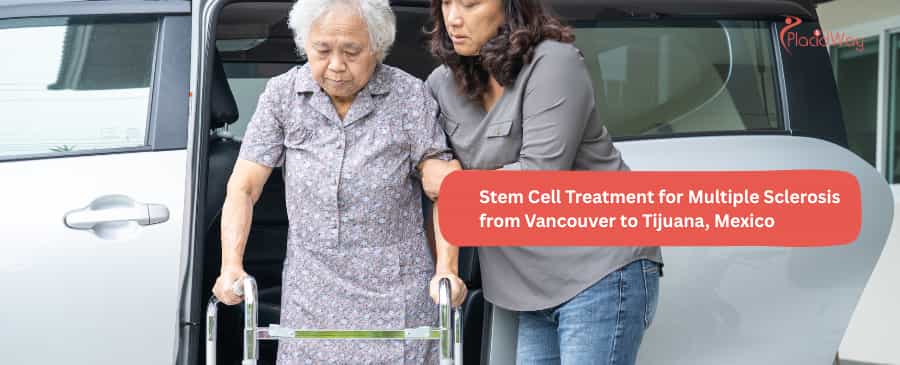
Coordinating medical travel requires meticulous planning especially when navigating the physical limitations often associated with multiple sclerosis. Patients traveling from Canadian cities like Vancouver generally fly into San Diego International Airport. From there many premium clinics provide dedicated medical shuttle services that transport patients directly across the border utilizing specialized medical lanes to avoid long wait times. This seamless logistics coordination is a major advantage of choosing Tijuana for medical care.
Before you travel you must gather all relevant medical records including recent MRI scans blood tests and detailed notes from your primary neurologist regarding your current medication regimen. Most clinics require a thorough telehealth consultation to review these documents and determine your eligibility before you book any flights. Ensuring that your passport is valid and reviewing any travel health advisories will help prevent unexpected delays during your journey.
| Travel Planning Phase | Action Required by Patient |
|---|---|
| Initial Research | Compile medical records and schedule telehealth consultations with potential clinics. |
| Pre Travel Preparation | Confirm treatment dates book accessible flights to San Diego and secure travel insurance. |
| Arrival and Transfer | Coordinate airport pickup with the clinic transport team for a smooth border crossing. |
| Treatment Period | Follow all clinical instructions remain hydrated and rest in your designated recovery hotel. |
Evaluating Risks and Safety Protocols
No medical procedure is entirely without risk and stem cell therapy is no exception. While mesenchymal cell treatments are generally considered well tolerated patients may experience mild side effects such as low grade fever fatigue or localized soreness at the injection site. These reactions are typically transient and resolve within a few days under medical supervision. However more severe complications such as infection or adverse immune reactions remain a possibility if strict sterile protocols are not maintained.
To mitigate these risks top tier facilities implement rigorous safety measures including extensive donor screening pathogen testing and sterile cell expansion techniques. It is crucial that you honestly disclose your entire medical history including any history of active infections or co morbidities prior to treatment. Your doctor may recommend delaying the procedure if your immune system is currently fighting another illness to ensure your body can handle the cellular infusion safely.
Preparing for Your Initial Medical Consultation
Your first consultation whether conducted online or in person is your primary opportunity to evaluate the medical team and ask critical questions. You should approach this meeting as an interview where you are assessing the competence transparency and empathy of the provider. A trustworthy doctor will spend time explaining the biological mechanism of the proposed treatment discuss realistic outcomes and clearly outline the potential risks without using aggressive sales tactics.
Prepare a written list of questions before your appointment. You should ask about the specific source of the cells how they are processed and the clinic protocol for handling medical emergencies. Ask to speak with previous patients who have undergone the same treatment for multiple sclerosis and request written documentation detailing the post procedure follow up schedule. Taking comprehensive notes during this consultation will help you compare different providers objectively.
Recovery Timeline and Post Treatment Care
The healing process following stem cell treatment is gradual and requires patience. The immediate recovery period usually involves a few days of rest either in the clinic or an affiliated hotel where medical staff can monitor your vital signs and ensure you are stable before traveling home. During this acute phase you must avoid strenuous activity protect yourself from exposure to infections and adhere strictly to any dietary or medication guidelines provided by your attending physician.
Long term recovery involves continuous communication with both your treating clinic abroad and your local neurologist at home. The therapeutic benefits of cellular therapies often unfold over several months as the immune system stabilizes and tissue repair mechanisms are activated. Maintaining a healthy lifestyle incorporating gentle physical therapy and attending all scheduled follow up appointments will maximize your chances of achieving a positive clinical outcome. Report any unusual symptoms immediately to your healthcare providers.
Frequently Asked Questions About Stem Cell Treatment for Multiple Sclerosis in Tijuana Mexico
What is the primary goal of stem cell treatment for multiple sclerosis?
The primary goal is to modulate the immune system to stop it from attacking the nervous system reduce neuroinflammation and potentially promote the repair of damaged myelin sheaths to improve overall quality of life.
Am I a good candidate for this procedure in Tijuana?
Ideal candidates are typically individuals with relapsing remitting multiple sclerosis who have not found success with conventional medications. Your specific eligibility must be determined by a specialist after reviewing your comprehensive medical records and recent MRI scans.
How much does the treatment usually cost in Mexico?
Depending on the specific type of cellular therapy and the clinic protocol patients can expect to pay between fifteen thousand and twenty five thousand USD. This is often significantly less than out of pocket costs for similar therapies in the United States.
Is stem cell therapy safe in Tijuana?
Treatment can be safe if performed by board certified specialists in facilities licensed by COFEPRIS. Patients must do their due diligence to verify clinic credentials laboratory standards and physician experience to minimize medical risks.
What type of stem cells are most commonly used for this condition?
Clinics typically use either mesenchymal stem cells derived from umbilical cord tissue or bone marrow due to their strong anti inflammatory properties or hematopoietic stem cells for more aggressive immune system resetting procedures.
How long do I need to stay in Mexico for the procedure?
The required length of stay varies depending on the treatment plan but generally ranges from five to fourteen days. This includes time for pre treatment evaluations the actual cellular infusions and the initial clinical recovery period.
Will my local neurologist support my decision to travel for care?
Support varies among local physicians. While some neurologists are open to monitoring patients who seek alternative therapies abroad others may express caution due to the experimental nature of the treatments. Open communication with your home doctor is essential.
Are the results of stem cell therapy permanent?
Results are not guaranteed to be permanent. While many patients experience significant symptom relief and disease stabilization for years some may require booster treatments or continued use of conventional medications to maintain their health.
How soon will I notice improvements after the therapy?
Some patients report improvements in energy levels and reduced pain within a few weeks but substantial neurological stabilization usually takes three to six months to become evident as the cells integrate and modulate the immune response.
Do clinics in Tijuana provide airport transportation?
Yes reputable medical tourism clinics often provide dedicated concierge services including transportation from San Diego International Airport directly to the medical facility using specialized medical border crossing lanes.
PlacidWay can help you compare certified regenerative medicine providers understand complex treatment costs ask the right medical questions review all available therapy options and request transparent information from leading clinics abroad.
Related Stem Cell Therapy Resources on PlacidWay
Disclaimer: This information is for educational purposes only and does not replace professional medical advice. Always consult a qualified healthcare provider before making medical decisions.
References
- Safety and Efficacy of Mesenchymal Stem Cells in Multiple Sclerosis – ClinicalTrials.gov
- Stem Cells in Multiple Sclerosis Research – National MS Society
- Mesenchymal Stem Cell Therapy for Multiple Sclerosis Clinical Evidence – National Institutes of Health
- Regulatory Framework for Biological Treatments – COFEPRIS Mexico
- Health Information for Travelers to Mexico – Centers for Disease Control and Prevention
- Standards for Cell Therapy Processing – International Society for Cell & Gene Therapy