Japan’s unique “Act on the Safety of Regenerative Medicine” allows for advanced high-dose, cultured stem cell therapies for sports injuries. These treatments offer cell counts exceeding 100 million, providing a significantly more potent biological signal for enhanced tissue repair compared to many Western countries.
For athletes facing persistent sports injuries, the quest for advanced and effective recovery solutions often leads to global exploration. Traditional treatments sometimes fall short, leaving many seeking innovative alternatives to regain peak performance. Japan has emerged as a frontrunner in regenerative medicine, offering a distinctive approach to healing sports-related trauma.
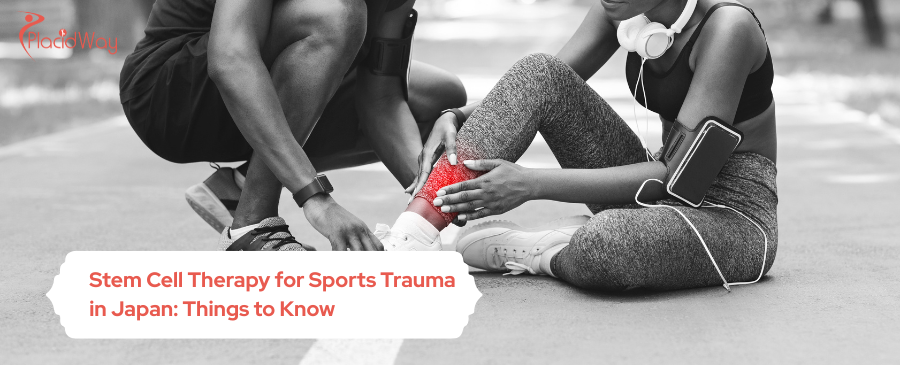
This comprehensive guide delves into what makes Japan a unique and highly sought-after destination for those considering Stem Cell Therapy for Sports Trauma in Japan: Things to Know. We will explore the cutting-edge techniques, regulatory framework, potential benefits, costs, and the patient journey.
Our aim is to provide essential insights for anyone looking to restore their active lifestyle and achieve lasting recovery. Japan’s commitment to regenerative medicine offers a promising pathway for serious athletes and active individuals alike.
What Are the Core Benefits of Stem Cell Therapy in Japan?
- Access Advanced Therapies: Patients can receive high-dose, cultured stem cell treatments often unavailable in Western countries due to restrictive regulations.
- Benefit from High Potency: Japan’s “Act on the Safety of Regenerative Medicine” permits culturing adipose-derived stem cells, yielding 100 million+ cells for superior tissue repair.
- Optimize Recovery Time: Accelerated healing for various sports injuries, potentially reducing conventional recovery timelines by 30-50% for conditions like ACL and rotator cuff tears.
- Experience Targeted Regeneration: Higher cell counts are especially beneficial for larger joints and avascular tissues such as the meniscus, promoting regeneration where natural healing is limited.
- Consider Cell Banking: Many Japanese clinics offer the option to store younger, more vibrant stem cells for potential future injuries, securing long-term regenerative health.
How Does Stem Cell Therapy in Japan Work for Sports Injuries?
Stem cell therapy for sports trauma in Japan harnesses the body’s natural healing capabilities. It utilizes mesenchymal stem cells (MSCs) derived from the patient’s own adipose (fat) tissue.
What sets Japan apart is its government-sanctioned cellular expansion technology. Under the Act on the Safety of Regenerative Medicine (ASRM), clinics with proper certification are legally allowed to culture, or multiply, these stem cells in a laboratory. This process significantly increases the cell count before re-injection.
Unlike many countries, including the United States, where expanded cells are often classified as a drug and restricted, Japan embraces this advanced technique. This allows for the administration of hundreds of millions of stem cells, a massive increase from the few thousand typically used in “same-day” procedures elsewhere.
The higher potency of these cultured cells provides a far more robust biological signal for healing. This is particularly beneficial for treating conditions like chronic rotator cuff tears or meniscus injuries, where robust cellular regeneration is critical for successful recovery and long-term functional improvement.
What Are the Expected Outcomes, Risks, and Regulations in Japan?
Evidence & Outcomes: Regenerative medicine in Japan is highly effective for soft tissue injuries common in athletics, especially those with poor natural blood supply. The aim is often tissue regeneration to avoid surgery or accelerate post-surgical recovery. For meniscus tears, high-dose cultured MSCs can stimulate regeneration in the “white zone.” Partial ACL tears can see bridging of fibers, while complete tears benefit from a “bio-boost” alongside surgery, speeding graft integration by 30-50%. Rotator cuff tears often show regeneration of tendon fiber integrity and reduced re-tear rates after ultrasound-guided injections. Chronic conditions like Tennis/Golfer’s Elbow and Achilles Tendonitis can also see significant improvement, with recovery potential often being weeks or months faster than conventional treatments, such as 6-12 weeks for meniscus repair compared to 3-6 months conventionally.
Risks & Contraindications: While autologous (your own) cells significantly reduce rejection risk, minor potential risks exist. Patients may experience joint swelling, a “flare-up” response lasting 24-48 hours as the cells initiate healing. Mild soreness at the injection site is also common. It is crucial to understand there is no guarantee of 100% efficacy; biological responses vary greatly among individuals. Consult with a qualified healthcare professional to discuss your specific condition, understand potential benefits versus risks, and determine if stem cell therapy is appropriate for you. Do not proceed without a thorough medical evaluation.
Did You Know?
Did you know that Japan fast-tracked the approval of regenerative medicines, meaning therapies that might take another decade to reach markets like the US are already available and rigorously regulated in Japan? This commitment to innovation positions Japan as a global leader in advanced regenerative treatments for sports injuries.
How Do Costs for Stem Cell Therapy in Japan Compare Globally?
The cost of stem cell therapy in Japan for sports injuries typically ranges from $6,500 to $15,000. This price reflects the advanced laboratory cell culturing and stringent government safety inspections mandated by the Ministry of Health. When comparing globally, this cost can offer a significant value proposition, especially when considering the potency of the cultured, high-dose cells provided in Japan versus other nations. You are investing in a biotechnical product with superior cellular volume for healing.
Cost Breakdown by Destination (Estimated)
Value Proposition
| Country |
Estimated Cost (USD) |
Approximate Savings by Choosing Japan (vs. high end) |
| Japan |
$6,500 – $15,000 |
Starting Point Best Value |
| United States |
$8,000 – $25,000 |
~30-50% Savings |
| Mexico (Same-Day/Allogeneic) |
$3,500 – $8,000 |
Lower Cost with Different Protocols |
| South Korea |
$5,000 – $10,000 |
Comparable Quality, Varying Focus |
Essential Facts & Pro-Tips for Your Medical Journey
1
Fast Fact: Japan’s stringent “Act on the Safety of Regenerative Medicine” provides a comprehensive legal framework for these advanced treatments, minimizing risks and ensuring high ethical and quality standards at certified clinics.
2
Travel Tip: For a smooth experience, ensure your recent MRI or X-ray reports are translated into English. Plan for two separate trips to Japan, typically separated by a 3-5 week cell cultivation period, to accommodate the multi-step process.
3
Recovery Tip: Discontinue anti-inflammatory medications (NSAIDs) 1-2 weeks before your procedure, as they can inhibit stem cell function. Staying well-hydrated beforehand can also significantly improve cell yield during the fat harvesting step.
What Does the Patient Journey for Stem Cell Therapy in Japan Involve?
The stem cell therapy process in Japan is meticulously structured and generally requires two separate visits due to the cell culturing period. This multi-step biological engineering process is unlike “lunchtime” procedures found in some other destinations, emphasizing thoroughness and high cellular potency.
Visit 1: Initial Consultation & Harvesting (Day 1)
Harvesting Your Cells
Your first visit involves a comprehensive consultation and a mini-liposuction procedure, performed under local anesthesia. A small amount of adipose (fat) tissue is typically harvested from the abdomen. This initial step also includes essential blood tests to screen for any contraindications. The harvested fat tissue is then carefully sent to a certified Cell Processing Center for the crucial culturing phase.
Cultivation Period (3-5 Weeks)
Expanding Your Healing Potential
During this period, you are not required to remain in Japan. Many international patients return home while their cells are being processed. At the Cell Processing Center, specialized technicians isolate the mesenchymal stem cells (MSCs) from your fat tissue and meticulously expand them in a controlled environment. This involves feeding them specific growth factors to multiply them from a few thousand to over 100 million. Rigorous sterility and viability tests are performed to ensure the highest quality and safety of the expanded cells before they are released for treatment.
Visit 2: Injection & Treatment (Day 1)
Re-introducing Regenerative Power
You return to the clinic for the final step. The concentrated, high-dose cultured stem cells are precisely injected into the injured area. Depending on the condition, this can be an intra-articular (into the joint) injection or an intravenous (IV) infusion for systemic recovery. Most patients experience minimal to no downtime, able to walk out of the clinic the same day and begin their journey toward renewed performance and health.
Frequently Asked Questions About Stem Cell Therapy in Japan
1. Is stem cell therapy legal in Japan for sports injuries?+
Yes, stem cell therapy for sports injuries is fully legal and regulated in Japan under the Act on the Safety of Regenerative Medicine (ASRM). Clinics must obtain specific government certification to perform these procedures. This stringent oversight ensures high safety standards and ethical practices, distinguishing Japan from many other countries with less regulated markets.
2. How many stem cells are typically injected in a Japanese knee procedure?+
Due to Japan’s legal allowance for cell culturing, patients often receive between 50 million to 200 million cells per treatment for knee procedures. This concentration is significantly higher than the typical 50,000 to 100,000 cells found in uncultured “same-day” treatments offered in countries like the United States, providing a more potent regenerative effect.
3. Can stem cells heal a completely torn ACL, or are there limitations?+
Stem cells alone generally cannot reconnect a fully severed (Grade 3) ACL due to the retraction of ligament ends. However, they are highly effective for partial tears by bridging damaged fibers. For complete tears requiring surgical reconstruction, stem cell therapy is frequently used as a “bio-boost” to accelerate graft integration and improve overall recovery speed by 30-50%.
4. Is a prolonged stay in Japan required during the cell culturing process?+
No, patients are not required to stay in Japan for the entire 3-5 week cell culturing period. The typical protocol involves two separate trips: one for the initial fat tissue harvest and a second visit several weeks later for the re-injection of the expanded cells. Many international patients return home between these two appointments.
5. Is stem cell therapy in Japan covered by health insurance?+
Generally, stem cell therapy in Japan is considered an advanced medical treatment and is not covered by standard health insurance plans, even for Japanese citizens. International patients should anticipate paying for the procedure out-of-pocket. It is always advisable to confirm with your specific insurance provider regarding any potential coverage for international medical treatments.
6. What is the typical success rate for meniscus tears treated with stem cells in Japan?+
While individual results can vary, clinical data from leading regenerative medicine clinics in Tokyo indicate promising success rates for meniscus tears. Approximately 70-80% of patients report significant pain reduction and improved knee function within 3-6 months following stem cell treatment. These outcomes highlight the potential of cultured cells for tissue regeneration in a notoriously difficult-to-heal area.
7. Why is Japan considered a superior option for stem cell therapy compared to the US?+
The primary advantage lies in Japan’s regulatory framework. The US FDA generally prohibits the expansion (culturing) of stem cells for routine orthopedic use, limiting the potency of treatments. Japan’s Act on the Safety of Regenerative Medicine encourages this expansion, enabling clinics to administer much higher, more effective dosages of autologous stem cells, which can lead to stronger regenerative outcomes.
8. What alternatives exist if stem cell therapy is not suitable for my sports injury?+
If stem cell therapy is not an option due to cost or candidacy, Japan offers other advanced regenerative treatments. Platelet-Rich Plasma (PRP) therapy is a common alternative for less severe injuries, concentrating platelets from your blood to promote healing. Autologous Protein Solution (APS), or “Super PRP,” further filters blood for anti-inflammatory proteins, especially for osteoarthritis. Hyaluronic Acid (HA) injections are also used for pain management, acting as a lubricant.
Ready to Take the Next Step Towards Recovery?
Don’t let a sports injury limit your potential. Japan offers a unique opportunity to access world-class, government-regulated stem cell technology years ahead of many Western nations. By opting for treatment abroad, you are not just saving on costs—you are gaining access to specialized clinicians and cutting-edge care designed to restore your performance.
Get Your Free Quote Now
Medical Disclaimer: This article is for informational and educational purposes only and does not constitute medical advice, diagnosis, or treatment recommendations. The information provided is thoroughly researched but should not replace a consultation with a qualified healthcare professional. No guaranteed outcomes are promised. Always seek the advice of your physician or other qualified health provider with any questions you may have regarding a medical condition.