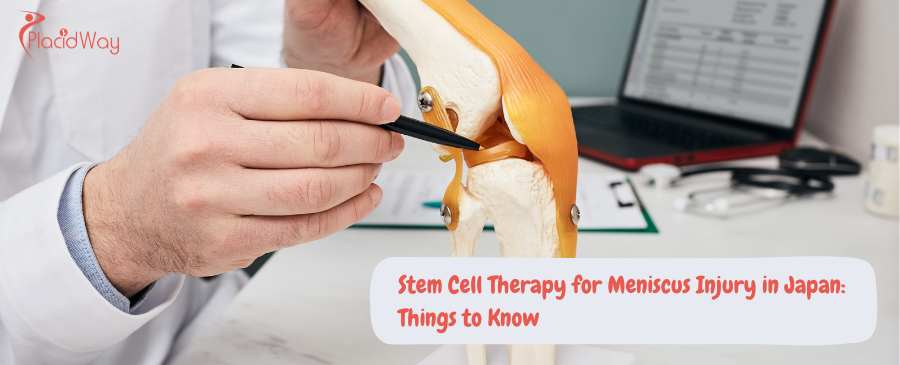
Japan is emerging as a global leader in regenerative medicine for meniscus injuries due to its government-sanctioned safety protocols and advanced cellular technology. Clinics can legally culture stem cells, delivering over 100 million cells per dose for enhanced healing potential.
Considering advanced treatment options for a meniscus injury can be a life-changing decision. For many, conventional surgery might not be the preferred path, or previous treatments have fallen short. This is where the potential of regenerative medicine comes into focus, offering a less invasive alternative.
Japan stands out as a pioneering destination for cutting-edge medical procedures, particularly in the field of stem cell therapy. With its robust regulatory framework and commitment to technological advancement, the country has become a beacon for patients worldwide seeking innovative solutions. This comprehensive guide will explore what you need to know about Stem Cell Therapy for Meniscus Injury in Japan: Things to Know.
From understanding the unique regulatory environment to detailed procedure steps, cost comparisons, and realistic expectations, we aim to provide clarity. Our goal is to empower you with trusted, evidence-based information to make an informed decision about your orthopedic health and treatment journey.
What Key Advantages Does Japan Offer for Meniscus Stem Cell Therapy?
- Advanced Regulation: Japan’s “Act on the Safety of Regenerative Medicine” (ASRM) provides a national legal framework. This framework guarantees safety for both local and international patients, ensuring high standards.
- Cultured Cell Doses: Unlike many Western nations, Japanese clinics are legally permitted to culture (expand) stem cells. This enables high doses of 100 million or more cells, crucial for effective meniscus repair and regeneration.
- Cost-Effectiveness & Value: While not the cheapest, Japan offers superior value, especially compared to the USA. Average costs for knee/meniscus packages range from $6,500 to $15,000, contrasting with up to $25,000 in the US for often lower-dose, uncultured cells.
- High Success Rates: Clinical data indicates a 60–80% success rate. Patients experience significant pain reduction and improved function, with some studies even suggesting meniscal tissue regeneration.
- Established Infrastructure: Top clinics in major cities like Tokyo and Osaka provide comprehensive English support. They also offer medical visa assistance and concierge services, simplifying the patient journey.
What is Stem Cell Therapy for Meniscus Injuries, and How Does it Work?
Stem cell therapy for meniscus injury involves harvesting a patient’s own fat tissue. These cells are then cultured and multiplied in a lab, leading to high-dose injections into the knee joint to promote healing and reduce inflammation.
The process focuses heavily on maximizing cell potency. It begins with a thorough consultation, including an MRI review to accurately assess the type and severity of the meniscus tear. This detailed screening ensures the treatment is appropriate for the patient’s specific condition. The first visit typically involves a mini-liposuction procedure, often performed on abdominal fat under local anesthesia, taking about 30 minutes to collect adipose tissue. This is a minor, outpatient procedure.
Following harvesting, the collected cells are sent to a specialized Cell Processing Center (CPC). Here, over 3–5 weeks, the cells are meticulously expanded from a few thousand to an impressive 100–200 million mesenchymal stem cells (MSCs). This “culturing” period is crucial for achieving the high cell counts deemed effective for regenerative repair. The second visit, usually scheduled a month later, is for the injection. The concentrated, high-dose MSCs are precisely injected into the knee joint, often guided by ultrasound to ensure optimal placement. Some advanced clinics may even use arthroscopy for even greater precision.
What Are the Expected Outcomes, Risks, and Safety Profile?
Evidence & Outcomes: Clinical data consistently highlights the efficacy of stem cell therapy for meniscus injuries, with a 60–80% success rate in reducing pain and improving function. While complete anatomical regeneration of a fully severed meniscus remains rare, the therapy is highly effective in managing pain, reducing inflammation, and promoting the healing of micro-tears. MSCs also play a significant role in preserving existing cartilage, thereby slowing down the progression of osteoarthritis. Patients with degenerative or partial meniscus tears, and those aiming to avoid meniscectomy surgery, are generally considered the best candidates. Most individuals report substantial pain relief within three months post-injection, alongside noticeable improvements in their quality of life. Always discuss your specific condition with a specialist to set realistic expectations.
Risks & Contraindications: The use of autologous (your own) cells in stem cell therapy dramatically minimizes the risk of rejection, making it a very safe procedure. Primary risks are minor, typically involving a less than 0.1% chance of infection at the injection site or temporary joint swelling, often described as a “flare-up.” This swelling is usually a natural inflammatory response, indicating active healing. Japan’s rigorous regulation of Cell Processing Centers (CPCs) ensures a sterile environment, significantly reducing the risk of contamination, which can be a serious concern in less regulated markets. Importantly, there have been no validated cases of tumor formation from autologous adipose-derived MSCs used in orthopedic settings in Japan. However, patients with a fully detached meniscus or those experiencing joint locking may still require surgical intervention prior to or instead of stem cell therapy. Individual outcomes vary, and it is crucial to consult with a qualified Japanese specialist to discuss all potential risks and determine if this therapy is suitable for your specific medical condition.
Did You Know?
Did you know that Japan was the first country to fast-track regenerative medicine approvals, meaning therapies that might take 10 years to reach the US market are often already available and regulated in Japan, providing access to advanced treatments? This demonstrates Japan’s leadership in biomedical innovation.
How Does the Cost of Meniscus Stem Cell Therapy in Japan Compare Globally?
The cost of cultured stem cell therapy for meniscus injury in Japan ranges from $6,500 to $15,000 USD for a complete package, including cell processing, anesthesia, and doctor fees. While this may be higher than some more affordable countries like Mexico, it reflects the superior cell count and stringent safety protocols unique to Japan’s regulated environment. Patients benefit from high-quality, high-dose treatments not readily available elsewhere, offering exceptional value for their investment in health.
Cost Breakdown
Major Savings
| Country |
Average Price Range (USD) |
Key Differentiator |
| Japan |
$6,500 – $15,000 |
Cultured High Dose Cells Best Value |
| United States |
$5,000 – $25,000 |
Non-Cultured (Low Dose) |
| South Korea |
$5,000 – $10,000 |
Cultured, Regulated (Growing) |
| Mexico |
$3,500 – $8,000 |
Cultured, Mixed Regulation |
| Turkey |
$3,000 – $6,000 |
Various, Moderate Regulation |
Essential Facts & Pro-Tips for Your Medical Journey
1
Fast Fact: Japan’s Ministry of Health, Labour and Welfare (MHLW) strictly vets every clinic. This ensures compliance with the “Act on the Safety of Regenerative Medicine” (ASRM) for patient protection.
2
Travel Tip: For stem cell therapy in Japan, expect two trips, not a single-day procedure. The first trip is for fat harvesting (1-2 days), followed by a 3-5 week wait for cell culturing. The second trip is for the injection (1-2 days). Medical Visas are available.
3
Recovery Tip: Recovery is minimal compared to surgery; most patients walk out the same day. However, full tissue healing takes 3 to 6 months of gradual progression. Light walking is encouraged in week 1. Low-impact physical therapy can begin in month 1.
What Does the Stem Cell Therapy Treatment Journey in Japan Entail?
The treatment journey for meniscus stem cell therapy in Japan is structured for optimal cell potency and patient safety. It is typically a two-trip process, allowing for the critical cell culturing period. This approach ensures you receive the highest possible dose of healthy, expanded stem cells for maximum therapeutic benefit. Each step is meticulously planned, prioritizing both clinical excellence and patient comfort.
Trip 1: Consultation & Cell Harvesting
Initial Visit & Tissue Collection
Your first visit to Japan will involve a thorough medical review, including MRI scans, to confirm your meniscus tear. Subsequently, a minimally invasive mini-liposuction will be performed to harvest autologous fat tissue. This process is quick, typically lasting about 30 minutes under local anesthesia, and you can usually resume light activities immediately.
The Waiting Period: Cell Culturing & Expansion
Boosting Cell Potency for Optimal Results
After your initial trip, your harvested cells are transported to a highly regulated Cell Processing Center (CPC). Over the next 3 to 5 weeks, these cells are carefully cultured and expanded. This process increases their numbers from a few thousand to over 100 million mesenchymal stem cells (MSCs), significantly enhancing their regenerative potential. You may return home during this period or stay in Japan.
Trip 2: Stem Cell Injection & Aftercare
Precise Application & Initial Recovery
You will return for your second visit to receive the high-dose stem cell injection directly into your knee joint. This is often guided by ultrasound or, in some advanced clinics, arthroscopy for pinpoint accuracy. Post-injection, mild swelling and stiffness are normal, but most patients can walk out the same day. Subsequent aftercare involves gentle movement in the first week, progressing to low-impact physical therapy by month one, and significant improvements typically observed within 3-6 months.
Frequently Asked Questions About Meniscus Stem Cell Therapy in Japan
1. Is stem cell therapy legal for foreigners in Japan?+
Yes, absolutely. Japan’s “Act on the Safety of Regenerative Medicine” (ASRM) explicitly permits licensed clinics to treat international patients. You can legally travel to Japan specifically for this treatment, and specialized Medical Visas are available to facilitate longer stays if necessary, ensuring a smooth process for medical tourists.
2. Can stem cells fully regrow a torn meniscus?+
While stem cells can significantly aid in tissue regeneration and tear healing, particularly in areas with some blood supply (the “red zone”), they cannot regrow a completely removed meniscus from scratch. Their primary role is to repair existing tears, reduce inflammation, manage pain, and improve the quality of the remaining tissue.
3. Does Japanese national insurance cover this for tourists?+
No, Japanese national insurance does not cover stem cell therapy for tourists. This treatment is considered an advanced or experimental medical procedure and is self-pay for all international patients. It is also not typically covered by standard travel insurance policies. Patients should plan for direct payment.
4. How many trips to Japan do I need for stem cell therapy?+
Typically, two trips are required for the full stem cell therapy process. The first trip is for fat tissue harvesting, lasting 1-2 days. Following a 3-5 week cell culturing period, you return for the second trip, also 1-2 days, for the actual stem cell injection. Some patients may choose to stay in Japan for the entire month.
5. Why is culturing stem cells important?+
“Culturing” allows medical professionals to significantly multiply your own stem cells into millions. A typical uncultured US treatment might provide only 50,000 cells, whereas a cultured Japanese treatment can deliver 100,000,000+ cells. Higher cell counts are statistically associated with superior outcomes in cartilage and meniscus repair and regeneration.
6. Is stem cell therapy for meniscus painful?+
The procedure is minimally invasive. Fat harvesting is performed under local anesthesia, so you remain awake but numb, experiencing minimal discomfort. The knee injection itself is comparable to a standard cortisone shot. Most patients find any post-procedure discomfort manageable with over-the-counter pain relievers.
7. Who are the ideal candidates for meniscus stem cell therapy?+
The best candidates for meniscus stem cell therapy are typically patients with degenerative meniscus tears or partial tears. It is also an excellent option for individuals looking to potentially avoid a meniscectomy (surgical removal of meniscus tissue). It’s crucial to consult with a specialist to determine if your specific condition makes you a suitable candidate.
8. What is the typical recovery timeline after the injection?+
Recovery is generally minimal compared to traditional surgery. Mild swelling and stiffness are normal on Day 1, with light walking encouraged during Week 1. By Month 1, inflammation subsides, and low-impact physical therapy can begin. Significant improvements in pain and range of motion are commonly observed within 3 to 6 months, guided by follow-up MRIs for return to sports.
9. What are the main risks associated with autologous MSCs in Japan?+
The primary risks are very low due to the use of your own (autologous) cells, minimizing rejection. These risks include a less than 0.1% chance of minor infection at the injection site or temporary joint swelling (a “flare-up”) as part of the natural healing response. Japanese regulations for Cell Processing Centers (CPCs) significantly reduce contamination risks, and there are no validated cases of tumorigenesis from adipose-derived MSCs.
10. How soon can patients expect pain relief after treatment?+
Most patients report experiencing significant pain relief within approximately three months following the stem cell injection. This timeframe allows the high-dose cultured cells to actively signal repair and reduce inflammation within the knee joint. However, individual responses can vary based on the severity of the injury and adherence to aftercare protocols.
Ready to Take the Next Step Towards Recovery?
Choosing the right destination for your medical care is significant. By opting for treatment abroad, you are not just saving on costs—you are gaining access to specialized clinicians and world-class care.
Get Your Free Quote Now
Medical Disclaimer: This article is for informational and educational purposes only and does not constitute medical advice, diagnosis, or treatment recommendations. The information provided is thoroughly researched but should not replace a consultation with a qualified healthcare professional. No guaranteed outcomes are promised. Always seek the advice of your physician or other qualified health provider with any questions you may have regarding a medical condition.





