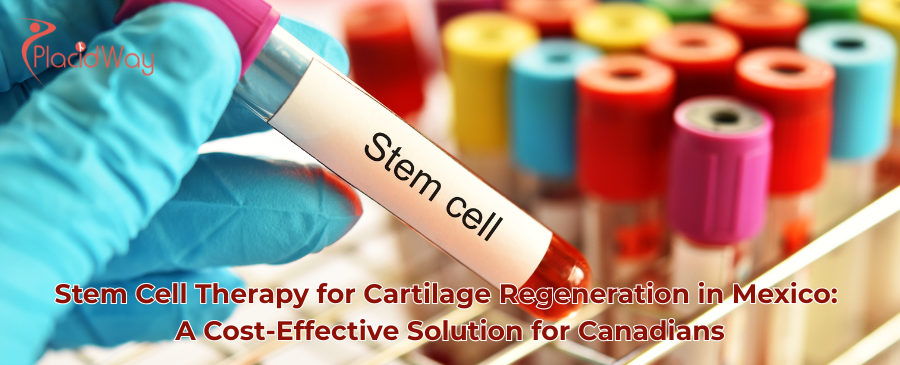
Stem cell therapy for cartilage regeneration in Mexico is emerging as a beacon of hope for Canadians suffering from joint pain. It offers a potentially restorative treatment at a fraction of the cost, bypassing the long wait times often experienced within the Canadian healthcare system. Canadians can save upwards of 60-70% on these procedures compared to private treatment in their home country.
For many Canadians grappling with the debilitating pain of cartilage damage and osteoarthritis, the traditional path of long waits for conventional treatments can be incredibly frustrating. These conventional approaches often only manage symptoms rather than addressing the root cause.
However, a promising and innovative solution is gaining significant traction just south of the border. Stem Cell Therapy for Cartilage Regeneration in Mexico: A Cost-Effective Solution for Canadians offers a potentially restorative treatment at a fraction of the cost.
This option provides significantly shorter waiting times than those typically encountered in Canada. It’s important to understand that PlacidWay acts as a medical tourism facilitator, connecting patients with leading clinics; we are not a medical provider ourselves.
This comprehensive guide aims to explore everything you need to know about this cutting-edge therapy in Mexico, empowering you with the information to make informed healthcare decisions.
Why Consider Stem Cell Therapy in Mexico? Key Takeaways
- Significant Cost Savings: Canadians can save upwards of 60-70% on stem cell therapy for cartilage regeneration by choosing treatment in Mexico.
- Reduced Wait Times: Access to timely treatment is a major advantage, bypassing the long queues often experienced within the Canadian healthcare system.
- Advanced Treatment Options: Mexican clinics often utilize advanced protocols and high cell counts, offering treatments that may not be widely available in Canada.
- Progressive Regulatory Environment: Mexico has a more progressive regulatory framework for regenerative medicine, fostering state-of-the-art clinics.
- Improved Quality of Life: This therapy aims to reduce inflammation, alleviate pain, and stimulate new cartilage growth, enhancing mobility and overall well-being.
What is Stem Cell Therapy for Cartilage Regeneration?
Stem cell therapy for cartilage regeneration is a groundbreaking medical approach that uses the body’s natural healing processes to repair damaged joint cartilage. This regenerative treatment introduces mesenchymal stem cells (MSCs) into affected joints. MSCs are multipotent cells capable of differentiating into various cell types, including chondrocytes, which are essential for forming and maintaining cartilage.
Unlike traditional treatments that often focus solely on pain management, this therapy aims to address the underlying cause of the problem by encouraging tissue repair. The primary goals include reducing inflammation, alleviating pain, and stimulating the growth of new, healthy cartilage tissue.
This process can lead to improved joint function, increased mobility, and a significant enhancement in the overall quality of life for individuals suffering from conditions such as osteoarthritis, sports injuries, and other degenerative joint diseases.
What Are the Efficacy and Potential Risks of Cartilage Regeneration Therapy?
Evidence & Outcomes: Success rates for stem cell therapy in knee cartilage can vary based on damage severity and protocols. However, many studies and patient testimonials report significant improvements in pain and function, with some research indicating success rates of up to 80% in reducing pain and improving mobility.
Risks & Contraindications: While generally considered low, potential risks include temporary pain, swelling, or bruising at the injection site. The risk of infection is minimal in sterile clinical environments, and immune reactions are rare when using autologous or screened allogeneic cells. Seek immediate care if you experience severe fever, escalating pain, or signs of infection post-procedure. Individual results vary significantly, and professional consultation is always recommended.
Did You Know?
Did you know that Mexico is home to some of the world’s most advanced medical facilities, where patients often save an average of 40-65% on various medical procedures while receiving care that meets or exceeds international hospital standards?
How Does Stem Cell Therapy for Cartilage Regeneration in Mexico Compare in Cost to Canada and Other Regions?
The financial incentive for Canadians to travel to Mexico for stem cell therapy is undeniably substantial. The significant cost savings make this advanced treatment accessible to a much wider range of patients than would be possible at home.
While stem cell therapies for orthopedic conditions in Canada are often in the clinical trial phase or prohibitively expensive if sought privately, Mexico’s lower operational and living costs translate into treatment packages that are a fraction of the price, without compromising on quality.
Cost Breakdown
Major Savings
| Country |
Estimated Cost |
Average Savings |
| Mexico |
$2,000 – $8,500 USD |
Starting Point Best Value |
| United States |
$20,000 – $25,000+ USD |
~77% Savings |
| United Kingdom |
$20,000 – $28,000 USD |
~78% Savings |
| Canada / Australia |
$15,000 – $30,000+ USD |
~77% Savings |
Essential Facts & Pro-Tips
1
Fast Fact: Stem cell therapy is legal in Mexico and regulated by COFEPRIS, the Federal Commission for the Protection against Sanitary Risk. This oversight ensures adherence to medical practices and safety standards in regenerative medicine clinics across the country.
2
Travel Tip: The medical journey typically begins with a remote consultation, followed by an in-person physical examination upon your arrival in Mexico. The minimally invasive procedure itself is often completed on an outpatient basis within a few hours.
3
Recovery Tip: Post-procedure recovery is a gradual process. While some patients report feeling improvement within a few weeks, the full benefits often develop over several months. This is supported by recommended rest and a gentle physical therapy program designed to optimize healing.
What Can Canadians Expect During Their Stem Cell Therapy Journey in Mexico?
The process of receiving stem cell therapy in Mexico is carefully designed to be straightforward and patient-centric. From the initial consultation to post-treatment follow-up, reputable clinics prioritize clear communication and a high standard of care throughout your journey. Efficiency is a hallmark of the medical experience in this destination.
The process minimizes downtime while ensuring every safety protocol is strictly followed. Many clinics offer comprehensive support, including assistance with travel logistics, ensuring a smooth and stress-free experience for international patients.
Day 01: Initial Consultation & Medical Review
Assessment and Personalized Plan
The process begins with a remote consultation, where you provide your medical history and imaging results. If deemed a suitable candidate, the medical team will create a personalized treatment plan outlining the type and number of stem cells, delivery method, and supplementary therapies. Upon arrival, an in-person consultation and physical examination will confirm your readiness for the procedure.
Day 02 — 03: The Procedure
Minimally Invasive Stem Cell Injection
The stem cell procedure itself is minimally invasive and typically performed on an outpatient basis. Stem cells are carefully injected into the damaged joint, often guided by ultrasound for precise placement. The entire process usually takes only a few hours.
Day 04 — 05: Recovery and Follow-Up
Post-Treatment Monitoring and Support
After the procedure, you will have a short recovery period at the clinic before discharge. Most patients can travel back home within a few days. The clinic provides post-treatment instructions and typically schedules follow-up consultations to monitor your progress and ensure optimal healing.
Frequently Asked Questions
1. Is stem cell therapy legal in Mexico?+
Yes, stem cell therapy is legal in Mexico. The country has its own regulatory body, COFEPRIS (the Federal Commission for the Protection against Sanitary Risk), which oversees medical practices. This includes regulating regenerative medicine clinics, ensuring they adhere to established safety and quality standards.
2. What kind of stem cells are used for cartilage regeneration?+
The most commonly used stem cells for orthopedic conditions, including cartilage regeneration, are mesenchymal stem cells (MSCs). These versatile cells can be sourced from the patient’s own bone marrow or adipose (fat) tissue, known as autologous cells. Alternatively, MSCs can be derived from umbilical cord tissue of healthy, carefully screened donors, which are referred to as allogeneic cells.
3. How successful is stem cell therapy for knee cartilage?+
Success rates for stem cell therapy in knee cartilage can vary considerably. These variations depend on factors such as the severity of the cartilage damage, the patient’s overall health, and the specific treatment protocol employed by the clinic. However, numerous studies and patient testimonials consistently report significant improvements in both pain levels and joint function, with some research indicating success rates of up to 80% in reducing pain and enhancing mobility. It’s crucial to have a thorough evaluation to set realistic expectations.
4. How long do the effects of stem cell therapy last?+
The longevity of the therapeutic effects from stem cell therapy is still an active area of research. However, many patients experience long-term relief, with benefits often lasting for several years. The fundamental goal of this therapy is to promote lasting tissue repair and regeneration, rather than merely offering temporary symptom relief. This regenerative approach aims to create a more durable improvement in joint health.
5. Are the clinics in Mexico safe and reputable?+
While it is always essential to conduct thorough personal research, Mexico hosts many highly reputable and internationally accredited clinics that adhere to strict safety and quality standards. Prospective patients should look for clinics with experienced, board-certified doctors specializing in regenerative medicine, positive patient reviews, and transparent pricing structures to ensure a trustworthy and high-quality treatment experience. Due diligence is key to finding the right provider.
6. Will my Canadian insurance cover treatment in Mexico?+
It is highly unlikely that provincial health plans or private Canadian insurance will cover stem cell therapy performed in Mexico. This is because such treatments are often categorized as elective or still considered experimental within the Canadian healthcare framework. However, the significant cost savings available in Mexico often make these procedures an affordable option for Canadians, even when paying entirely out-of-pocket.
7. What are the primary benefits for Canadians choosing Mexico for treatment?+
Canadians often choose Mexico for stem cell therapy due to substantial cost advantages, with savings of 60-70% compared to domestic prices. Another significant benefit is access to timely treatment, bypassing the extensive wait lists common in the Canadian healthcare system. Moreover, Mexican clinics frequently offer advanced treatment options and higher cell counts that may not be widely available or approved in Canada.
8. Who is an ideal candidate for cartilage regeneration therapy?+
Ideal candidates for stem cell cartilage regeneration are typically individuals in the earlier stages of cartilage degeneration who are looking for alternatives to major surgery. This includes patients with mild to moderate osteoarthritis, cartilage damage from sports injuries, and those experiencing chronic joint pain that hasn’t responded to conservative treatments. The therapy is also suitable for individuals seeking to avoid or postpone joint replacement surgery.
Ready to Take the Next Step Towards Recovery?
Choosing the right destination for your medical care is significant. By opting for treatment abroad, you are not just saving on costs—you are gaining access to specialized clinicians and world-class care.
Get Your Free Quote Now
Medical Disclaimer: This article is provided for informational and educational purposes only. It is not intended to be a substitute for professional medical advice, diagnosis, or treatment. PlacidWay is a medical tourism facilitator, connecting patients with healthcare providers worldwide; we do not provide medical care. Always seek the advice of a qualified physician or other healthcare professional with any questions you may have regarding a medical condition or treatment. Outcomes for medical procedures can vary significantly between individuals and are not guaranteed. Do not disregard professional medical advice or delay in seeking it because of something you have read here. If you experience severe or worsening symptoms, seek immediate professional medical attention.