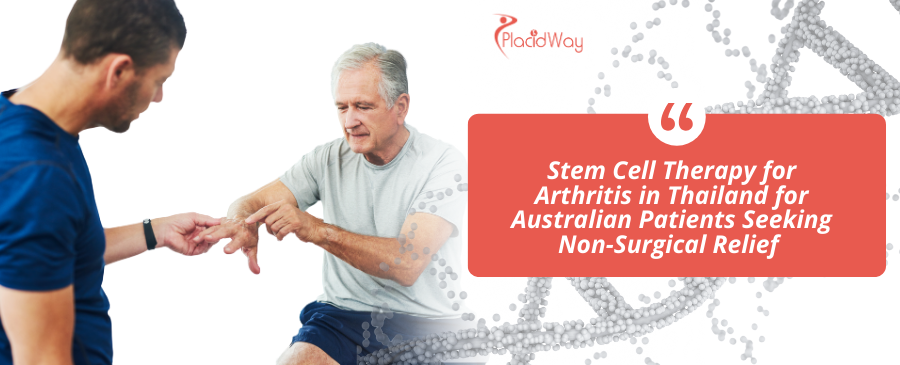
If you’re an Australian patient struggling with the persistent pain and reduced mobility caused by arthritis, you know how debilitating this condition can be. Traditional treatments often involve long-term medication, physical therapy, or eventually, invasive surgery. However, there’s a growing interest in innovative, non-surgical approaches, and one treatment gaining significant attention is stem cell therapy. Many Australians are now looking beyond their borders, with Thailand emerging as a leading destination for advanced medical treatments, including specialized arthritis relief.
Exploring options like stem cell therapy for arthritis in Thailand can open doors to a new path for managing your condition. Thailand has become a prominent hub for medical tourism, renowned for its high-quality healthcare services, state-of-the-art facilities, and experienced medical professionals, often at a more accessible cost. This detailed guide will answer the critical questions Australian patients have, helping you understand how this regenerative treatment works, what to expect, and why Thailand might be the ideal location for your journey toward improved joint health.
What exactly is Stem Cell Therapy for Arthritis?
Stem cell therapy is a revolutionary approach in regenerative medicine, aiming to harness the body’s natural healing capabilities. For arthritis, this treatment involves taking your own healthy stem cells, often from bone marrow or adipose (fat) tissue, concentrating them, and then injecting them directly into the affected joint. These undifferentiated cells have the unique ability to develop into various types of cells, including cartilage cells, and possess powerful anti-inflammatory properties.
The goal of this therapy is not just to mask symptoms but to promote actual tissue repair and regeneration within the joint. By introducing a high concentration of these potent healing cells, the treatment seeks to reduce pain, decrease inflammation, and improve the overall function of the arthritic joint. It offers a promising alternative for individuals who have not found adequate relief from conventional treatments or wish to avoid surgical interventions.
How Does Stem Cell Therapy Provide Arthritis Relief?
When concentrated stem cells are injected into an arthritic joint, they get to work in several ways. Firstly, they release anti-inflammatory cytokines, which significantly reduce swelling and pain, a primary symptom of arthritis. This immediate reduction in inflammation creates a more conducive environment for healing.
Secondly, these remarkable cells have the potential to differentiate into chondrocytes, the cells that form new cartilage, and other connective tissues. This can help to repair or regenerate damaged cartilage, which is often eroded in conditions like osteoarthritis. Additionally, stem cells secrete growth factors that stimulate the body’s own repair mechanisms, further contributing to tissue regeneration and overall joint health. Over time, this multifaceted approach can lead to sustained pain relief and a noticeable improvement in joint function and mobility.
Why are Australian Patients Considering Stem Cell Therapy for Arthritis in Thailand?
For many Australian patients, the decision to seek stem cell therapy for arthritis in Thailand is driven by a combination of factors. One of the most compelling reasons is the substantial cost difference. Medical procedures, including advanced regenerative therapies, are often significantly more affordable in Thailand compared to Australia, without compromising on quality. This financial accessibility makes groundbreaking treatments attainable for more individuals.
Moreover, Thailand boasts a robust medical tourism infrastructure, featuring internationally accredited hospitals and clinics that adhere to high global standards. These facilities are equipped with cutting-edge technology and staffed by highly trained specialists, many of whom have international experience. Patients also benefit from reduced waiting times for appointments and procedures, a stark contrast to the often-long queues in Western healthcare systems. Combining world-class medical care with the opportunity to recover in a serene, tropical environment adds to Thailand’s appeal as a top destination for medical tourism for arthritis treatment.
Which Types of Arthritis Can Be Treated with Stem Cell Therapy?
While stem cell therapy shows promise for various joint conditions, it is most widely applied and studied for osteoarthritis (OA). Osteoarthritis, often referred to as “wear-and-tear” arthritis, involves the breakdown of cartilage in the joints, leading to pain, stiffness, and reduced function. Stem cells can help address the core issues of OA by reducing inflammation and promoting cartilage repair.
Beyond osteoarthritis, stem cell therapies are also being explored for other forms of arthritis and joint injuries. For instance, some clinics may offer treatments for certain inflammatory conditions such as rheumatoid arthritis (RA), although the approach and expected outcomes can differ due to RA’s autoimmune nature. It’s crucial for patients to have a thorough medical assessment to determine if their specific type and stage of arthritis makes them a suitable candidate for stem cell intervention.
What is the Typical Cost of Stem Cell Therapy for Arthritis in Thailand?
One of the significant advantages of opting for stem cell therapy in Thailand for Australian patients is the cost-effectiveness. The price for treatment can vary considerably based on several factors, including the reputation and accreditation of the clinic, the type of stem cells used (e.g., adipose-derived mesenchymal stem cells, bone marrow aspirate concentrate), the number of injections required, and the specific joints being treated. Generally, a single joint treatment might fall within the $5,000 to $10,000 AUD range, while more complex or multi-joint treatments could be higher.
To provide a clearer picture, here’s a general comparison:
| Factor | Thailand (Approx. AUD) | Australia (Approx. AUD) |
|---|---|---|
| Per Joint Treatment | $5,000 – $15,000 | $15,000 – $30,000+ |
| Consultation Fees | Included in package / low separate fee | Higher separate fees |
| Associated Costs | Travel, accommodation (often part of package deals) | Minimal domestic travel |
It’s important to obtain a detailed quote from your chosen Thai clinic, ensuring it includes all aspects of the treatment, from initial consultation and diagnostic tests to the procedure itself and any follow-up care. This transparency helps Australian patients budget effectively for their medical tourism in Thailand experience.
What is the Process for Australian Patients Seeking Stem Cell Therapy in Thailand?
Embarking on the journey for stem cell therapy in Thailand as an Australian patient involves a structured process to ensure a smooth and effective experience. It generally begins with an initial inquiry and consultation, often remotely, where you provide your medical history and diagnostic images (like X-rays or MRIs). The Thai medical team will review these records to determine your suitability for the treatment.
Once deemed a candidate, you will receive a detailed treatment plan and cost estimate. Following this, you’ll make travel arrangements, including flights and accommodation. Many patients choose to work with a medical tourism facilitator, like PlacidWay, who can assist with coordinating appointments, travel logistics, and even local support. Upon arrival in Thailand, you’ll have an in-person consultation, undergo the stem cell harvesting and injection procedure, and typically have a short recovery period before returning home. Post-treatment follow-up instructions and support will also be provided to ensure continued progress.
Are There Risks or Side Effects Associated with Stem Cell Therapy for Arthritis?
Like any medical procedure, stem cell therapy for arthritis carries some potential risks and side effects, although it is generally considered safe, particularly when using autologous (patient’s own) cells. The most common side effects are usually mild and temporary, including localized pain, bruising, or swelling at the injection or harvesting sites. These typically resolve within a few days.
More serious complications are rare but can include infection, nerve damage, or an allergic reaction. The risk of these adverse events is significantly minimized when the procedure is performed by experienced medical professionals in a sterile, accredited facility. It is crucial for patients to discuss all potential risks and benefits thoroughly with their doctor before proceeding with the treatment, ensuring they choose a clinic with a strong safety record and stringent protocols, especially when seeking treatment through medical tourism in Thailand.
How Long Does Recovery Take After Stem Cell Treatment for Arthritis?
One of the appealing aspects of stem cell therapy for arthritis is the relatively quick initial recovery period compared to surgical interventions. Immediately after the procedure, patients may experience some mild soreness or discomfort at the injection site, which can be managed with over-the-counter pain relievers. Most individuals can resume light daily activities within a few days, avoiding strenuous exercise or heavy lifting for a period advised by their physician, usually a few weeks.
However, it’s important to understand that while the immediate physical recovery is swift, the biological process of regeneration and healing takes time. Patients typically don’t feel the full benefits of the treatment right away. Significant improvements in pain reduction and joint function usually become noticeable over several weeks to a few months, as the stem cells work to repair and regenerate tissue. Adhering to post-treatment instructions, including any recommended physical therapy, is crucial for optimizing the long-term outcomes of the regenerative treatment for arthritis.
What Should Australian Patients Consider When Choosing a Clinic for Stem Cell Therapy in Thailand?
Selecting the right clinic is paramount for a successful and safe stem cell therapy for arthritis in Thailand. Australian patients should conduct thorough research and consider several key factors:
- Accreditation: Look for international accreditations such as Joint Commission International (JCI), which signifies adherence to global standards of patient safety and quality of care.
- Physician Expertise: Verify the qualifications, experience, and specialization of the doctors performing the procedure. Ensure they have extensive experience in regenerative medicine and orthopedics.
- Technology and Facilities: The clinic should use state-of-the-art equipment for cell harvesting, processing, and injection, maintaining sterile environments and proper laboratory protocols.
- Transparency in Pricing: Ensure the clinic provides a clear, comprehensive cost breakdown with no hidden fees, covering all aspects from consultation to post-procedure care.
- Patient Testimonials and Reviews: Seek out genuine reviews and testimonials from other international patients, particularly those from Australia, who have undergone similar treatments.
- Comprehensive Aftercare: A reputable clinic will offer clear post-treatment instructions and accessible follow-up support, even after you return to Australia.
- Communication: The clinic staff should be proficient in English to ensure clear communication throughout your treatment journey.
Paying attention to these details will help ensure you receive high-quality and reliable regenerative medicine for arthritis in Thailand.
What are the Overall Benefits of Choosing Medical Tourism in Thailand for Arthritis Treatment?
Choosing medical tourism in Thailand for arthritis treatment offers a compelling package of benefits for Australian patients. Foremost among these is access to advanced and innovative regenerative therapies like stem cell therapy, which might be less readily available or significantly more expensive in Australia. Patients can receive world-class care from highly skilled specialists in modern, well-equipped hospitals that often meet international accreditation standards.
Beyond the medical advantages, the cost savings are a major draw, making otherwise unaffordable treatments accessible. The efficiency of the Thai healthcare system also means shorter waiting times, allowing patients to receive timely treatment. Furthermore, Thailand provides a unique opportunity to combine your medical journey with a therapeutic holiday. The serene environment, warm climate, and renowned hospitality can contribute positively to your recovery and overall well-being, transforming a potentially stressful medical procedure into a rejuvenating experience. This holistic approach makes Thailand an attractive option for those seeking effective and affordable non-surgical arthritis relief.
Ready to explore your options for stem cell therapy for arthritis in Thailand? Contact PlacidWay today to connect with accredited clinics and experienced specialists, and discover how we can facilitate your journey towards non-surgical arthritis relief.