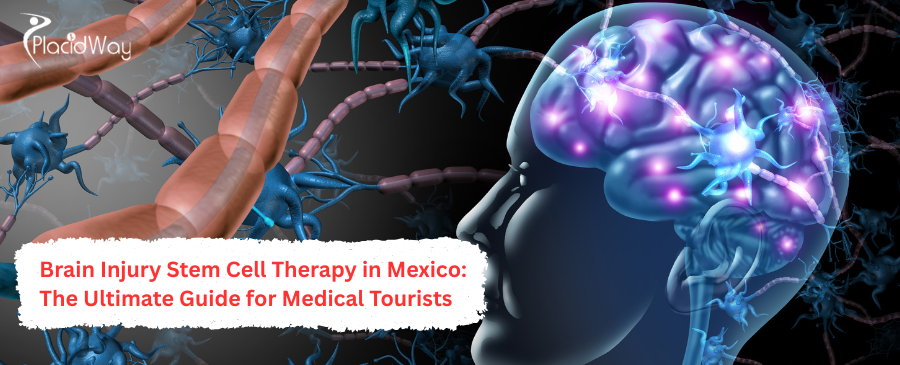
Stem cell therapy for brain injury in Mexico offers a promising alternative for patients seeking advanced regenerative treatments. This guide explores the safety, legality, cost-effectiveness, and expected outcomes of these innovative procedures. Patients can often achieve significant cost savings, averaging 60% compared to similar protocols in the United States or Canada, without compromising on quality or regulatory oversight.
Traumatic Brain Injury (TBI) profoundly impacts millions worldwide, frequently leaving individuals with chronic neurological challenges that conventional medicine struggles to fully address. In response, many patients and their families are now exploring the potential of regenerative medicine, particularly stem cell therapy, as a viable path towards improved function and recovery.
Mexico has emerged as a leading destination for medical tourists seeking these specialized treatments. This is largely due to a favorable regulatory environment that permits expanded cell therapies not yet widely available in North America, combined with competitive costs and a high standard of medical care. This comprehensive resource, “Brain Injury Stem Cell Therapy in Mexico: The Ultimate Guide for Medical Tourists,” aims to provide clarity and instill confidence for those considering this important healthcare journey. We delve into the science, safety protocols, treatment logistics, and financial considerations to help you make an informed decision.
What Key Benefits Does Stem Cell Therapy Offer for TBI Patients?
- Reduced Inflammation: Stem cells, particularly MSCs, are known to modulate the immune response, helping to calm chronic inflammation that often follows a TBI.
- Neuroprotection: These cells secrete growth factors and other biomolecules that support the survival and function of existing brain cells, protecting them from further damage.
- Functional Improvement: While not a cure, many patients experience measurable gains in motor skills, cognitive function, balance, and a reduction in chronic headaches.
- Access to Advanced Therapies: Mexico’s regulatory framework allows for advanced cell treatments that are not yet standard in countries like the US or Canada, offering more options.
- Significant Cost Savings: Patients can expect to save between 40% to 70% on treatment costs in Mexico compared to similar procedures in Western countries, including travel and accommodation.
How Do Stem Cells Work to Aid Brain Injury Recovery?
Stem cell therapy for Traumatic Brain Injury (TBI) is a regenerative treatment that harnesses the body’s natural reparative capabilities. It focuses on modulating the immune system, reducing inflammation, and fostering an environment conducive to neural healing and functional recovery following brain trauma.
The core of this therapy lies in the unique properties of Mesenchymal Stem Cells (MSCs). These multipotent cells are not primarily used to replace damaged neurons directly. Instead, they act as powerful signaling agents, migrating to injury sites and releasing a cocktail of growth factors, cytokines, and exosomes. This process, known as paracrine signaling, helps to reduce the detrimental inflammatory response, protect existing brain cells from further degeneration, and promote the formation of new blood vessels, which are crucial for tissue repair.
In Mexico, clinics predominantly use either allogeneic MSCs, sourced from screened, healthy donors (often from umbilical cord tissue, known as UC-MSCs), or autologous MSCs, derived from the patient’s own bone marrow or adipose (fat) tissue. The choice of cell type and delivery method is crucial for maximizing therapeutic impact. Delivery often involves intravenous (IV) infusion for systemic effects, or intrathecal injection (lumbar puncture) to directly bypass the blood-brain barrier and introduce cells into the cerebrospinal fluid, allowing them to reach the central nervous system more effectively. Some clinics also explore intranasal delivery, theorized to guide cells along olfactory nerves directly to brain regions.
What Are the Expected Outcomes, Risks, and Safety Measures?
Evidence & Outcomes: Success for TBI stem cell therapy is not measured as a “cure” but as significant functional improvements. These often include reduced spasticity, enhanced cognitive function, improved balance, and a decrease in chronic headaches. Published clinical trial data consistently points to the safety and feasibility of these treatments. Many patients report both subjective and objectively measurable gains in their neurological and physical capabilities. It’s important to note that the best results are typically achieved when stem cell therapy is integrated with a consistent and aggressive rehabilitation program, which includes physical, occupational, and speech therapy, tailored to individual patient needs and continued in the months following the procedure.
Risks & Contraindications: While stem cell therapy is generally considered safe, patients must be fully aware of potential risks. These risks are primarily associated with the source and handling of the cells, and the method of administration. Common risks for any cell therapy include localized infection at the injection site, or a mild immune reaction (though allogeneic MSCs are largely immune-privileged, minimizing this risk). Theoretically, there’s a concern about tumor formation, but this risk is extremely low with adult Mesenchymal Stem Cells (MSCs). Warning signs to discuss with your doctor include severe pain, unusual swelling, fever, or any unexpected neurological changes. Individual results vary significantly; no “cures” or “guarantees” should ever be promised. Always consult a qualified healthcare professional to determine if this treatment is appropriate for your specific condition and to discuss personalized risks and benefits.
Did you know that Tijuana, Mexico is home to some of the world’s most advanced medical facilities, where patients often save significant amounts on stem cell therapy while receiving care that meets or exceeds international hospital standards?
How Do Costs for TBI Stem Cell Therapy in Mexico Compare Globally?
One of the most compelling reasons for patients to consider stem cell therapy in Mexico is the significant cost advantage. Lower operational expenses, combined with a supportive regulatory environment, allow Mexican clinics to offer advanced treatments at a fraction of the cost found in countries like the United States or Canada. These savings, which average around 60% for equivalent protocols, make life-changing regenerative medicine financially accessible to a broader patient population.
Essential Facts & Pro-Tips for Your Medical Journey
What Does the Treatment and Recovery Journey Look Like?
The stem cell treatment for Traumatic Brain Injury in Mexico is designed to be efficient, typically involving a brief stay. This allows patients to receive their specialized care quickly and then continue their recovery at home, often complemented by ongoing rehabilitation. The procedure itself is minimally invasive, prioritizing patient comfort and rapid return to daily life.