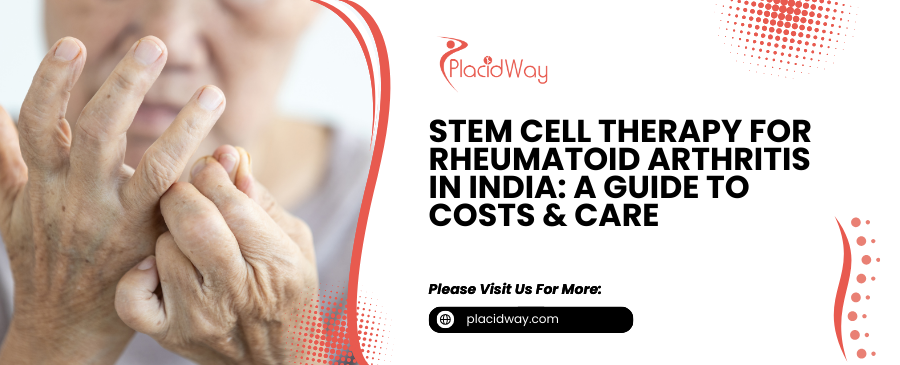
Living with rheumatoid arthritis (RA) can be incredibly challenging, impacting daily life with persistent pain, stiffness, and joint damage. If you’re exploring advanced treatment options, you might have heard about stem cell therapy. This innovative approach is gaining attention worldwide, and India has emerged as a significant hub for its application, particularly for chronic conditions like RA.
India offers state-of-the-art medical facilities and experienced specialists, making it an attractive destination for patients seeking alternative or complementary treatments. This guide will walk you through everything you need to know about stem cell therapy for rheumatoid arthritis in India, from understanding how it works to deciphering the costs and what kind of care you can expect. We aim to provide clear, helpful information to help you make informed decisions about your health journey.
How Does Stem Cell Therapy for Rheumatoid Arthritis Work in India?
Stem cell therapy for rheumatoid arthritis (RA) harnesses the unique properties of stem cells to address the underlying mechanisms of the disease. In RA, the immune system mistakenly attacks the body’s own tissues, leading to chronic inflammation and damage, particularly in the joints. Mesenchymal stem cells (MSCs) are the most commonly used type in this therapy due to their potent immunomodulatory and regenerative capabilities.
When administered into the body, MSCs can migrate to areas of inflammation and injury. Here, they exert several beneficial effects:
- Immunomodulation: MSCs can help “re-educate” an overactive immune system, suppressing the inflammatory responses that drive RA. They do this by secreting various anti-inflammatory molecules.
- Tissue Repair and Regeneration: While not directly regenerating cartilage, MSCs can stimulate the body’s natural repair processes, potentially helping to slow down joint degradation and support tissue health.
- Anti-inflammatory Effects: They release factors that reduce pain and swelling, which are primary symptoms of RA.
In India, clinics often use autologous stem cells, meaning the cells are harvested from the patient’s own body (e.g., bone marrow or adipose fat tissue). This minimizes the risk of rejection and allergic reactions, making the procedure safer. The harvested cells are then processed and expanded in a laboratory before being re-introduced into the patient, usually intravenously or directly into affected joints.
What is the Cost of Stem Cell Therapy for Rheumatoid Arthritis in India?
Understanding the financial aspect is crucial when considering any medical treatment, especially one as specialized as stem cell therapy for rheumatoid arthritis in India. While significantly more affordable than in many Western countries, the cost still represents a substantial investment. The price range of $5,000 to $15,000 USD per treatment cycle is a general guideline, and actual costs can vary.
Several elements contribute to the final price. These include the specific type of stem cells used (e.g., bone marrow-derived, adipose-derived), the complexity of the harvesting procedure, the extent of cell processing and expansion required, and the method of administration. Some patients may require multiple treatment cycles to achieve desired outcomes, which would naturally increase the overall expense.
It’s important to get a detailed breakdown of costs from any clinic you consider. This should include consultation fees, diagnostic tests (blood work, imaging), the stem cell harvesting procedure, cell processing, actual cell administration, post-treatment follow-up, and any necessary medications. Clinics in major cities like Delhi, Mumbai, Hyderabad, and Bangalore often have competitive pricing while maintaining international standards of care.
What Factors Influence the Cost of Stem Cell Therapy for RA in India?
The price tag for stem cell therapy for rheumatoid arthritis in India is not a one-size-fits-all figure. It’s a dynamic cost influenced by a range of variables. Being aware of these factors can help you better understand quotes and plan your budget effectively.
Here are the primary factors that impact the overall expense:
| Factor | Description |
|---|---|
| Clinic and Location | Renowned hospitals and specialized clinics in metropolitan cities (e.g., Mumbai, Delhi, Bangalore) may charge more due to advanced infrastructure, experienced staff, and higher operating costs. |
| Type of Stem Cells | The source of stem cells (e.g., bone marrow-derived MSCs, adipose-derived MSCs) and the specific processing techniques can affect cost. Some protocols might involve more complex isolation and expansion. |
| Number of Sessions | Many patients require multiple treatment sessions or cycles to achieve optimal results. Each session adds to the total cost. |
| Diagnostic Tests | Initial evaluation often includes comprehensive blood tests, imaging (X-rays, MRI), and other specialized assessments to determine eligibility and tailor the treatment plan. |
| Ancillary Services | This can include pre- and post-therapy consultations, medications, physiotherapy, and sometimes even accommodation or translator services for international patients. |
It’s always recommended to obtain a comprehensive quote from your chosen clinic, ensuring it covers all aspects of the treatment plan, from initial assessment to follow-up care. This transparency helps in avoiding unexpected expenses.
What are the Benefits of Stem Cell Therapy for Rheumatoid Arthritis?
For individuals suffering from rheumatoid arthritis, finding a treatment that offers lasting relief and improves quality of life is paramount. Stem cell therapy presents several compelling benefits that make it an attractive option, particularly when conventional treatments have limitations or severe side effects.
Patients who undergo stem cell therapy for RA often report:
- Reduced Pain and Inflammation: This is one of the most immediate and impactful benefits. By taming the overactive immune response, stem cells can significantly lessen the chronic pain and swelling that characterize RA.
- Improved Joint Function and Mobility: As inflammation subsides, patients typically experience greater flexibility, reduced stiffness, and an improved ability to perform daily activities. This can lead to a more active and independent lifestyle.
- Decreased Reliance on Medications: Many patients on stem cell therapy find they can reduce their dosage of conventional disease-modifying antirheumatic drugs (DMARDs) or corticosteroids, thereby mitigating their associated side effects.
- Immune System Modulation: Unlike simple symptom suppression, stem cell therapy aims to rebalance the immune system, addressing the root cause of autoimmune attacks.
- Enhanced Quality of Life: With less pain, better mobility, and fewer medication side effects, patients often report a significant improvement in their overall well-being and mental health.
While results can vary from person to person, many studies and patient testimonials from clinics in India highlight these positive outcomes, reinforcing the potential of stem cell therapy for rheumatoid arthritis as a promising treatment modality.
Who is an Ideal Candidate for Stem Cell Therapy for RA in India?
Deciding if stem cell therapy is right for you involves a thorough medical evaluation. Not everyone with rheumatoid arthritis is an ideal candidate. Clinics in India follow stringent protocols to assess patient suitability, ensuring the treatment is offered to those most likely to benefit and for whom it is safe.
Key characteristics of an ideal candidate include:
- Confirmed RA Diagnosis: Patients must have a clear diagnosis of rheumatoid arthritis, often confirmed by rheumatologists.
- Inadequate Response to Conventional Treatments: Many candidates have tried traditional DMARDs, biologics, or other therapies without achieving satisfactory disease control or experience severe side effects.
- Moderate to Severe Disease Activity: While some may consider it for early RA, it is more commonly considered for those with persistent moderate to severe symptoms affecting multiple joints.
- Good General Health: Patients should be free from active infections, uncontrolled chronic diseases (like severe heart or kidney failure), or certain types of cancer. A comprehensive medical history and physical examination will be conducted.
- Realistic Expectations: It’s important for patients to understand that stem cell therapy is not a “cure” but a treatment aimed at managing symptoms, reducing inflammation, and improving quality of life.
The assessment process at reputable Indian clinics typically involves reviewing medical records, performing new diagnostic tests, and a consultation with a specialist who will determine if stem cell therapy for rheumatoid arthritis is a suitable option based on individual health profile and disease progression.
What is the Procedure for Stem Cell Therapy for RA in India?
Understanding the steps involved in stem cell therapy for rheumatoid arthritis can help patients feel more prepared and less anxious. Clinics in India adhere to established medical protocols for these procedures, prioritizing patient safety and efficacy.
The general procedure can be broken down into these phases:
- Cell Harvesting:
- Bone Marrow Aspiration: This is a common method. A small amount of bone marrow is typically drawn from the patient’s hip bone (iliac crest) under local anesthesia.
- Adipose (Fat) Tissue Collection: Another popular source, fat tissue is usually harvested from the abdomen or thigh via a mini-liposuction procedure, also under local anesthesia. This method is often preferred for its less invasive nature.
Both procedures are generally well-tolerated with minimal discomfort.
- Cell Processing and Expansion:Once harvested, the tissue containing the stem cells is sent to a specialized laboratory. Here, the mesenchymal stem cells (MSCs) are isolated, purified, and then cultured to multiply into the desired therapeutic number. This expansion process can take several days to a few weeks, depending on the required cell count and specific protocol.
- Cell Administration:After reaching the optimal quantity, the prepared stem cells are administered back to the patient. This is typically done through one or a combination of methods:
- Intravenous (IV) Infusion: The most common method, where cells are slowly infused into the bloodstream, allowing them to circulate throughout the body and home in on inflammatory sites.
- Intra-articular Injection: For specific joints heavily affected by RA, cells may be injected directly into the joint space to deliver a concentrated dose where it’s most needed.
The entire process, from harvesting to administration, is performed under strict sterile conditions by highly trained medical professionals, ensuring the highest standards of safety and care.
What is the Recovery and Aftercare Like for Stem Cell Therapy for RA?
The journey with stem cell therapy for rheumatoid arthritis extends beyond the procedure itself. Proper recovery and diligent aftercare are essential for optimizing the outcomes and ensuring the longevity of the benefits. Clinics in India provide comprehensive guidance for post-treatment care.
Here’s what you can expect regarding recovery and aftercare:
- Immediate Post-Procedure:
- Patients may experience mild soreness or bruising at the harvesting site (e.g., hip or abdomen) and potentially some temporary fatigue. These symptoms usually resolve within a few days.
- If intra-articular injections were performed, the treated joint might feel slightly sore or swollen for a day or two.
- Most patients are able to return to light, non-strenuous activities within 24-48 hours.
- Aftercare Instructions:
- Activity Restrictions: Patients are often advised to avoid strenuous physical activity, heavy lifting, or high-impact exercises for a period, typically a few weeks, to allow the body to heal and the cells to integrate.
- Medication Management: You will receive instructions on managing any existing medications and possibly new ones, such as anti-inflammatories, if needed. It’s crucial not to discontinue any prescribed RA medications without consulting your treating physician.
- Hydration and Nutrition: Maintaining good hydration and a balanced diet is always encouraged to support overall health and healing.
- Follow-up Appointments: Regular follow-up appointments with the clinic are vital to monitor progress, assess symptom improvement, and make any necessary adjustments to the care plan. These can be in-person or via telemedicine for international patients.
- Long-term Support:Some clinics might recommend adjunctive therapies like physiotherapy or occupational therapy to further enhance joint mobility and strength, complementing the effects of stem cell therapy for rheumatoid arthritis. Patience is key, as the full benefits of stem cell therapy often become apparent over several weeks to months as the cells work to modulate the immune system and promote healing.
Why Choose India for Stem Cell Therapy for Rheumatoid Arthritis?
For patients considering stem cell therapy for rheumatoid arthritis, India stands out as a leading global medical tourism destination. There are compelling reasons why individuals from across the world choose India for advanced treatments, especially those not readily available or affordable in their home countries.
Here are the key advantages of seeking stem cell therapy for RA in India:
- Cost-Effectiveness: This is arguably the biggest draw. The cost of stem cell therapy in India is significantly lower than in many Western countries (up to 60-80% less), making it accessible to a wider range of patients without compromising on quality.
- Advanced Medical Infrastructure: Indian hospitals and specialized clinics are equipped with state-of-the-art technology, modern laboratories for cell processing, and world-class surgical facilities. Many institutions hold international accreditations like JCI (Joint Commission International).
- Highly Qualified Specialists: India boasts a large pool of highly trained and experienced doctors, surgeons, and stem cell therapists who have often received training from leading global institutions. They are proficient in English, which eases communication for international patients.
- Cutting-Edge Research and Protocols: Indian clinics actively participate in research and development in regenerative medicine, employing innovative and evidence-based protocols for stem cell therapy, including for complex conditions like rheumatoid arthritis.
- Ease of Travel and Support Services: India has well-developed medical tourism infrastructure, including dedicated patient support services, facilitators, translators, and assistance with travel and accommodation, making the entire process smooth for international visitors.
These combined factors create a robust ecosystem that delivers high-quality, affordable stem cell therapy for rheumatoid arthritis, attracting a global patient base.
What Should International Patients Consider When Planning Stem Cell Therapy for RA in India?
Embarking on a medical journey abroad requires careful planning, especially when seeking specialized treatments like stem cell therapy for rheumatoid arthritis in India. International patients have unique considerations beyond just the medical procedure itself.
Here’s a checklist of important points to keep in mind:
- Clinic Selection: Thoroughly research and choose a reputable clinic or hospital that specializes in stem cell therapy for RA. Look for international accreditations, physician qualifications, patient testimonials, and transparent communication.
- Visa and Travel: Understand the visa requirements for medical treatment in India. Ensure your passport is valid and apply for the appropriate medical visa well in advance. Plan your travel dates to accommodate the treatment duration and a few extra days for recovery and sightseeing if desired.
- Accommodation and Local Transport: Research accommodation options near your chosen clinic. Many medical tourism agencies or clinics can assist with booking hotels or serviced apartments. Plan for local transport – taxis, ride-sharing apps, or clinic-provided transport.
- Communication: While many Indian doctors and medical staff speak English fluently, having access to a translator for specific needs can be beneficial. Confirm communication channels with your clinic before and after your arrival.
- Medical Records and Consultation: Gather all relevant medical records, diagnostic reports, and current medication lists to share with the Indian medical team. An initial remote consultation is often possible to assess your eligibility and discuss a preliminary treatment plan.
- Post-Treatment Care Plan: Discuss the follow-up care plan with your Indian physician, especially how it will integrate with your local healthcare providers back home. Clarify how long you need to stay in India for recovery.
- Insurance: Most international health insurance policies do not cover elective treatments abroad. Be prepared for out-of-pocket expenses and clarify all financial aspects upfront.
Working with a trusted medical tourism facilitator can significantly streamline this process, offering assistance with all these logistics.
Are There Any Risks or Side Effects of Stem Cell Therapy for RA?
Like any medical procedure, stem cell therapy for rheumatoid arthritis carries potential risks and side effects, though it is generally considered safe, particularly when autologous cells are used. Understanding these possibilities is important for making an informed decision.
The risks are typically associated with the different stages of the procedure:
- At the Harvesting Site (Bone Marrow or Adipose Tissue):
- Pain and Bruising: This is the most common side effect, usually mild and temporary, at the site where cells are extracted.
- Infection: Any invasive procedure carries a slight risk of infection, though this is minimized through sterile techniques.
- Nerve or Tissue Damage: Very rare, but possible if the procedure is not performed by an experienced professional.
- During or After Cell Administration:
- Allergic Reaction: Extremely rare with autologous (patient’s own) cells, but possible with some components used in cell processing.
- Temporary Fever or Flu-like Symptoms: Some patients may experience a mild, transient fever or general malaise after infusion.
- Localized Discomfort: If cells are injected directly into a joint, there might be temporary swelling or soreness in that joint.
- Long-term Concerns (Rare):
- Unintended Cell Growth: While highly unlikely with mature MSCs used for RA, there is a theoretical concern about uncontrolled cell proliferation. Reputable clinics perform extensive cell characterization to mitigate this risk.
- Lack of Efficacy: The therapy might not be effective for every individual, and results can vary.
To minimize these risks, it is paramount to choose a clinic in India that adheres to strict international safety standards, employs highly qualified medical professionals, and follows ethical guidelines for stem cell research and application. A thorough screening process ensures that only suitable candidates undergo the procedure, further enhancing patient safety.