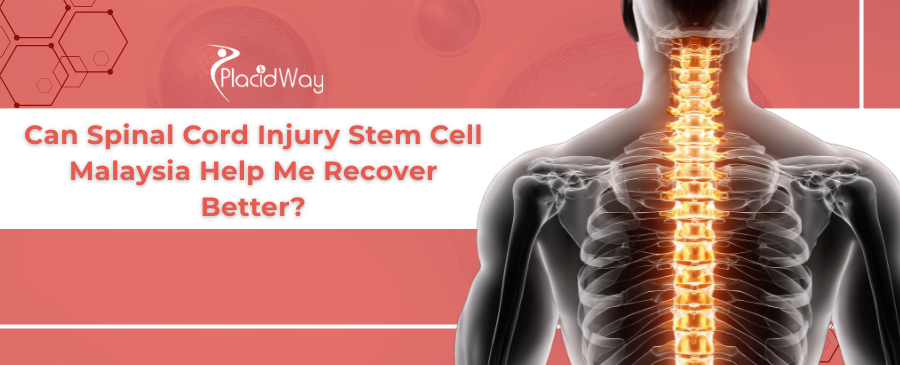
Stem cell therapy for spinal cord injury in Mexico involves administering mesenchymal stem cells via intravenous or intrathecal injection to potentially reduce inflammation and support nerve regeneration. While outcomes vary depending on the injury severity, many patients travel to Mexican clinics seeking access to specialized regenerative medicine protocols and advanced rehabilitation programs.
Patients facing the physical and emotional challenges of nerve damage often explore innovative treatments abroad making stem cell therapy a widely researched option. When considering this life-changing medical journey understanding the realistic outcomes and verifying clinic credentials becomes your most important step. Many international patients choose regenerative medicine because top stem cell therapy centers in Mexico offer specialized protocols that combine cellular treatments with intensive physical rehabilitation at competitive prices.
Quick Summary
- Estimated cost ranges from $8,000 to $25,000 USD depending on the protocol and length of stay.
- Safety relies heavily on choosing clinics licensed by COFEPRIS the Mexican health regulatory agency.
- Ideal candidates are patients seeking to manage symptoms reduce neuroinflammation or support rehabilitation efforts.
- Recovery time involves several weeks of physical therapy following the initial cell administration.
- The primary reason patients choose Mexico is access to advanced mesenchymal stem cell protocols not widely available elsewhere.
- Important caution always remember that regenerative treatments are not a guaranteed cure and results vary significantly by individual.
Understanding Stem Cell Therapy For Spinal Cord Injury In Mexico
Spinal cord injuries present profound physical and emotional challenges for patients and their families. Because traditional medicine often focuses primarily on symptom management and rehabilitation many individuals look abroad for regenerative treatments. Mexico has emerged as a leading destination for these medical travelers offering access to specialized therapies that may support neurological recovery. The goal of cellular treatment is not to guarantee a complete cure but to potentially enhance the body natural healing environment. By traveling to qualified Mexican clinics international patients can access comprehensive care protocols that combine regenerative applications with intensive physical therapy.
Medical tourism patients should thoroughly review clinic credentials and set realistic expectations before committing to any international treatment plan.
How Mesenchymal Stem Cells Target Spinal Cord Damage
Mesenchymal stem cells are the most common cell type used in regenerative protocols for nerve tissue damage. These cells are typically sourced from umbilical cord tissue bone marrow or adipose tissue. When administered into the body they release specific growth factors and anti inflammatory cytokines. This biological response may help reduce the chronic inflammation that often prevents nerve regeneration following severe trauma. While clinical research is ongoing many specialists believe these cellular signaling mechanisms can help protect surviving neurons and stimulate tissue repair over time. The exact response depends heavily on the severity of the injury and the specific protocol utilized by your medical team.
| Cellular Process | Biological Function | Potential Patient Benefit |
|---|---|---|
| Immunomodulation | Reduces local immune system overactivity | May decrease harmful inflammation at the injury site |
| Trophic Factor Secretion | Releases proteins that support cell survival | May protect existing healthy nerve fibers from dying |
| Angiogenesis | Stimulates the formation of new blood vessels | May improve blood flow and nutrient delivery to damaged tissue |
Primary Reasons Patients Travel To Mexico For Regenerative Medicine
International patients especially those from the United States and Canada frequently choose Mexico for cellular therapies due to several compelling factors. The regulatory environment in Mexico allows licensed clinics to expand mesenchymal stem cells to therapeutic doses which is heavily restricted in many other countries. Furthermore the proximity of medical hubs like Tijuana Cancun and Guadalajara makes travel logistically simple for North American patients. Care facilities often provide comprehensive packages that include ground transportation translation services and extended rehabilitation sessions. This all inclusive approach allows patients to focus entirely on their treatment and recovery rather than managing complex travel logistics.
- Access to expanded mesenchymal stem cell protocols
- Significantly lower treatment and facility costs
- Close geographic proximity for North American travelers
- Availability of multidisciplinary rehabilitation programs
- Shorter wait times for specialized consultations
Patient Demographics And Treatment Trends In Regenerative Medicine
Recent data highlights a significant increase in patients crossing borders for regenerative medicine. According to 2025 healthcare travel registries a growing percentage of individuals seeking stem cell treatments are navigating toward Latin American destinations. This movement is primarily driven by patients seeking alternative options for chronic conditions and traumatic injuries after exhausting domestic medical resources. The influx of international patients has prompted Mexican clinics to elevate their standards offering multilingual support and adopting international patient safety protocols. These demographic shifts underscore a strong global demand for accessible cellular therapies.
Source: Global Regenerative Medicine Tourism Report 2025
Clinical Motivations And Age Distribution Of International Patients
Understanding who travels for these procedures provides valuable insight into the evolving medical tourism landscape. A 2024 analysis of cellular therapy patient demographics reveals that a large portion of medical travelers fall between the ages of 36 and 50. This age group often includes individuals who have sustained spinal injuries through occupational hazards or sports and are highly motivated to regain functional independence. Older demographics are also represented frequently seeking treatments to manage age related degenerative spinal issues alongside traumatic injuries. Both male and female patients demonstrate similar clinical motivations prioritizing improved mobility pain reduction and enhanced quality of life.
Source: International Cellular Therapy Patient Registry 2024
Comparing The Cost Of Stem Cell Therapy For Spinal Cord Injury
Affordability remains a major driver for patients exploring options south of the border. In the United States unregulated or experimental stem cell treatments can cost upwards of fifty thousand dollars often completely out of pocket due to insurance limitations. In contrast clinics in Mexico typically offer structured programs ranging between eight thousand and twenty five thousand dollars. These prices generally include the cell expansion process medical evaluations hospital fees and sometimes initial physical therapy sessions. However patients must recognize that prices fluctuate based on the required cell count the specific injection method and the duration of the recommended inpatient rehabilitation.
| Treatment Element | Estimated Cost in US and Canada | Estimated Cost in Mexico |
|---|---|---|
| Initial Medical Consultation | $500 to $1,500 | $100 to $300 |
| Cell Culturing and Expansion | Highly restricted varying greatly | $5,000 to $12,000 |
| Procedure and Facility Fees | $15,000 to $40,000 | $3,000 to $8,000 |
| Post Procedure Rehabilitation | $2,000 to $5,000 per month | $800 to $2,000 per month |
Common Protocols Used In Mexican Regenerative Clinics
Doctors in Mexico utilize several administration methods to deliver stem cells to the damaged nervous system. The two most common techniques are intravenous infusion and intrathecal injection. Intravenous delivery circulates cells systemically relying on the body chemical signaling to guide them to the injury site. Intrathecal injection directly introduces the cells into the spinal canal fluid bypassing the blood brain barrier to achieve a higher concentration near the damaged spinal cord. The chosen method depends entirely on the patient specific injury level their overall health and the evaluating physician clinical judgment.
Intravenous Infusion
Offers a systemic approach to reduce generalized inflammation. It is generally considered less invasive with minimal procedural risks.
Intrathecal Injection
Delivers cells directly into the cerebrospinal fluid providing a concentrated dose near the injury site but involves a more complex puncture procedure.
Evaluating Clinic Safety And COFEPRIS Certification In Mexico
Patient safety must be your absolute priority when organizing healthcare travel. The most critical credential to verify in Mexico is a license from COFEPRIS the Federal Commission for the Protection against Sanitary Risk. This government body regulates all medical facilities and biological products ensuring clinics maintain strict laboratory standards for cell processing and sterilization. A legitimate regenerative medicine center will proudly display their current COFEPRIS licensing and provide their registration numbers upon request. You should also ensure the facility operates within a certified hospital environment capable of handling any rare but potential medical emergencies during the procedure.
Never proceed with treatment if a clinic refuses to provide verifiable COFEPRIS credentials or attempts to hide information about their cell sourcing laboratory.
Choosing The Right Specialist For Your Treatment Journey
Finding a qualified medical professional is just as important as finding a certified clinic. Your primary physician should ideally be a board certified neurologist neurosurgeon or a regenerative medicine specialist registered with the Mexican Medical Council. It is essential to inquire about their specific experience treating spinal cord trauma rather than general orthopedic conditions. Ask potential doctors about their annual case volume complication management protocols and their long term follow up programs. A trustworthy doctor will honestly discuss both the potential benefits and the limitations of cellular therapy rather than guaranteeing a miraculous recovery.
- Verify registration with the Mexican Medical Council
- Request details regarding the specialist background in neurology
- Ask about the specific protocols used for cell expansion
- Review the clinic complication management policies
- Demand a transparent itemized written quotation before booking
Expected Recovery And Rehabilitation Following Cell Administration
The timeline for potential improvements after stem cell therapy requires patience and realistic expectations. The immediate recovery from the injection itself is usually brief requiring only a few days of rest and monitoring. However the biological tissue repair process occurs over weeks or months. Physical therapy is a mandatory component of this recovery phase as structured movement helps stimulate neural pathways and maximize the potential benefits of the newly introduced cells. Patients should be prepared to continue rigorous physical rehabilitation in their home country long after the initial medical trip to Mexico concludes.
| Timeframe | Biological Process | Patient Experience | Action Required |
|---|---|---|---|
| Days 1 to 3 | Initial cell integration and acute healing from injection | Mild soreness at injection site fatigue | Rest close monitoring and gentle movement |
| Weeks 1 to 4 | Reduction of neuroinflammation and cellular signaling | Subtle changes in sensation or no noticeable changes yet | Begin structured clinical physical therapy |
| Months 2 to 6 | Ongoing cellular support and potential neural adaptation | Possible gradual improvements in mobility or pain reduction | Intensive continuous rehabilitation exercises |
Understanding The Limitations And Risks Of Cellular Therapies
It is vital to approach regenerative medicine with a clear understanding of its boundaries. Stem cell therapy is not a proven cure for paralysis or severe nerve transections. Results vary drastically from patient to patient and some individuals may experience no functional improvement at all. Medical risks include infection at the injection site mild fever temporary headaches following intrathecal delivery and rare immune reactions. Engaging with heavily regulated clinics mitigates many procedural risks but the biological outcome remains unpredictable. Patients must carefully weigh these factors against the financial and emotional investment required for international medical travel.
Always consult your home country neurologist before pausing conventional therapies or pursuing experimental treatments abroad.
Planning Your Medical Travel To Mexico For Spinal Cord Treatment
Coordinating a medical trip for a patient with mobility challenges requires meticulous logistical planning. You must account for accessible flights specialized ground transportation and accommodations equipped with appropriate medical equipment. Many elite clinics in Mexico offer dedicated patient coordinators who assist with securing wheelchair accessible transport and booking partner hotels suited for post procedure rest. It is highly recommended to travel with a dedicated caregiver who can assist with daily activities and provide emotional support during the journey. Ensure you secure comprehensive medical travel insurance that covers pre existing conditions and unexpected trip interruptions before departing.
Travel Tip: Always carry your comprehensive medical records physical imaging discs and a detailed letter from your home physician summarizing your injury history when crossing borders.
Frequently Asked Questions About Stem Cell Therapy For Spinal Cord Injury In Mexico
Is stem cell therapy for spinal cord injury in Mexico safe?
When performed in a COFEPRIS licensed clinic by board certified specialists the procedure is generally considered safe. However all medical procedures carry inherent risks such as infection or injection site pain which must be discussed with your provider.
How much does stem cell therapy for spinal cord injury in Mexico cost?
The price typically ranges between eight thousand and twenty five thousand dollars. This variation depends on the type of cells used the number of required doses and the inclusion of intensive physical rehabilitation programs.
Will stem cell therapy cure my paralysis completely?
No current medical treatment can guarantee a complete cure for paralysis. Regenerative medicine aims to reduce inflammation and support natural healing which may improve some sensory or motor functions but outcomes vary widely.
What types of stem cells do Mexican clinics use?
Reputable clinics primarily use ethically sourced mesenchymal stem cells derived from Wharton jelly in human umbilical cords bone marrow or adipose tissue. These cells are valued for their strong anti inflammatory properties.
How long do I need to stay in Mexico for treatment?
Most treatment protocols require a stay of seven to fourteen days. This allows adequate time for initial medical evaluations the administration procedure and essential post procedure monitoring before you fly home.
Is the stem cell injection painful?
Patients usually experience only mild discomfort during intravenous infusions. Intrathecal injections require a lumbar puncture which can cause temporary back soreness or mild headaches but local anesthesia is utilized to minimize pain.
When will I see results from the stem cell treatment?
Cellular repair is a gradual biological process. Some patients notice subtle changes in sensation or reduced pain within a few weeks while potential functional improvements may take three to six months of continuous physical therapy to manifest.
Do I need physical therapy after the stem cells are injected?
Yes intensive physical therapy is absolutely crucial. Rehabilitation stimulates the nervous system and helps maximize any potential benefits provided by the regenerative cellular environment.
How do I know if a clinic in Mexico is legitimate?
A legitimate clinic will hold current certification from COFEPRIS the Mexican health regulatory authority. They will also provide clear information about their laboratory standards doctor credentials and transparent pricing without pressure tactics.
Can my home doctor monitor my progress after I return from Mexico?
Yes it is highly recommended to maintain a close relationship with your local neurologist or rehabilitation specialist. Many Mexican clinics will provide a comprehensive discharge summary to help your home team guide your ongoing recovery.
PlacidWay can help you compare highly rated providers understand treatment costs ask the right questions and request information from top clinics.
Related Stem Cell Therapy Resources
Disclaimer
Disclaimer: This information is for educational purposes only and does not replace professional medical advice. Always consult a qualified healthcare provider before making medical decisions.
References
- Mesenchymal Stem Cells in Spinal Cord Injury: A Review – National Center for Biotechnology Information
- Spinal Cord Injury Fact Sheet – World Health Organization
- Clinical Trials for Cell Therapy in Spinal Cord Injury – ClinicalTrials.gov
- FDA Warning on Unapproved Stem Cell Therapies – U.S. Food and Drug Administration
- Regulatory Guidelines for Biological Products – COFEPRIS Mexico
- Patient Resources for Cellular Therapy – International Society for Cell & Gene Therapy