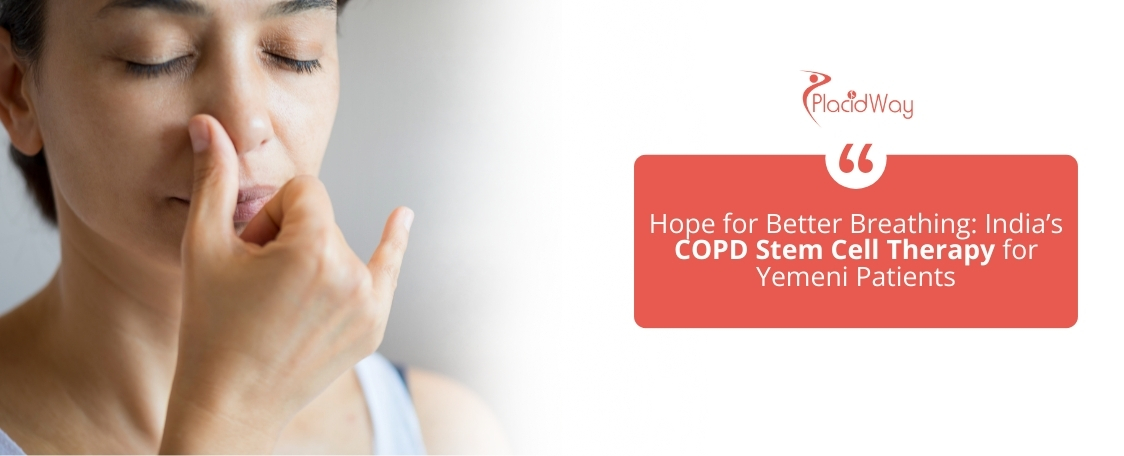
Living with Chronic Obstructive Pulmonary Disease (COPD) can be incredibly challenging, making every breath a struggle. For many, especially those in regions like Yemen where access to advanced medical care is limited, the hope for a better quality of life feels distant. COPD, a progressive lung disease, severely impacts daily activities and overall well-being. Traditional treatments often manage symptoms but don’t address the underlying damage to lung tissue, leaving many patients searching for more effective solutions.
Fortunately, advancements in regenerative medicine, particularly stem cell therapy, are offering a new beacon of hope. India has emerged as a leading destination for innovative medical treatments, including specialized COPD stem cell therapy. This revolutionary approach holds the potential to repair damaged lung cells, reduce inflammation, and significantly improve lung function. For Yemeni patients, India’s blend of cutting-edge technology, experienced medical professionals, and comparatively affordable care presents a viable pathway to regaining their breath and improving their health.
What is Chronic Obstructive Pulmonary Disease (COPD)?
Chronic Obstructive Pulmonary Disease (COPD) is a group of progressive lung diseases that block airflow and make it difficult to breathe. Emphysema and chronic bronchitis are the two most common conditions that contribute to COPD. Damage from COPD is often caused by long-term exposure to irritating gases or particulate matter, most often from cigarette smoke. Other risk factors include exposure to air pollution, chemical fumes, or dust.
Symptoms of COPD typically worsen over time and can include shortness of breath, coughing, wheezing, and tightness in the chest. These symptoms can severely limit a person’s ability to perform everyday activities, significantly impacting their quality of life. While there is no cure for COPD, conventional treatments focus on managing symptoms and slowing the progression of the disease. This often involves bronchodilators, steroids, oxygen therapy, and pulmonary rehabilitation. For many, these treatments offer limited relief, highlighting the need for more advanced and regenerative options.
How Does Stem Cell Therapy for COPD Work?
Stem cell therapy for COPD leverages the unique regenerative properties of stem cells, particularly mesenchymal stem cells (MSCs), to target the underlying damage in the lungs. MSCs are multipotent stromal cells that can differentiate into a variety of cell types, but more importantly for COPD, they possess powerful anti-inflammatory and immunomodulatory properties. These cells can be sourced from various tissues, such as bone marrow or adipose (fat) tissue, from the patient themselves (autologous) or from a healthy donor (allogeneic).
Once administered, typically intravenously or directly into the lungs, these stem cells migrate to areas of inflammation and tissue damage within the lungs. Here, they release growth factors, cytokines, and other bioactive molecules that help to reduce inflammation, suppress harmful immune responses, and stimulate the body’s own repair mechanisms. The goal is to promote the regeneration of healthy lung tissue, potentially restoring some lost lung function and improving the overall cellular environment within the lungs. This regenerative approach aims to go beyond symptom management, addressing the root causes of breathing difficulties.
What Are the Benefits of COPD Stem Cell Therapy for Patients?
Patients undergoing COPD stem cell therapy often report a range of significant improvements in their health and daily lives. The primary goal of this therapy is to address the cellular damage in the lungs, which can lead to tangible benefits:
- Improved Lung Function: Many patients experience an increase in lung capacity and efficiency, measured by tests like FEV1 (forced expiratory volume in 1 second). This means they can breathe more air in and out, making respiration easier.
- Reduced Breathlessness: One of the most debilitating symptoms of COPD is dyspnea (shortness of breath). Stem cell therapy aims to lessen this, allowing patients to engage in more physical activity with less discomfort.
- Decreased Frequency of Exacerbations: COPD exacerbations, or flare-ups, are periods of worsening symptoms that often require hospitalization. By reducing inflammation and promoting healing, stem cell therapy can help lower the incidence of these critical events.
- Enhanced Quality of Life: With improved breathing and fewer symptoms, patients often report a significant boost in their overall quality of life, allowing them to participate in activities they once found too challenging.
These benefits contribute to a more active and fulfilling life for individuals suffering from chronic respiratory conditions, offering a renewed sense of hope where traditional treatments may have fallen short.
Are Yemeni Patients Eligible for Stem Cell Treatment in India?
Eligibility for COPD stem cell therapy in India, including for Yemeni patients, is determined through a comprehensive medical evaluation by a team of specialists. This evaluation ensures that the treatment is safe and has the best potential for positive outcomes for the individual. General eligibility criteria often include a confirmed diagnosis of COPD, stable overall health, and the absence of certain contraindications.
The evaluation process typically involves a detailed review of medical history, current medications, previous treatments, and recent diagnostic tests such as lung function tests (spirometry), chest X-rays or CT scans, and blood tests. Specialists will assess the stage of COPD, the patient’s general health, and any co-existing medical conditions to determine if they are a suitable candidate. Clinics in India are well-equipped to manage international patients and facilitate these evaluations, often starting with remote consultations where patients can submit their medical records for an initial assessment before traveling.
What is the Typical Cost of COPD Stem Cell Therapy in India?
One of the significant advantages for Yemeni patients considering medical treatment abroad is the cost-effectiveness, and COPD stem cell therapy in India is no exception. While precise figures depend on various factors, the overall cost is considerably lower compared to similar treatments in Western countries like the United States or Europe, often representing a fraction of the price without compromising on quality.
Factors influencing the total cost include the specific medical facility chosen, the expertise of the medical team, the type and source of stem cells used (autologous vs. allogeneic), the number of cell administrations required, and the duration of the patient’s stay for treatment and recovery. This cost typically covers the medical procedures, hospital stay, consultation fees, and post-treatment follow-up for the duration of the trip. Patients should inquire about an all-inclusive package that covers these aspects to get a clear understanding of the financial commitment involved.
What is the Process for Yemeni Patients Seeking COPD Stem Cell Therapy in India?
The journey for a Yemeni patient to receive COPD stem cell therapy in India is usually a structured process designed to ensure a smooth and efficient experience. This process highlights India’s established medical tourism infrastructure:
- Initial Consultation and Medical Review: Patients typically begin by contacting a medical tourism facilitator or an Indian hospital directly. They submit their medical records, including diagnostic reports and current treatment plans, for an initial remote evaluation by specialists.
- Treatment Plan and Quotation: Based on the review, the medical team will propose a personalized treatment plan, including the recommended stem cell protocol, duration, and a detailed cost estimate.
- Visa Application and Travel Arrangements: Once the patient accepts the plan, assistance is often provided for obtaining a medical visa for India. Travel logistics, including flights and accommodation, are then coordinated.
- Arrival and On-site Evaluation: Upon arrival in India, the patient undergoes a thorough in-person medical examination and diagnostic tests to finalize the treatment plan and ensure their readiness for therapy.
- Stem Cell Therapy: The treatment procedure is then performed, which may involve multiple sessions depending on the protocol.
- Recovery and Follow-up: Patients remain in India for a period of recovery and initial follow-up. They receive instructions for post-treatment care and may have remote follow-ups once they return home.
This streamlined approach ensures that international patients, including those from Yemen, can access advanced medical care with minimal logistical hurdles, providing peace of mind throughout their medical journey.
What are the Potential Risks and Side Effects of Stem Cell Therapy for COPD?
Like any medical procedure, stem cell therapy for COPD carries potential risks and side effects, though it is generally considered safe, especially when performed in accredited facilities by experienced medical professionals. Most reported side effects are mild and temporary:
- Injection Site Discomfort: Patients might experience soreness, bruising, or swelling at the site where stem cells are harvested (if autologous) or injected.
- Fever or Flu-like Symptoms: A temporary low-grade fever, chills, or fatigue can occur shortly after the infusion, similar to a mild immune response.
- Allergic Reactions: Though rare, there is a possibility of an allergic reaction to the cellular product or components used in the preparation. This is carefully monitored by medical staff.
- Infection: As with any procedure involving injections, there’s a minimal risk of infection, which is mitigated by strict sterile protocols.
Long-term studies on COPD stem cell therapy are ongoing, and clinics prioritize patient safety through rigorous screening, precise administration techniques, and continuous monitoring. Patients are thoroughly informed about these potential risks during their consultation to make an informed decision about their treatment.
What is the Success Rate of COPD Stem Cell Therapy in India?
Defining “success” in the context of COPD stem cell therapy can be complex, as it’s often measured by improvements in various patient-reported outcomes and objective physiological markers rather than a complete cure. However, numerous studies and patient testimonials from clinics in India indicate positive results. Success is generally understood as a significant improvement in the patient’s condition, including:
- Reduced shortness of breath and coughing.
- Improved scores on lung function tests (e.g., FEV1, FVC).
- Increased exercise tolerance and physical activity.
- Fewer acute exacerbations of COPD.
- Overall enhancement in the patient’s quality of life, as measured by questionnaires.
It’s important to have realistic expectations; while some patients experience dramatic improvements, others may see more modest but still meaningful changes. The efficacy can depend on factors such as the severity of COPD, the patient’s overall health, the specific stem cell protocol used, and adherence to post-treatment care. Indian medical centers are at the forefront of this research and application, continually striving to optimize protocols and achieve the best possible outcomes for their patients.
Why Choose India for COPD Stem Cell Therapy as a Yemeni Patient?
For Yemeni patients, India has become a preferred destination for complex medical treatments like COPD stem cell therapy for several compelling reasons:
| Reason | Description |
|---|---|
| Advanced Medical Infrastructure | India boasts world-class hospitals equipped with state-of-the-art technology and modern facilities comparable to those in developed nations. |
| Highly Skilled Medical Professionals | Indian doctors and specialists are globally recognized for their expertise, often trained in Western countries, and have extensive experience in innovative treatments. |
| Cost-Effectiveness | Medical treatments in India are significantly more affordable than in many Western countries, making advanced therapies accessible without compromising quality. |
| Language and Hospitality | English is widely spoken in medical settings, and Indian hospitality ensures that international patients feel comfortable and well-cared for, often with dedicated international patient services. |
| Growing Expertise in Regenerative Medicine | India is a hub for research and application of regenerative therapies, offering pioneering treatments like stem cell therapy for various conditions, including COPD. |
These factors combine to create a compelling environment for medical tourists seeking specialized care. The opportunity to receive high-quality, advanced COPD stem cell therapy at a reasonable cost, coupled with comprehensive patient support, makes India an attractive and hopeful choice for individuals from Yemen.
What Post-Treatment Care and Follow-up are Necessary After COPD Stem Cell Therapy?
The journey to better breathing does not end with the stem cell therapy itself; post-treatment care and consistent follow-up are crucial for maximizing the long-term benefits of COPD stem cell therapy. Patients are provided with a detailed post-treatment plan before returning home, which typically includes:
- Regular Medical Check-ups: Scheduled visits with their local pulmonologist or general practitioner are essential to monitor lung function, assess symptom improvement, and address any new concerns.
- Adherence to Medication: Patients should continue to take any prescribed medications, such as bronchodilators or anti-inflammatory drugs, as directed by their doctors. Stem cell therapy often complements, rather than replaces, conventional treatments.
- Pulmonary Rehabilitation: Engaging in pulmonary rehabilitation programs can significantly enhance recovery by improving exercise tolerance, muscle strength, and breathing techniques.
- Lifestyle Modifications: Quitting smoking is paramount. Additionally, maintaining a healthy diet, regular moderate exercise, and avoiding exposure to lung irritants are vital for preserving lung health.
- Remote Consultations: Many Indian clinics offer the option for remote follow-up consultations via telemedicine, allowing patients from Yemen to stay connected with their treatment team for advice and monitoring.
Active participation in these post-treatment measures plays a key role in sustaining the positive effects of the therapy and improving overall health for years to come.
If you or a loved one are exploring advanced treatment options like COPD stem cell therapy in India, or other global healthcare solutions, PlacidWay can connect you with trusted clinics and provide comprehensive support for your medical travel journey. Visit PlacidWay to learn more and begin your path to better health.