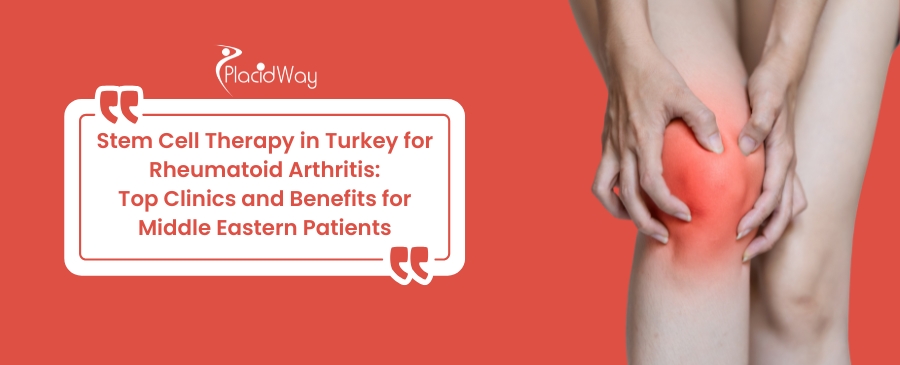
Stem cell therapy for rheumatoid arthritis in Turkey utilizes specialized cells to potentially modulate the immune system and reduce joint inflammation. While it is not a cure, many international patients travel to Turkish clinics seeking improved mobility and pain relief through regenerative protocols supervised by board-certified medical specialists.
Living with severe joint pain often prompts international patients to explore advanced regenerative medicine options abroad for potential relief. When evaluating treatment, it is important to research accredited Stem Cell Therapy Centers in Turkey that maintain strict Ministry of Health safety standards and employ highly qualified specialists. By carefully reviewing comprehensive Stem Cell Therapy Packages in Turkey that detail expected costs and transparent protocols, you can make a well-informed decision about managing your autoimmune condition.
Quick Summary
- Estimated Cost Typically ranges from $4,500 to $9,000 USD depending on the medical protocol.
- Safety Overview Regulated by the Turkish Ministry of Health requiring strict clinical and laboratory standards.
- Ideal Candidate Patients experiencing active rheumatoid arthritis seeking alternative options to manage joint inflammation.
- Recovery Time Usually involves a brief clinical observation period followed by a gradual return to light activities.
- Why Choose Turkey Offers modern medical infrastructure and experienced regenerative specialists at a competitive price point.
- Important Caution Results vary significantly between patients and this treatment does not cure rheumatoid arthritis.
How Stem Cell Therapy Works for Rheumatoid Arthritis Patients
Rheumatoid arthritis is a chronic autoimmune condition where the immune system mistakenly attacks healthy joint tissues. Stem cell therapy aims to introduce multipotent cells into the body to potentially modulate this immune response. These specialized cells may help reduce systemic inflammation and support the natural repair processes within damaged joints. Medical professionals typically harvest these cells from the patient’s own body tissue or utilize ethically sourced umbilical cord derivatives.
Once administered, these cells release specific proteins and growth factors that interact with the surrounding immune cells. This interaction can alter the inflammatory environment within the joint fluid. While researchers continue to study the long term efficacy of these treatments, many patients report a noticeable decrease in joint stiffness and pain following the procedure.
Mesenchymal stem cells are frequently utilized in autoimmune treatments because they possess unique immunomodulatory properties that can help calm an overactive immune system without aggressive immune suppression.
Primary Reasons Patients Choose Turkey for Autoimmune Treatments
Turkey has established a strong reputation in the global healthcare sector by heavily investing in modern medical infrastructure. Patients exploring regenerative therapies often find that Turkish hospitals offer access to state of the art laboratory facilities where cellular therapies are processed under strict quality controls. The integration of advanced biotechnology ensures that the cellular products meet rigorous international standards for viability and purity.
Another major factor driving this medical travel trend is the highly specialized training of Turkish rheumatologists and regenerative medicine experts. Many of these physicians have completed fellowships at prestigious international institutions and return to Turkey to implement evidence based protocols. Furthermore, the supportive healthcare ecosystem often provides comprehensive patient care packages that simplify the treatment process for those arriving from abroad.
Key Advantages
- Access to board certified specialists
- Regulated medical laboratory standards
- Multilingual patient coordination teams
- Comprehensive care management
Important Considerations
- Requires international travel planning
- Treatment outcomes vary by individual
- Multiple sessions may be necessary
- Post treatment monitoring requires coordination
International Patient Demographics and Travel Trends
The landscape of cross border healthcare has evolved significantly in recent years. Data published in 2025 indicates a steady rise in the number of individuals seeking specialized regenerative therapies abroad. Patients traveling to Turkey for autoimmune conditions predominantly originate from Europe, the Middle East, and North America. These patients are often motivated by the desire to access therapies that may be restricted, heavily waitlisted, or prohibitively expensive in their home healthcare systems.
Clinical registries highlight that a significant portion of these medical travelers fall between the ages of forty and sixty five. This demographic typically experiences progressive joint deterioration and actively seeks complementary approaches to traditional pharmacological management. Below is an overview of recent patient volume trends and age distributions for those pursuing regenerative therapies internationally.
Source: Global Health Travel Patient Mobility Report 2026
Source: International Registry for Joint Health Therapies 2025
Estimated Cost of Rheumatoid Arthritis Treatment in Turkey
Financial considerations play a major role when patients evaluate care options abroad. The total expense for therapy is influenced by several clinical variables, including the specific type of cells utilized, the method of administration, and the severity of the patient’s autoimmune condition. Furthermore, many clinics bundle their medical services into inclusive packages that cover laboratory testing, hospital fees, and clinical consultations.
Patients should request a detailed, itemized quote prior to confirming their medical travel arrangements. This transparency helps identify exactly what medical services are covered and prevents unexpected out of pocket expenses during the clinical stay. Reputable facilities will always provide a clear breakdown of professional fees versus facility charges.
| Medical Component | Estimated Cost Range USD |
|---|---|
| Initial Rheumatology Consultation | $150 – $300 |
| Diagnostic Imaging and Blood Work | $300 – $600 |
| Cellular Harvesting and Processing | $2,500 – $5,000 |
| Therapeutic Administration | $1,500 – $3,000 |
| Post Treatment Monitoring | $200 – $500 |
Global Price Comparison for Regenerative Joint Therapies
Understanding the broader market context helps patients recognize the value proposition offered by different medical destinations. The price disparity across countries is largely driven by differences in administrative overhead, medical liability insurance, and local healthcare economics. Despite offering more accessible pricing, leading Turkish facilities maintain parity with European clinical standards through rigorous national regulation.
When comparing destinations, patients must weigh the treatment cost against travel expenses, accommodation, and the availability of specialized aftercare. A lower initial price point should always be evaluated alongside the clinic’s verifiable safety record and the specialist’s medical credentials.
| Destination Country | Average Treatment Cost USD |
|---|---|
| United States | $12,000 – $25,000 |
| United Kingdom | $10,000 – $18,000 |
| Germany | $9,000 – $16,000 |
| Turkey | $4,500 – $9,000 |
| Mexico | $5,000 – $10,000 |
Choosing the Right Hospital for Stem Cell Treatments
Selecting an appropriate clinical facility is critical for ensuring patient safety and optimal therapeutic delivery. The Turkish Ministry of Health mandates strict licensing requirements for any hospital or clinic offering cellular therapies. Facilities must maintain specialized clean rooms and adhere to precise biological processing protocols to prevent contamination and preserve cell viability.
Patients should verify that a hospital holds the necessary national permits specifically for regenerative medicine applications. In addition to local licensing, many top tier hospitals achieve voluntary national accreditation which serves as a secondary indicator of sustained clinical excellence and robust quality assurance mechanisms.
Hospital Verification Checklist
- Verify the facility holds an active Ministry of Health operating license.
- Confirm the laboratory possesses specific certification for cell culturing.
- Ask about the hospital’s emergency response capabilities.
- Inquire if the clinical staff provides comprehensive translation services.
Evaluating Doctor Credentials and Medical Board Certifications
The expertise of the administering physician directly impacts the safety and potential efficacy of the therapy. Patients should seek out doctors who are actively registered with the Turkish Medical Association and hold board certification in relevant specialties such as rheumatology, orthopedics, or immunology. A specialist’s depth of experience in managing complex autoimmune profiles is essential for developing a safe treatment plan.
It is entirely appropriate for patients to request documentation of a doctor’s specific training in cellular therapies. Experienced specialists will readily share their clinical backgrounds, fellowship training details, and their historical case volumes concerning similar autoimmune conditions.
Always exercise caution if a clinic refuses to provide the full name and verifiable medical credentials of the specialist who will perform your procedure. Transparency is a fundamental hallmark of trustworthy healthcare providers.
Expected Recovery Timeline Following the Procedure
The immediate recovery period following this outpatient procedure is generally manageable, but it requires adherence to specific clinical guidelines. Patients may experience mild soreness or localized swelling at the injection or harvest sites. Physicians typically advise against strenuous physical activity during the initial weeks to allow the body to adjust to the cellular introduction and minimize physical stress on the treated joints.
Longer term recovery involves monitoring the subtle changes in joint mobility and systemic inflammation. Because cellular therapies aim to modulate underlying biological processes, the potential clinical benefits may develop gradually over several months rather than offering instantaneous relief.
| Timeframe | Biological Process | Patient Sensation | Activity Level |
|---|---|---|---|
| Days 1 to 3 | Initial cellular response | Mild fatigue and localized soreness | Strict rest and minimal exertion |
| Weeks 1 to 2 | Reduction in acute inflammation | Gradual easing of post procedure stiffness | Light daily activities only |
| Weeks 3 to 6 | Ongoing immunomodulation | Potential baseline pain reduction | Structured physical therapy initiation |
| Months 2 to 6 | Long term cellular interaction | Potential improvement in joint mobility | Return to normalized low impact activities |
Important Safety Considerations and Potential Risks
While regenerative medicine offers promising avenues for managing autoimmune distress, it is crucial to approach treatment with a realistic understanding of potential medical risks. Any invasive procedure carries a baseline risk of infection, bleeding, or adverse reactions to localized anesthesia. The processing of biological materials also necessitates strict sterile techniques to prevent the introduction of pathogens.
Furthermore, patients must understand that cellular therapies do not guarantee a specific clinical outcome. The biological response varies drastically based on a patient’s age, disease duration, and overall immunological health. Comprehensive pre treatment screening is vital to identify any contraindications that might elevate the risk of a negative systemic reaction.
| Potential Risk | Clinical Prevention Strategy |
|---|---|
| Site Infection | Utilization of sterile clean rooms and prophylactic antibiotics if indicated. |
| Immune Reaction | Rigorous pre screening and precise cellular matching protocols. |
| Therapeutic Failure | Careful patient selection and setting realistic clinical expectations. |
| Bleeding Complications | Thorough review of patient blood profiles and medication history. |
Steps to Prepare for Your Medical Journey to Turkey
Proper logistical and medical preparation ensures a seamless experience when traveling across borders for care. Begin by compiling a comprehensive medical dossier that includes recent diagnostic images, detailed blood panels, and a complete history of previous pharmacological treatments. Providing this information to the Turkish medical team in advance allows them to tailor their clinical approach to your specific health profile.
Beyond medical records, patients must organize their travel documentation, including securing any necessary medical visas. Coordinating travel dates with the clinic ensures that adequate time is allocated for pre procedural consultations, the treatment itself, and the essential post procedural observation window before flying home.
- Compile all medical records securely for international transfer.
- Schedule an initial virtual consultation to discuss treatment viability.
- Confirm visa requirements and medical travel insurance coverage.
- Arrange local accommodation near the hospital for easy clinical access.
Turkish Ministry of Health Regulations and Clinic Guidelines
The regulatory framework governing biological treatments in Turkey is designed to protect patient safety while fostering medical innovation. The Ministry of Health enforces strict guidelines regarding how biological tissues are collected, handled, and administered. Clinics must pass routine governmental inspections to maintain their specialized operating licenses.
These regulations ensure that experimental or unverified methodologies are restricted from general clinical practice. By adhering to these national standards, licensed healthcare facilities provide a structured environment that prioritizes evidence based protocols over aggressive commercial marketing.
Only consider facilities that openly discuss their compliance with Ministry of Health regulations. A reputable clinic will readily explain how their safety protocols align with national healthcare laws.
Long Term Management of Rheumatoid Arthritis After Treatment
Regenerative therapy should be viewed as one component of a broader, comprehensive disease management strategy rather than an isolated cure. Following treatment in Turkey, patients must continue regular consultations with their primary rheumatologist back home. Ongoing monitoring of inflammatory markers and joint function remains essential for assessing the therapy’s long term impact.
Incorporating lifestyle modifications also plays a crucial role in maintaining joint health. A dedicated physical therapy regimen helps preserve mobility and strengthen the supporting musculature around affected joints. Additionally, anti inflammatory dietary adjustments can complement the systemic effects of the cellular therapy.
- Maintain scheduled follow up appointments with a local rheumatologist.
- Commit to a tailored physical therapy program for joint stability.
- Monitor for any sudden changes in joint inflammation or systemic fatigue.
- Discuss all ongoing prescription medications with your healthcare provider.
Frequently Asked Questions About Stem Cell Therapy in Turkey
Is stem cell therapy a permanent cure for rheumatoid arthritis?
No, this therapy is not a permanent cure. It is designed to potentially modulate the immune system and reduce joint inflammation, but patients must continue long term management of their autoimmune condition.
How do I know if I am a good candidate for treatment in Turkey?
Ideal candidates are typically those with active rheumatoid arthritis seeking alternative pain management. A board certified specialist must review your comprehensive medical history and current diagnostic imagery to determine your specific eligibility.
What type of cells are used for autoimmune conditions in Turkish clinics?
Clinics primarily utilize mesenchymal stem cells harvested either from the patient’s own adipose tissue or from ethically sourced umbilical cord tissue, depending on the specific medical protocol prescribed by the doctor.
Are stem cell treatments regulated by the Turkish government?
Yes, all facilities offering these biological procedures must be strictly regulated and licensed by the Turkish Ministry of Health, ensuring they adhere to rigorous national clinical and laboratory safety standards.
How long do I need to stay in Turkey for the procedure?
Patients generally need to stay in the country for five to ten days. This timeframe allows for initial consultations, necessary laboratory testing, the procedure itself, and a mandatory post treatment observation period.
Will I need to stop my current arthritis medications before the procedure?
You must discuss your current medication regimen with both your local rheumatologist and your specialist in Turkey. Never alter or discontinue prescription medications without explicit medical guidance from a qualified doctor.
What are the most common side effects after the therapy?
Common side effects may include temporary localized swelling, mild soreness at the injection site, and mild fatigue. Serious complications are uncommon when the procedure is performed in a regulated, sterile hospital environment.
How soon can I expect to see improvements in my joint pain?
Because the biological process takes time to modulate inflammation, potential improvements typically develop gradually over several weeks to a few months, rather than providing immediate pain relief.
Are the quoted package costs typically all inclusive?
While many clinics offer comprehensive packages, you must request an itemized quote to confirm if accommodations, airport transfers, specific laboratory tests, and post procedure medications are included in the final price.
Can I travel alone for this medical procedure?
While you can travel alone, it is highly recommended to bring a companion for support. The initial recovery days require strict rest, and having assistance can make the logistical aspects of medical travel much easier.
PlacidWay can help you compare reputable providers, clearly understand treatment costs, ask the right medical questions, and request detailed information directly from top clinics in Turkey.
Related Stem Cell Therapy Resources on PlacidWay
Disclaimer: This information is for educational purposes only and does not replace professional medical advice. Always consult a qualified healthcare provider before making medical decisions.
References
- Rheumatoid Arthritis Overview – American College of Rheumatology
- Mesenchymal Stem Cells in Autoimmune Diseases – National Institutes of Health
- Healthcare Regulations and Patient Safety – Ministry of Health Republic of Turkey
- Understanding Cellular Therapy Standards – International Society for Cell & Gene Therapy
- Clinical Outcomes of Cell Therapies in Joint Inflammation – PubMed Research 2024
- Global Data on Rheumatoid Arthritis – World Health Organization