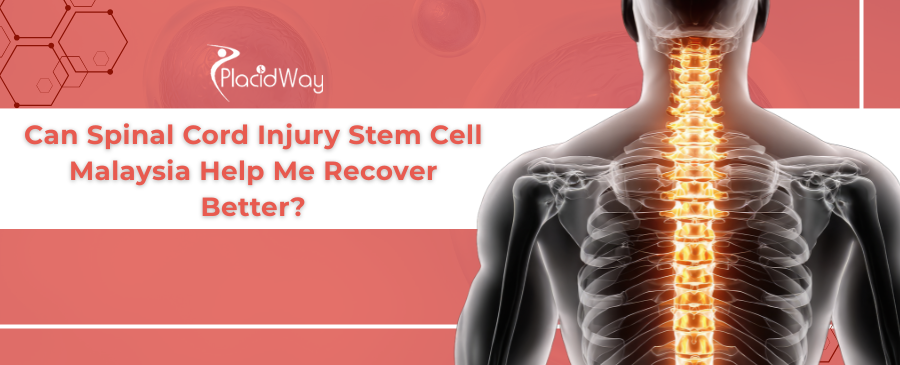
Stem cell therapy for brain injury in Malaysia aims to support neuroregeneration and reduce inflammation in the brain. Patients typically undergo a comprehensive medical evaluation to determine eligibility before receiving targeted stem cell infusions. Treatment protocols are administered in licensed medical facilities adhering to strict national healthcare regulations.
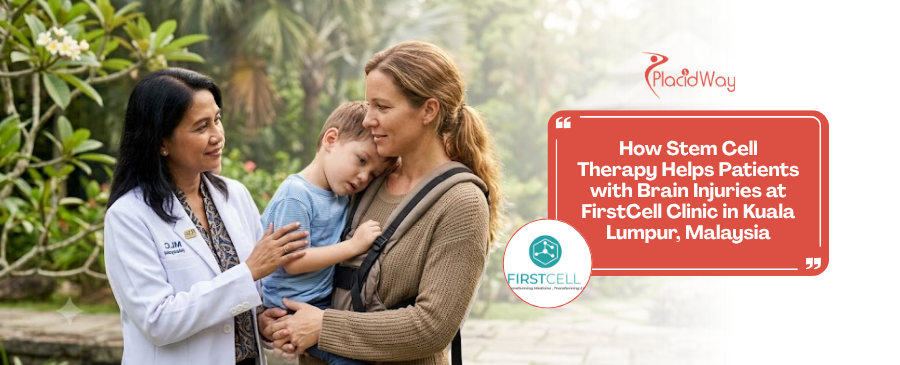
Patients exploring neurological recovery options often research Stem Cell Therapy protocols to understand potential outcomes and procedure safety. When evaluating this treatment it is crucial to verify clinic credentials such as Ministry of Health Malaysia approvals and review the overall costs involved. Many international patients choose Stem Cell Therapy Centers in Malaysia because of the advanced medical infrastructure and experienced specialists operating in Kuala Lumpur.
Quick Facts About Stem Cell Therapy for Brain Injury in Malaysia
- Estimated Cost Usually ranges from $15000 to $25000 depending on the specific medical protocol
- Safety Overview Highly regulated by the Ministry of Health Malaysia ensuring strict clinical standards
- Ideal Candidate Patients with traumatic or acquired brain injuries seeking supportive neuroregenerative care
- Recovery Time Initial recovery takes a few days with ongoing monitoring required over several months
- Why Choose Malaysia Advanced medical technology combined with cost effective care in Kuala Lumpur
- Important Caution Stem cell therapy is supportive and clinical outcomes vary significantly per patient
Introduction to Stem Cell Treatment for Brain Injury in Malaysia
Neurological injuries present complex challenges that require comprehensive care and long term rehabilitation. In recent years regenerative medicine has emerged as a supportive approach for patients dealing with the aftermath of traumatic and acquired brain injuries. Malaysia has established itself as a prominent regional hub for these advanced medical protocols combining modern healthcare infrastructure with highly regulated clinical environments.
Patients and their families often seek care in Kuala Lumpur to access multidisciplinary medical teams capable of delivering targeted cellular therapies. The primary goal of these treatments is not to guarantee a complete cure but rather to modulate inflammation protect existing neural pathways and potentially stimulate the body’s natural healing mechanisms.
- Advanced medical infrastructure available in major cities like Kuala Lumpur
- Strict oversight by the Ministry of Health Malaysia ensuring high clinical safety standards
- Access to internationally trained neurologists and regenerative medicine specialists
- Comprehensive care models that integrate cellular therapy with intensive physical rehabilitation
- Cost effective treatment options compared to Western healthcare systems
How Stem Cells Support Neurological Healing
Mesenchymal stem cells are frequently utilized in supportive therapies for brain injuries due to their unique biological properties. When introduced into the body these cells can migrate toward areas of tissue damage and release neurotrophic factors. These specific proteins support the survival of existing neurons and encourage the repair of damaged neural networks.
Additionally stem cells possess strong immunomodulatory capabilities. Following a brain injury the body often triggers an excessive inflammatory response that can cause secondary damage to healthy brain tissue. By helping to regulate this inflammation stem cell therapy may create a more favorable environment for neurological recovery and ongoing rehabilitation efforts.
Medical Tip Always ensure that the stem cells used in your treatment are ethically sourced cultured in certified laboratories and approved by Malaysian regulatory bodies for clinical application.
Patient Demographics and Travel Trends to Malaysia
Malaysia attracts thousands of international patients annually for specialized medical treatments including regenerative medicine. Documented demographic data from 2024 highlights that the majority of patients traveling for stem cell therapy originate from neighboring Southeast Asian nations as well as Australasia and the Middle East. Patients typically range in age from young adults recovering from sports or motor vehicle accidents to older adults seeking supportive care for stroke related brain injuries.
The decision to travel is heavily influenced by the availability of specialized treatment protocols that might not be accessible or affordable in the patient’s home country. The combination of accredited hospitals transparent pricing and multilingual medical staff makes Malaysia an accommodating destination for complex medical journeys.
Source 2024 Asia Pacific Medical Tourism Demographic Health Report
Assessing Your Eligibility for Stem Cell Therapy
Not every patient with a brain injury is a suitable candidate for stem cell treatment. Eligibility is determined through a rigorous medical evaluation conducted by qualified neurologists and regenerative medicine specialists in Malaysia. The assessment focuses on the type of injury the time elapsed since the trauma occurred and the patient’s overall physical health.
Doctors will typically review recent MRI or CT scans comprehensive blood panels and detailed medical histories. Patients with active infections severe underlying systemic diseases or certain types of malignancies may be advised against undergoing cellular therapy.
| Assessment Criteria | Favorable Indicators | Potential Contraindications |
|---|---|---|
| Time Since Injury | Treatment initiated during the stable chronic phase | Acute phase with active brain bleeding |
| General Health | Stable vital signs and no active infections | Severe immunodeficiency or active sepsis |
| Neurological Status | Documented stable neurological baseline | Rapidly deteriorating neurological function |
| Patient Expectations | Understanding treatment is supportive not a guaranteed cure | Expecting immediate or complete reversal of symptoms |
Step by Step Treatment Process in Kuala Lumpur
The journey for international patients requires careful planning and coordination. Reputable clinics in Kuala Lumpur usually assign a dedicated medical coordinator to guide patients through each phase of the process. This ensures clear communication and a structured approach to care from the initial virtual consultation to post treatment follow up.
Once in Malaysia the process begins with comprehensive in person diagnostics. Following medical clearance the actual administration of stem cells is typically performed via intravenous infusion or specialized localized injections depending on the neurologist’s protocol. The procedure is generally minimally invasive and performed in a highly monitored clinical setting.
- Initial Telemedicine Consultation Case review and preliminary eligibility check
- Travel and Arrival Airport transfer and hotel accommodation coordination
- In Person Diagnostics Blood tests imaging and final neurologist assessment
- Cellular Administration Monitored infusion process in a sterile clinical environment
- Observation Period Medical monitoring for potential immediate reactions
- Discharge and Aftercare Provision of follow up guidelines and rehabilitation plans
Safety Regulations and Healthcare Standards in Malaysia
Malaysia is widely recognized for its stringent healthcare regulations which provide a layer of security for international patients. The Ministry of Health Malaysia actively regulates the practice of regenerative medicine through specific national guidelines. Facilities offering stem cell therapies must obtain specialized licenses and adhere to strict laboratory standards for cell culturing and handling.
Before committing to treatment patients should verify that the clinic operates under the purview of the Malaysian Medical Council and complies with the National Standards for Stem Cell Transplantation. These regulatory frameworks ensure that treatments are administered ethically safely and under appropriate medical supervision.
Important Warning Avoid clinics that promise guaranteed cures or fail to provide transparent information about the source and type of stem cells being used. Legitimate medical providers will always emphasize the supportive nature of this therapy.
Estimated Cost of Stem Cell Therapy for Brain Injury in Malaysia
Cost is a primary factor driving medical tourism to Malaysia. While prices vary depending on the specific clinical protocol the number of cell infusions required and the patient’s unique medical condition treatment in Kuala Lumpur remains highly competitive. The comprehensive nature of the medical packages often provides excellent value for international patients.
Patients must request an itemized quote during their initial consultation to understand exactly what is included. Reputable clinics will clearly outline the costs associated with diagnostics the cellular product the medical procedure and post treatment observation.
| Treatment Component | Estimated Cost in USD |
|---|---|
| Pre Treatment Medical Evaluation and Imaging | $800 to $1500 |
| Stem Cell Culturing and Laboratory Processing | $8000 to $12000 |
| Medical Administration and Specialist Fees | $4000 to $7000 |
| Hospital Stay and Clinical Monitoring | $1500 to $3000 |
| Post Treatment Medications and Initial Rehab | $700 to $1500 |
Cost Comparison with Other Medical Tourism Destinations
When evaluating international options patients often compare Malaysia with other prominent medical tourism hubs. The cost effectiveness in Malaysia is largely due to favorable exchange rates and a government supported healthcare infrastructure that actively promotes medical tourism without compromising clinical quality.
Compared to Western countries the financial savings can be substantial often reducing the total financial burden by more than half. This allows patients to allocate remaining funds toward long term physical therapy and necessary home modifications.
| Treatment Destination | Estimated Total Cost Range in USD |
|---|---|
| Malaysia | $15000 to $25000 |
| United States | $35000 to $65000 |
| United Kingdom | $30000 to $55000 |
| Australia | $28000 to $50000 |
Choosing the Right Hospital for Neurological Care
Selecting the appropriate medical facility is the most critical decision a patient will make. In Malaysia you can choose between large multidisciplinary private hospitals and specialized regenerative medicine boutique clinics. Large hospitals offer the advantage of having comprehensive emergency care and intensive care units on site which is vital for patients with complex brain injuries.
When evaluating providers look for facilities that feature dedicated neurology departments in house rehabilitation centers and transparent medical tourism support services. Reviewing the hospital’s historical case volume for neurological stem cell therapies can also provide insight into their level of clinical experience.
Large Private Hospitals
- On site Intensive Care Units
- Multidisciplinary medical teams
- Comprehensive diagnostic imaging centers
Specialized Boutique Clinics
- Highly personalized patient care
- Dedicated focus on regenerative medicine
- Streamlined consultation processes
How to Verify Surgeon and Specialist Credentials
The success and safety of your treatment rely heavily on the expertise of the medical team. In Malaysia specialists must undergo rigorous training and credentialing. It is highly recommended to confirm that your primary treating physician is a board certified neurologist or a specialist with documented training in cellular therapies.
Patients can independently verify a doctor’s credentials by checking their registration status with the Malaysian Medical Council and the National Specialist Register. Furthermore hospitals accredited by the Malaysian Society for Quality in Health demonstrate a commitment to maintaining high standards of clinical excellence.
- Confirm active registration with the Malaysian Medical Council
- Check specialist status on the National Specialist Register
- Review the doctor’s specific experience with neurological cases
- Ask about the medical team’s protocol for managing potential complications
Expected Recovery Timeline Following Stem Cell Therapy
Recovery following stem cell therapy for a brain injury is a gradual and highly individualized process. Because the treatment aims to modulate the brain’s internal environment and support cellular repair results are rarely immediate. Patients require ongoing medical evaluation and intensive physical rehabilitation to maximize potential benefits.
During the initial weeks post treatment patients may experience mild fatigue as the body adjusts. Clinical improvements if they occur typically manifest slowly over several months as inflammation subsides and neural pathways potentially strengthen.
| Timeframe | Biological or Clinical Process | Patient Sensation | Activity Level | Action Required |
|---|---|---|---|---|
| Days 1 to 3 | Initial cellular integration and immune modulation | Mild fatigue or mild headache | Strict rest and minimal exertion | Follow clinical observation protocols |
| Weeks 1 to 4 | Reduction of systemic and localized neuroinflammation | Gradual return of baseline energy | Light assisted daily activities | Begin gentle prescribed physical therapy |
| Months 2 to 4 | Ongoing neurotrophic support and tissue repair processes | Potential subtle cognitive or motor shifts | Structured rehabilitation exercises | Maintain rigorous physical and occupational therapy |
| Months 5 to 6 | Stabilization of cellular support environment | Variable depending on initial injury severity | Progressive daily activity integration | Schedule follow up neurological imaging |
Potential Risks and Important Medical Considerations
While stem cell therapy is generally well tolerated when performed in regulated environments it is not entirely risk free. As with any medical procedure involving infusions or injections there is a small risk of infection bleeding or localized pain at the administration site. For neurological applications the medical team must carefully monitor the patient for any adverse immune reactions.
It is vital that patients disclose their complete medical history prior to treatment. Transparent communication allows the medical team to implement preventative strategies and adjust treatment protocols to ensure the highest level of patient safety.
| Potential Risk | Clinical Prevention Strategy |
|---|---|
| Site Infection | Strict adherence to sterile clinical administration protocols |
| Immune Reaction | Comprehensive pre treatment blood screening and compatibility testing |
| Transient Fever | Careful vital sign monitoring and appropriate medical management |
| Unmet Expectations | Thorough pre treatment counseling on realistic supportive outcomes |
Clinical Outcomes and Medical Research
Current clinical research regarding stem cell therapy for brain injuries focuses largely on its safety and its ability to reduce neuroinflammation. Observational data from recent years suggests that a subset of patients may experience modest improvements in motor function or cognitive clarity particularly when cellular therapy is combined with intensive physical rehabilitation.
However medical literature emphasizes that outcomes are highly variable. The therapy is currently viewed by regulatory bodies as a supportive measure rather than a primary curative treatment. Continuous monitoring and participation in structured clinical registries help the medical community better understand the long term efficacy of these protocols.
Source 2024 Asian Clinical Registry of Regenerative Neurology Outcomes
Integrating Rehabilitation with Stem Cell Treatment
Stem cell therapy is most effective when integrated into a broader multidisciplinary rehabilitation program. The cellular treatment aims to create a more favorable biological environment in the brain but the physical rebuilding of neural pathways requires active stimulation through targeted exercises.
Many top hospitals in Kuala Lumpur offer comprehensive packages that include post treatment rehabilitation sessions. These sessions are crucial for encouraging neuroplasticity the brain’s ability to reorganize itself by forming new neural connections in response to learning and experience.
- Physical Therapy Focuses on improving motor control balance and muscle strength
- Occupational Therapy Helps patients regain independence in daily living activities
- Speech and Language Therapy Addresses communication challenges and swallowing difficulties
- Cognitive Rehabilitation Targeted exercises to improve memory focus and problem solving skills
Visa Requirements and Travel Planning for Malaysia
Preparing for medical travel requires careful logistical planning particularly for patients with limited mobility or neurological deficits. Malaysia offers visa free entry for citizens of many countries for short stays which greatly simplifies the initial travel process. However patients requiring extended treatment or rehabilitation may need to apply for a specific Medical Treatment Visa.
It is highly advisable to coordinate travel plans through your chosen hospital’s international patient department. They can provide official medical invitation letters assist with specialized airport transfers and recommend accessible accommodations close to the clinical facility.
Medical Tip Always secure comprehensive travel health insurance that explicitly covers emergency medical evacuation and complications arising from planned medical procedures abroad.
Managing Long Term Follow Up Care Back Home
The completion of your treatment in Malaysia is only the beginning of the recovery phase. Establishing a reliable long term follow up plan with your local healthcare providers is essential for monitoring progress and adjusting rehabilitation strategies. Before leaving Kuala Lumpur ensure you receive all medical records imaging files and detailed treatment reports translated into English.
Many Malaysian specialists offer telemedicine consultations to monitor international patients after they return home. Maintaining open communication between your local neurologist and the treating specialist in Malaysia ensures continuity of care and maximizes the potential benefits of the therapy.
Frequently Asked Questions About Stem Cell Therapy for Brain Injury in Malaysia
Is stem cell therapy a guaranteed cure for brain injury?
No stem cell therapy is not a guaranteed cure. It is considered a supportive treatment designed to modulate inflammation and potentially encourage natural neural repair mechanisms. Outcomes vary widely among patients based on the severity and age of the injury.
What types of stem cells are commonly used in Malaysia?
Clinics in Malaysia typically use mesenchymal stem cells ethically sourced from umbilical cord tissue or the patient’s own bone marrow or adipose tissue. The specific type depends on the doctor’s protocol and the patient’s medical condition.
How long do I need to stay in Kuala Lumpur for treatment?
Patients are usually advised to plan for a stay of 10 to 14 days. This timeframe allows for initial consultations medical testing the administration procedure and a few days of vital post treatment observation before flying.
Is stem cell treatment in Malaysia safe?
When performed in licensed hospitals regulated by the Ministry of Health Malaysia the treatment is generally safe. However all medical procedures carry inherent risks and it is crucial to undergo a thorough medical evaluation prior to treatment.
Are the costs of treatment covered by health insurance?
Most international health insurance plans consider stem cell therapy for brain injuries to be experimental or elective and do not cover the costs. Patients should be prepared to cover the expenses out of pocket.
Can children with brain injuries receive this treatment?
Treatment for pediatric patients is highly regulated and depends entirely on the specific diagnosis and pediatric neurologist assessments. Only highly specialized facilities are authorized to evaluate and treat minors.
How are the stem cells administered for neurological conditions?
Stem cells are most commonly administered through a controlled intravenous infusion. In some specific neurological protocols doctors may use intrathecal administration though this depends heavily on the patient’s unique medical requirements.
Will I need multiple treatment sessions?
Many clinical protocols involve a single comprehensive treatment cycle however some patients may be advised to return for follow up sessions several months later depending on their initial biological response and ongoing recovery goals.
What should I bring to my initial medical consultation?
You should provide all recent medical records including MRI or CT scans comprehensive blood test results a detailed history of the injury and a list of all current medications and previous rehabilitation efforts.
How soon can I fly after receiving stem cell therapy?
Doctors typically recommend waiting at least 3 to 5 days after the final administration before undertaking a long distance flight. This allows the medical team to monitor you for any immediate adverse reactions or transient fevers.
PlacidWay can help you compare highly rated medical providers understand treatment costs ask the right questions and review your medical options safely.
Related Stem Cell Therapy Resources
Disclaimer: This information is for educational purposes only and does not replace professional medical advice. Always consult a qualified healthcare provider before making medical decisions.
References
- Clinical Trials on Stem Cells for Brain Injuries – US National Library of Medicine
- Neurological Disorders Public Health Challenges – World Health Organization
- Mesenchymal Stem Cells in Traumatic Brain Injury – National Center for Biotechnology Information
- Medical Practice Division and Regulations – Ministry of Health Malaysia
- Medical Professional Registration and Standards – Malaysian Medical Council
- Healthcare Accreditation Standards – Malaysian Society for Quality in Health