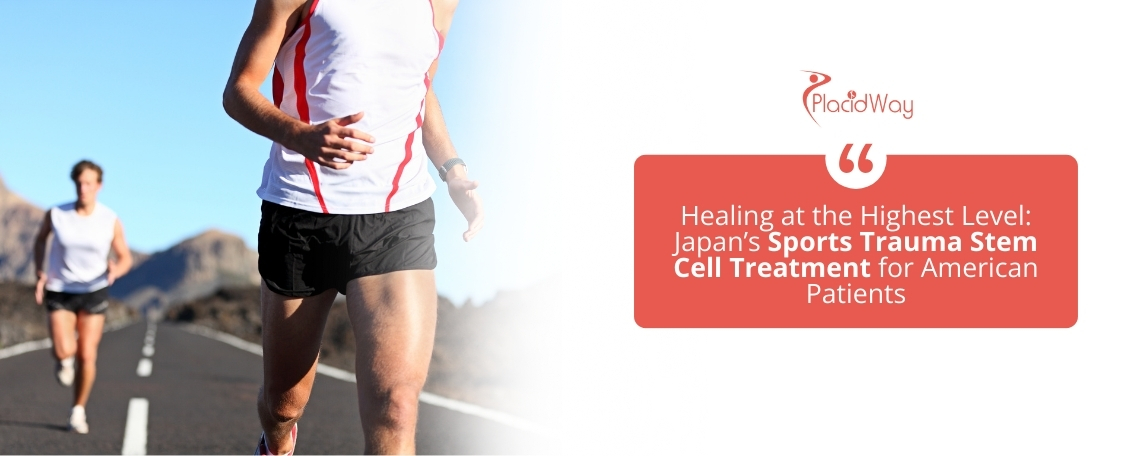
Welcome to a conversation about groundbreaking advancements in healing, especially for those sidelined by sports injuries. If you’re an athlete or active individual in America dealing with persistent pain or slow recovery from a sports-related trauma, you might feel like you’ve exhausted all your options. Traditional treatments often involve lengthy rehabilitation, painful surgeries, or continuous medication, sometimes with limited long-term success. However, a new horizon of healing is opening up, and it’s drawing the attention of many seeking superior care: Japan’s sports trauma stem cell treatment.
For American patients, the prospect of traveling abroad for specialized medical procedures, particularly for innovative **regenerative medicine**, is becoming increasingly appealing. Japan has positioned itself as a global leader in stem cell research and clinical applications, offering advanced therapies that promise accelerated healing and a return to peak performance. This detailed guide aims to answer your most pressing questions about accessing these cutting-edge treatments, helping you understand why so many are looking to Japan for their path to recovery.
What exactly is Japan’s Sports Trauma Stem Cell Treatment?
Japan’s sports trauma stem cell treatment represents a significant leap forward in addressing chronic and acute musculoskeletal injuries that commonly affect athletes. This innovative approach focuses on the body’s natural ability to heal by harnessing the power of stem cells. Primarily, these treatments utilize mesenchymal stem cells (MSCs), which are multipotent stromal cells that can differentiate into various cell types, including bone, cartilage, muscle, and fat cells.
The core principle involves isolating these powerful cells, often from the patient’s own bone marrow or adipose (fat) tissue, and then expanding them in a laboratory setting to create a highly concentrated dose. Once ready, these stem cells are precisely injected into the injured area. Their role is to reduce inflammation, promote the regeneration of damaged tissues, and modulate the immune response, leading to more robust and often faster healing compared to conventional therapies.
Japan has become a frontrunner in this field due to its progressive regulatory framework that supports the rapid clinical translation of stem cell research. This environment allows for the development and application of advanced protocols that are often more accessible and refined than in other parts of the world, offering new hope for complex sports injuries.
Why are American Patients Traveling to Japan for Stem Cell Treatment?
The decision for American patients to seek stem cell treatment in Japan is driven by several compelling factors. Firstly, Japan’s regulatory system, particularly through its Pharmaceuticals and Medical Devices Agency (PMDA), has adopted an expedited approval pathway for regenerative medicine products. This allows cutting-edge therapies, like expanded stem cell treatments, to be offered in clinics much faster than in many other countries, including the United States, where regulations can be more restrictive and slow-moving.
Secondly, Japan is home to some of the world’s leading research institutions and clinics specializing in regenerative medicine. These facilities often boast state-of-the-art technology and highly experienced specialists who have been at the forefront of stem cell research for decades. This combination of advanced infrastructure and expertise instills confidence in patients seeking the highest standard of care.
Finally, for many American patients, the availability of specific advanced **regenerative therapies** in Japan offers a solution when domestic options are limited or have not yielded satisfactory results. This proactive medical tourism approach allows individuals to access treatments that might otherwise be years away from widespread availability in their home country, providing a unique opportunity for accelerated and comprehensive recovery from sports trauma.
Which Sports Injuries Can Be Treated with Stem Cell Therapy in Japan?
Stem cell therapy in Japan is showing promising results for a wide range of sports injuries, especially those that are chronic, debilitating, or have limited healing capacity with traditional methods. The regenerative capabilities of stem cells make them particularly effective in repairing tissues that are often difficult to mend.
Common sports-related conditions that can benefit from Japan’s sports trauma stem cell treatment include:
- Chronic Tendonitis and Tendinosis: Conditions like Achilles tendonitis, patellar tendonitis (jumper’s knee), and rotator cuff tendinosis, which are characterized by inflammation and degeneration of tendons.
- Ligament Tears: Partial tears of major ligaments such as the anterior cruciate ligament (ACL), medial collateral ligament (MCL), or lateral collateral ligament (LCL), where surgery might be avoidable or recovery can be accelerated.
- Cartilage Damage and Osteoarthritis: Injuries to joint cartilage, particularly in the knee, hip, and shoulder, which can lead to pain, stiffness, and the progression of osteoarthritis. Stem cells can promote cartilage regeneration and reduce inflammation.
- Muscle Strains and Tears: While acute muscle tears often heal well, chronic or severe strains can benefit from stem cell injections to enhance repair and minimize scar tissue formation.
- Meniscus Tears: Some types of meniscus tears, particularly degenerative ones, can be helped by stem cell therapy to promote healing and alleviate pain.
These therapies aim to not only alleviate symptoms but also address the underlying tissue damage, offering a more complete and lasting recovery for athletes and active individuals seeking to overcome their sports trauma.
How Does Stem Cell Treatment for Sports Trauma Work in Japan?
The mechanism behind stem cell treatment for sports trauma in Japan is rooted in the powerful regenerative and anti-inflammatory properties of specific cell types, most commonly autologous mesenchymal stem cells (MSCs). “Autologous” means the cells are harvested from the patient’s own body, which minimizes the risk of rejection or adverse immune reactions.
The general procedure involves several key steps:
- Harvesting: A small sample of tissue, usually bone marrow (from the hip bone) or adipose (fat) tissue (from the abdomen or thigh), is collected. This is a minimally invasive procedure performed under local anesthesia.
- Processing and Culturing: The harvested tissue is sent to a specialized laboratory where the MSCs are isolated and then cultured. This culturing process allows for the expansion of the cell population, producing a much higher concentration of therapeutic cells than would be available directly from the initial harvest. This step is crucial for maximizing efficacy.
- Injection: Once the optimal number of stem cells has been grown, they are prepared for injection. Using advanced imaging guidance (such as ultrasound or fluoroscopy), the highly concentrated stem cell solution is precisely injected directly into the injured or damaged area of the body.
Once injected, these MSCs release growth factors and cytokines that stimulate local cells to regenerate, reduce inflammation, modulate immune responses, and promote the formation of new, healthy tissue. This comprehensive approach facilitates repair and regeneration, helping athletes recover from their sports injuries more effectively.
What is the Process for American Patients Seeking Stem Cell Treatment in Japan?
For American patients interested in Japan’s sports trauma stem cell treatment, the process is streamlined to ensure a smooth and effective medical journey. It typically involves several stages, often with the support of medical tourism facilitators to navigate international logistics.
Here’s a general outline of the process:
| Step | Description |
|---|---|
| Initial Consultation & Eligibility | Patients submit medical records (MRI, X-rays, doctor’s reports) for remote review by a Japanese specialist. This determines eligibility for **stem cell treatment for sports injuries**. |
| Treatment Plan & Quotation | If eligible, a personalized treatment plan is proposed, detailing the type of **stem cell therapy**, duration, and estimated costs. |
| Travel & Accommodation Planning | Patients arrange travel to Japan, including visas (if necessary), flights, and accommodation. Medical tourism agencies can assist with these logistics, including language support. |
| Pre-Treatment Evaluation | Upon arrival in Japan, patients undergo in-person evaluations, including physical exams and further diagnostics at the clinic to finalize the treatment protocol. |
| Stem Cell Treatment | The stem cells are harvested, processed, cultured, and then injected into the injured area. The overall treatment duration in Japan can vary, often requiring several days to a week. |
| Post-Treatment Care & Follow-up | Patients receive instructions for post-procedure care and rehabilitation. Follow-up appointments are scheduled, which may include remote consultations after returning home. |
This structured approach ensures that patients receive comprehensive care from initial inquiry to post-treatment recovery, making Japan a viable option for advanced sports injury healing.
What are the Benefits of Japan’s Stem Cell Treatment for Sports Injuries?
The advantages of choosing Japan’s stem cell treatment for sports injuries are numerous, especially for individuals who have struggled with conventional therapies. These regenerative treatments offer a different pathway to healing that can significantly impact an athlete’s career and overall quality of life.
Key benefits often reported by patients include:
- Accelerated and Enhanced Healing: Stem cells actively promote the regeneration of damaged tissues, leading to faster and more complete healing than the body’s natural repair mechanisms or traditional interventions alone. This means athletes can potentially return to their sport sooner.
- Significant Pain Reduction: By addressing the root cause of the injury and reducing inflammation, stem cell therapy can lead to substantial and lasting pain relief, diminishing reliance on pain medication.
- Improved Function and Mobility: Regeneration of cartilage, ligaments, and tendons can restore the structural integrity of joints, leading to better range of motion, stability, and overall physical function.
- Potential to Avoid Surgery: For many types of **sports trauma**, stem cell treatment offers a non-surgical or minimally invasive alternative that can prevent the need for complex operations, which often come with longer recovery times and potential complications.
- Reduced Scar Tissue Formation: Stem cells help in regenerating healthy tissue, which can lead to less fibrous scar tissue, often associated with stiffness and re-injury.
- Long-Term Regenerative Effects: Unlike treatments that only manage symptoms, stem cell therapy aims to regenerate the damaged tissue, offering more durable and long-lasting results for severe sports injuries.
These benefits collectively contribute to a higher level of healing, allowing athletes to regain their competitive edge and maintain an active lifestyle free from chronic pain.
Are There Risks or Side Effects with Sports Trauma Stem Cell Treatment in Japan?
While sports trauma stem cell treatment in Japan is generally considered safe, particularly when using autologous cells (from the patient’s own body), it’s important to be aware of potential risks and side effects, as with any medical procedure. Japanese clinics adhere to stringent safety protocols and quality controls, which helps minimize complications.
Potential risks, though rare, can include:
- Pain or Swelling at the Injection Site: This is the most common side effect and is usually mild and temporary, resolving within a few days. It’s a natural response to the procedure and often managed with rest and ice.
- Infection: As with any procedure involving needles, there is a very small risk of infection. Clinics in Japan follow strict sterile techniques to minimize this risk.
- Bleeding or Bruising: Minor bleeding or bruising can occur at the site where cells are harvested or injected.
- Nerve Damage: While extremely rare with precise imaging guidance, there’s a theoretical risk of nerve injury during injection.
- Allergic Reaction: Although uncommon with autologous cells, a mild allergic reaction to local anesthetic or other materials used during the procedure is possible.
It’s crucial for American patients to have a thorough consultation with the medical team to discuss their specific health history and understand all potential risks and benefits. Clinics in Japan prioritize patient safety through comprehensive screening, advanced technology for precise delivery, and rigorous monitoring throughout the treatment and recovery phases for their regenerative therapies.
How Does Japan’s Regenerative Medicine Research Lead the World?
Japan’s prominence in regenerative medicine, particularly in areas like stem cell treatment for sports trauma, is no accident. It stems from a concerted national effort to become a global leader in this transformative field. Several factors contribute to its leading position:
- Pioneering Regulatory Framework: In 2014, Japan implemented the “Act on the Safety of Regenerative Medicine,” which created an expedited pathway for the clinical application of regenerative therapies. This unique legislation allows for conditional, time-limited approval for promising treatments based on early clinical data, facilitating quicker access to innovative therapies compared to stricter, longer approval processes in other countries.
- Government Investment and Support: The Japanese government has made substantial financial commitments to regenerative medicine research and development. This includes funding for leading research institutions, supporting clinical trials, and fostering collaboration between academia and industry.
- World-Renowned Researchers: Japan is home to Nobel laureates and numerous highly respected scientists who have made foundational discoveries in stem cell biology, such as Shinya Yamanaka’s work on induced pluripotent stem cells (iPSCs). This intellectual capital continues to drive innovation.
- Strong Industry Collaboration: There’s a robust ecosystem in Japan that encourages collaboration between academic research centers, pharmaceutical companies, and medical device manufacturers, accelerating the translation of scientific breakthroughs into practical treatments for sports injuries and other conditions.
This supportive environment has allowed Japan to rapidly advance the field, offering cutting-edge regenerative therapies to patients worldwide, including American patients seeking the best possible outcomes for their sports trauma.
What is the Cost of Sports Trauma Stem Cell Treatment for American Patients in Japan?
Understanding the financial aspect is a critical consideration for American patients seeking sports trauma stem cell treatment in Japan. The cost can vary significantly based on several factors, making it challenging to provide a precise figure without a personalized treatment plan. However, a general range can be established.
Factors influencing the cost include:
- Type and Severity of Injury: More complex or widespread injuries requiring larger cell doses or multiple injection sites will naturally incur higher costs.
- Stem Cell Source and Processing: The type of stem cells used (e.g., bone marrow-derived MSCs, adipose-derived MSCs) and the extent of laboratory culturing and expansion directly impact expenses. Highly specialized culturing processes can be more costly.
- Clinic and Doctor’s Expertise: Renowned clinics with highly experienced specialists and state-of-the-art facilities may charge more for their services.
- Number of Treatments: Some conditions may require a series of injections, increasing the overall cost.
- Ancillary Services: This can include initial consultations, diagnostic tests (MRI, X-rays), post-treatment rehabilitation, follow-up care, and any necessary medications.
Typically, the total cost for stem cell treatment for sports injuries in Japan can range anywhere from $10,000 to $50,000 USD or potentially more. It’s important to note that these costs usually do not include travel, accommodation, or other personal expenses associated with medical tourism. While these figures might seem substantial, many patients consider them a worthwhile investment in their long-term health and athletic performance, especially when comparing to the cumulative costs and limited success of prolonged traditional treatments or multiple surgeries. Private medical insurance rarely covers experimental or international stem cell treatments, so patients should plan for out-of-pocket expenses.
What Should American Patients Consider Before Traveling to Japan for Stem Cell Therapy?
Embarking on a medical journey for stem cell therapy in Japan requires careful planning and consideration, especially for American patients. A well-informed decision ensures both safety and the best possible outcome for your sports trauma.
Here are crucial aspects to consider:
- Thorough Research of Clinics and Doctors: Verify the accreditation of the clinic, the qualifications and experience of the doctors performing the stem cell treatment, and their specialization in sports injuries. Look for clinics with a strong track record and transparent communication.
- Review Treatment Protocols: Understand the specific type of stem cells being used (e.g., autologous MSCs), the harvesting method, culturing process, and injection techniques. Ensure these align with established scientific principles and your specific injury needs.
- Comprehensive Cost Breakdown: Request a detailed breakdown of all expected medical costs, including the procedure itself, pre-treatment diagnostics, post-treatment care, and any potential follow-up visits. Clarify what is and isn’t included.
- Travel Logistics: Plan for your visa requirements, flights, accommodation, and local transportation in Japan. Consider the duration of your stay, which might include pre-treatment evaluations and post-procedure rest.
- Language and Communication: Ensure the clinic provides adequate English-speaking staff or offers translation services to facilitate clear communication throughout your medical journey. Medical tourism facilitators can often assist here.
- Post-Treatment Care and Rehabilitation: Discuss the recommended post-procedure care, rehabilitation exercises, and follow-up schedule. Understand how your progress will be monitored once you return to the U.S.
- Medical Records and Health History: Prepare a comprehensive file of your medical history, including all relevant imaging (MRIs, X-rays), diagnostic reports, and a list of current medications. This ensures the Japanese medical team has all necessary information for accurate assessment.
By diligently addressing these considerations, American patients can make a confident and effective decision regarding Japan’s sports trauma stem cell treatment, paving the way for advanced healing.
Ready to explore advanced healing options for your sports trauma? Visit PlacidWay to connect with leading clinics in Japan and discover personalized regenerative medicine solutions tailored for American patients.