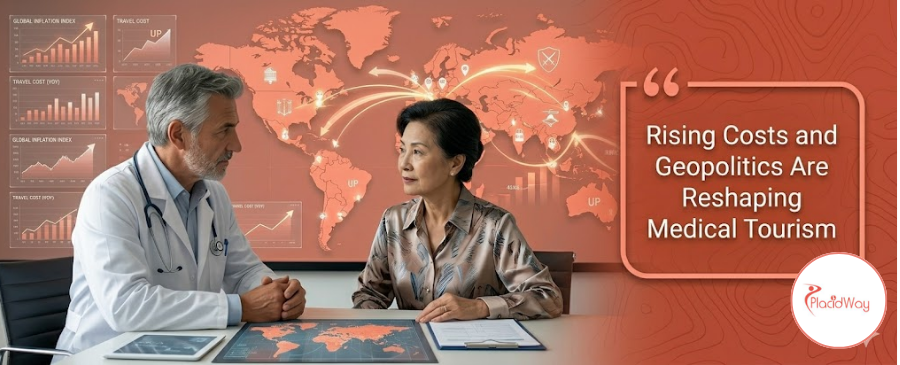
As 2026 approaches, the global medical tourism industry faces unprecedented challenges. Rising treatment costs and geopolitical instability are forcing patients to navigate a complex landscape, transforming how individuals seek affordable, high-quality healthcare across borders.
1. The New Landscape of Global Medical Tourism in 2026
The year 2026 marks a pivotal turning point for international healthcare travel. For decades, the industry experienced explosive, uninterrupted growth as patients from developed nations crossed borders in search of cost-effective surgeries, specialized treatments, and reduced wait times. However, a combination of macroeconomic headwinds and global friction has initiated a noticeable market slowdown. According to the Official News Source, the narrative has shifted from rapid expansion to strategic consolidation, requiring patients to be more discerning than ever before.
This new landscape is characterized by a high degree of caution. Patients are no longer simply looking for the cheapest available option; instead, they are meticulously calculating the total value of their medical journeys. This calculation includes risk assessments, travel contingencies, and the long-term quality of care. As global inflation impacts the operational costs of top-tier international facilities, the price gap between domestic and overseas treatments is fluctuating, prompting a fundamental reevaluation of why and how people engage in medical tourism.
2. Economic Pressures and Rising Healthcare Costs
One of the most significant barriers to medical travel in 2026 is the universal increase in healthcare delivery costs. The ripple effects of global inflation, coupled with severe supply chain disruptions for critical medical devices and pharmaceuticals, have forced international facilities to adjust their pricing models. Even destinations historically known for extreme affordability are experiencing structural price corrections. The cost of retaining highly skilled, internationally certified medical professionals has also surged, as global competition for top medical talent intensifies.
Despite these increases, traveling for medical care remains financially viable for many, but the margins of savings are narrowing. Patients must now account for elevated airfare, premium medical travel insurance, and extended recovery accommodations. To illustrate this shift, consider the changing dynamics of global medical travel expenses:
| Economic Factor | Historical Trend (Pre-2024) | Current Reality (2026) |
|---|---|---|
| Surgical Procedure Costs | Highly discounted, stable pricing | Moderate price increases due to supply costs |
| Travel Logistics (Flights/Hotels) | Predictable and easily bundled | Volatile pricing dependent on fuel and inflation |
| Medical Talent Retention | Locally sustained wages | Globalized, competitive wage structures |
| Currency Exchange Nuances | Highly favorable to Western currencies | Fluctuating advantages requiring careful timing |
3. The Impact of Geopolitical Uncertainty on Patient Travel
Beyond economics, the geopolitical climate of 2026 is playing a dominant role in reshaping medical tourism corridors. Regional conflicts, shifting diplomatic alliances, and sudden changes in visa policies have introduced a layer of unpredictability. Traditionally popular medical tourism hubs located near volatile zones are experiencing significant downturns in patient volume. Patients are prioritizing physical safety and political stability almost as highly as the quality of clinical care.
This uncertainty has also led to the fragmentation of medical visas. While some nations are tightening borders due to security concerns, creating administrative hurdles for patients, others are seizing the opportunity to streamline entry for medical tourists to capture displaced market share. Navigating this bureaucratic maze requires expert assistance, as a delayed medical visa can completely derail time-sensitive treatments, such as oncology procedures or organ transplant consultations. Consequently, international patient departments are dedicating more resources to legal and diplomatic facilitation than ever before.
Did You Know?
Despite the rising costs associated with global inflation, patients traveling for complex procedures like orthopedic joint replacements or advanced dental restorations can still realize cost savings of up to 40 to 60 percent compared to domestic prices in North America and Western Europe, provided they choose politically stable and economically resilient destinations.
4. Strategic Shifts: How Patients Are Adapting to the Slowdown
The slowdown has not eradicated the demand for medical tourism; rather, it has matured the consumer base. Patients in 2026 are adopting highly strategic approaches to mitigate financial and geopolitical risks. The era of impulsive medical travel has ended, replaced by meticulous, data-driven planning.
To navigate this complex environment, prospective medical tourists are implementing several key strategies to ensure their safety, financial security, and medical success:
- Treatment Bundling: Patients are combining multiple necessary procedures (e.g., dental implants and elective cosmetic surgeries) into a single trip to maximize the return on their travel investments.
- Comprehensive Risk Insurance: The adoption of specialized medical travel insurance that covers procedure complications, trip cancellations due to political unrest, and extended stays has skyrocketed.
- Prolonged Research Phases: The average time spent researching facilities, checking international accreditations, and verifying success rates has doubled compared to previous years.
- Seeking Alternative Corridors: Patients are discovering emerging medical hubs in regions previously overlooked, focusing on countries with strict neutrality and stable currency pegs.
- Hybrid Healthcare Models: Patients are completing their pre-operative diagnostics locally to shorten their required stay abroad, traveling solely for the main intervention.
- Utilizing Global Facilitators: There is a heavy reliance on trusted global medical tourism platforms like PlacidWay to vet facilities and guarantee transparent pricing models.
“The medical tourism industry of 2026 is defined by resilience and intelligence. While geopolitical shifts and rising costs present undeniable hurdles, they also drive the market toward greater transparency, higher clinical standards, and stronger patient advocacy. Our focus is to ensure that no matter the global climate, patients retain access to safe, transformative, and affordable healthcare solutions.”
— Pramod Goel, CEO of PlacidWay
5. The Role of Technology and Telemedicine in Overcoming Barriers
Technology has emerged as the ultimate equalizer in the 2026 medical tourism landscape. To counteract the friction caused by travel uncertainties, top-tier international healthcare providers have integrated robust telemedicine platforms into their patient acquisition and care delivery models. Virtual consultations are no longer just preliminary chats; they are comprehensive clinical assessments involving the secure transfer of high-resolution imaging and comprehensive digital health records.
This digital transformation allows patients to build trust with their overseas medical teams long before booking a flight. Post-operative care has also been revolutionized through remote monitoring technologies. Wearable devices track vital signs and recovery metrics, transmitting data in real-time to the surgical team abroad. This reduces the time a patient must remain in the foreign country for observation, thereby significantly lowering accommodation costs and minimizing exposure to regional instabilities.
6. Quality over Proximity: Emerging Safe-Haven Destinations
As traditional borders of medical travel redraw themselves, “safe-haven” destinations are rising to prominence. These are nations that offer a triad of benefits: unwavering political stability, resilient economic policies that protect against hyperinflation, and world-class healthcare infrastructures backed by strict government regulations. Patients in 2026 are increasingly willing to endure longer flight times to reach these secure environments, prioritizing peace of mind over geographic proximity.
These safe-haven countries are investing heavily in English-speaking medical staff, dedicated medical tourist zones, and seamless integration with international health insurance networks. By marketing themselves as reliable sanctuaries for healing amid global chaos, these emerging destinations are capturing the market share lost by regions experiencing unrest. Their success underscores a major industry shift: trust and safety have become the ultimate currencies in international healthcare.
Did You Know?
To combat the slowdown, several emerging safe-haven countries have introduced “Fast-Track Medical Visas.” These specialized travel authorizations guarantee processing times of under 48 hours for patients requiring urgent specialized interventions, bypassing standard bureaucratic backlogs entirely.
7. Projections for the Next Decade of Healthcare Travel
Looking beyond 2026, the trajectory of global medical tourism points toward increased regulation and standardization. International regulatory bodies are expected to implement stricter oversight on cross-border healthcare marketing, ensuring that facilities clearly publish outcome data and transparent pricing structures. This will effectively weed out underperforming or opportunistic providers, leaving a robust network of highly accredited institutions.
Furthermore, industry analysts project a significant pivot from purely elective procedures to vital, life-saving treatments and preventative medicine. As domestic healthcare systems in developed nations continue to grapple with aging populations, nursing shortages, and lengthy waitlists for essential surgeries, traveling abroad for cardiology, oncology, and advanced cellular therapies will transition from an alternative option to a necessary mainstream solution. The focus will firmly remain on value-based care and verifiable medical excellence.
8. Preparing for the Future: A Guide for Prospective Medical Tourists
For individuals considering medical travel in the current climate, preparation is paramount. The first step is acknowledging that the landscape has changed; navigating it alone presents unnecessary risks. Prospective patients must prioritize international accreditation, demanding proof of clinical excellence from recognized global health organizations before transferring any funds or making travel arrangements.
Partnering with established global healthcare facilitators is the most effective strategy to mitigate the risks associated with the 2026 slowdown. Organizations like PlacidWay provide an essential layer of security by offering pre-vetted medical networks, transparent cost comparisons, and dedicated logistical support. By leveraging professional guidance, securing comprehensive medical travel insurance, and maintaining realistic expectations regarding travel logistics, patients can safely access the life-changing medical care they deserve, regardless of global uncertainties.
Navigate Your Medical Journey with Confidence
Don’t let rising costs and global uncertainty prevent you from accessing world-class healthcare. PlacidWay connects you with globally accredited, pre-vetted medical centers tailored to your specific needs and budget.